

UK Teacher Training Routes for Graduates
Several routes lead to qualified teacher status, some with a bursary and some where you are paid to train. Shortage subjects change both the funding and the odds considerably.
Actionable guides to improve ATS score, resume quality, and job search outcomes.
Several routes lead to qualified teacher status, some with a bursary and some where you are paid to train. Shortage subjects change both the funding and the odds considerably.

UK technology hiring is less centralised than banking or law, spans far more employers than students realise, and rewards demonstrable evidence over the formal graduate scheme circuit.
A retirement match is free money most new graduates leave on the table simply by not enrolling. Understanding the basics of a US benefits package in your first month prevents years of quiet cost.
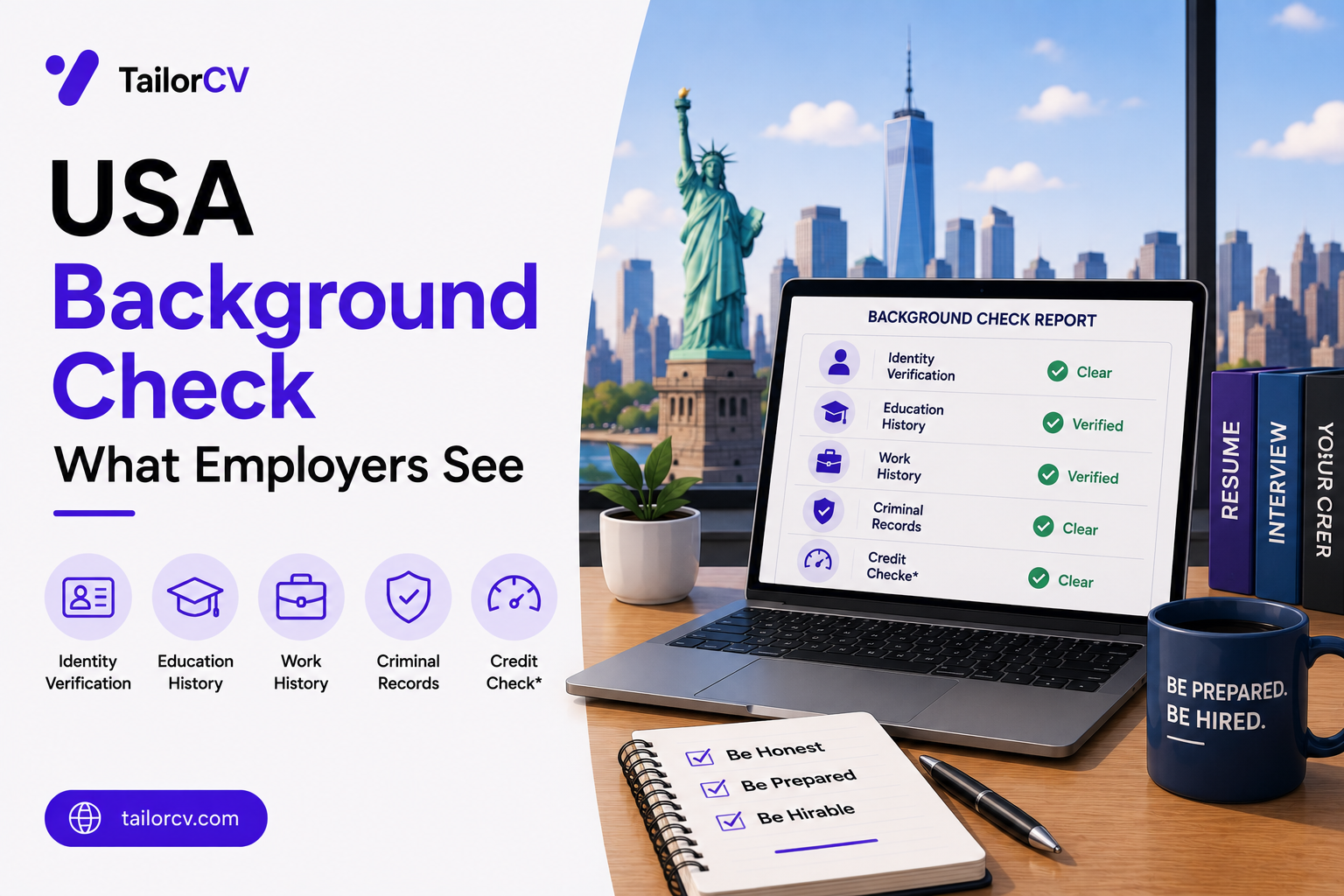
Background checks verify what you claimed rather than hunting for secrets. Knowing what is checked, and what a discrepancy does, is what prevents an offer being withdrawn after you declined your other options.
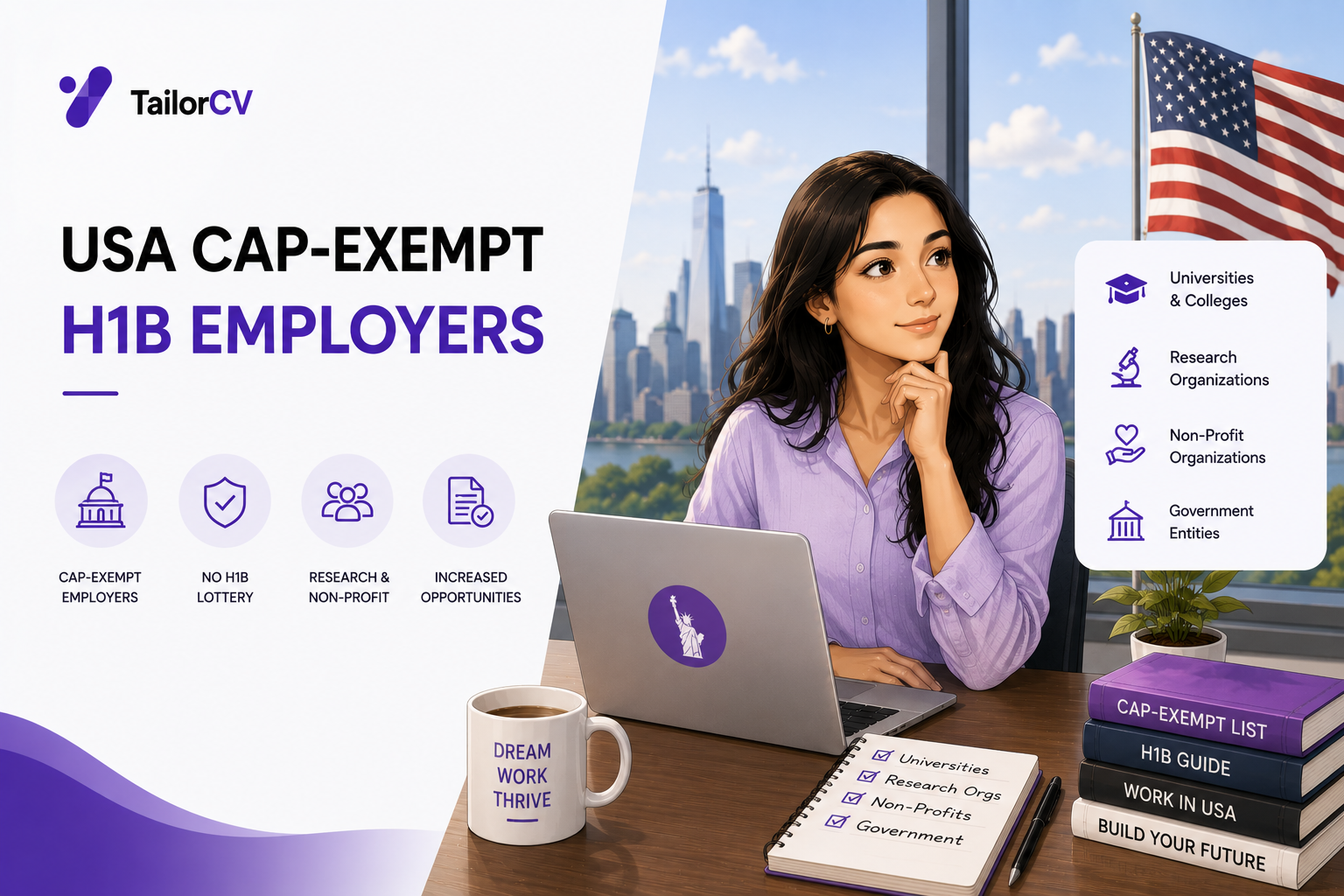
Universities, affiliated non-profits and research organisations can sponsor H-1B outside the annual cap, with no lottery and no filing season. It is the most under-known option available to international graduates.
Transfer students arrive on a compressed timeline into a recruiting cycle that assumes four years. Knowing what recruiters actually see, and starting earlier than feels reasonable, closes most of the gap.

Data science hiring is fragmented: the same title covers analytics, machine learning engineering and research, and the interviews for each are different. Applying without knowing which one you are in is the most common mistake.
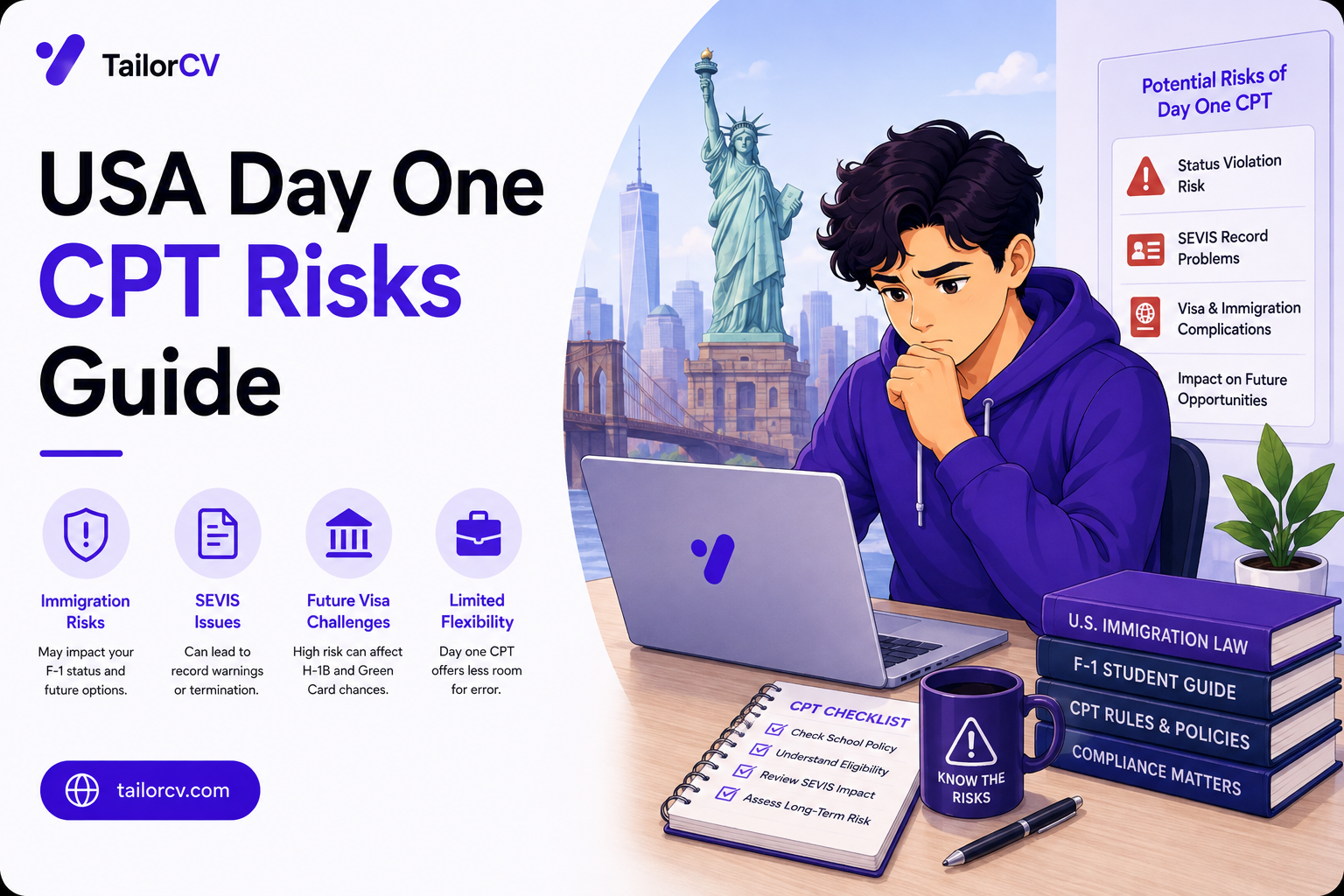
Some universities offer curricular training from a student's first term. The arrangement is legal in principle, scrutinised in practice, and it can quietly cost you your OPT and your future status.
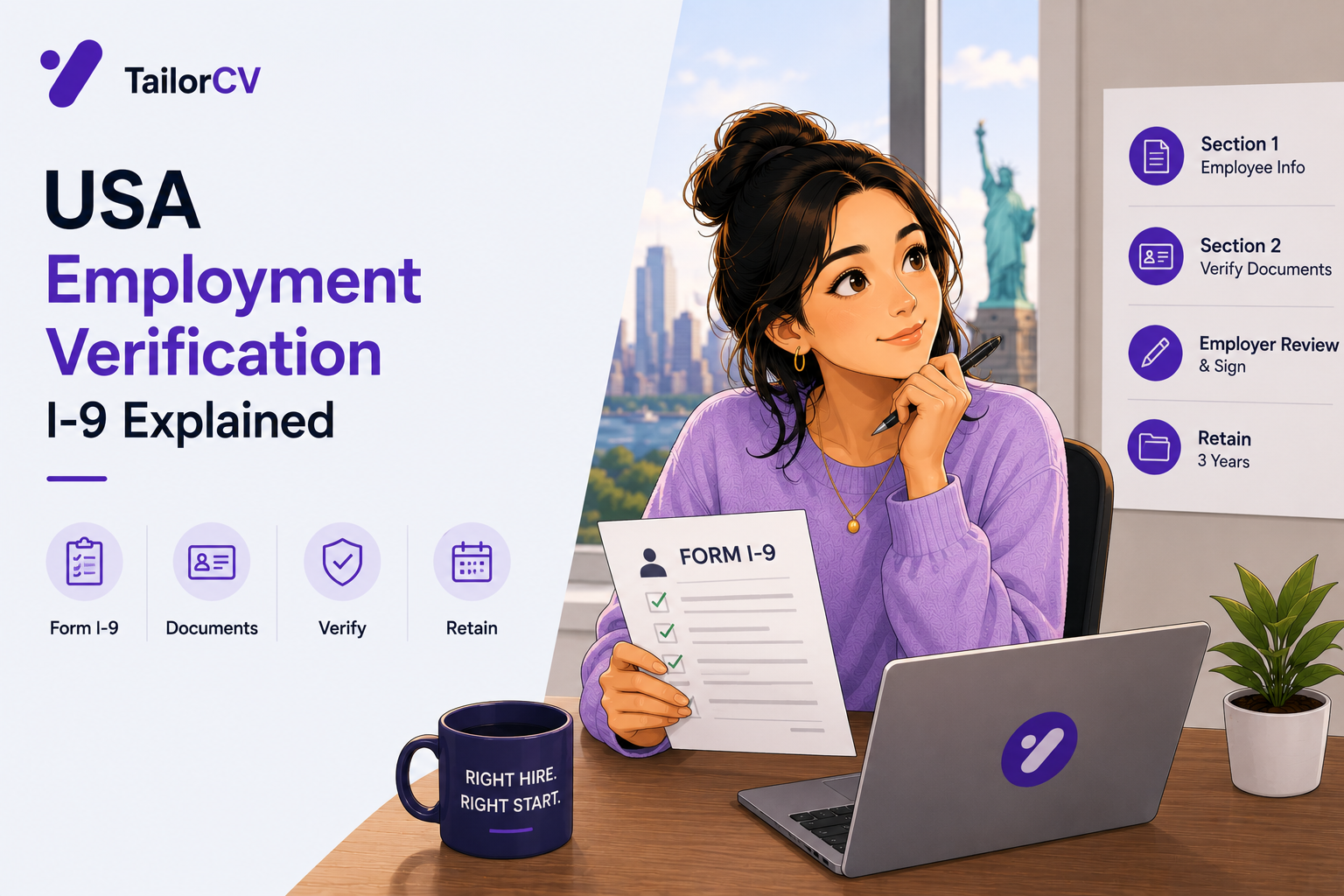
Every new employee in the US completes an I-9 within days of starting, regardless of citizenship. Understanding what it actually requires prevents an avoidable delay in your very first week.
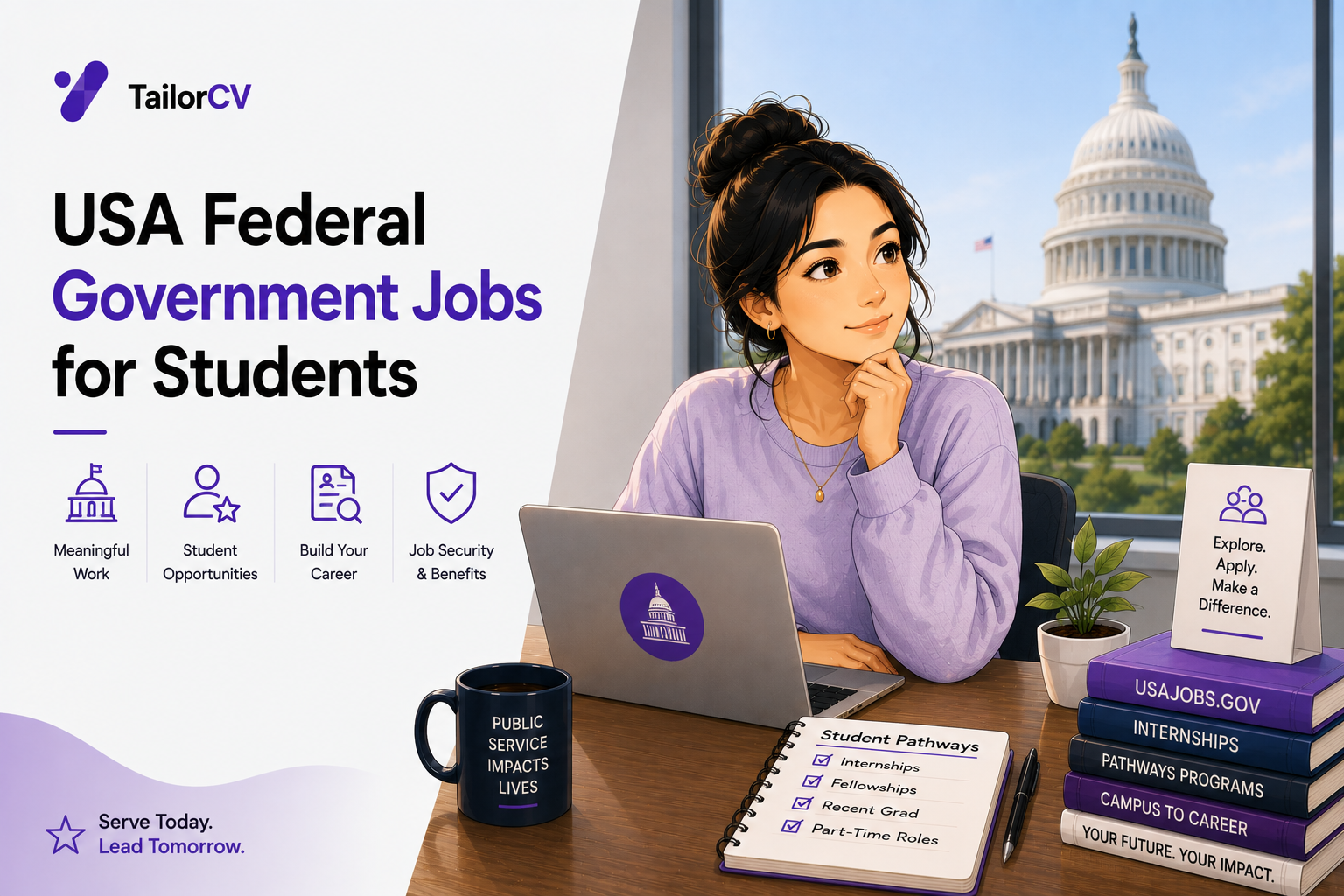
Federal agencies hire graduates at scale through defined student and entry-level pathways. The process is slower and more formal than corporate hiring, and citizenship requirements make it viable for some candidates and closed to others.
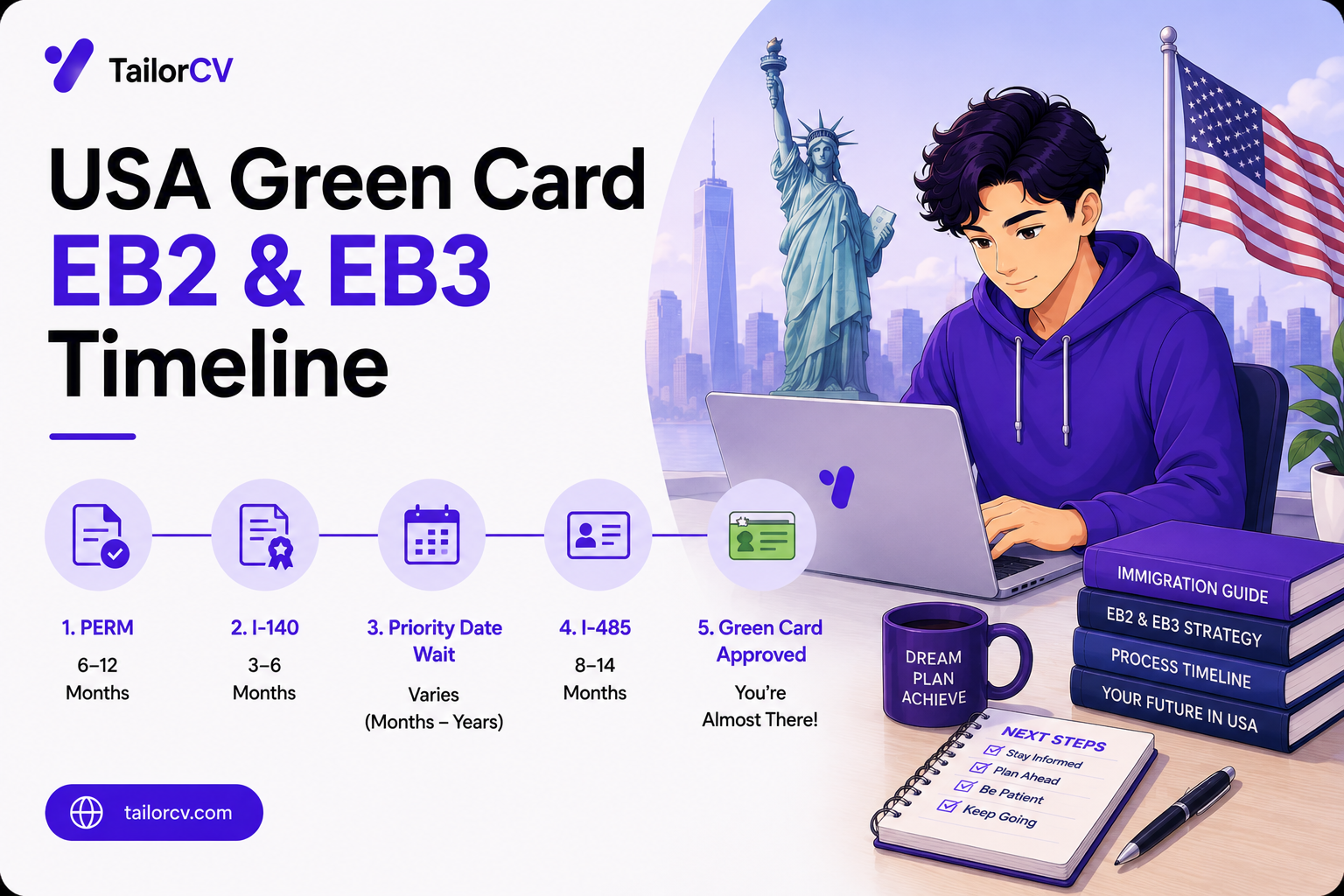
Permanent residence through employment is a multi-year process your employer initiates, and your country of birth can change the wait by a decade. Understanding it early affects which job you take.
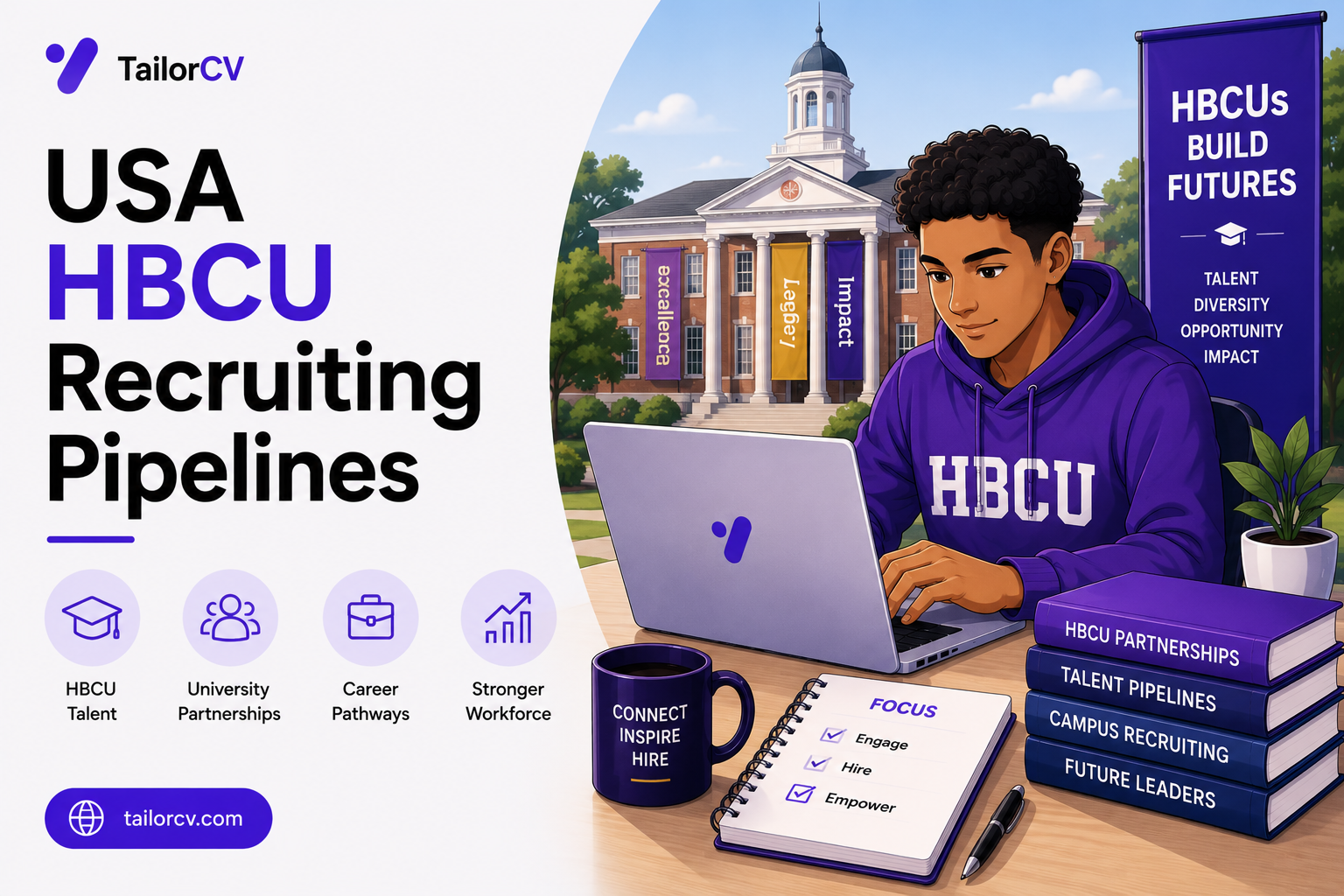
Historically Black colleges and universities have some of the most established structured recruiting relationships in the country, and many are consistently under-used by students who assume the pipeline is thinner than it is.
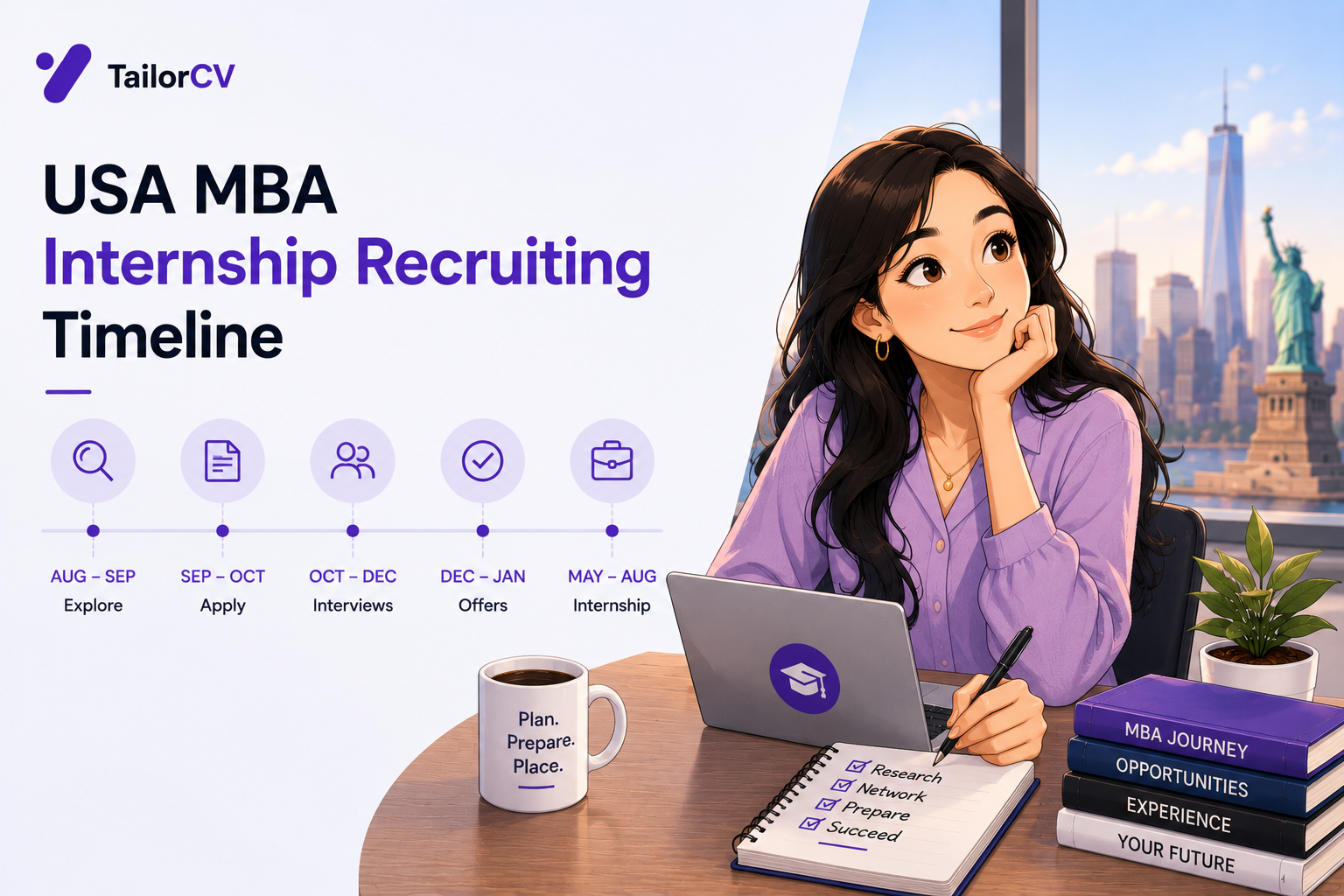
MBA recruiting starts before classes do and concludes for many industries before the first winter break. The calendar, not the effort, is what catches most students out.
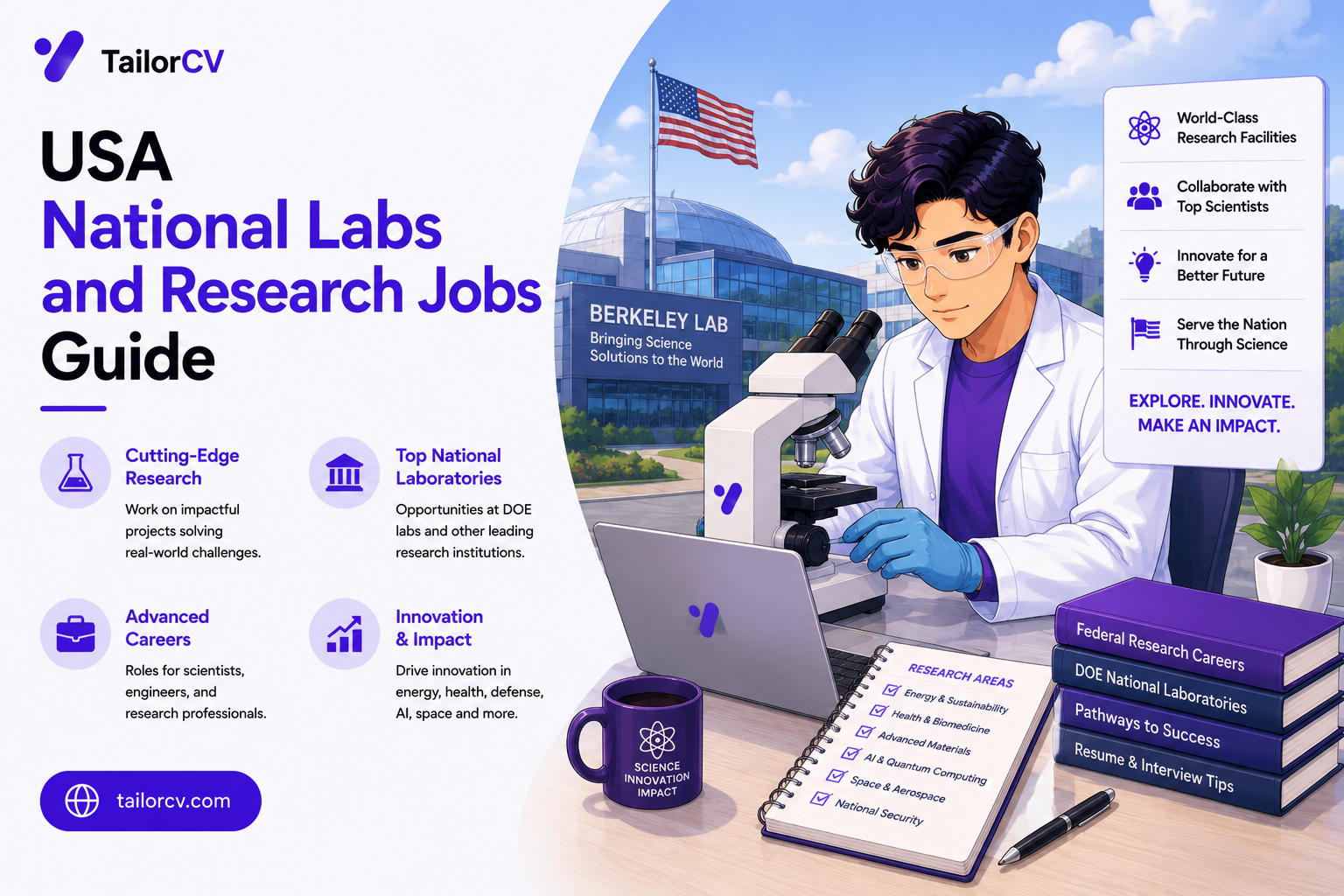
National laboratories and federally funded research centres are substantial technical employers, hire graduates through defined programmes, and are almost invisible to students focused on corporate recruiting.

Industry conferences run recruiting at a scale campus fairs cannot match, and student tickets are frequently cheap or free. Almost nobody at your university is using this channel.
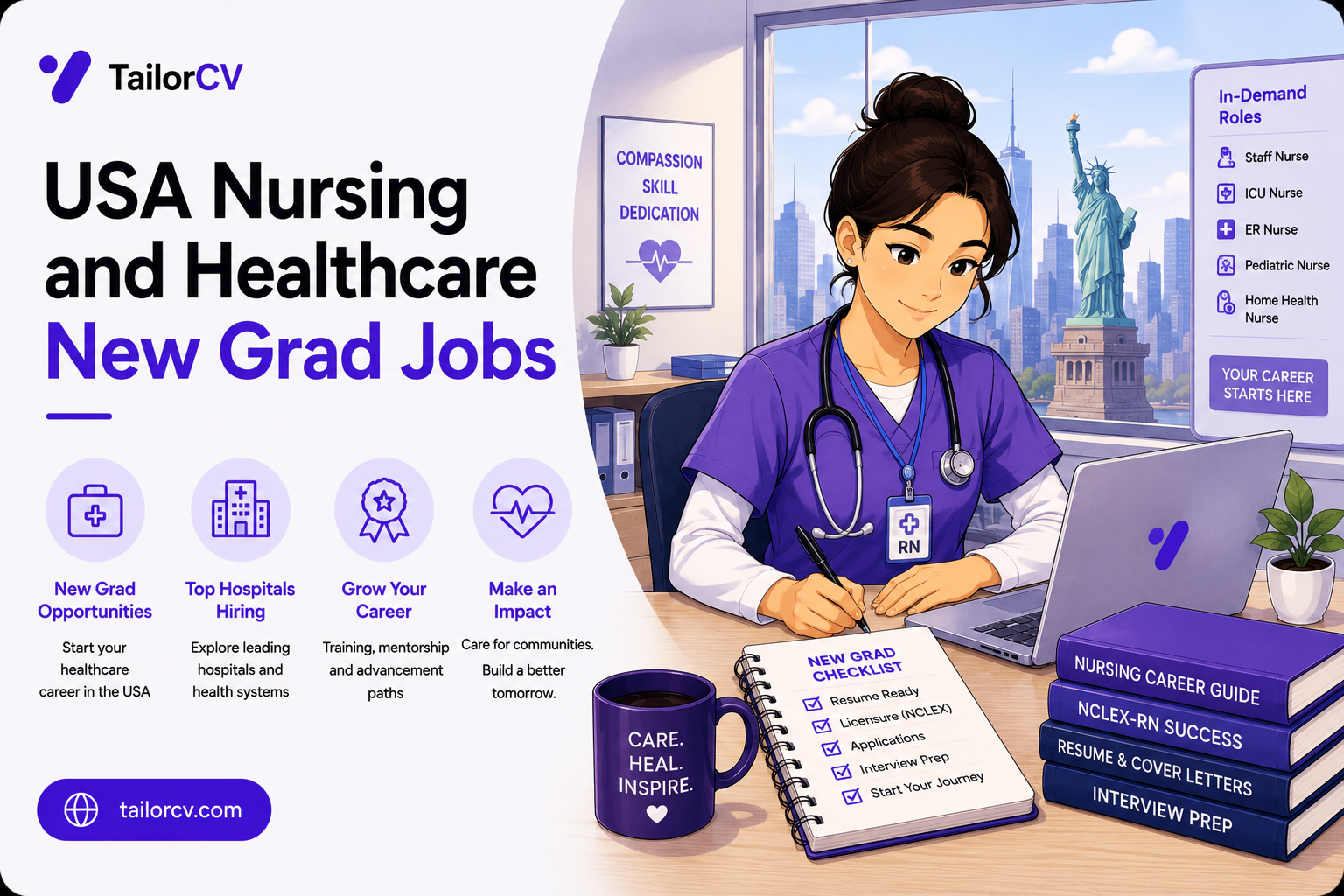
Healthcare is one of the largest graduate employers in the country and hires on a completely different calendar from corporate recruiting. Licensure governs the clinical routes; the non-clinical side is wide open and rarely discussed.

The O-1 has no lottery and no annual cap. It asks for evidence of extraordinary ability, which sounds impossible for a graduate and is more attainable than most people assume in some fields.
The hard part is not capability, it is translation: describing years of research in terms a hiring manager recognises, and adjusting to interviews that assess something academia never measured.

APM programmes are small, structured and heavily contested, and the assessment looks nothing like a technical interview. What they actually screen for is judgement about users, and that is demonstrable without a product job.
Trading firms recruit earlier, test harder and hire fewer people than almost any other campus employer. The process is unusually transparent about what it wants, which makes it preparable.