 SS
SS
Key Takeaways
- Large professional conferences frequently host career fairs with dozens of employers, at a scale and seniority level individual campuses cannot reach.
- Student membership of professional societies is usually inexpensive and unlocks discounted tickets, travel grants and members-only job boards.
- Many conferences offer volunteer, scholarship or travel-grant places that cover most of the cost for students who apply early.
- The conversations at these events are with practitioners rather than recruiters, which produces better information and warmer referrals.
- This channel is systematically under-used, which is precisely why it works.
Why conferences beat campus fairs
Employer density and seniority. A campus fair brings recruiters. A large industry conference brings engineers, researchers, managers and the people who actually make hiring decisions, often in numbers a single university cannot attract.
They are there to hire. Employers exhibiting at a professional conference have allocated budget specifically to recruiting from that community, and career fairs attached to major conferences are frequently substantial events in their own right.
Better conversations. At a campus fair you speak to a recruiter working through a queue. At a conference you speak to someone who just gave a talk about the exact work you want to do, which produces a genuinely different conversation and a much stronger basis for a follow-up.
Geographic reach. A conference draws employers from across the country and internationally, rather than the subset who visit your region.
Fewer competitors than you expect. Most students never attend, either because they do not know these events exist or because they assume the cost is prohibitive. Both barriers are lower than they appear, and closing this one information gap is most of what separates students who use this channel from the much larger group who never consider it at all.
Getting there affordably
Join the professional society for your field as a student member. Student rates are usually a small fraction of professional membership and frequently include discounted conference registration, access to a members-only job board, and local chapter events.
Apply for travel grants and scholarships early. Many conferences and societies fund student attendance specifically, and these programmes are frequently undersubscribed. Deadlines are usually months before the event. The Grace Hopper Celebration's scholarship program, for example, is well known for covering registration, hotel, and a meaningful portion of travel costs for accepted applicants — the application itself is a short form, not a competitive essay contest, and it opens far enough in advance that "I found out too late" is rarely the real barrier, missing the deadline usually is.
Ask your department directly about conference travel funding, separate from what the conference itself offers. Many universities maintain a small, specifically-earmarked travel fund for students presenting or attending a professional conference, administered by a department or the graduate school, that goes underused simply because few undergraduates think to ask about it — a five-minute email to your advisor or department office is worth sending before assuming external funding is your only option.
Volunteer. A great many conferences waive or heavily discount registration for student volunteers who work a few shifts. You also meet the organisers, which is a network in itself.
Submit something. A poster, a workshop paper, a lightning talk. Presenters often receive reduced registration, and having something to present transforms the conversations you have — people come to you.
Check for student-specific programming. Larger conferences frequently run dedicated student tracks, mentoring sessions and career workshops, usually listed separately in the program from the main technical sessions and worth reviewing before you arrive.
Look for regional and local events. Not everything requires flying across the country. Local chapter meetings, regional conferences and single-day symposia are cheap, frequent and much less contested.
What to actually do there
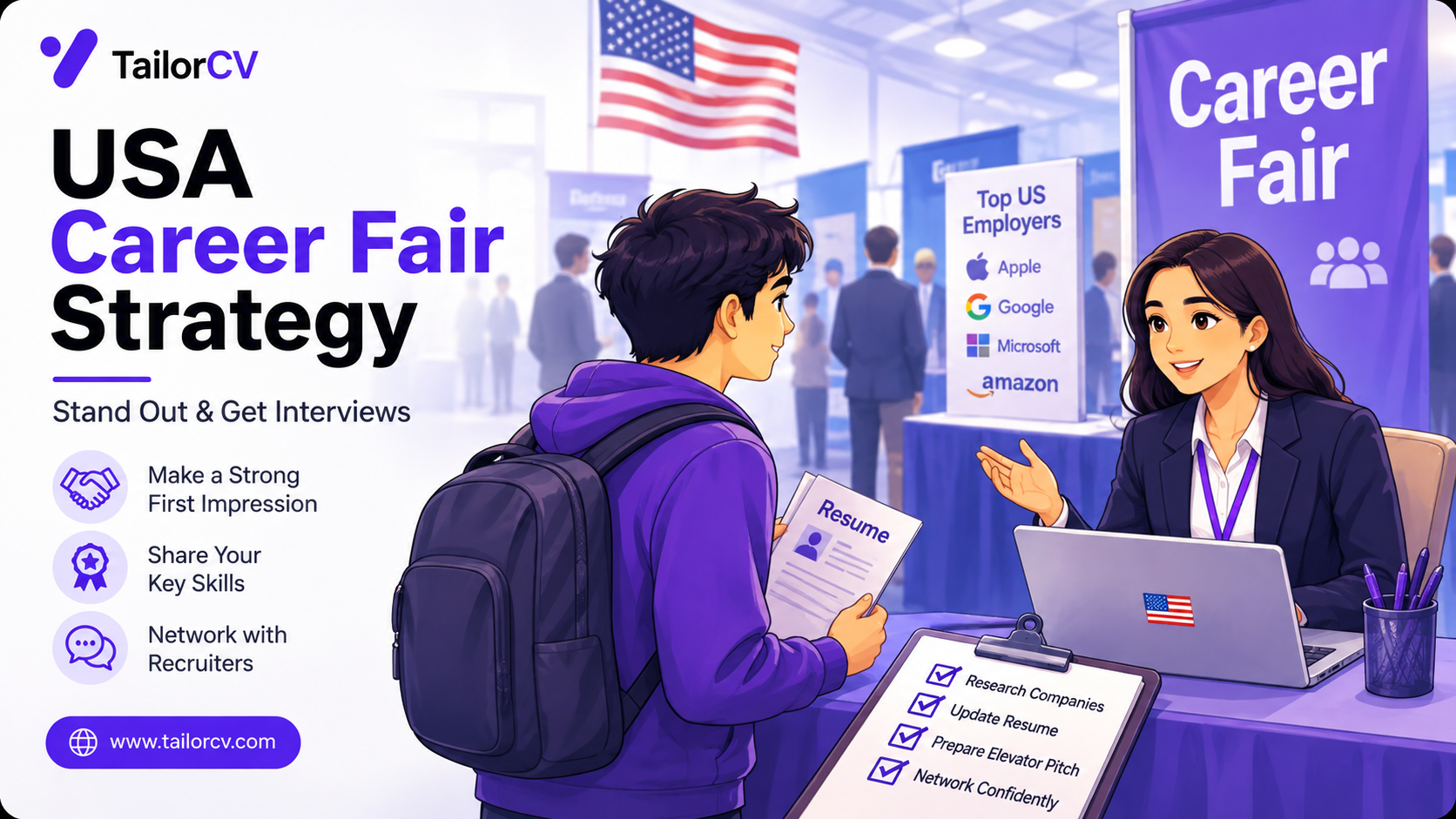
Prepare like it is a career fair, because it is. Research the exhibiting employers, apply online beforehand where you can, and have a specific opening ready. The career fair approach transfers directly — apply first, lead with something concrete, get a name, follow up within a day.
Go to talks in your area and speak to the presenters afterwards. This is the single highest-value activity available and almost nobody does it. A specific question about someone's work, asked immediately after they presented it, is the easiest conversation you will ever start — something like "you mentioned X approach didn't scale past a certain point, what did you end up switching to?" works because it proves you actually listened, is impossible to have prepared before the talk, and gives the presenter something concrete to answer rather than a generic "great talk, tell me about your company."
Attend the student and early-career sessions. Lower stakes, smaller groups, and the people running them are there specifically to help.
Go to the social events. Receptions, poster sessions, and informal gatherings are where the real conversations happen, and where a recruiter you met at a booth becomes someone who remembers you.
Take notes immediately. Names blur within hours. Thirty seconds on your phone after each conversation is what makes the follow-ups possible.
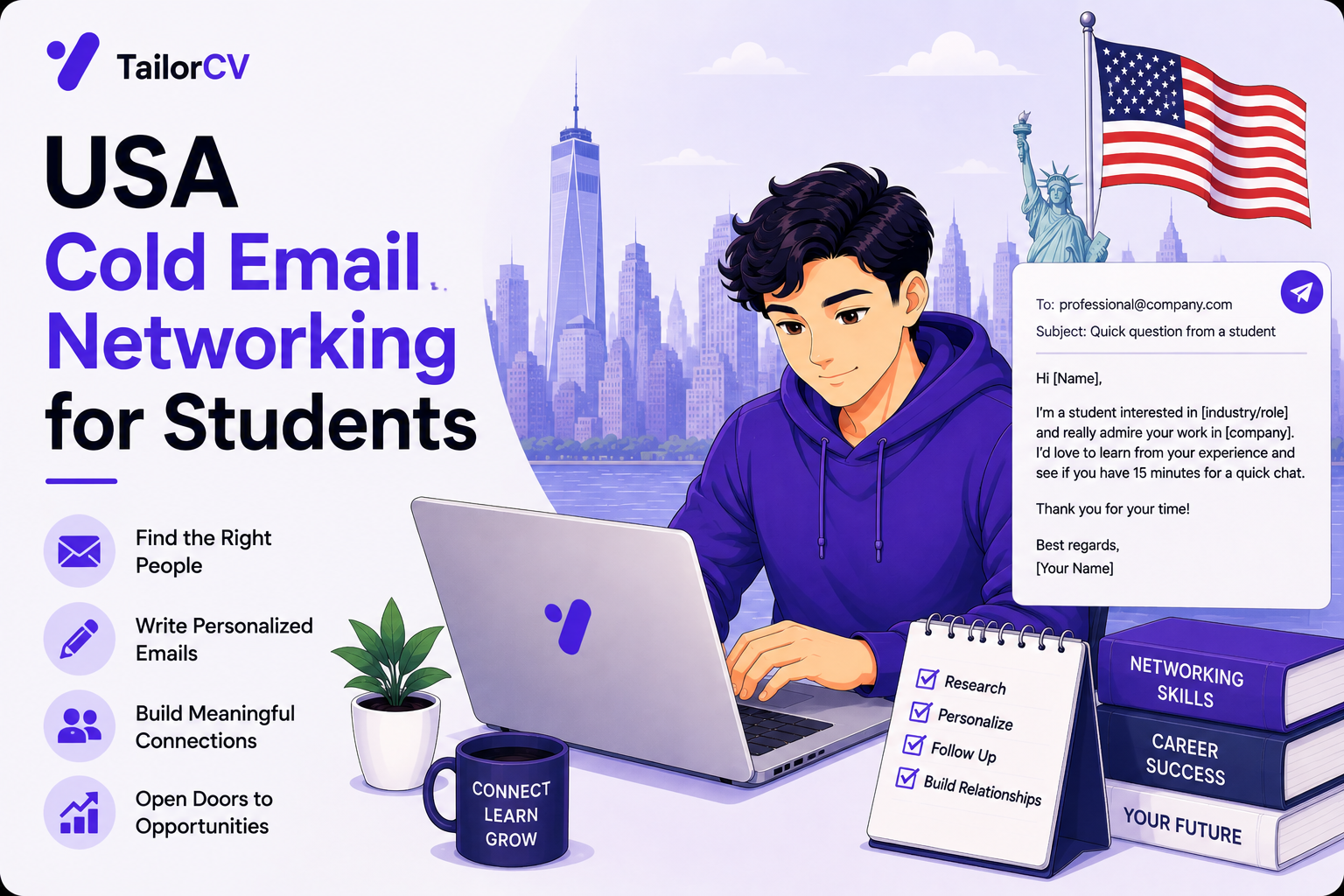
Follow up within 24 hours, referencing something specific. This is the step that converts, and the outreach approach applies exactly.
Which events are worth it
The major annual conference in your field. Every discipline has one or two — computing has several run by the ACM and IEEE (specific sub-fields have their own, like NeurIPS for machine learning or SIGGRAPH for computer graphics), mechanical engineering has ASME's annual congress, chemical engineering has AIChE's, and most other disciplines have a comparably established professional-society flagship event. Their career fairs are frequently the largest single concentration of relevant employers you will encounter, and naming the specific one for your field — rather than searching generically — is usually one search away once you know which society to look for.
Diversity-focused conferences in technology and engineering. The Grace Hopper Celebration (women in computing, run by AnitaB.org) and the Tapia Celebration of Diversity in Computing are the two largest in software specifically, each drawing career fairs with hundreds of employers and tens of thousands of attendees. NSBE (National Society of Black Engineers) and SHPE (Society of Hispanic Professional Engineers) run comparably large annual conventions across engineering broadly, not just software. All four are worth checking directly for eligibility and student registration rates even if you don't immediately think of yourself as their target audience — many are more broadly welcoming than their name alone suggests, and they are among the most productive recruiting events available to students who attend.
Regional professional society meetings. Cheap, frequent, and often attended by local employers who never visit campuses.
Research conferences, if you are pursuing a research career — this is where national laboratories and industrial research groups recruit, and the PhD transition frequently runs through exactly these events.
Industry-specific trade events, which are excellent for non-technology fields and almost never mentioned in campus career advice.
What to skip: generic networking events with no employer presence, and anything charging students a substantial fee without a clear programme.
Tip: Apply for conference travel funding months before the event, and ask your own department too. Both sources are routinely underused, and both close long before the conference itself.
Common Mistakes
- Not knowing these events exist. Not knowing these events exist the main reason the channel stays under-used.
- Assuming the cost is prohibitive. Student rates, volunteer places and travel grants make most events affordable if you plan early.
- Attending without preparing. Attending without preparing a conference career fair rewards the same preparation a campus fair does.
- Only visiting booths. Only visiting booths the talks and the receptions are where the differentiating conversations happen.
- Not following up. Not following up the single step that converts a conversation into a process, skipped by most attendees.
- Applying for funding too late. Leaving it too late to apply for funding. Travel grant deadlines are typically months before the event.
Related Guides
Keep building on this with the related guides in this series:
- 401(k) and Benefits Explained for New Graduates
- US Background Checks - What Employers Actually See
- Cap-Exempt H-1B Employers - The Route Around the Lottery
- Community College Transfer Students - Building a Career Strategy That Works
- US Data Science New Grad Hiring - The Roles, the Loop and the Preparation
- Day-One CPT - What It Is and Why It Carries Real Risk
You can also check your resume's ATS score for free, generate a tailored cover letter, or build a portfolio website in minutes.
Frequently Asked Questions
Are conference career fairs really better than campus ones?
For employer density and seniority, frequently yes. They draw nationally rather than regionally, and the people attending include practitioners and hiring managers rather than only recruiters.
How do I afford to attend?
Student membership rates, volunteer positions, travel grants and presenting are the four main routes, and applying early is what makes them work.
Do I need to present something to attend?
No, and presenting improves the experience considerably because it gives people a reason to approach you and often reduces the cost.
What if I am early in my degree?
Go anyway. Attending in your first or second year builds familiarity and contacts before you need them, which is exactly when networking is most effective and least stressful.
Should I bring printed resumes?
Yes, to any event with a career fair component, and expect them to be scanned. Confirm your document parses cleanly beforehand.
How do I find the right conference for my field?
Ask a professor, check what the professional society in your discipline runs, and look at where the papers you read were presented. Faculty know this landscape well and are rarely asked.
Are diversity-focused conferences like Grace Hopper only for the group they're named for?
Check each event's specific eligibility directly rather than assuming — several, including Grace Hopper, have historically welcomed a broader range of attendees than the name alone suggests, and the career fairs at these events are large enough that it's worth confirming rather than ruling yourself out without checking.
Find out where a fresher resume stands
Score yours against a real posting - no account, no cost.
Drop your resume here or choose a file
PDF only. Max 2 MB.
We never share your data or use it to train AI models.

See what your portfolio could look like
This theme is built straight from your resume — pick one and your portfolio is live in minutes.
Was this guide useful?
Be the first to rate it.