
Technology Jobs in Berlin and Munich - Two Different Markets
Berlin and Munich are both major German tech hubs and they hire in almost opposite ways. Which one fits depends on your German, your risk appetite and what you want to build.
Actionable guides to improve ATS score, resume quality, and job search outcomes.
Berlin and Munich are both major German tech hubs and they hire in almost opposite ways. Which one fits depends on your German, your risk appetite and what you want to build.

A small, dense, intensely competitive market where finance dominates, English is a working language, and the IANG visa gives local graduates an unusually open door.
Graduate from a Hong Kong institution and you can work for anyone, in anything, with no employer sponsorship. The most open post-study route in Asia, and how it leads to permanent residency.

Dublin holds the European headquarters of half of American technology, Cork and Galway hold pharma and medtech, and EU citizens can start tomorrow. What that means for a graduate.

Almost every large American technology company runs its European operation from Dublin. That creates an unusual job market — and an unusual set of traps for a graduate reading job titles.
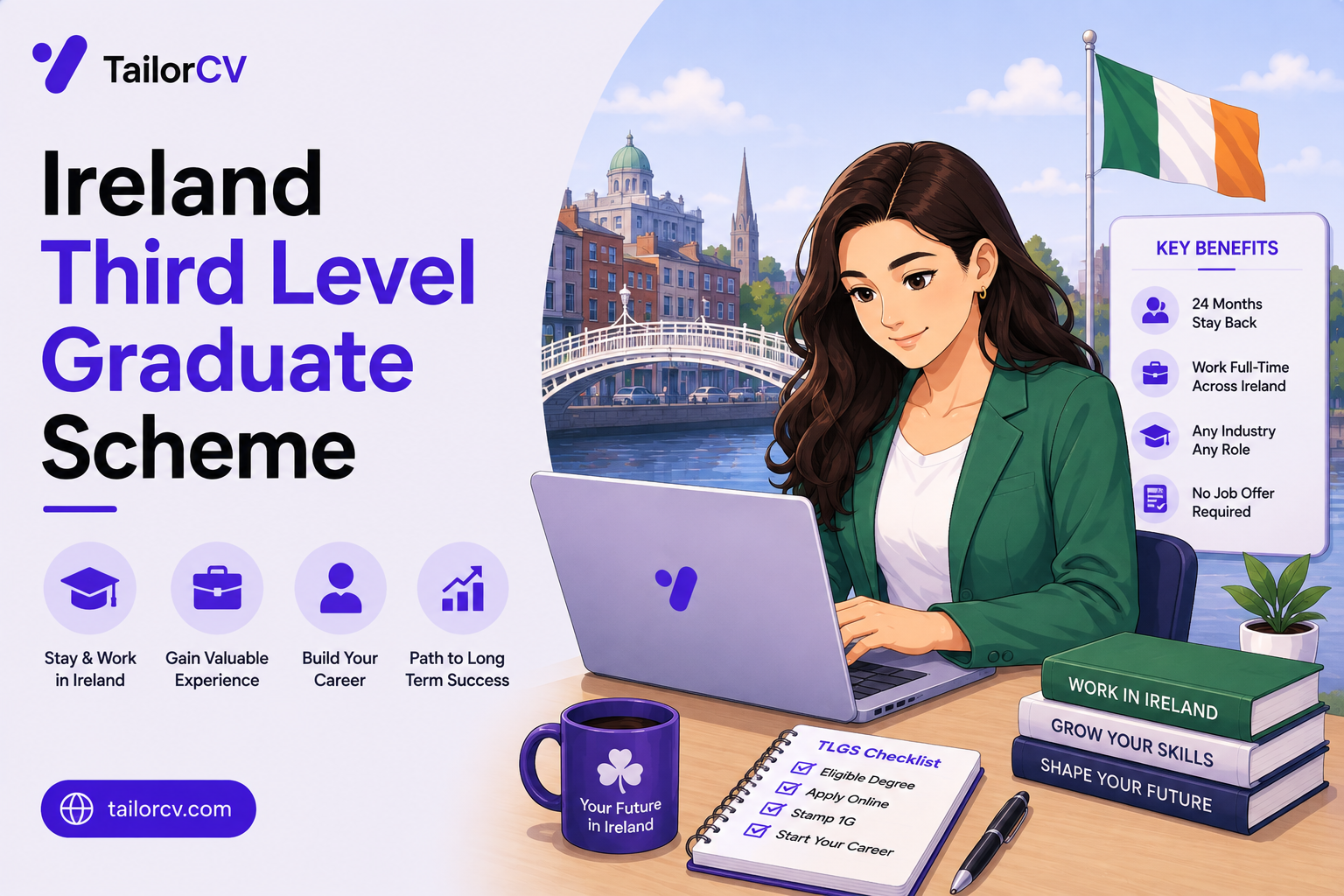
Graduate from an Irish institution and you can stay and work without an employer sponsoring you. How long you get, what it lets you do, and how to convert it into something permanent.
The visa question is coming. How to answer it in one sentence, when to raise it yourself, and how to prepare for the rest of an interview where you are already the unfamiliar candidate.
A tax facility that can move your take-home pay more than any salary negotiation you will ever win — and one most candidates never think to ask about until it is too late.
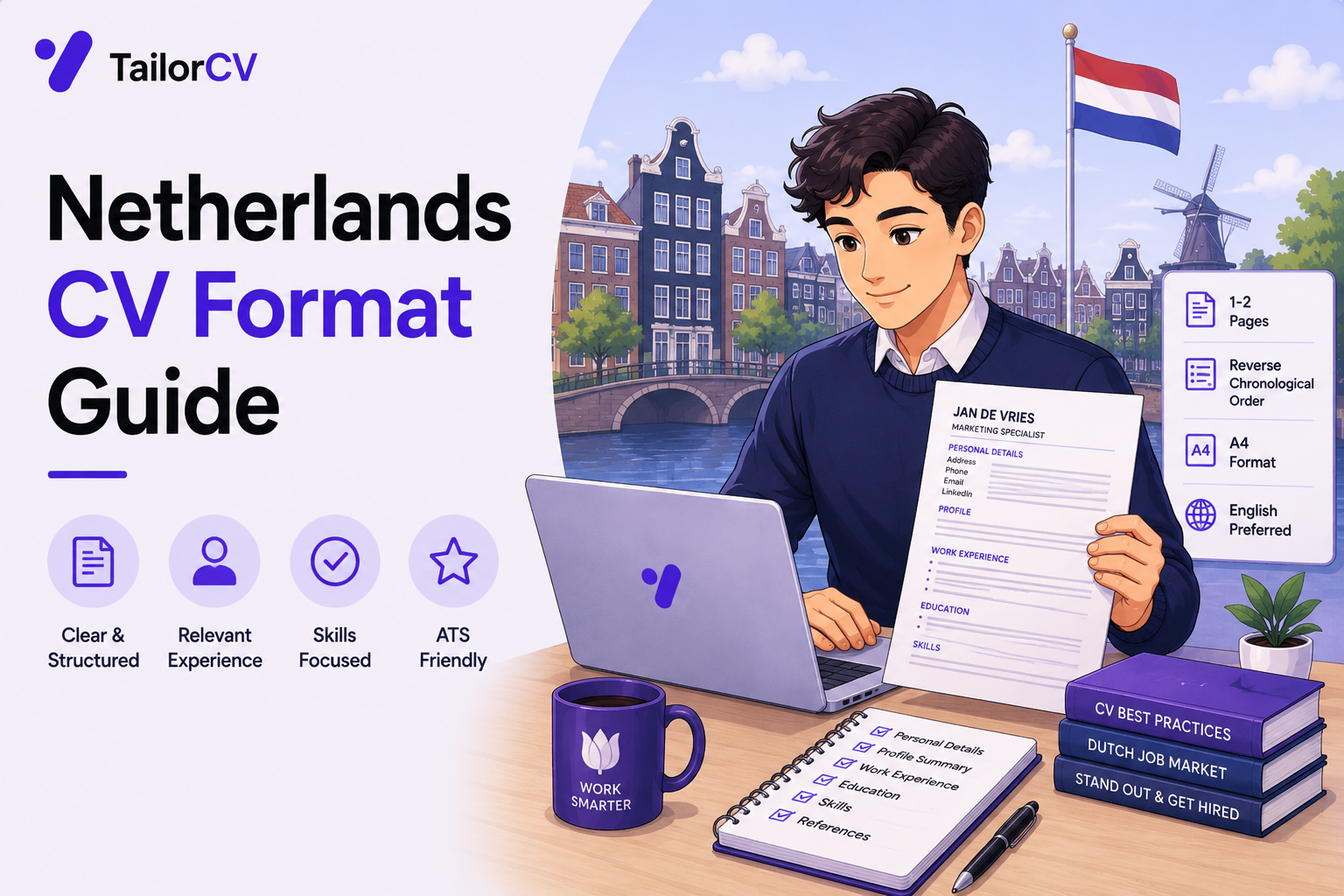
Two pages, no photo needed, and a directness that feels blunt if you are used to writing around things. What Dutch employers expect from a CV and what they quietly discount.
Amsterdam runs on English, hires internationally at scale, and has a housing market that will decide your life more than your salary does. How to search it properly.
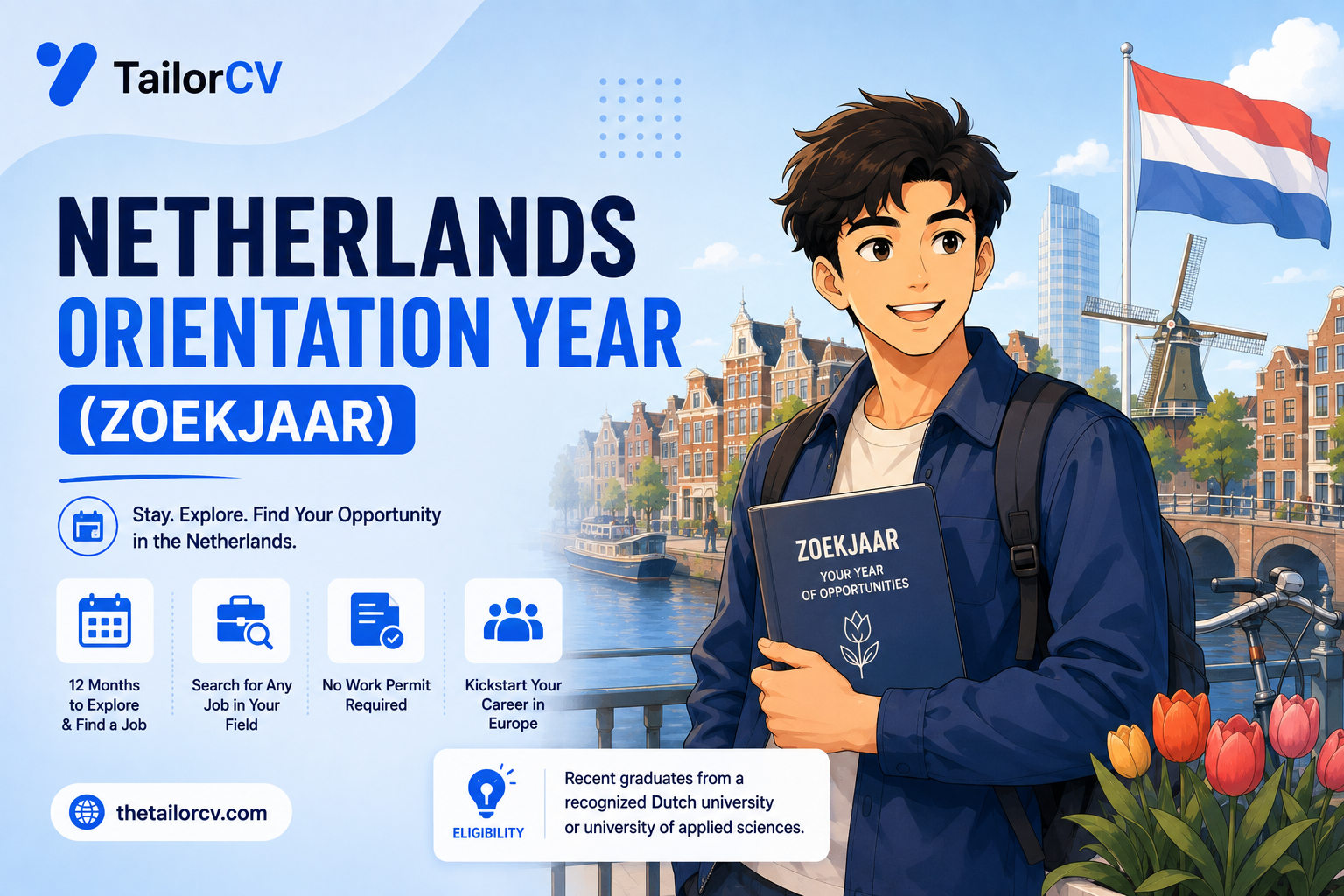
The zoekjaar gives recent graduates a full year of unrestricted work rights in the Netherlands, and it removes the sponsorship objection entirely. How it works and how to use it well.
Amsterdam for payments and platforms, Eindhoven for deep tech and semiconductors, Delft for engineering. Where Dutch technology work actually concentrates and how hiring runs.
A country of five million with a genuine skills shortage, an unusually open post-study work route, and a job market where a personal approach outperforms a hundred applications.
Study in New Zealand and you can stay and work without an employer sponsoring you. How long you get, what determines it, and how the Green List turns that window into residence.
Four countries that look identical from outside and behave quite differently once you are applying. Which one fits which graduate, and what each actually rewards.
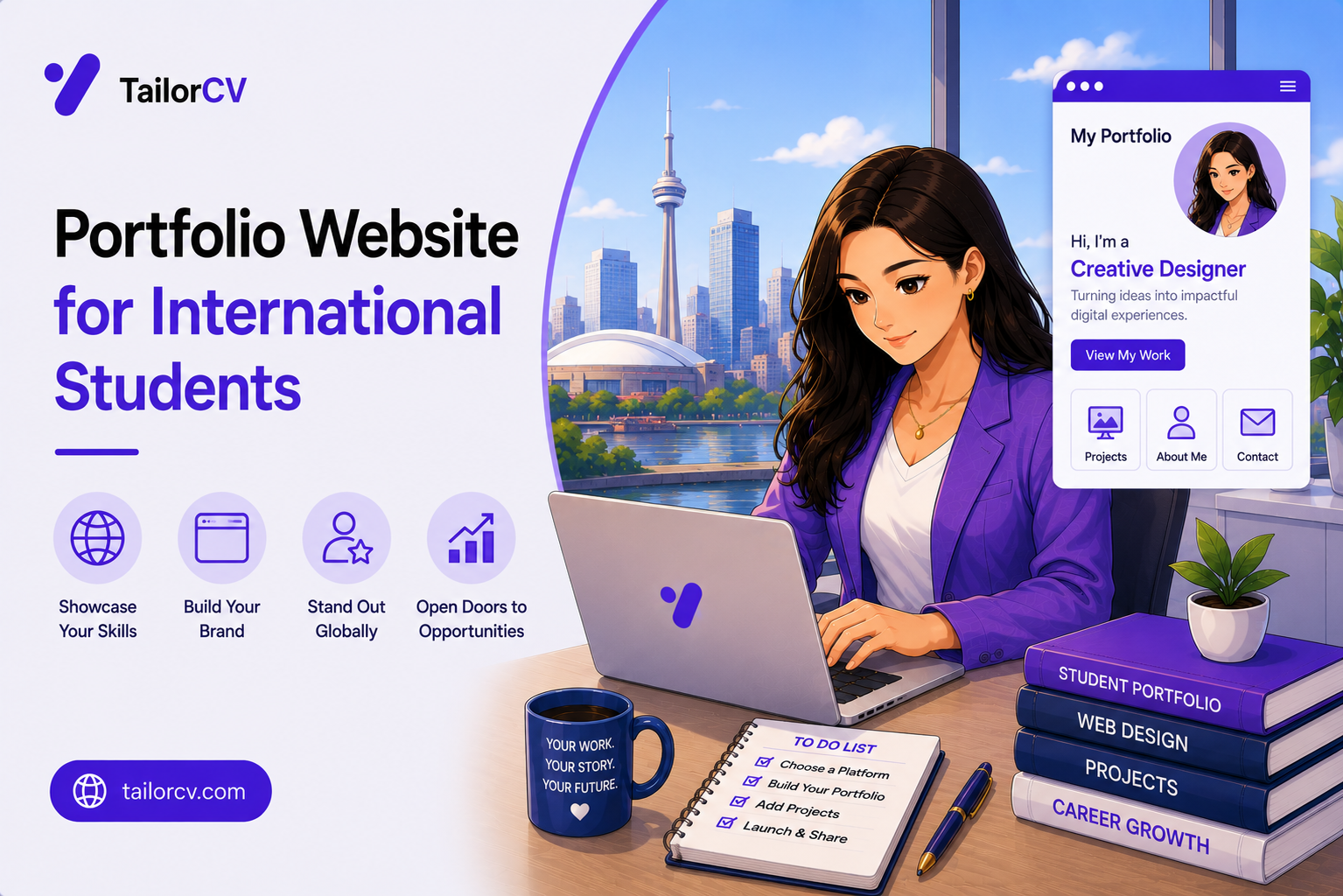
When your degree, your employers and your references are all unfamiliar to the person reading your application, a working page they can open does what a line of text cannot.
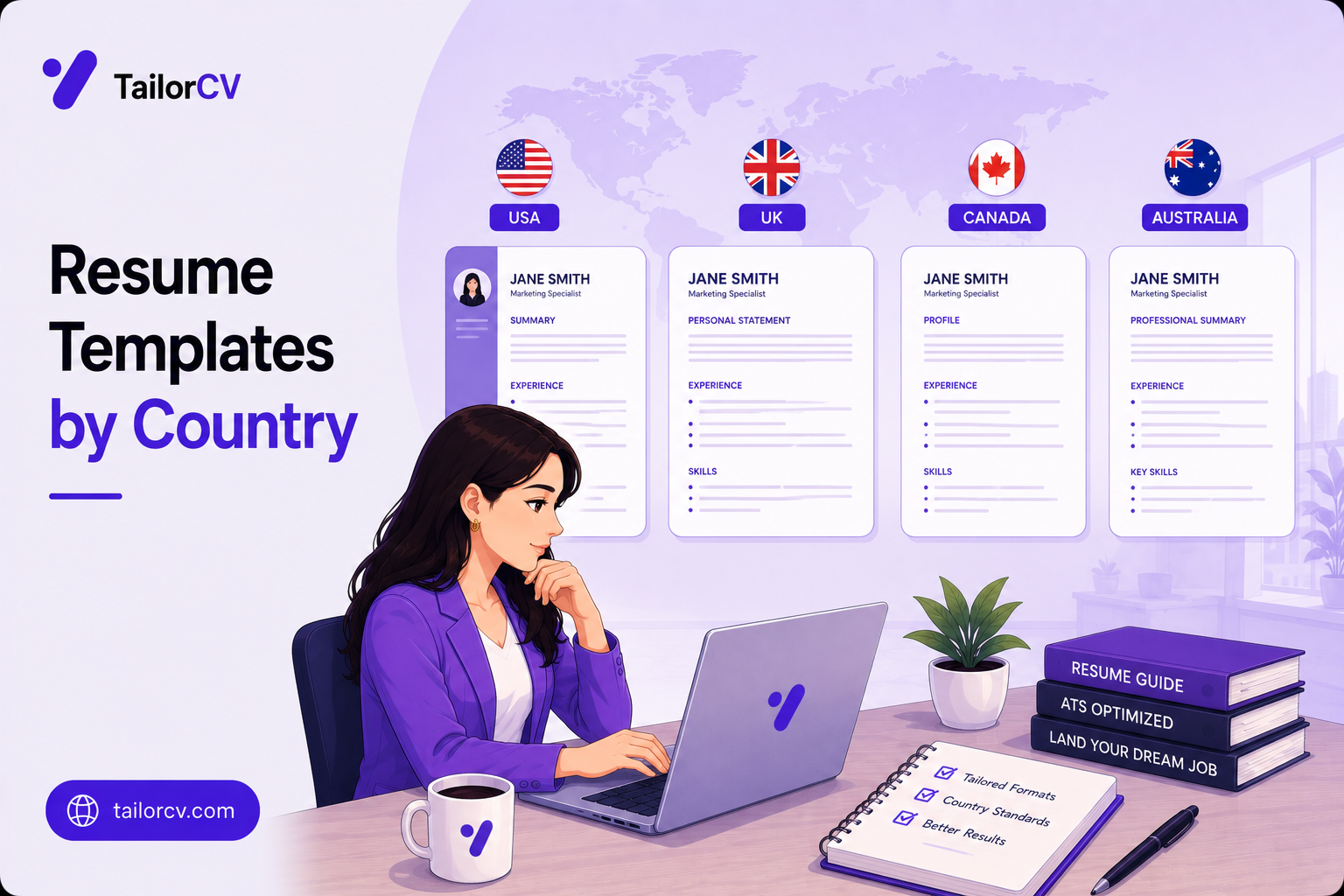
The same document that works in New York gets rejected in Zurich for missing a photo. A practical guide to picking a template that matches the market you are applying to.
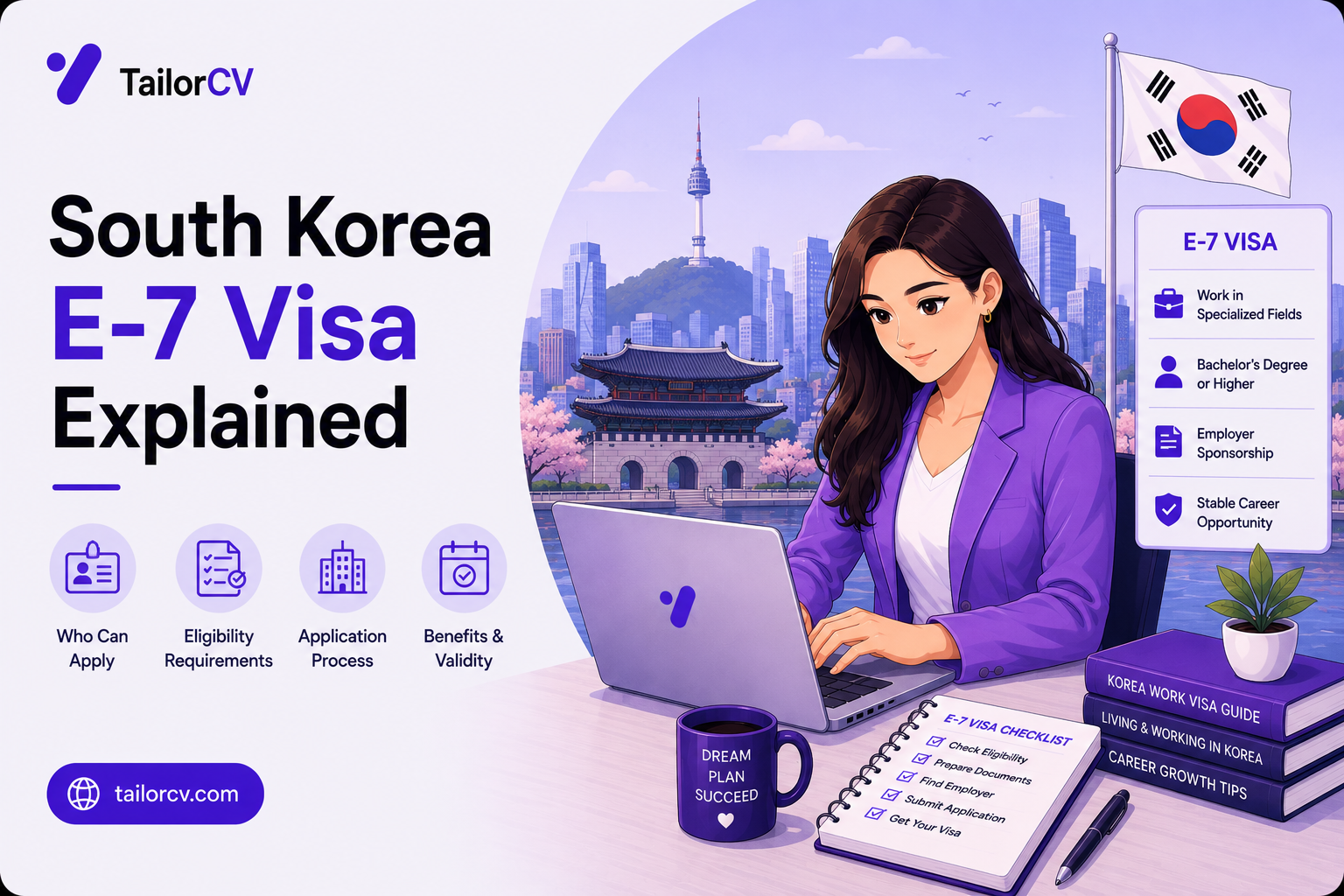
Korea's main professional work visa is tied to a specific occupation code, and your degree, your experience and the job description all have to line up with it. How that actually works.
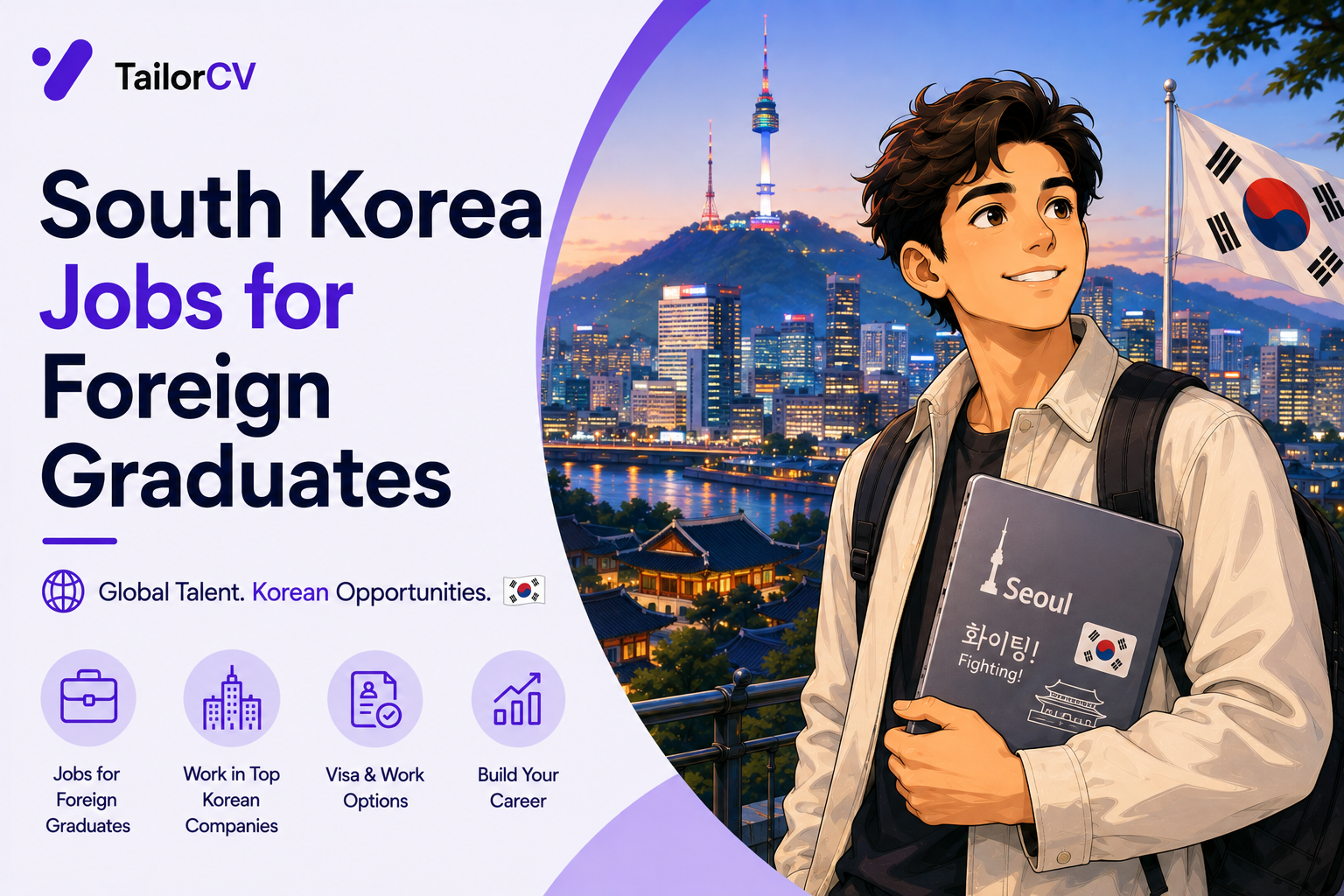
A market with world-class technology employers, a demanding professional culture, and a visa system where the job title on your contract matters more than almost anything else.
A structured, tabular document with a photo and personal details, plus a self-introduction essay that Western candidates have no equivalent for. What Korean employers actually expect.