
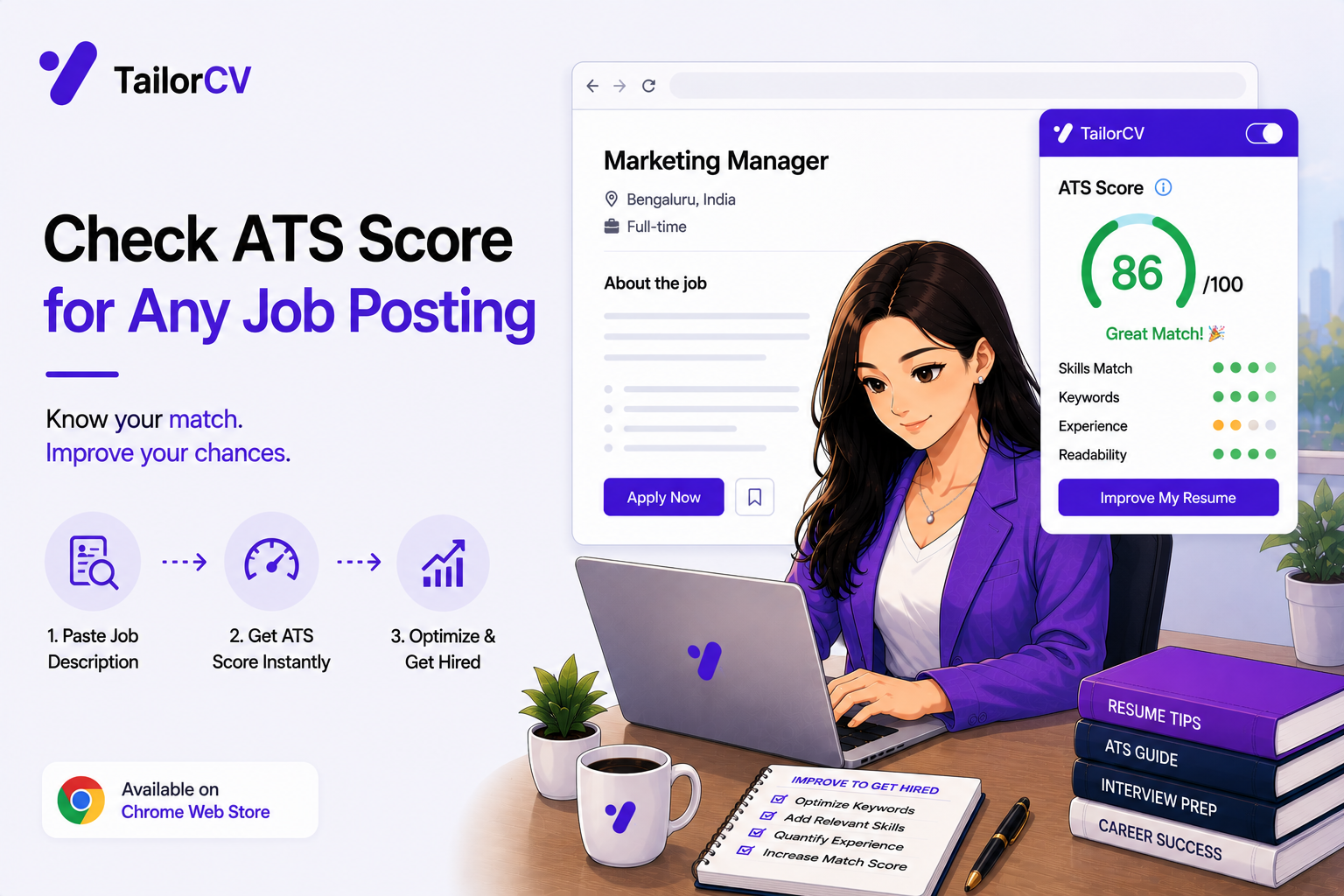
Getting an ATS Score on Any Job Posting Before You Apply
A match score between your resume and the job in front of you, calculated instantly and with no AI call. How to read it, and the more useful thing it tells you about your own resume.
Actionable guides to improve ATS score, resume quality, and job search outcomes.
A match score between your resume and the job in front of you, calculated instantly and with no AI call. How to read it, and the more useful thing it tells you about your own resume.
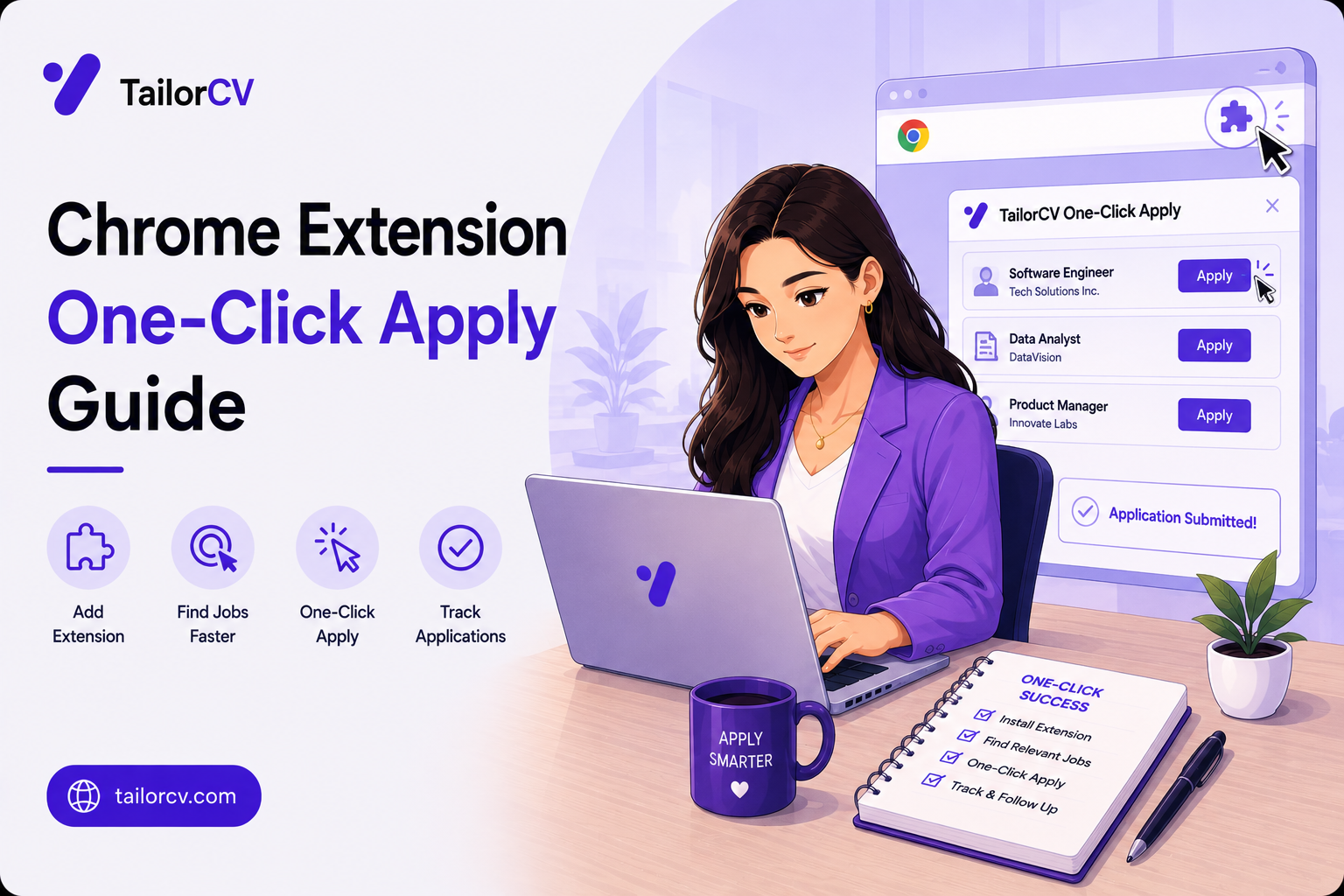
Tailored resume, matching cover letter, and the application form's open questions answered from your own material. What the extension actually automates and what it deliberately leaves to you.
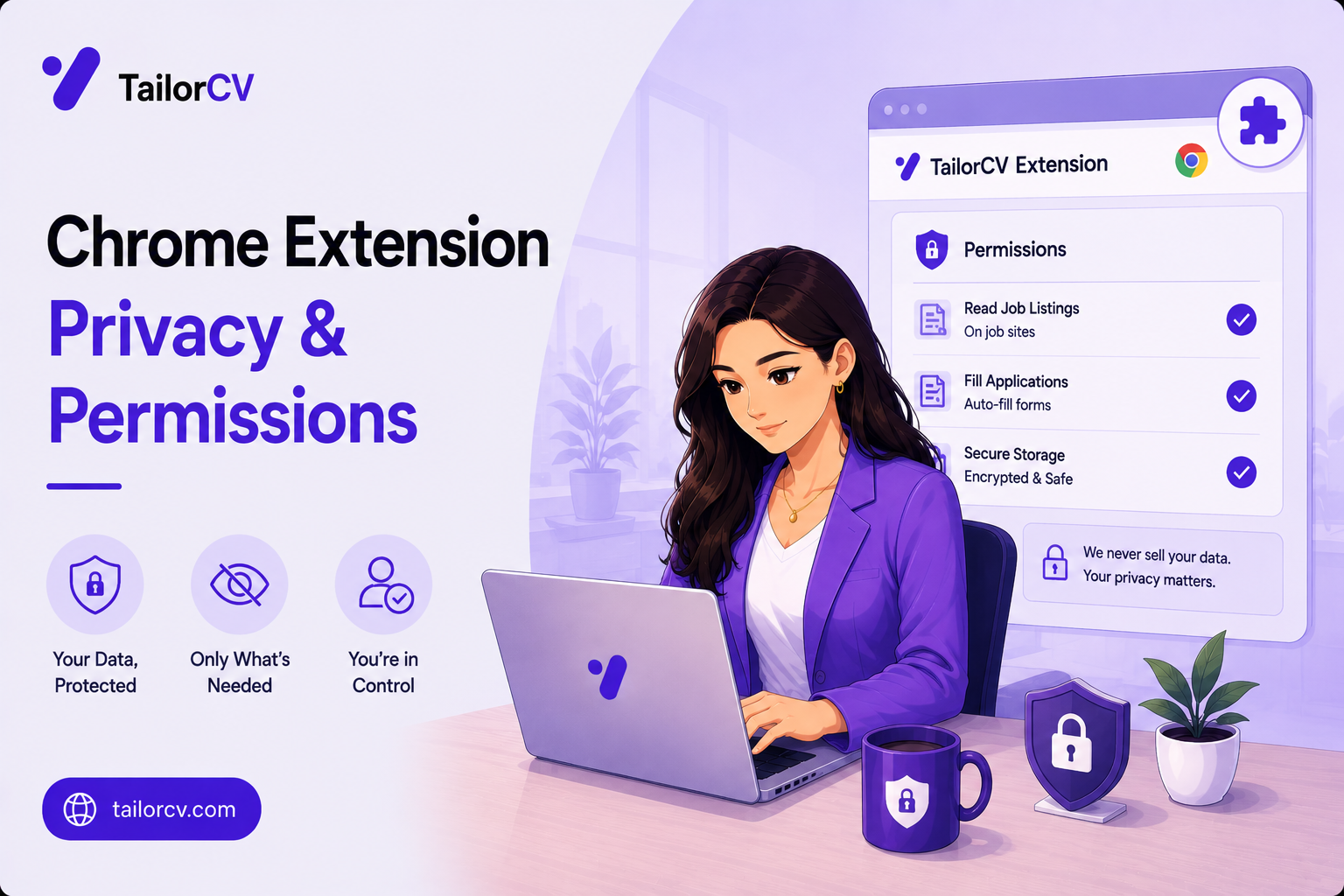
Every permission the extension requests, what each is actually used for, and what it explicitly does not read. Written so you can verify it rather than take our word for it.
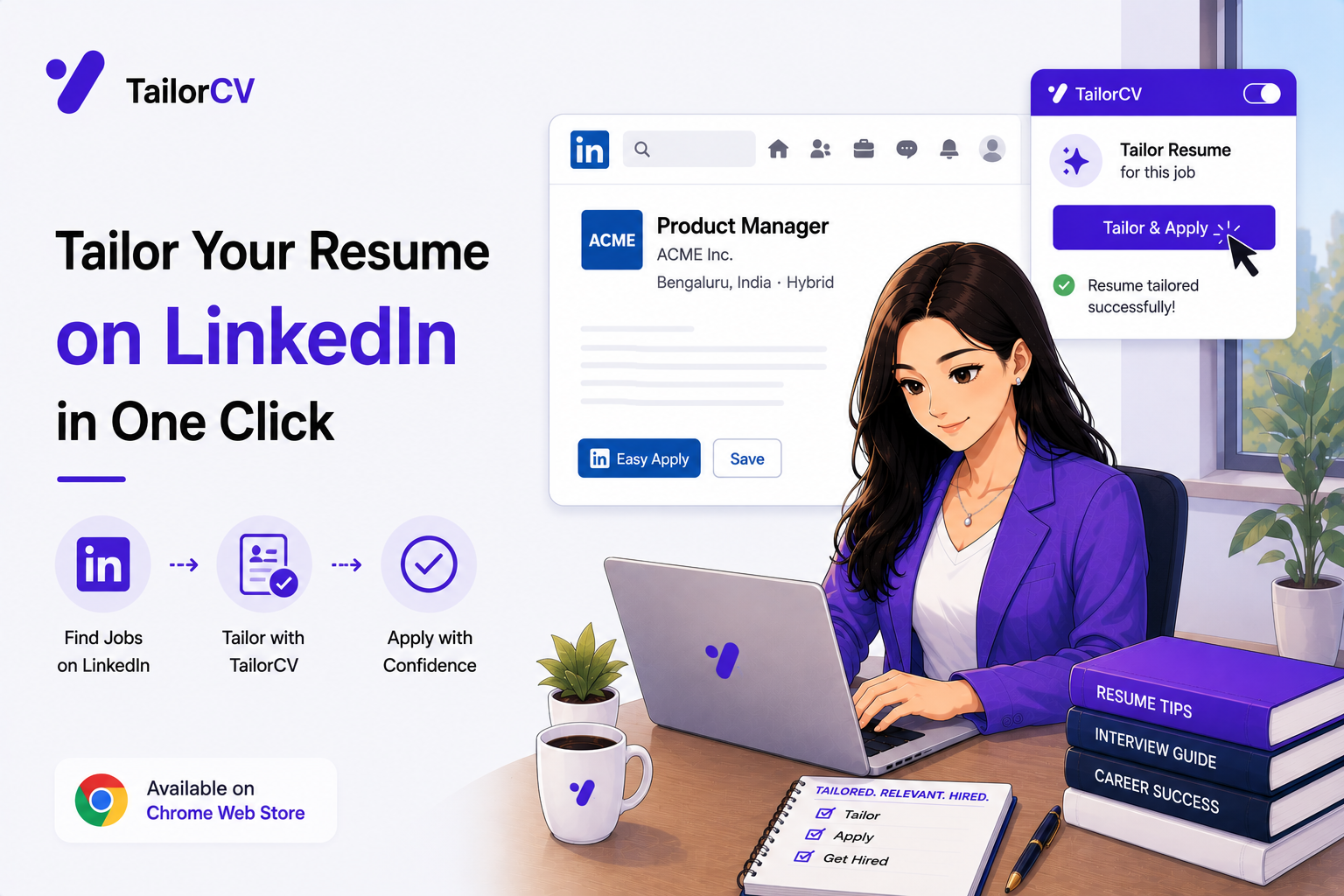
Open a LinkedIn job, click once, and get a resume rewritten for that specific posting as a downloadable PDF. How the TailorCV Chrome extension actually works on LinkedIn.
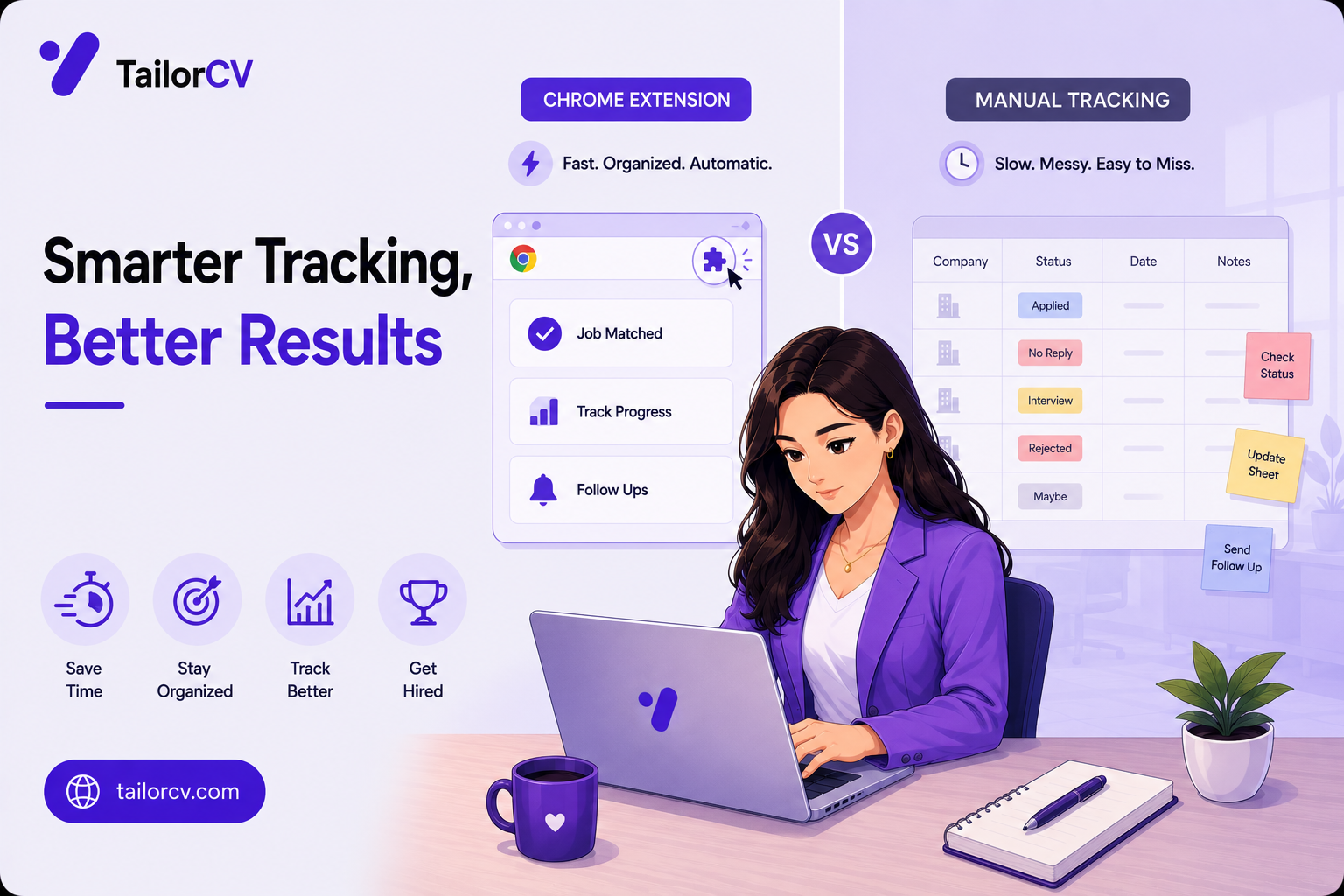
Everyone starts with a spreadsheet and almost everyone abandons it. Why manual tracking fails, and what automatic logging changes about a long search.
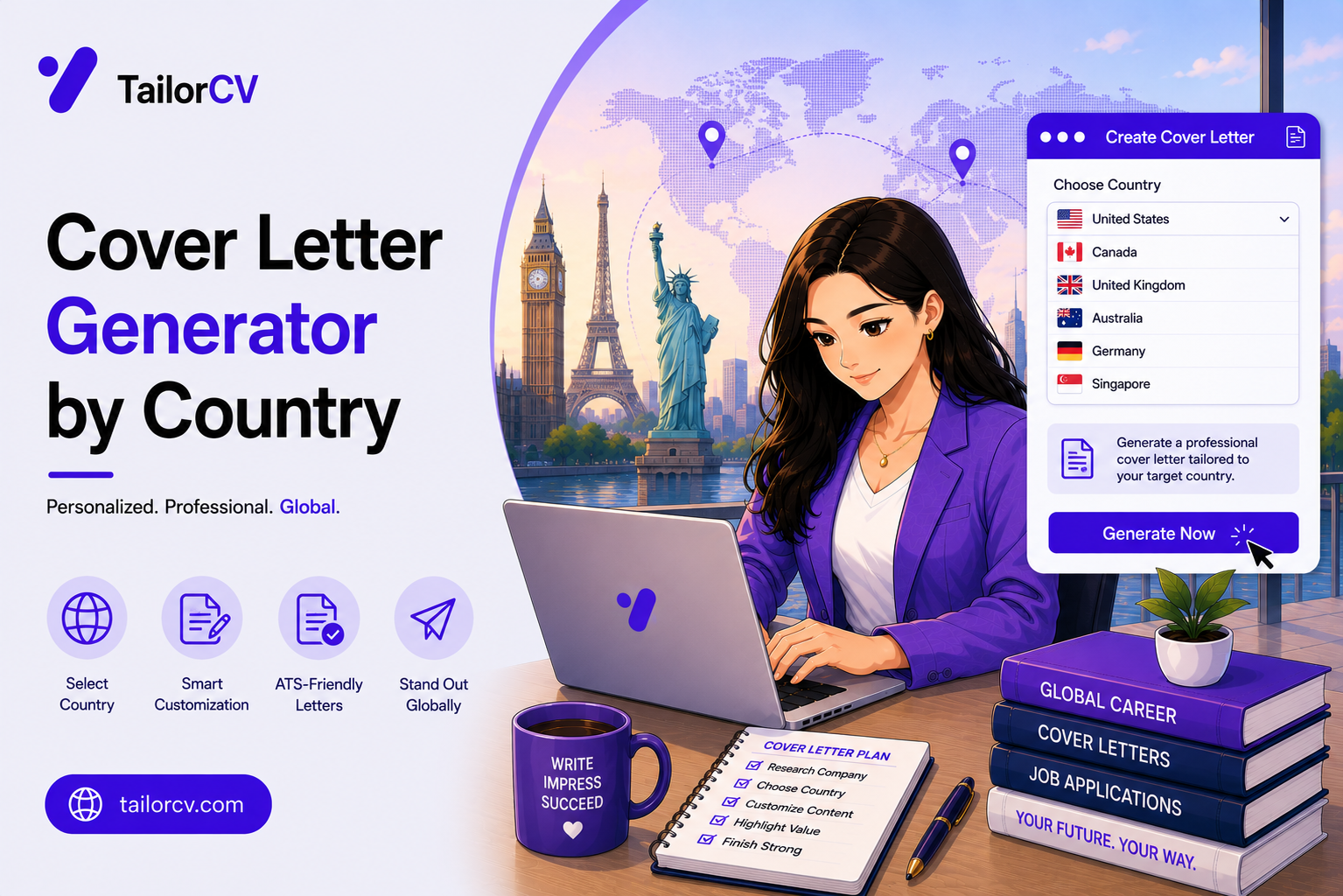
In some markets nobody reads it; in others it decides the application. Which countries take cover letters seriously, what each expects, and how to write one that fits.

Easy to hire, easy to fire, and cushioned by one of the strongest safety nets in the world. What Denmark's labour model means for a graduate, and where the jobs are.
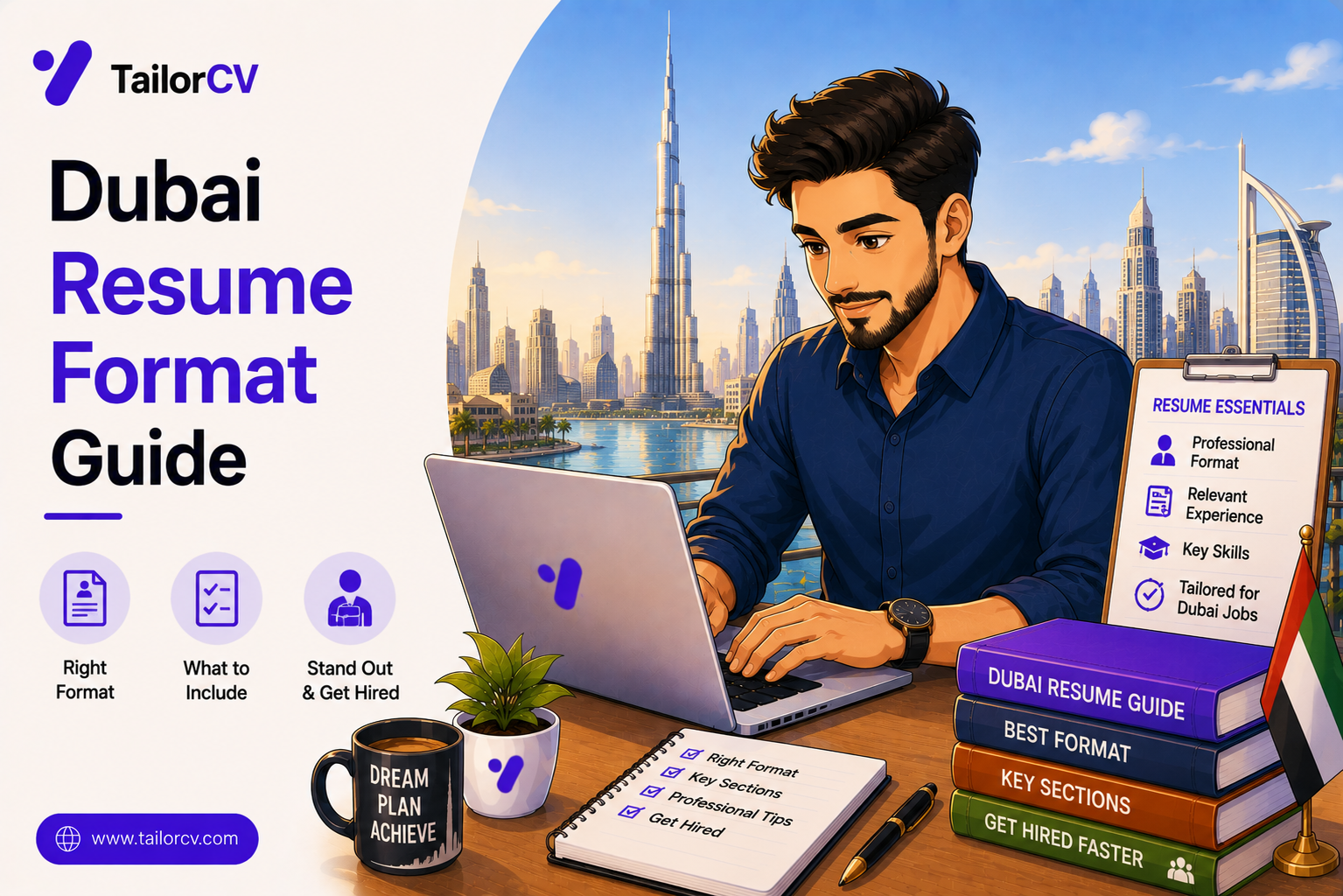
A market where a photo, nationality and visa status are conventional on a CV, and where the questions a recruiter needs answered are different from those in London or New York.
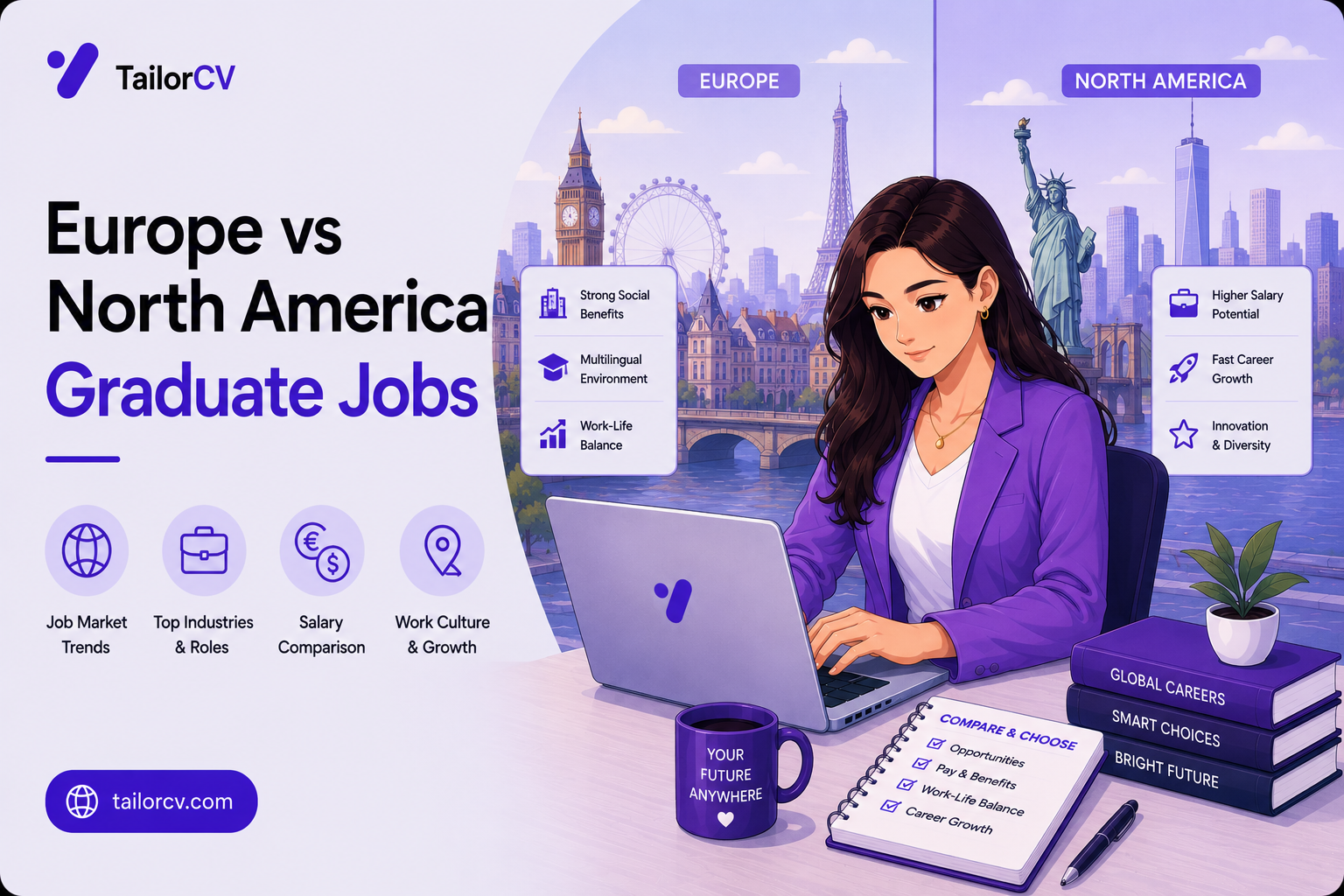
Higher pay and harder immigration on one side; lower pay, better protection and more open post-study routes on the other. An honest comparison for someone actually choosing.

One page, a photo that is optional but common, and a cover letter that is still genuinely read. What French recruiters expect and the conventions that quietly signal you understand the market.

A market where the school you attended follows you, where the contract type matters more than the salary, and where the talent passport quietly makes life much easier for some graduates.
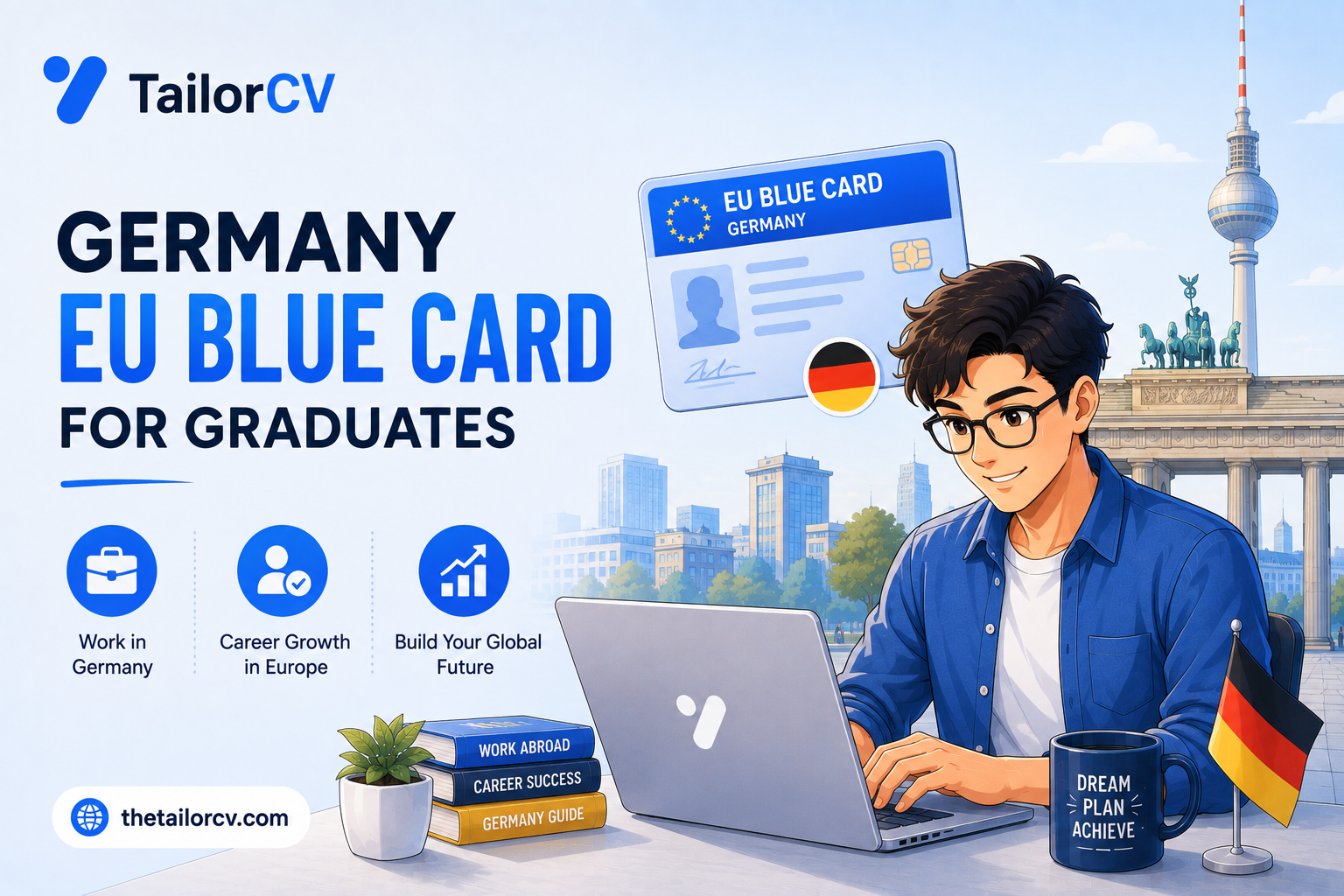
The Blue Card is the main long-term work route for graduates in Germany, and it turns on one number: whether your salary clears the threshold for your field. Here is how it works.

Germany hires graduates year-round rather than through a single campus season, and the Mittelstand employs more of them than the household names do. What that means for how you search.
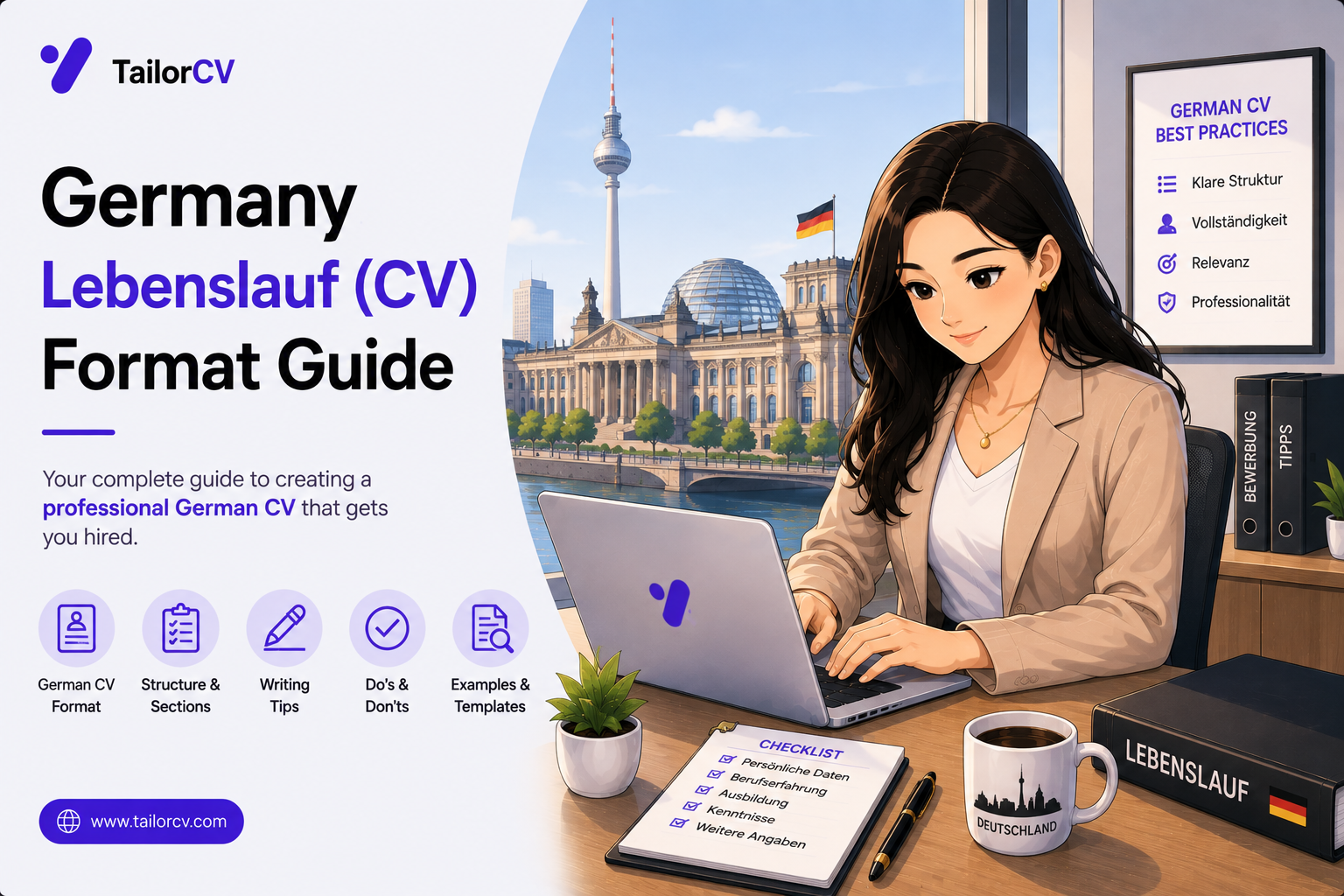
A German CV follows conventions a UK or US template gets wrong on almost every line, from the photo to the signature at the bottom. Here is what the format actually requires.
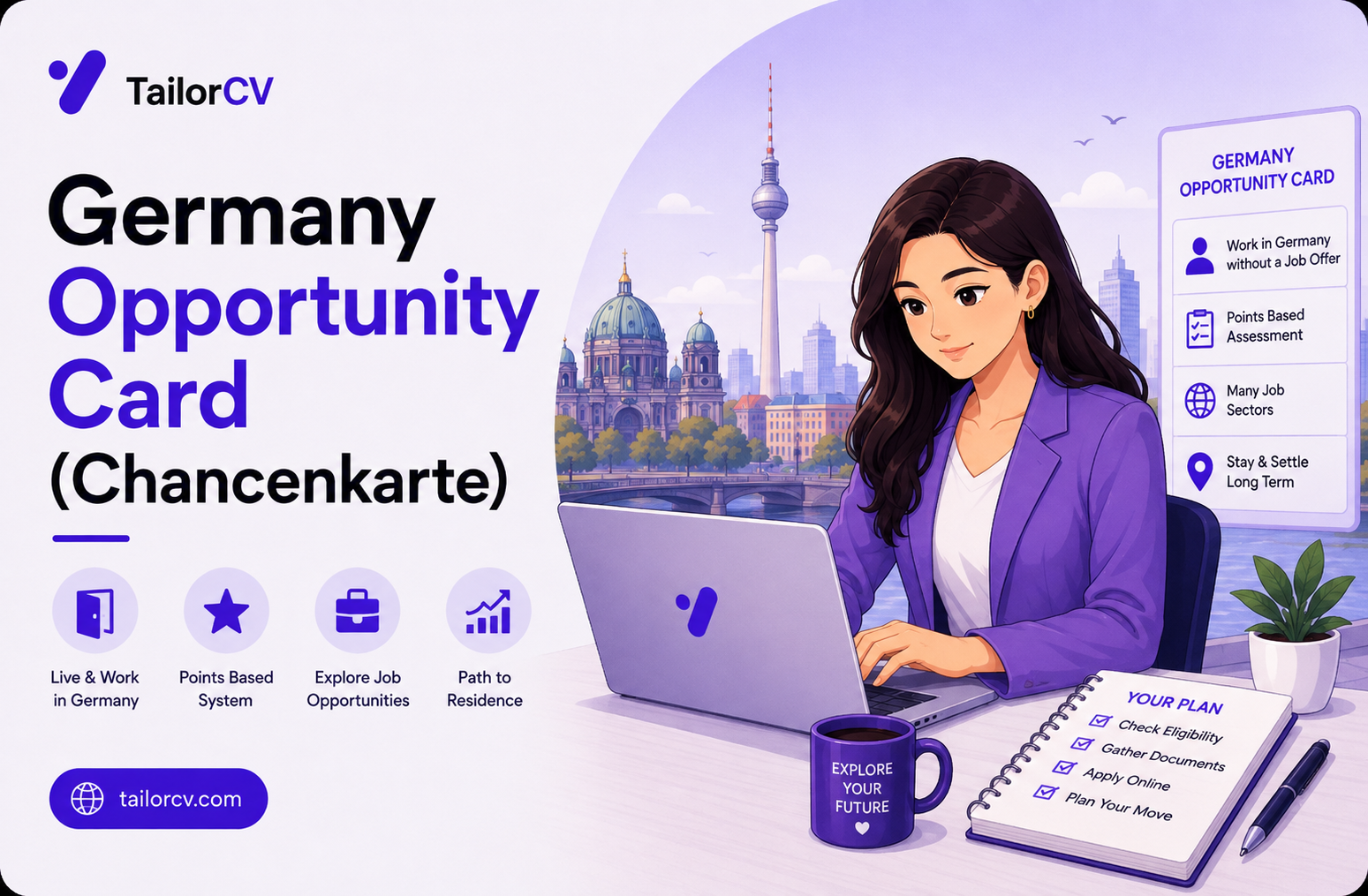
The Chancenkarte lets qualified people move to Germany to look for work before they have an offer, scored on a points system. What earns points, and who it actually suits.

Berlin and Munich are both major German tech hubs and they hire in almost opposite ways. Which one fits depends on your German, your risk appetite and what you want to build.

A small, dense, intensely competitive market where finance dominates, English is a working language, and the IANG visa gives local graduates an unusually open door.
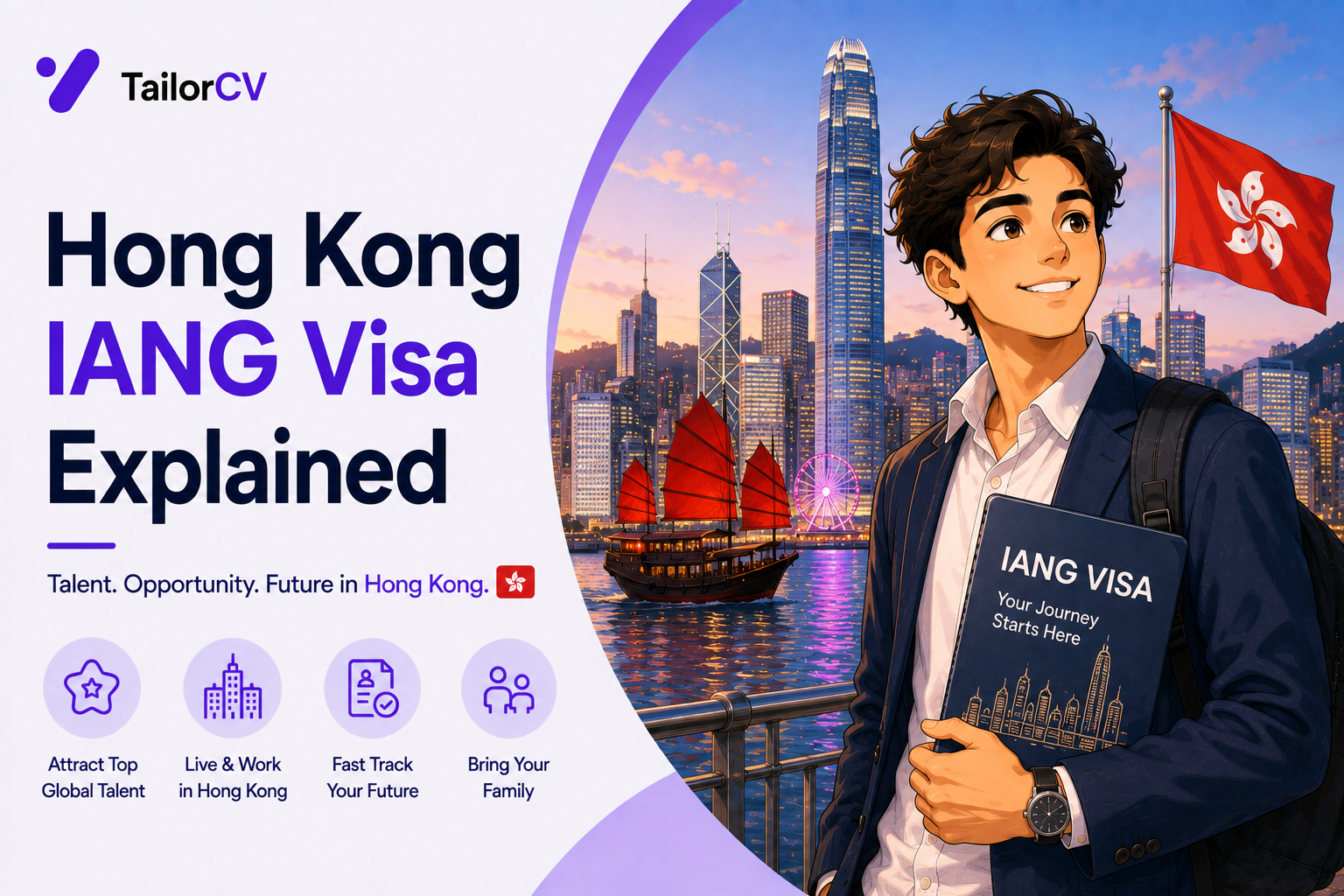
Graduate from a Hong Kong institution and you can work for anyone, in anything, with no employer sponsorship. The most open post-study route in Asia, and how it leads to permanent residency.

Dublin holds the European headquarters of half of American technology, Cork and Galway hold pharma and medtech, and EU citizens can start tomorrow. What that means for a graduate.

Almost every large American technology company runs its European operation from Dublin. That creates an unusual job market — and an unusual set of traps for a graduate reading job titles.