
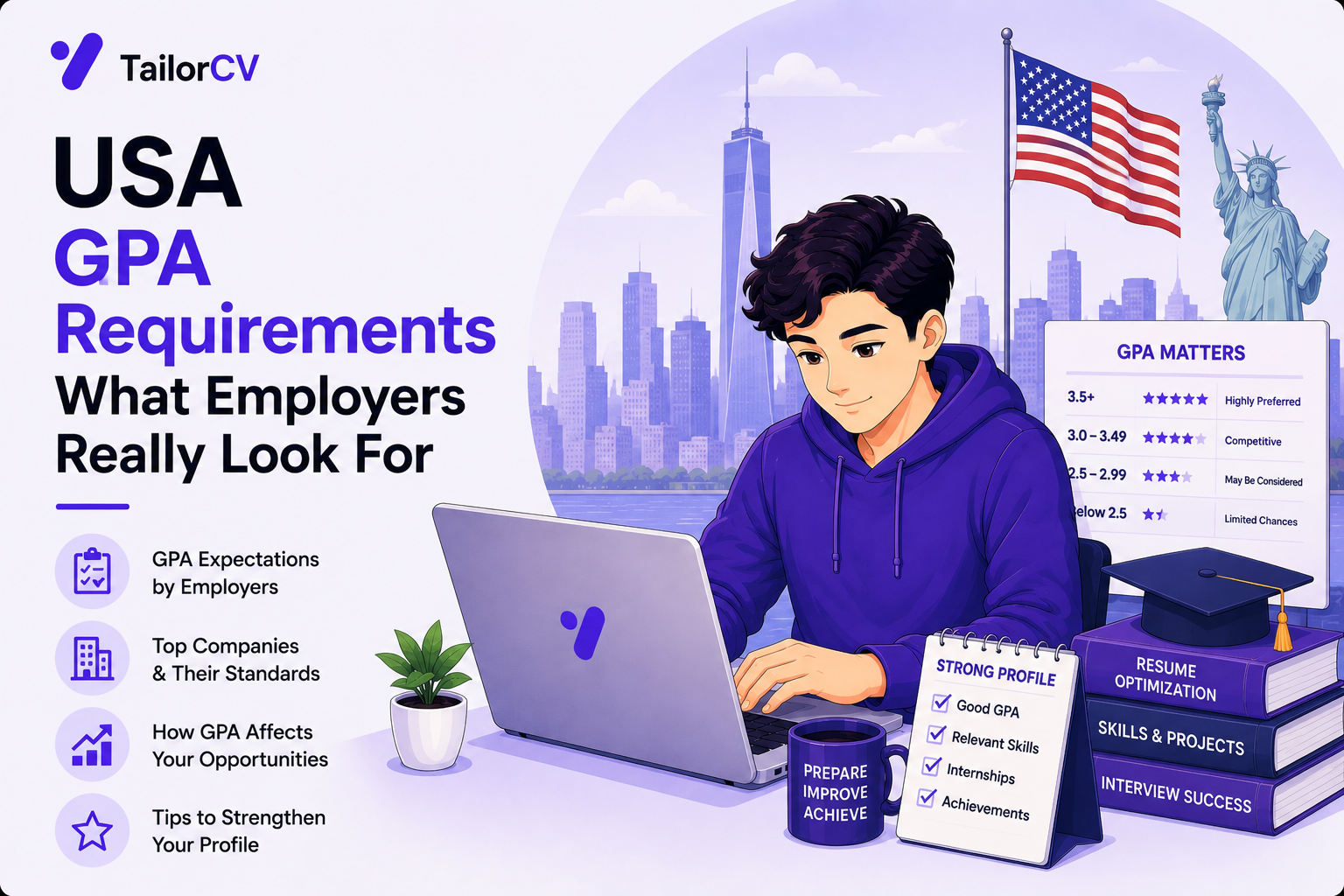
Do US Employers Actually Check Your GPA? What the Cutoffs Mean
Which industries screen on GPA, what a stated 3.0 minimum really does, when to leave it off your resume, and how to compete when your grades are the weak part.
Actionable guides to improve ATS score, resume quality, and job search outcomes.
Which industries screen on GPA, what a stated 3.0 minimum really does, when to leave it off your resume, and how to compete when your grades are the weak part.
How the H-1B cap and lottery actually work for international students, why the STEM extension changes your odds so much, and the cap-exempt employers most graduates never consider.
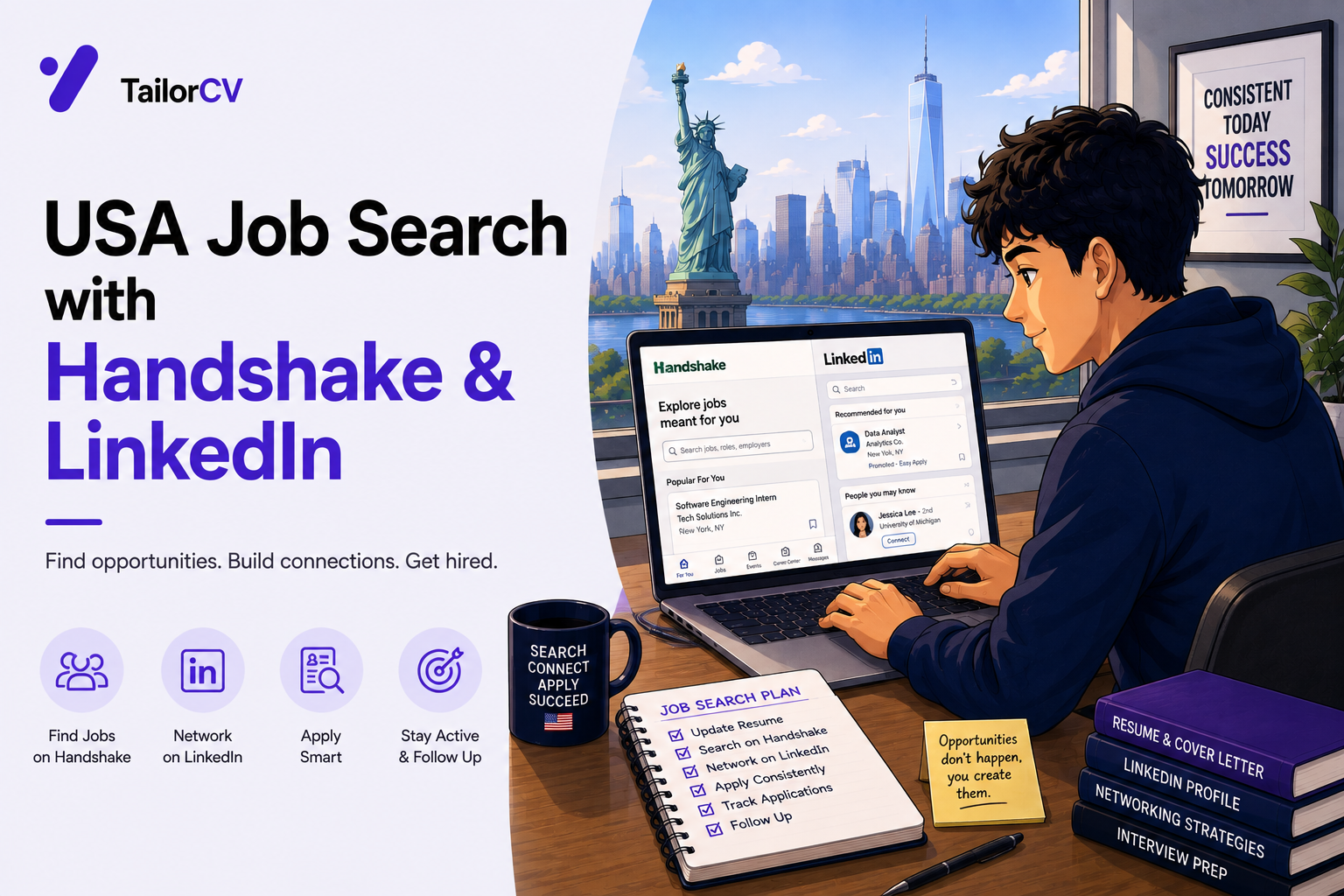
Each channel surfaces different roles and screens differently. Which to use for what, why company career pages beat aggregators, and how to avoid applying to the same job twice.
The return offer is the main route into large US employers. What conversion rates really look like, what interns are actually judged on, and how to read the signals mid-summer.
Target school lists are about recruiter logistics, not candidate quality. The four channels that replace on-campus access, and what to prioritise when nobody visits your campus.

Base salary is often fixed for campus cohorts, but signing bonus, start date, location and team usually are not. What to ask for, how to ask, and when not to.
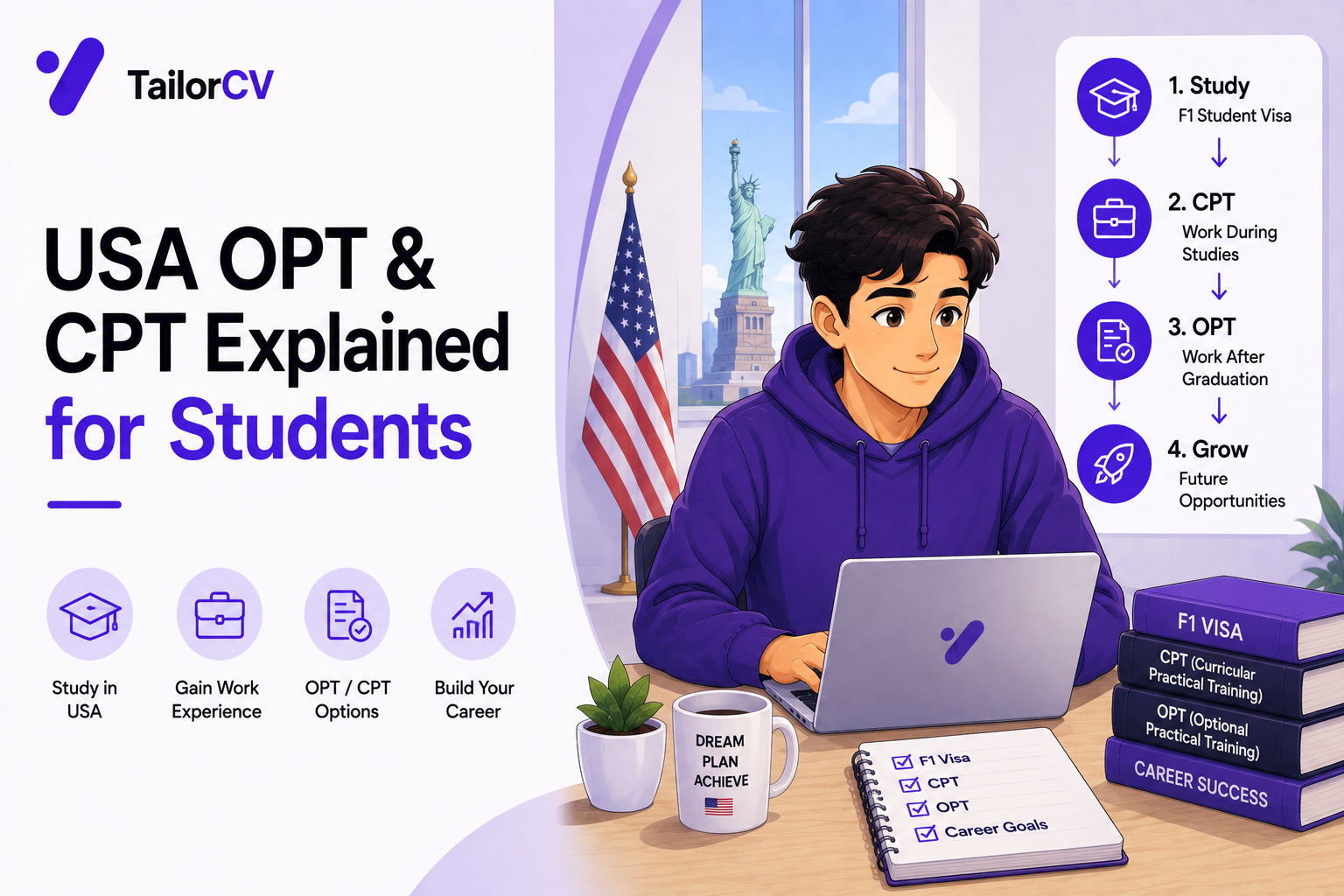
What CPT and OPT actually allow, how the 90-day unemployment clock works, why STEM OPT changes your odds, and the paperwork deadlines that cost students their status.
Offers get pulled for hiring freezes, background checks and reorganisations. What to ask, what you may be owed, and how to restart a search from a standing start.
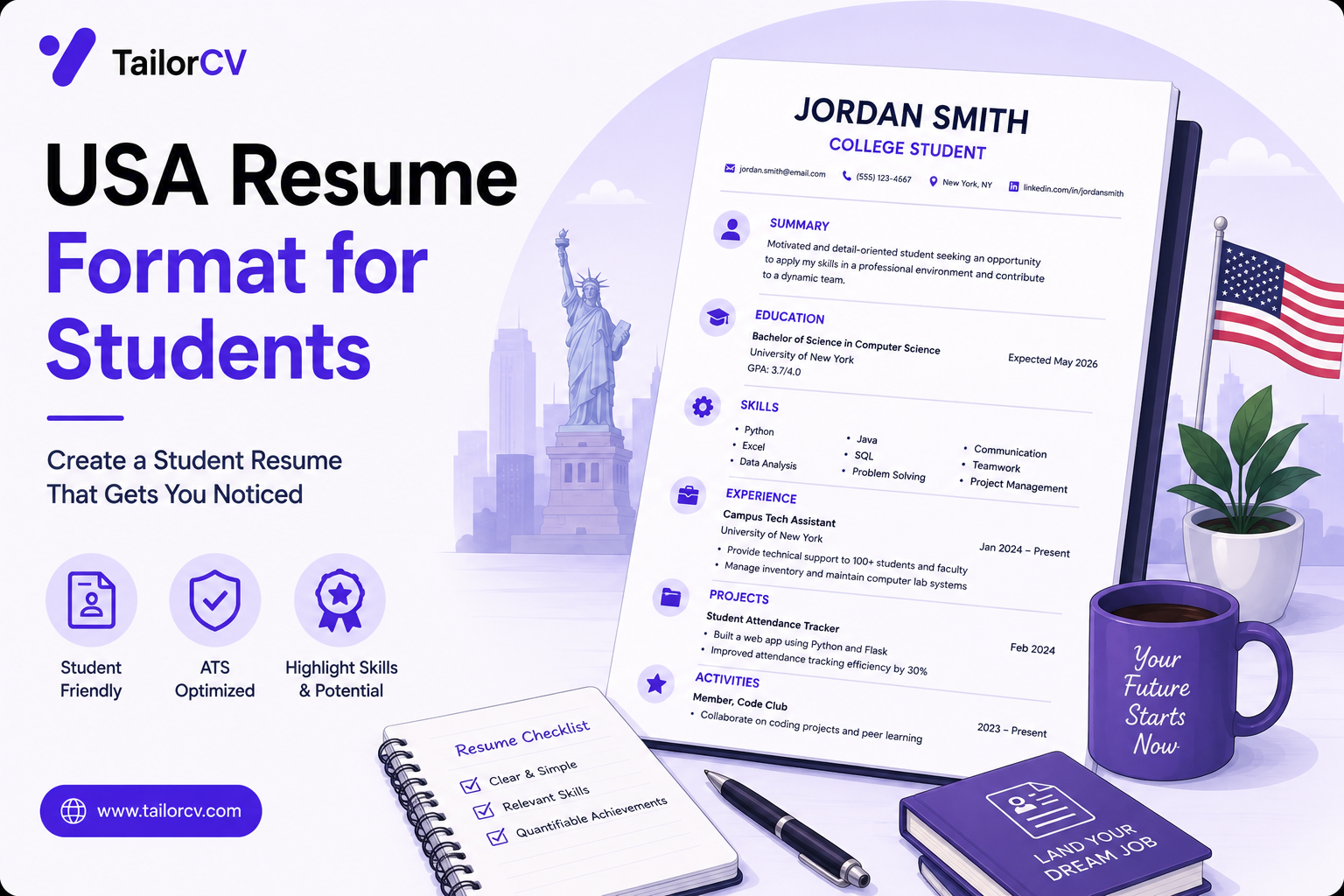
One page, no photo, no personal details, and reverse chronological. The specific conventions that differ from other countries, and why breaking them costs interviews.
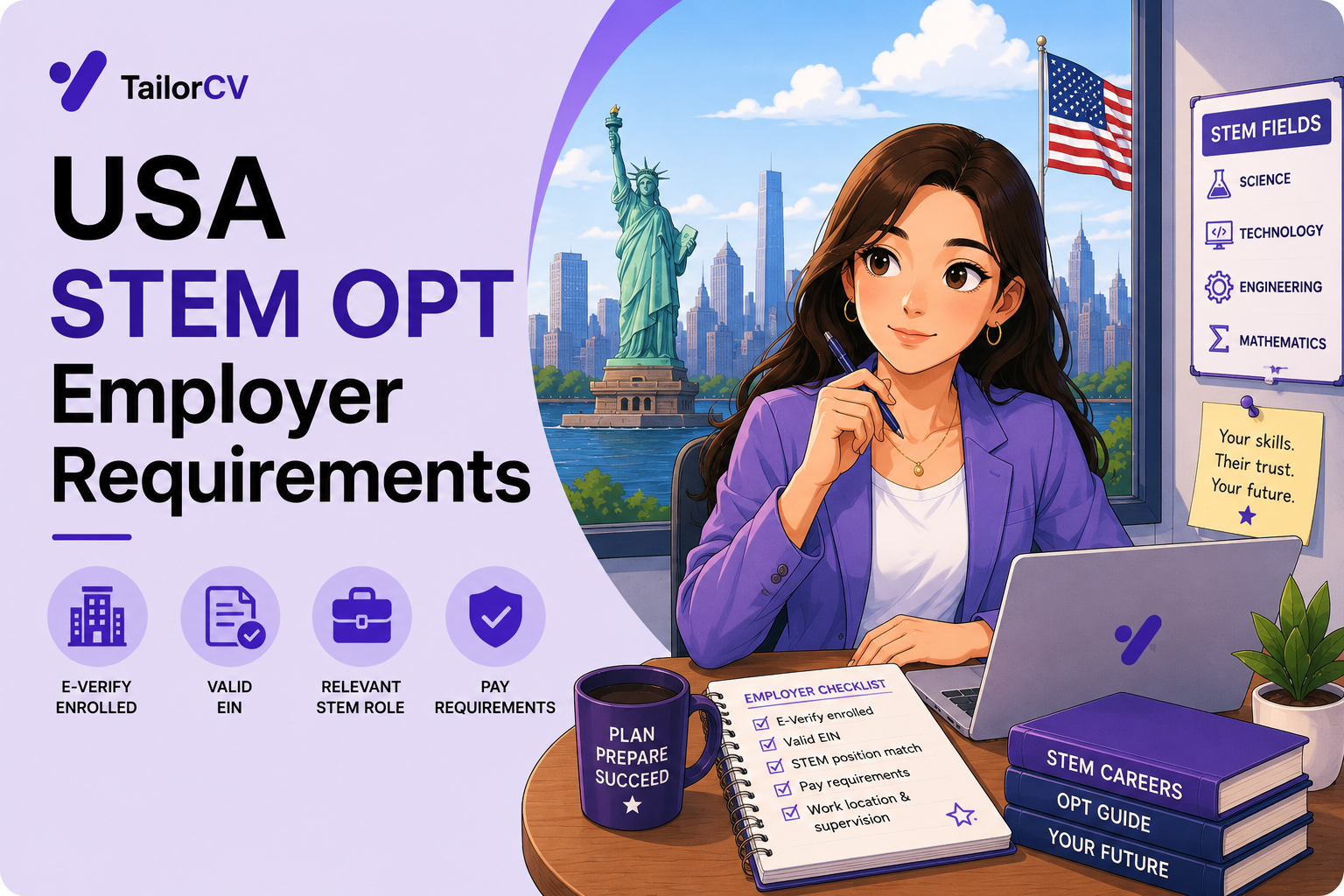
The 24-month extension needs an E-Verify employer and a signed training plan. What that rules out, how to check before applying, and how to raise it without losing the offer.
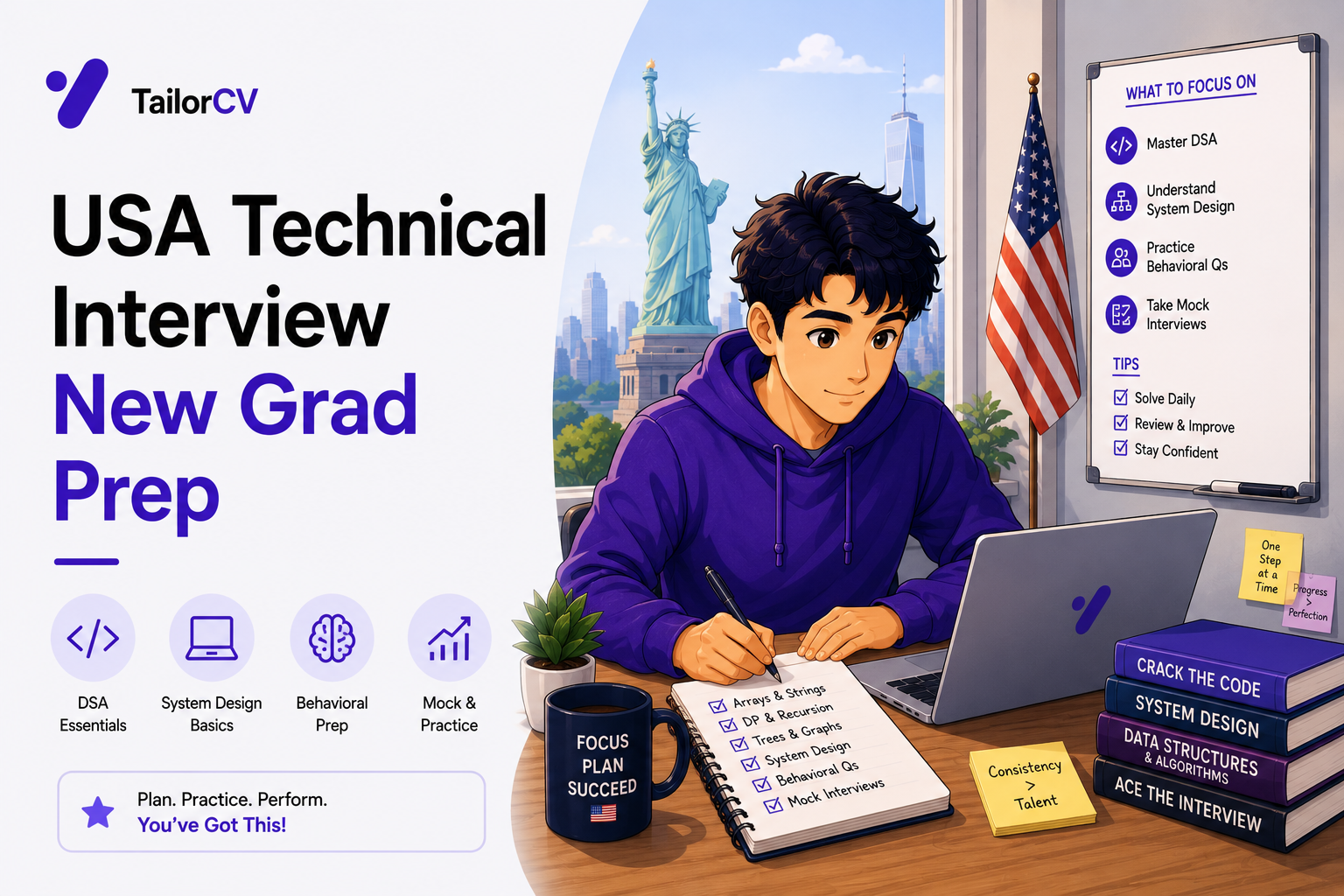
The online assessment, the phone screen and the onsite loop each test different things. What to prioritise with limited time, and why communication scores as heavily as the solution.
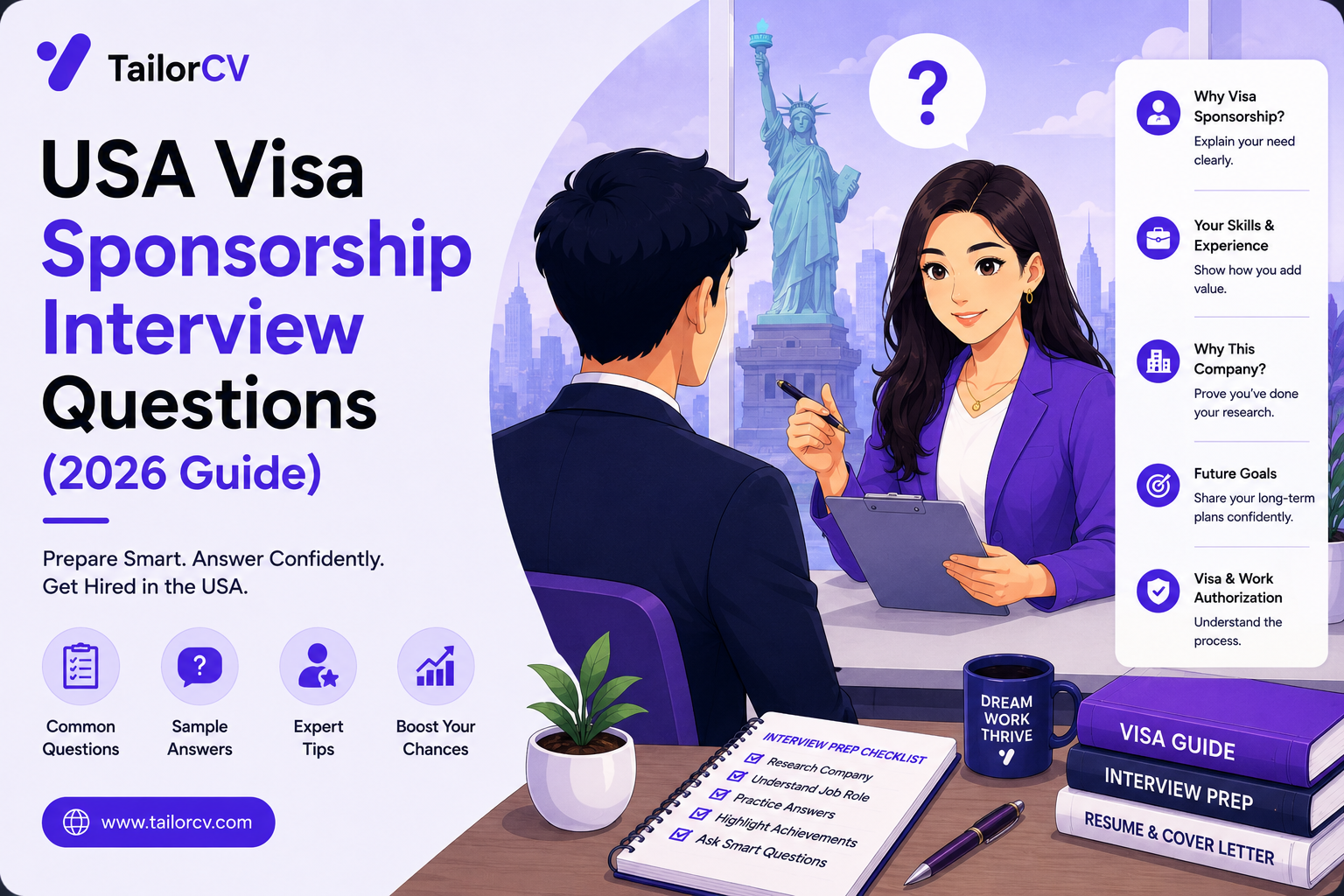
Employers ask two different sponsorship questions and they mean different things. How to answer both precisely, when to raise it yourself, and what not to say.
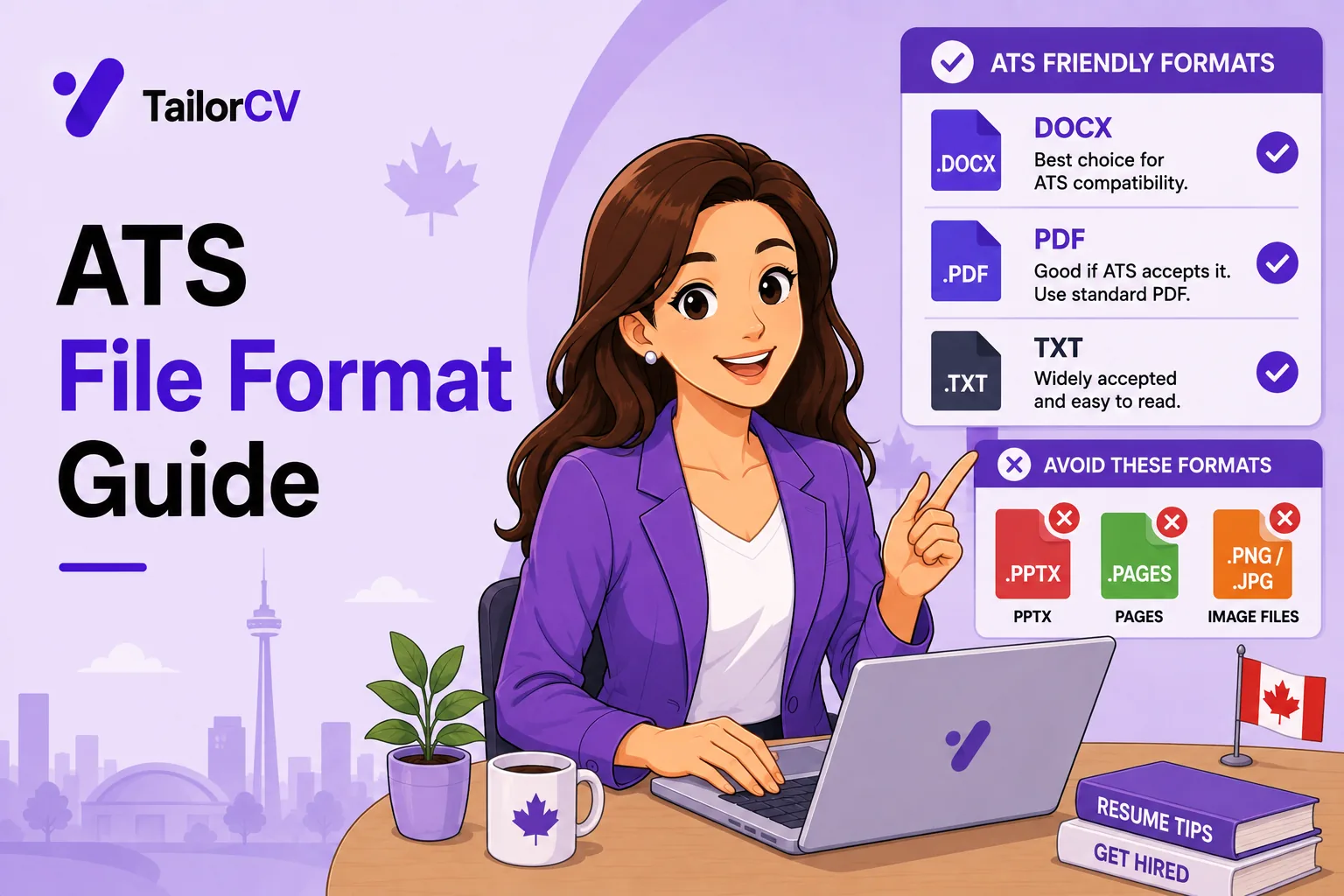
Which file format to submit, why image-based PDFs fail completely, when agencies want Word, and the one test that tells you whether your resume is readable at all.
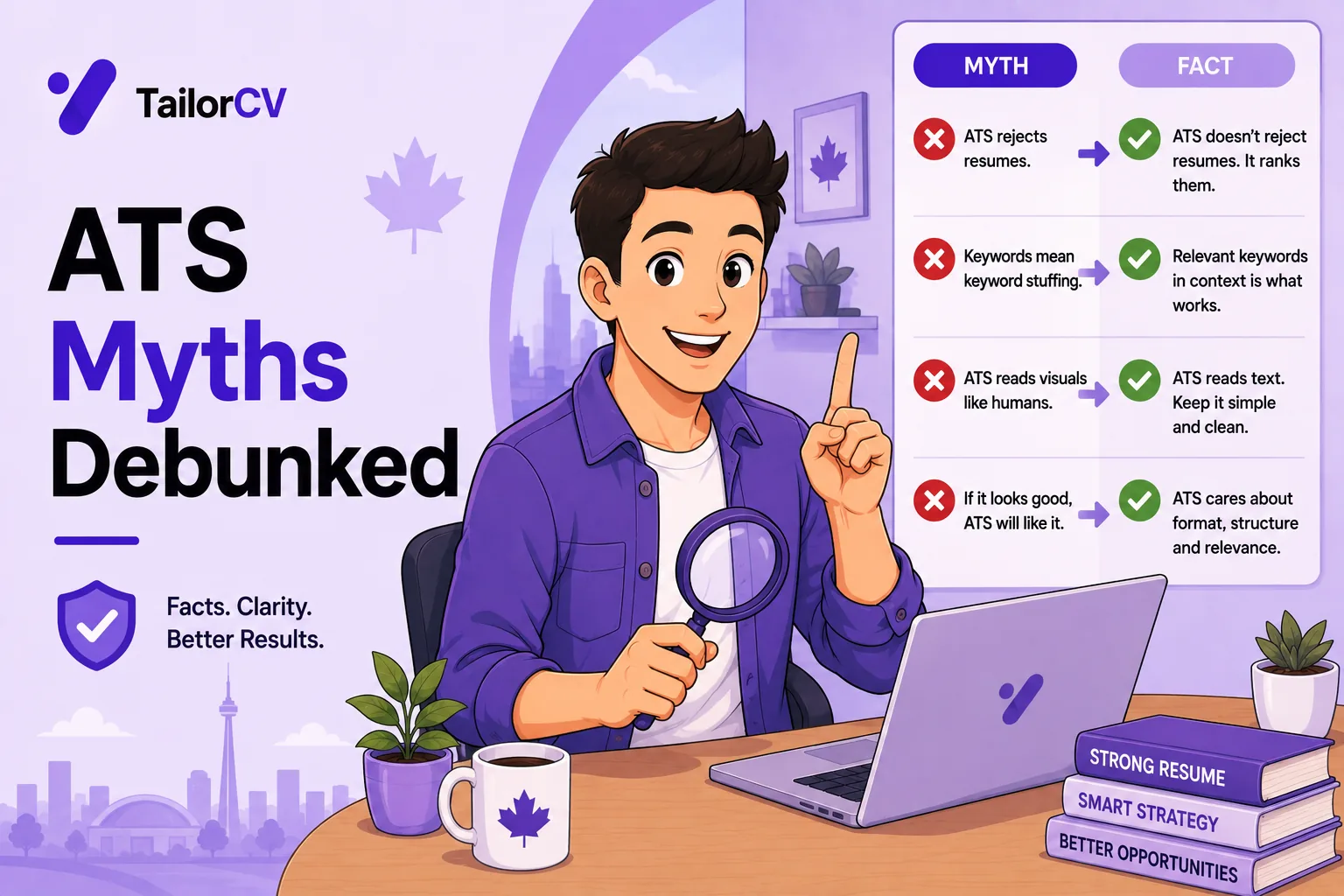
Most ATS advice online is wrong or a decade out of date. What these systems really do, which "tricks" are actively harmful, and what genuinely affects whether your resume is read.
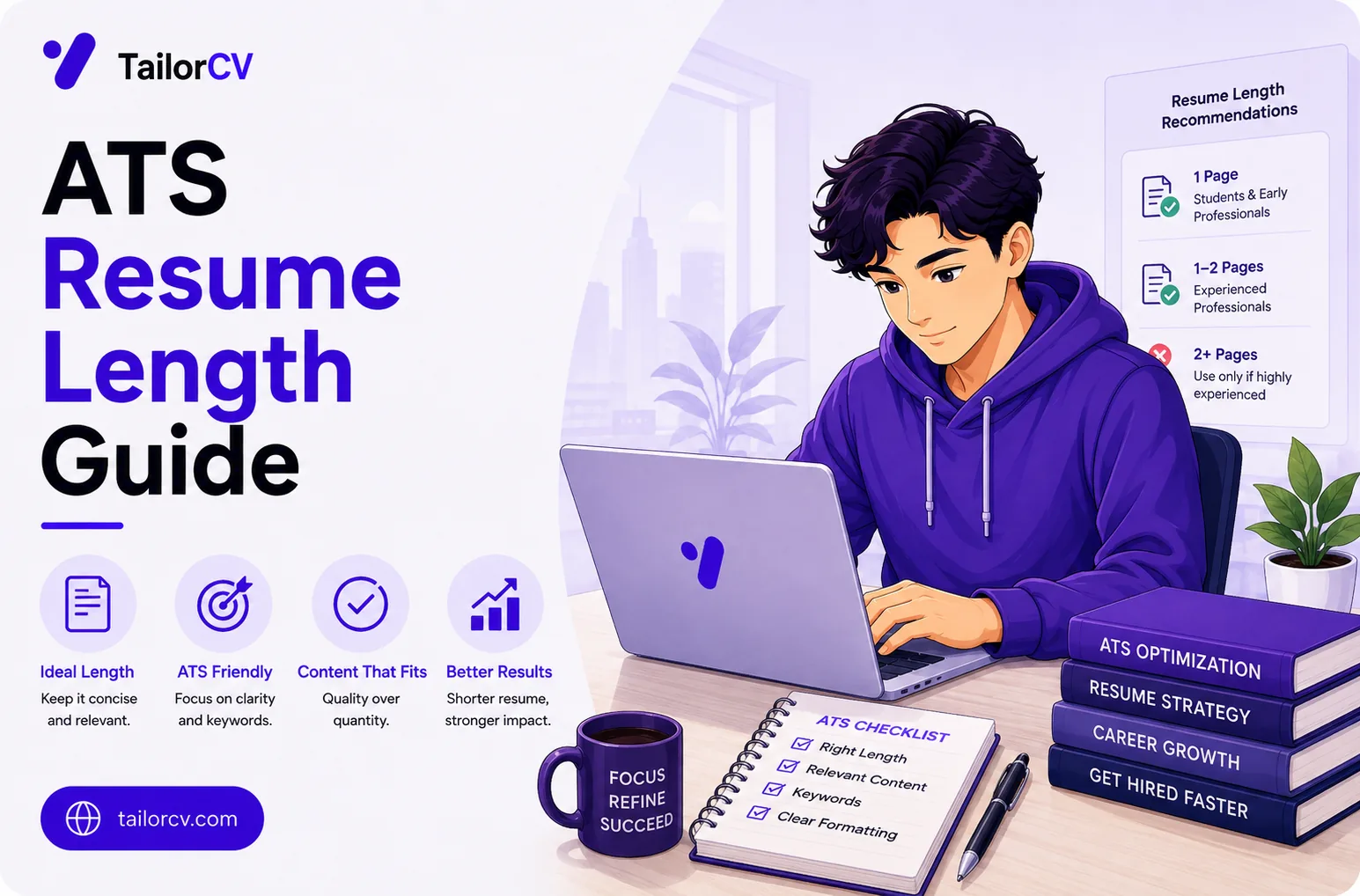
The one-page rule is American convention, not an ATS requirement. What length parsers handle, what different markets expect, and how to cut without losing evidence.
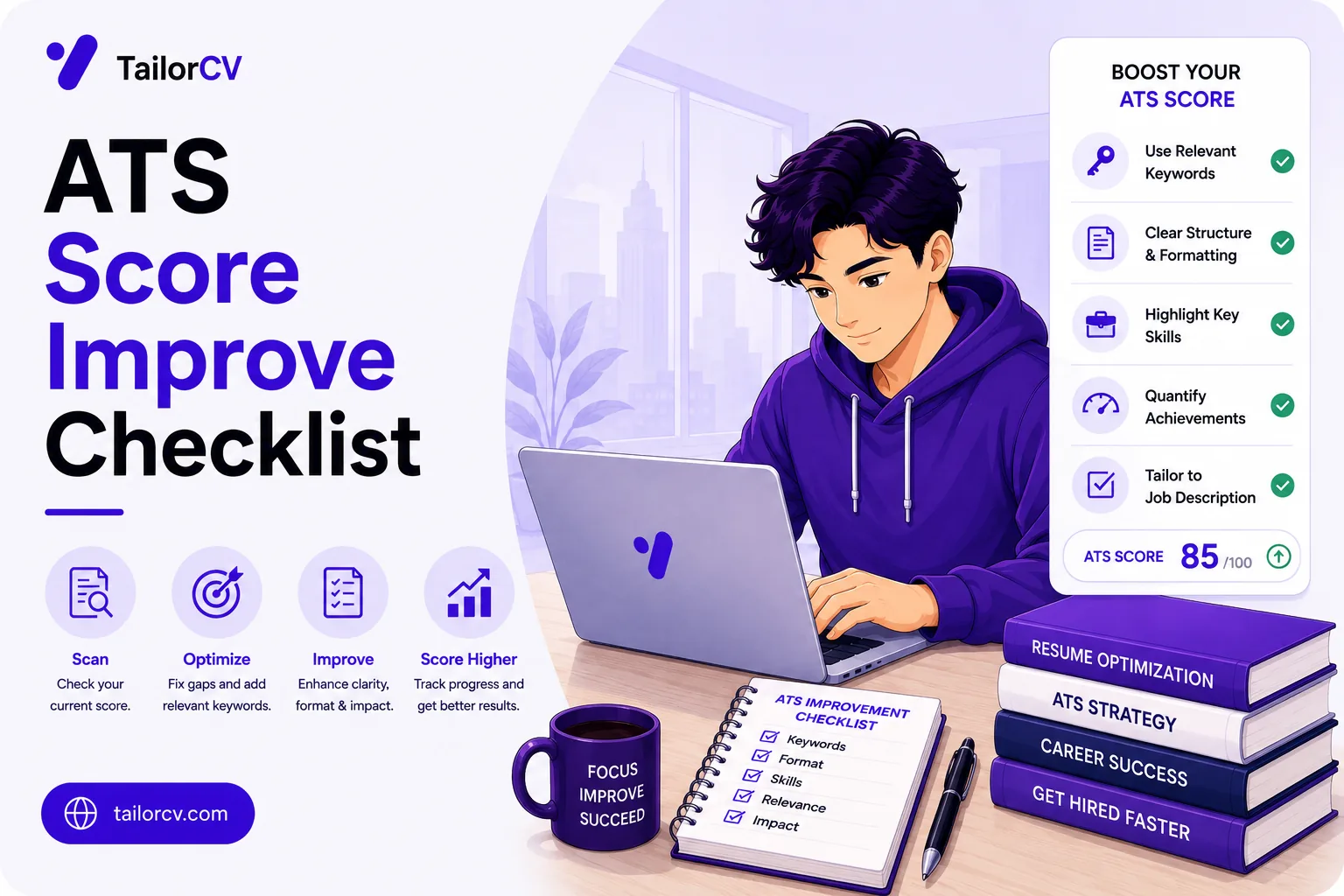
A practical checklist for improving how your resume performs against screening - structure first, keywords second, evidence third - with the highest-impact fixes at the top.
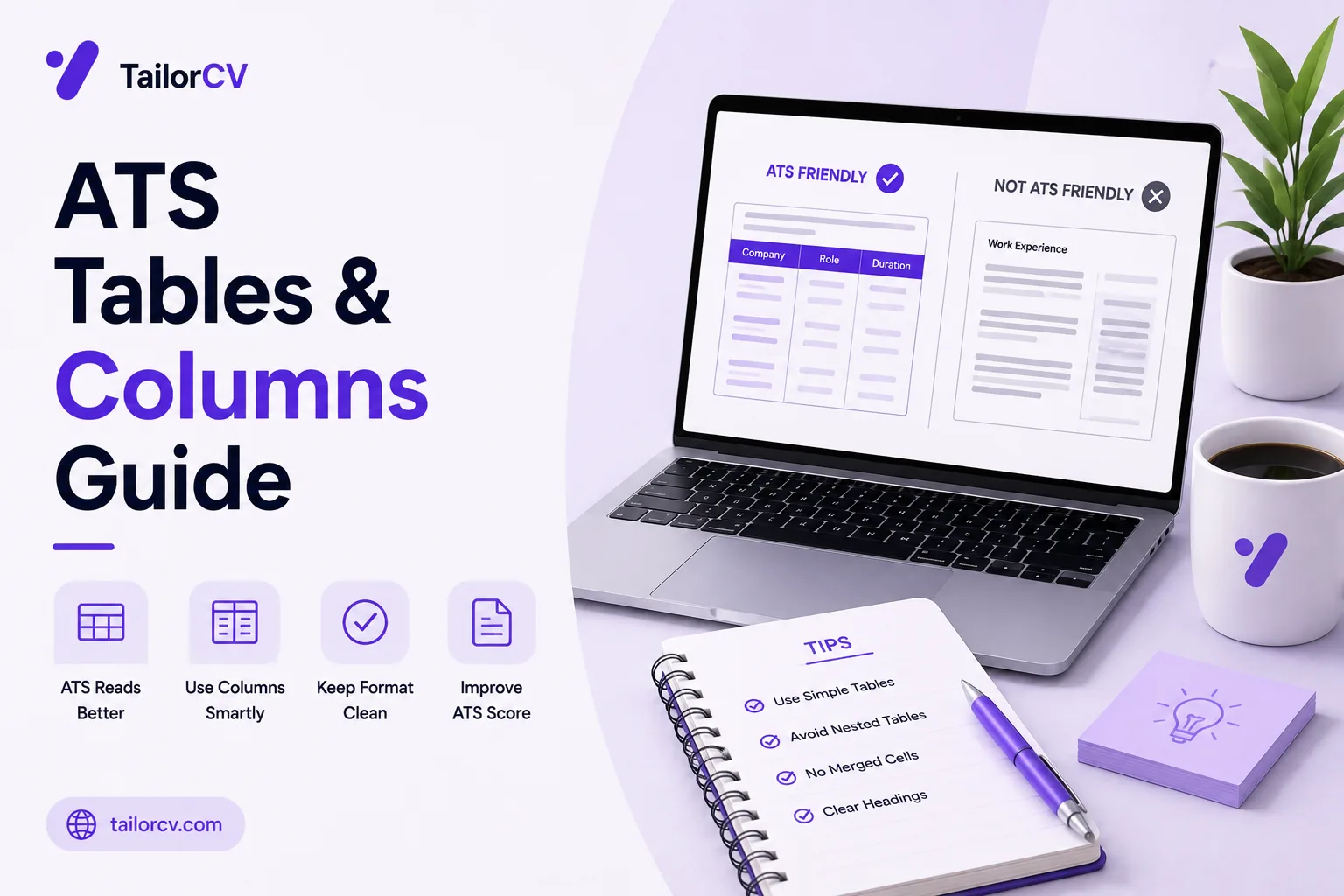
Multi-column resumes and tables are the most common cause of parsing failure. What actually happens to your text, how to spot it, and what to use instead.

Austin drew a decade of tech relocations for no state income tax and cheaper housing. What the market looks like now, which companies actually hire, and whether the cost advantage still holds.
San Francisco and Silicon Valley remain the highest-paying tech market in the world and the most expensive. What actually hires, how compensation is structured, and whether the numbers work.
Birmingham has the largest professional services sector outside London, plus manufacturing, public sector relocations and a growing tech scene. What hires and how it compares.