

Choosing Where to Study Abroad if the Goal is a Job Afterwards
Course quality matters less than post-study work rights, employer demand and how the local hiring calendar works. What to weigh before committing to a country.
Actionable guides to improve ATS score, resume quality, and job search outcomes.
Course quality matters less than post-study work rights, employer demand and how the local hiring calendar works. What to weigh before committing to a country.

Bank account, tax number, housing, healthcare and the documents you will need years later. What to sort before day one and in the first month, in the US, UK, Canada and Singapore.

Four countries, four very different bargains for international graduates. Who controls the permit, how long you get, and what it takes to stay longer.

An internship in your study country solves the two things employers hesitate over. When to apply, which work authorisation applies, and what to do if you cannot get one.
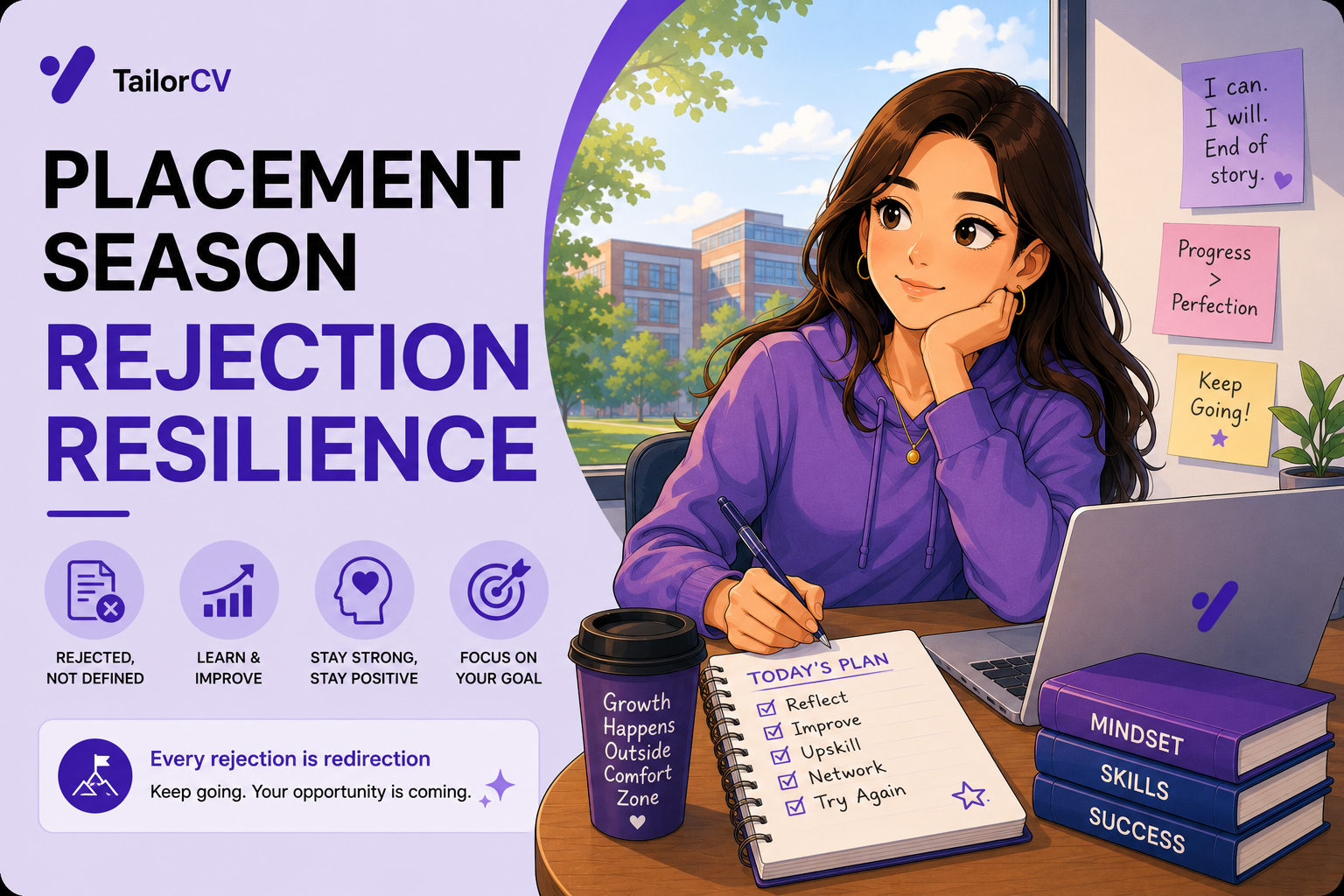
Most applications end in silence, and that is normal arithmetic rather than a verdict. How to read rejections accurately, when to change strategy, and how to keep going.

A foreign degree is an advantage at home only if you explain it in local terms. How employers actually read it, what genuinely transfers, and when to start applying.

Which pass a fresh graduate realistically qualifies for, why qualifying salary rises with age, what the points-based assessment changed, and how this shapes who will hire you.
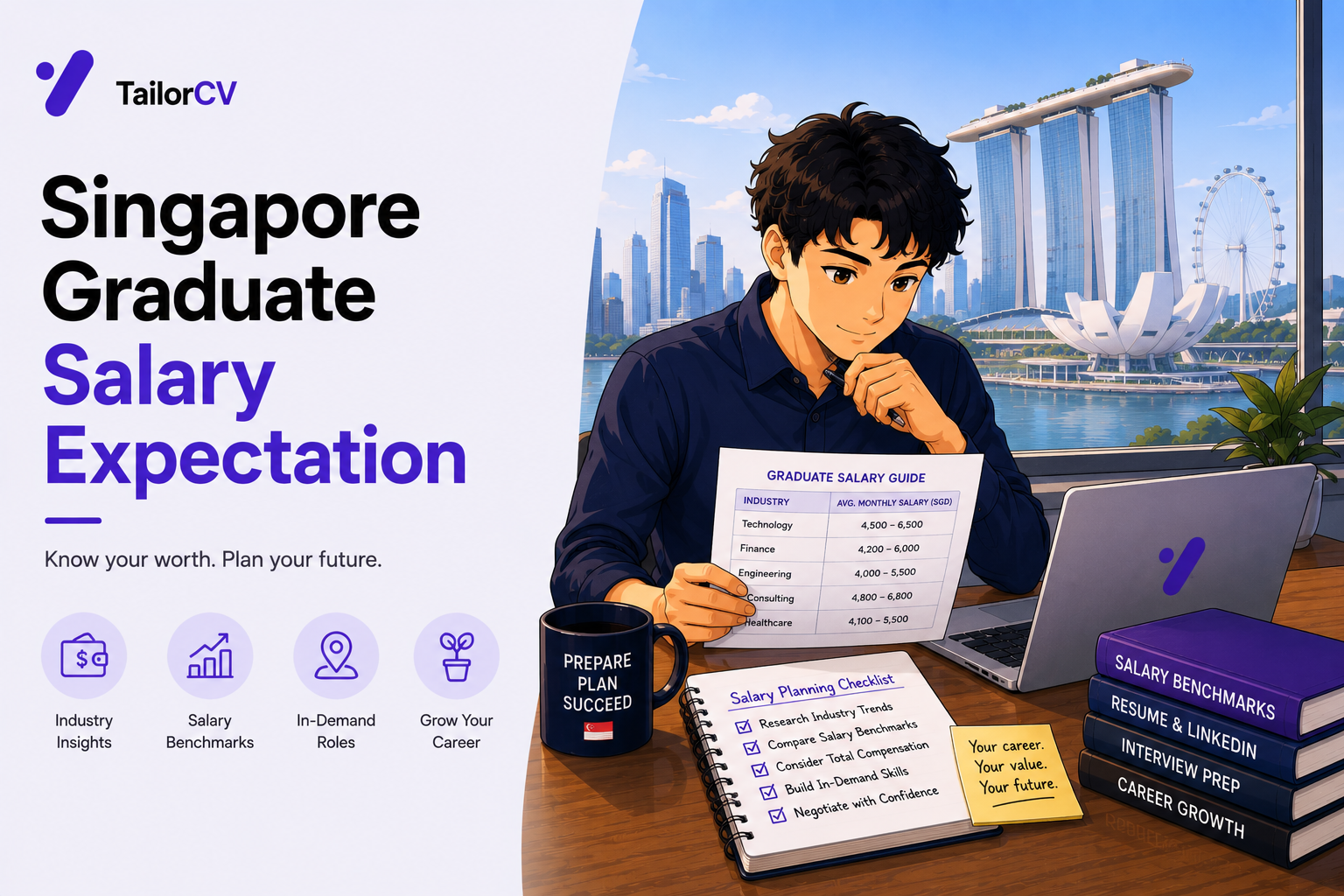
The salary question comes early in Singapore interviews. How to research a realistic range, what varies by sector, and why refusing to answer costs you.

Internships are increasingly the main route into Singapore graduate roles. Which passes apply to students, when to apply, and what conversion actually depends on.

Regional headquarters, local corporates, SMEs and startups hire graduates on very different terms. Pay, structure, pass sponsorship and what each does to your second job.

The habits that decide your first review are set in the first month. What to do in weeks one to twelve, how to ask for help without looking lost, and the mistakes that stick.
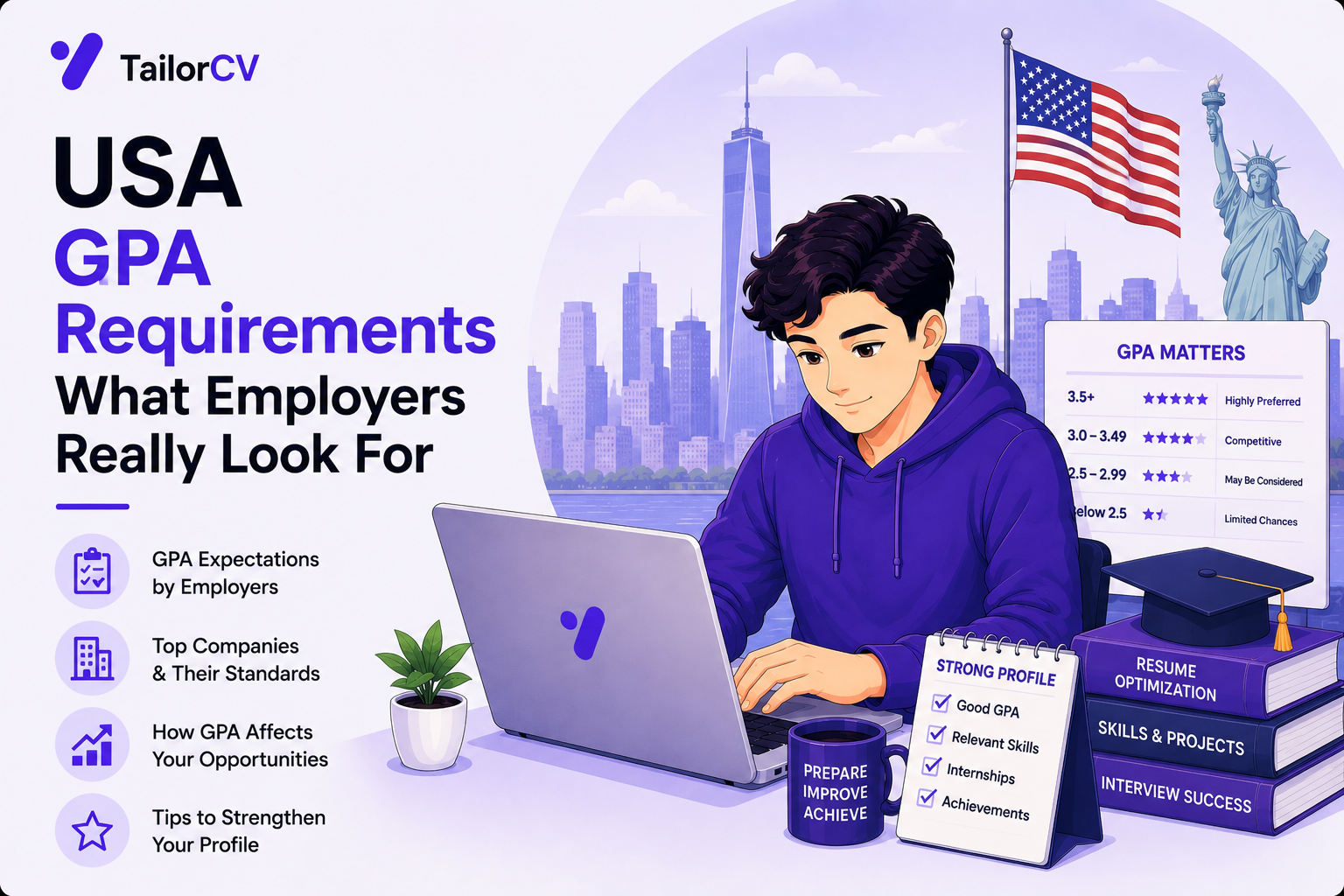
Which industries screen on GPA, what a stated 3.0 minimum really does, when to leave it off your resume, and how to compete when your grades are the weak part.
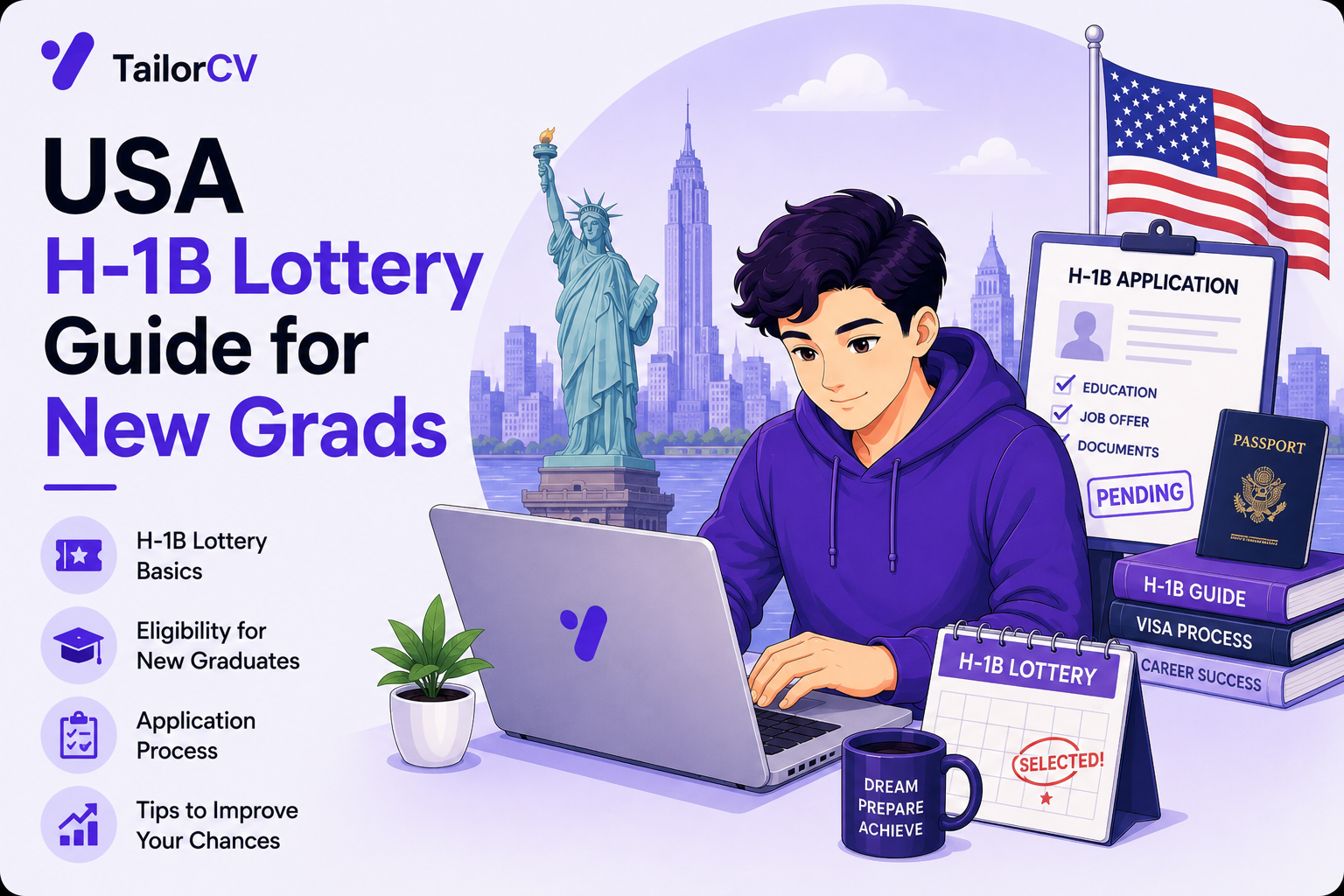
How the H-1B cap and lottery actually work for international students, why the STEM extension changes your odds so much, and the cap-exempt employers most graduates never consider.

The return offer is the main route into large US employers. What conversion rates really look like, what interns are actually judged on, and how to read the signals mid-summer.

Base salary is often fixed for campus cohorts, but signing bonus, start date, location and team usually are not. What to ask for, how to ask, and when not to.
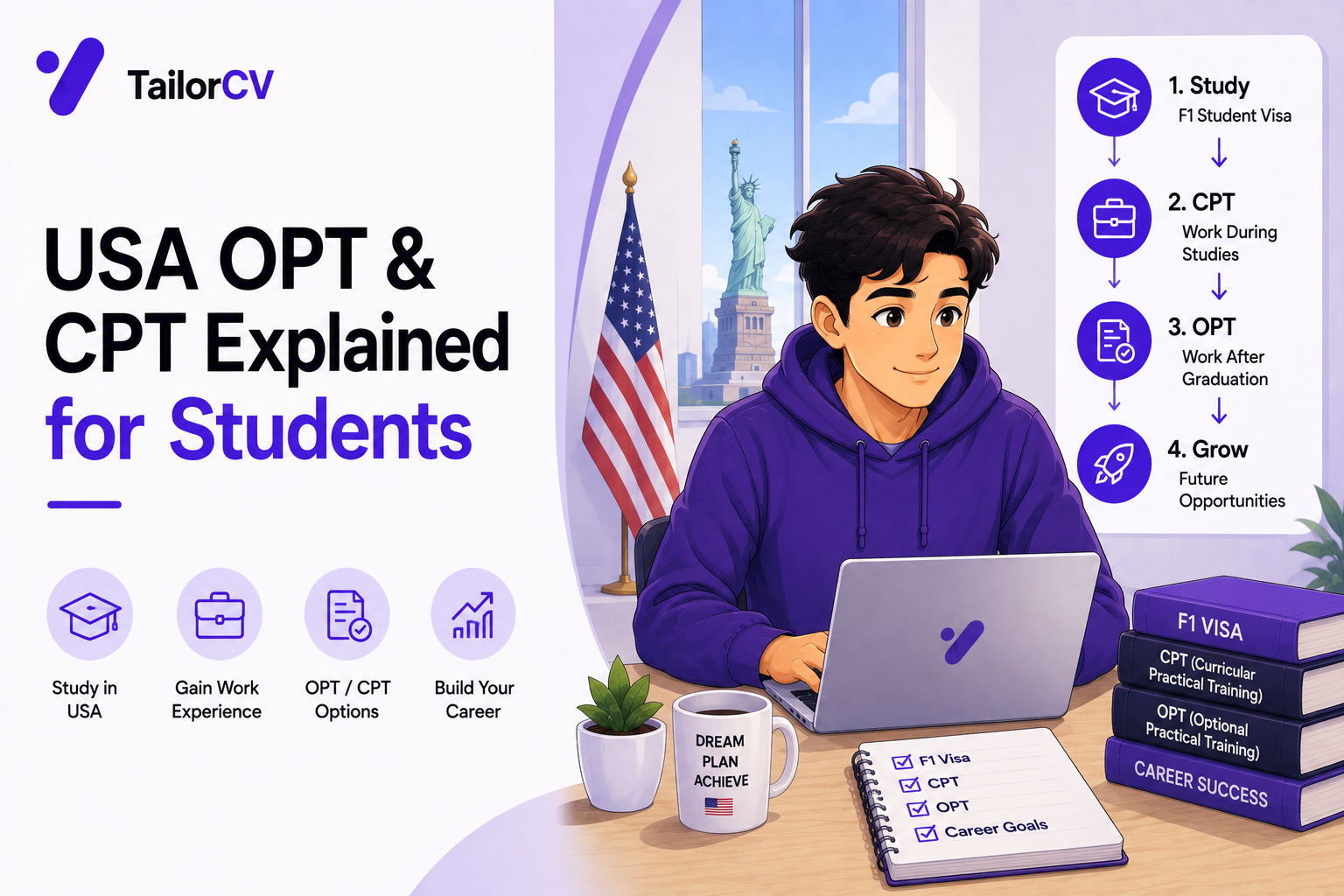
What CPT and OPT actually allow, how the 90-day unemployment clock works, why STEM OPT changes your odds, and the paperwork deadlines that cost students their status.

Offers get pulled for hiring freezes, background checks and reorganisations. What to ask, what you may be owed, and how to restart a search from a standing start.
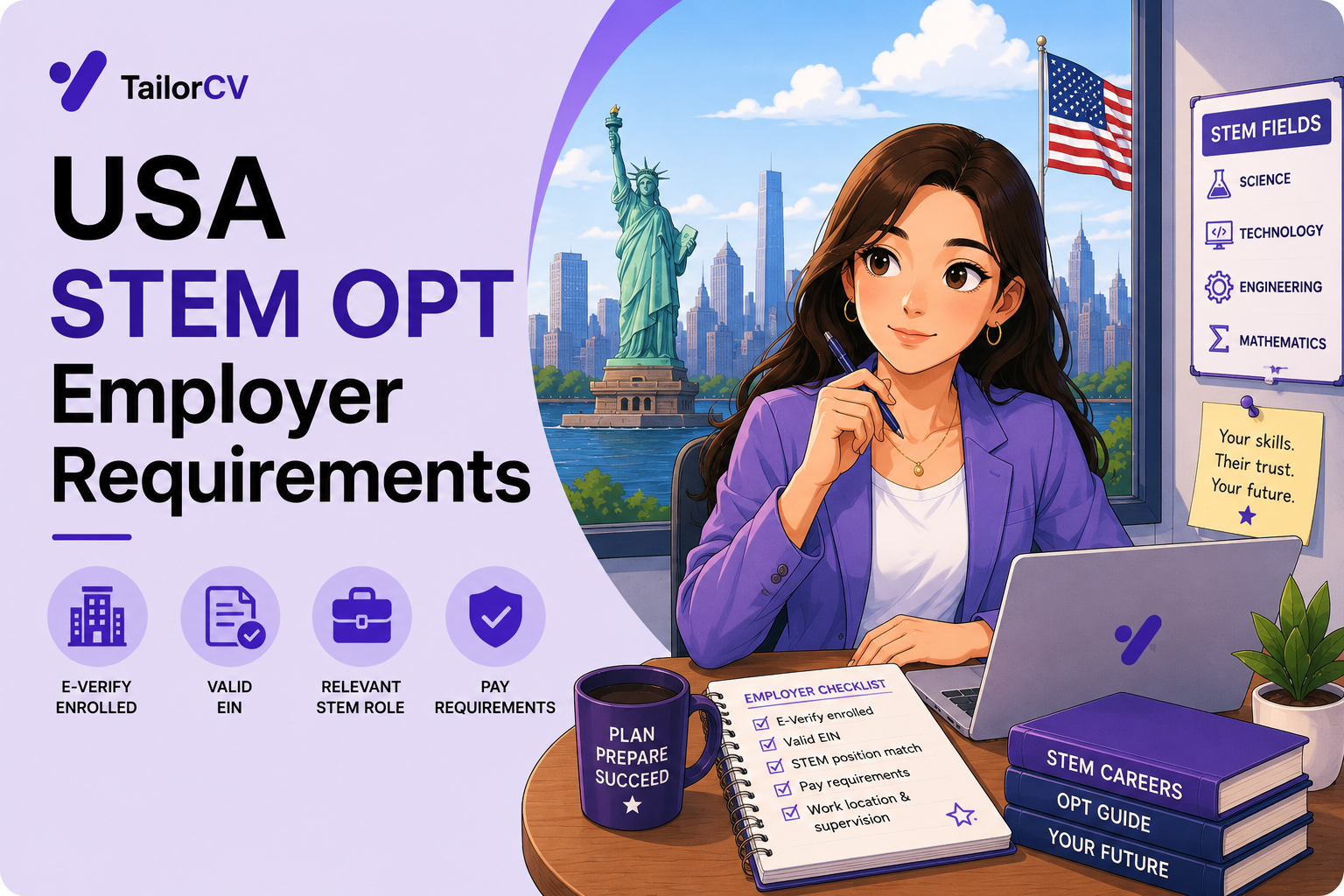
The 24-month extension needs an E-Verify employer and a signed training plan. What that rules out, how to check before applying, and how to raise it without losing the offer.
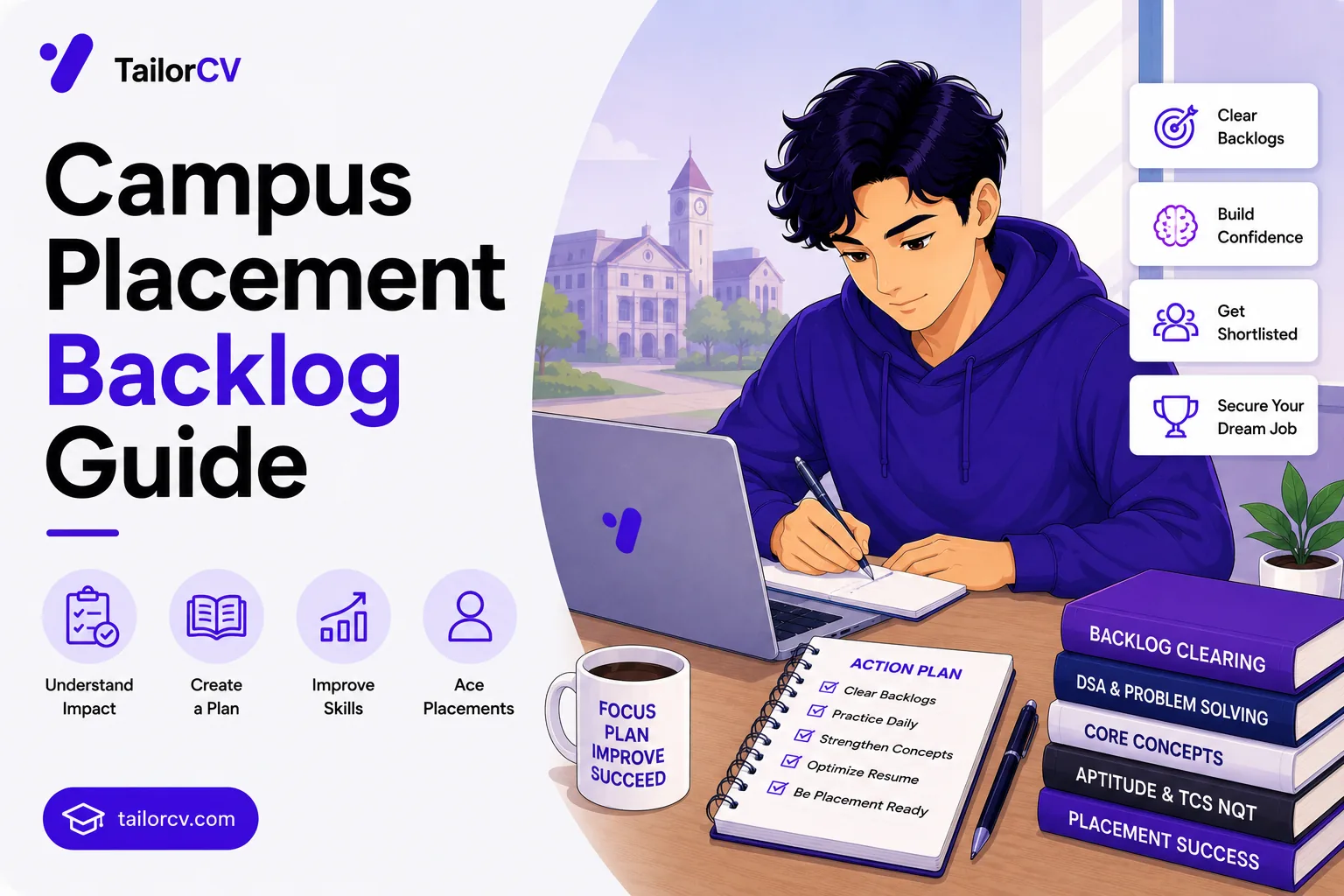
Backlogs block more placement applications than low CGPA does. Which filters they trigger, how to clear them fastest, and how to explain them without sinking the interview.
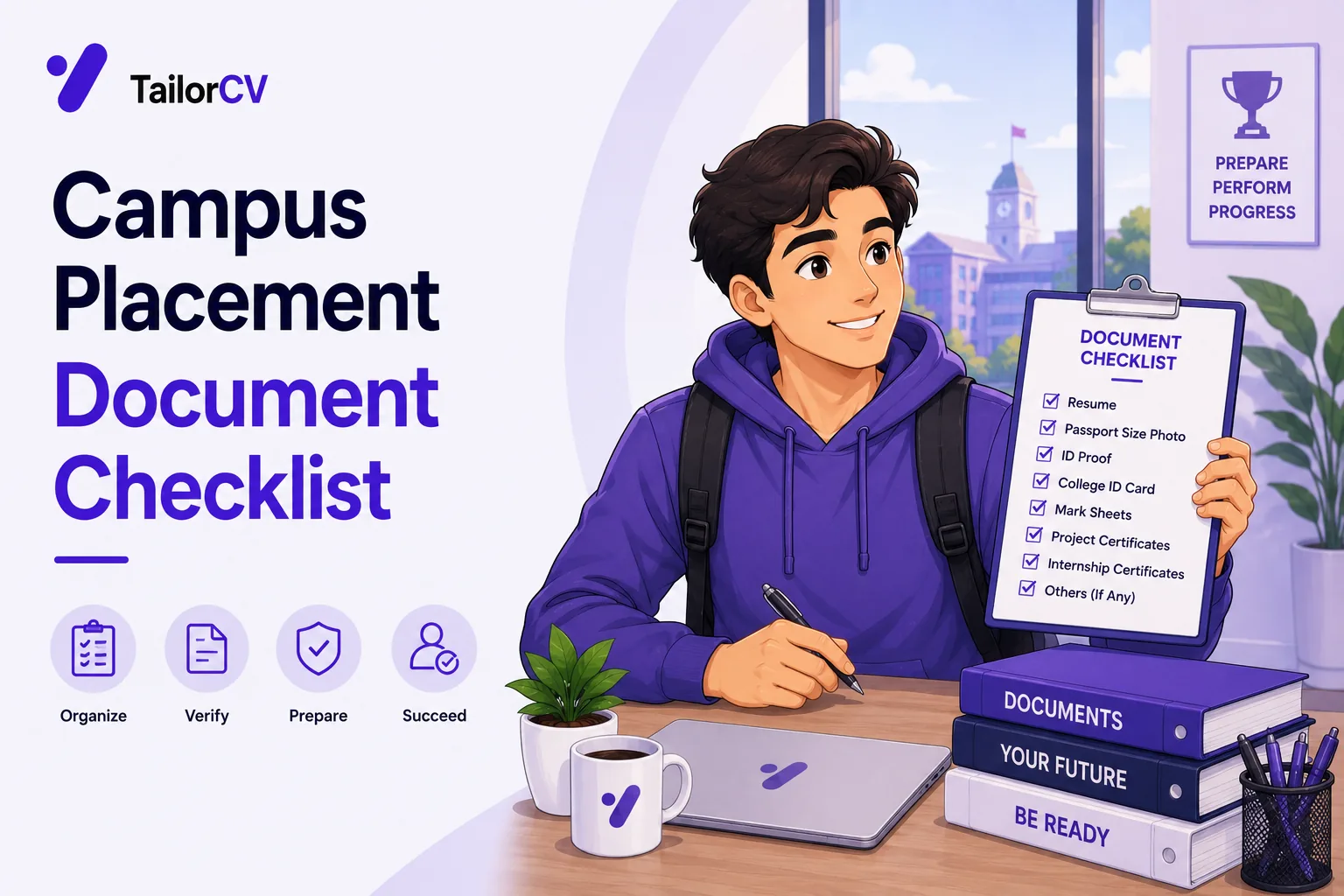
Placement season moves fast and missing paperwork costs offers. Everything you need — marksheets, ID, certificates, photos — how to organise it, and the deadlines that catch students out.