 SS
SS

Key Takeaways
- Layoffs at the graduate level are almost always driven by business conditions rather than performance, and the framing matters for how you talk about it afterwards.
- Severance terms are sometimes negotiable, and you are generally entitled to time to review before signing anything.
- For international employees the clock is immediate and unforgiving — the status question outranks everything else in the first week.
- Health coverage, unused paid time off and unvested equity all have specific rules worth understanding before your last day.
- Explaining a layoff in interviews is straightforward: one factual sentence, no bitterness, and move on.
Why it happens and what it means
It is nearly always about the business. Headcount reductions follow budget decisions, reorganisations, funding changes or a market shift. The selection is frequently by team, by function or by start date rather than by individual performance, which is why entire graduate cohorts are sometimes affected at once. At larger employers doing mass layoffs, the WARN Act (Worker Adjustment and Retraining Notification Act) requires advance written notice — generally 60 days — before a qualifying mass layoff or plant closing; if you're affected by a large-scale reduction at a sizeable company and got no notice at all, that's worth asking about specifically.
"Last in, first out" is a real pattern. Recent hires are cheaper to release, have accrued fewer commitments, and have had less time to become load-bearing. Being recent is not a judgement.
It does not damage your record the way people fear. Layoffs are common enough that interviewers treat them as unremarkable. What damages a candidacy is not the layoff; it is a candidate who is visibly bitter about it eighteen months later.
It is still genuinely hard. A first job ending abruptly, particularly if you relocated for it, is a real shock. Both things are true — it is not your fault and it still hurts.
The first week
Get everything in writing. The termination date, the severance terms, when health coverage ends, and what happens to any unvested equity or repayable bonus.
Do not sign immediately. Severance agreements typically ask you to release claims in exchange for payment, and you are generally entitled to a review period. Read what you are signing, and if the amounts are significant or the terms unusual, having someone qualified look at it is money well spent.
Ask whether the terms are negotiable. Sometimes they are — an extra few weeks, extended health coverage, or a later termination date. Asking once, politely, costs nothing and occasionally works.
Ask for a reference in writing while people still remember you and while the relationship is warm. A manager who was sorry to lose you will usually provide one, and it is much harder to obtain six months later.
Get personal contact details for your manager and close colleagues, since corporate addresses stop working on your last day.
Download your own records — payslips, offer letter, performance reviews, and anything documenting what you worked on. Access ends abruptly.
Ask about internal redeployment. Sometimes another team has headcount, and this is occasionally offered only to people who ask.
What is actually in a severance package
Severance pay, commonly calculated by tenure, which for a recent graduate is usually modest. It may be a lump sum or continued salary for a period.
Health coverage. Understand exactly when your employer coverage ends and what continuation options exist. COBRA (the federal law that gives you the right to continue your exact employer plan) is the mechanism most people mean when they say this — it lets you keep the same coverage, generally for up to 18 months, but you pay the full premium yourself, including the portion your employer previously covered, which routinely makes it considerably more expensive per month than it was as an employee. Compare it directly against a marketplace plan before defaulting to it; COBRA is a real right worth knowing by name, not automatically the best option.
Unused paid time off. Whether it is paid out depends on the employer and the state. Check rather than assuming.
Unvested equity is usually forfeited. If you had not reached your vesting cliff, this is generally lost, which is one of the practical consequences of the vesting schedules worth understanding before you need to.
A repayable signing bonus may or may not be waived. Read the clawback terms and ask.
Your retirement account stays yours. Your own contributions always, and the employer match subject to vesting. It can generally be rolled over rather than cashed out.
Unemployment benefits are typically available to people laid off through no fault of their own, administered at state level with their own eligibility rules and application process. Apply promptly rather than waiting.
For international employees, the clock starts immediately
This section outranks everything above if it applies to you.
Speak to an immigration attorney within days. Not weeks. Your permitted time and your options depend on your specific status and there are deadlines that close.
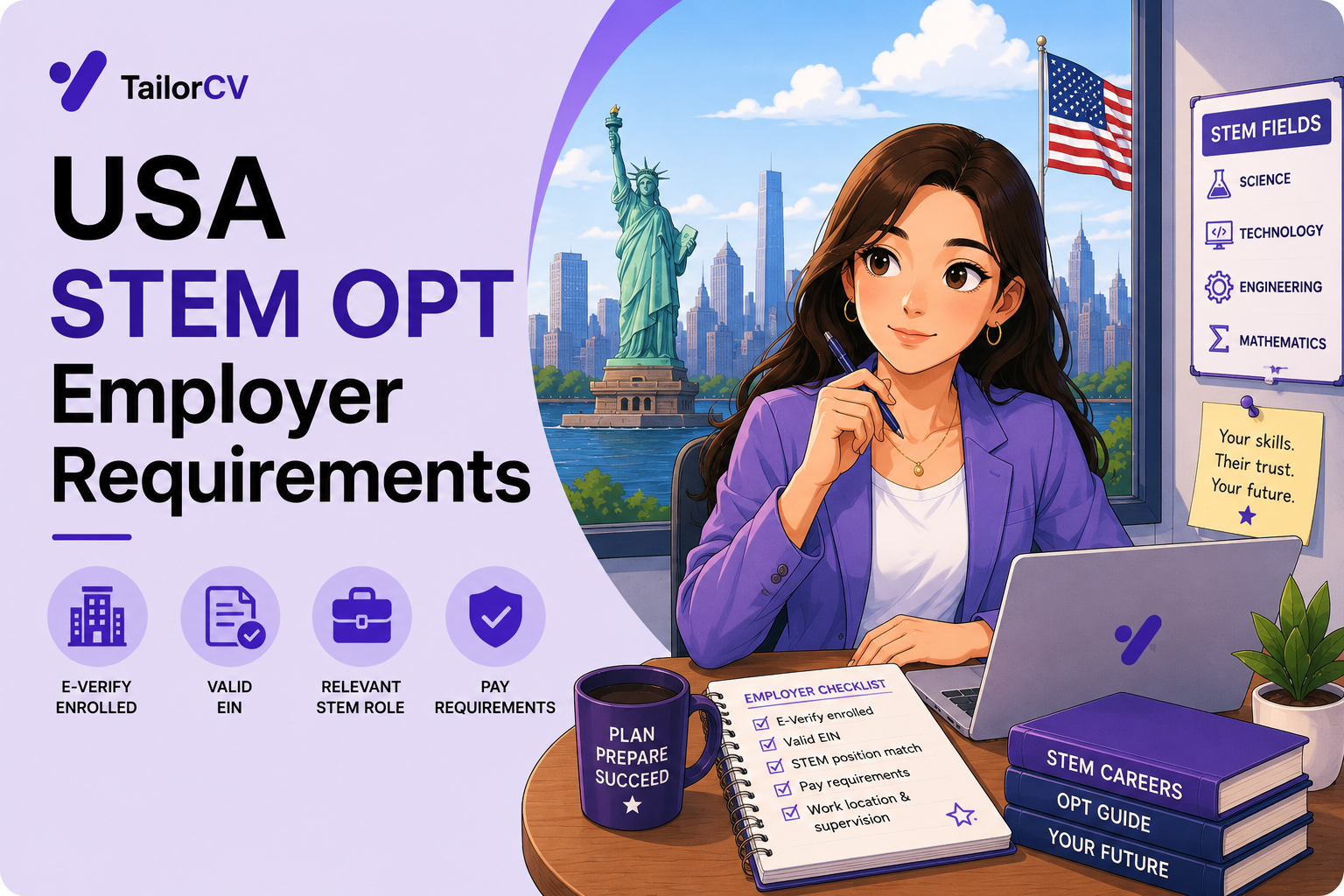
On post-graduation training, unemployment days are limited and counted: standard OPT allows up to 90 days of unemployment total, and the STEM OPT extension allows up to 150 days total across the full period (the original 90 plus an additional 60 during the extension). Know exactly how many you've already used and how many remain, in writing, since this is tracked and losing status by exceeding it is one of the most serious, avoidable failures in this whole situation.
On an employer-sponsored work visa, there is a discretionary grace period — generally up to 60 days — to find a new sponsoring employer, change status, or depart. That period is short relative to how long a job search takes, which is why the search has to start the same week, not after you've had time to process what happened.
Ask your employer about the termination date specifically. Sometimes an employer will extend a formal termination date, or count severance as continued employment, in a way that materially changes your position. This is worth asking about explicitly.
Prioritise employers who can move quickly and who have done this before. The eligibility questions that matter in any search matter more when you have weeks rather than months.
Consider all the routes. Cap-exempt employers can file at any time without a lottery, which is a genuine advantage under time pressure.
Restarting the search
Start within days. The instinct to take a few weeks to process is understandable and expensive, particularly if you are on a clock. Grieve in the evenings; apply during the day.
Tell your network immediately and plainly. "I was laid off in a company-wide reduction and I'm looking for X" is specific, blameless, and generates replies that a vague message does not. This is the highest-return action of your first week — the outreach mechanics apply, and a layoff is one of the few situations where people reliably want to help.
Ask laid-off colleagues to share leads. Many companies see a wave of people leaving at once, and that group becomes a genuinely useful network.
Go where hiring is continuous. Mid-sized employers and companies that hire on need rather than on a calendar, and the spring wave if the timing lands there.
Update the resume with what you actually did. Even a short tenure produced something. Describe outcomes, and confirm the document still parses.
Explaining it in interviews: one sentence, factual, no edge.
"The company reduced headcount across several teams in March and my role was eliminated. I'm looking for something similar, ideally with more ownership of the data pipeline side."
That is the entire answer. Interviewers have heard it many times and it reflects nothing on you unless you make it sound like it does.
Tip: If you are on a visa, speak to an immigration attorney within days, not weeks. The grace period is short and the options narrow quickly once it starts running.
Common Mistakes
- Signing the severance agreement immediately. You are generally entitled to review time; use it.
- Not asking whether terms are negotiable. Occasionally they are and almost nobody asks.
- Delaying the search to process it. Understandable and costly, particularly under a status clock.
- Going quiet out of embarrassment. Going quiet on your network out of embarrassment. The single most damaging response and the least warranted.
- For international employees, not getting advice immediately. For international employees, not getting advice immediately the deadlines are short and the options narrow quickly.
- Sounding aggrieved in interviews. Sounding aggrieved in interviews the facts are neutral; only the delivery makes them a problem.
Related Guides
Keep building on this with the related guides in this series:
- 401(k) and Benefits Explained for New Graduates
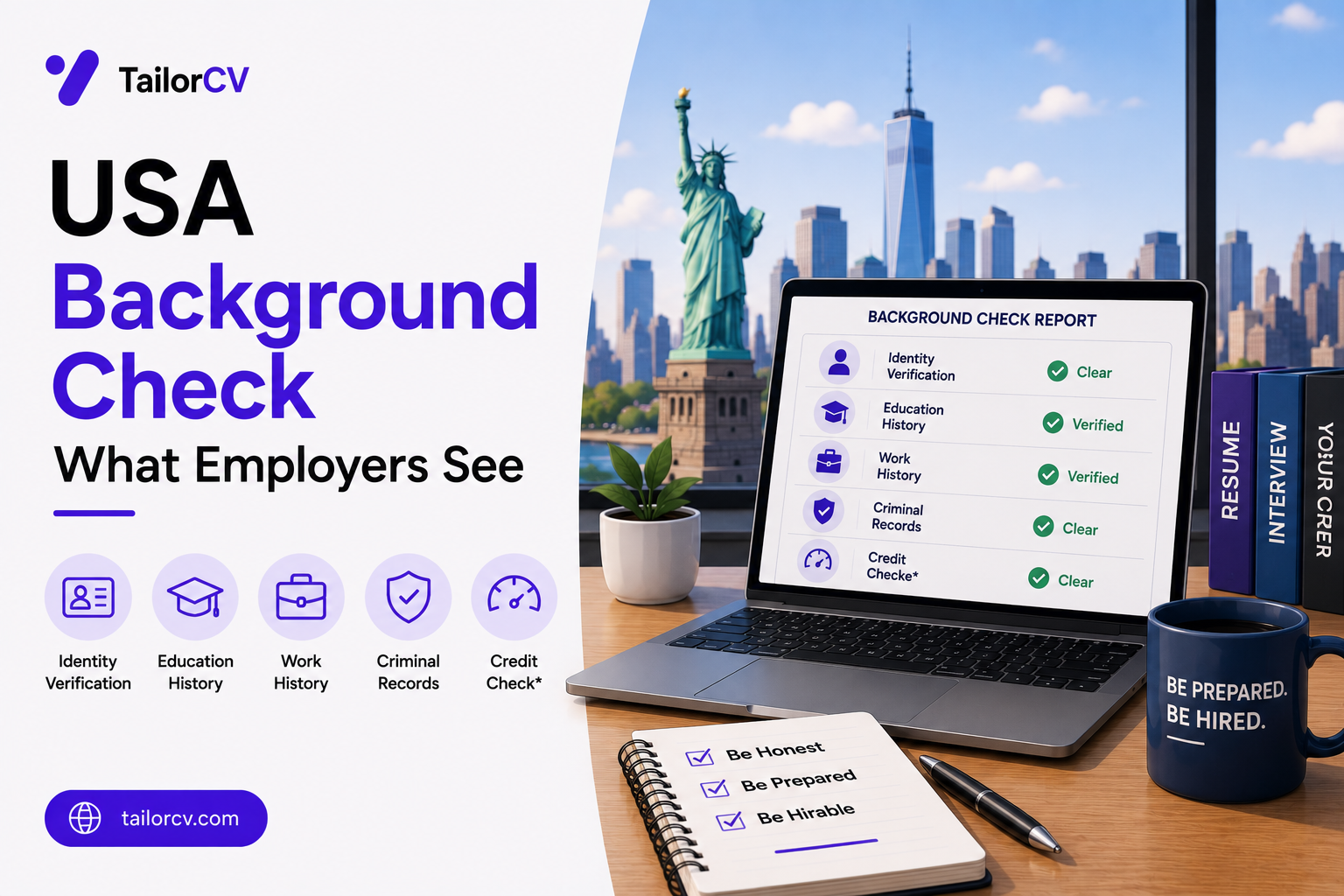
- US Background Checks - What Employers Actually See
- Cap-Exempt H-1B Employers - The Route Around the Lottery
- Community College Transfer Students - Building a Career Strategy That Works
- US Data Science New Grad Hiring - The Roles, the Loop and the Preparation
- Day-One CPT - What It Is and Why It Carries Real Risk
You can also check your resume's ATS score for free, generate a tailored cover letter, or build a portfolio website in minutes.
Frequently Asked Questions
Does a layoff look bad on my resume?
No. It is common, widely understood, and unremarkable to interviewers. A short tenure with a clear explanation is a non-issue.
Should I say I was laid off or just that I left?
Say you were laid off. It is accurate, it is verifiable through a background check, and it is a better explanation than an ambiguous departure.
Can I negotiate severance?
Sometimes. Asking once, politely, about an extension of coverage or a later termination date is reasonable and occasionally succeeds.
What happens to my retirement savings?
Your own contributions are always yours and the employer match depends on vesting. The account can generally be rolled over rather than cashed out.
How quickly do I need to find a new job on a work visa?
The permitted period is short and depends on your specific status. Get advice within days rather than relying on general figures.
Is it worth taking a lower-level role to bridge the gap?
Frequently yes, particularly under a status clock. A role that keeps you employed and in status is worth a great deal, and moving again in eighteen months is entirely normal.
What is your resume scoring right now?
Scan it against a job description and get your ATS match score in about a minute.
Drop your resume here or choose a file
PDF only. Max 2 MB.
We never share your data or use it to train AI models.

Was this guide useful?
Be the first to rate it.