 SS
SS

Key Takeaways
- Some employers, particularly in banking, law and consulting, historically used a 2:1 as a hard screening line, and many have since relaxed or removed it.
- The trend across UK graduate recruitment is away from rigid classification filters and toward contextual and skills-based assessment.
- A 2:2 or below is not disqualifying at most employers, and evidence increasingly does more of the work than the grade itself.
- Where classification does still matter, it operates as an automated filter in the application system rather than a human judgement.
- What you did alongside your degree usually carries more weight in an interview than the classification does.
Where it has historically mattered most
Investment banking, law and the largest consulting firms have traditionally been the employers most associated with a strict classification threshold, often a 2:1 or above, sometimes alongside a minimum on prior school-level results.
Some large structured graduate schemes in other sectors have used similar filters, largely because of the sheer volume of applications they receive and the need for a fast, mechanical first cut.
Where it operates as an automated filter. At employers with a stated threshold, the classification is often entered as a field in the online application system, and falling below the threshold can mean an application is filtered before a human ever reads it, rather than being a judgement a person makes.
The trend away from rigid filters
A substantial and ongoing shift across UK graduate recruitment has moved away from a hard classification threshold and toward contextual recruitment, skills-based assessment, and looking at academic performance relative to circumstance rather than as an absolute cutoff.
Contextual data is increasingly used at some employers, considering the school you attended, whether you were the first in your family to attend university, and other circumstances alongside your results, rather than the classification in isolation.
Many employers have publicly dropped a fixed classification requirement in recent years, in favour of assessing the whole application. This does not mean classification is irrelevant everywhere, it means the picture is more varied than a single blanket rule suggests, and it is genuinely worth checking a specific employer's current stated policy rather than assuming.
What to do if your classification is not strong
- Check the specific employer's actual current policy rather than assuming a blanket rule applies. Many have moved away from a strict cutoff, and the honest answer varies by employer and even by scheme within the same organisation.
- Lead with evidence. A strong project, meaningful work experience, or a demonstrable skill outweighs classification at any employer using contextual or skills-based assessment, and increasingly at employers who still ask for it as one input among several.
- Explain briefly if it comes up, without over-explaining. A steady upward trend, relevant work experience gained alongside study, or a genuine personal circumstance are all reasonable to mention in one sentence if directly asked, and none require an extended justification.
- Target smaller and mid-sized employers deliberately, where a person reads the whole application and classification is one input rather than an automated gate, the regional and mid-tier employer argument applies to this exact situation.
- Use a referral where you can. A referred application at most employers routes to a person rather than through the automated filter, which is the most reliable way around a classification-based screen specifically.
What actually decides the interview, once you are past the screen
Once you have cleared any classification filter, the classification itself rarely comes up again. What decides the outcome from that point is the same as for every other candidate: evidence in your CV, a genuine answer to why this employer, and how you perform in competency questions and any assessment centre exercises.
This is worth internalising early. Spending a final year purely trying to lift a classification by a fraction, at the cost of the evidence and preparation that actually decides an interview, is frequently the wrong allocation of effort for a student who is realistically not going to move up a full class.
Communicating your classification confidently regardless of the outcome
Whatever your specific classification, present it plainly and factually on your application rather than either over-emphasising a strong result or seeming apologetic about a more modest one, confident, matter-of-fact presentation reads better in either case than an emotional framing of the number itself.
If your classification is strong, let it speak for itself rather than dwelling on it excessively in written applications, the space is generally better used demonstrating specific evidence of your skills and experience, which is what most employers, even those with a stated threshold, ultimately assess you on beyond that initial screen.
How the classification bar is actually applied
The 2:1 requirement is real at many employers and is being dropped at others, which makes checking each employer's current policy worth more than any general rule.
| Classification | Typical treatment |
|---|---|
| First | Opens everything, including the most selective schemes |
| 2:1 | The conventional bar for large graduate schemes |
| 2:2 | Closed at some schemes, open at a growing number; evidence matters more |
| Third or Pass | Route through smaller employers, experience and referrals rather than schemes |
A number of large employers now use contextual recruitment, which weighs your results against the circumstances they were achieved in, and some have removed the academic bar entirely. Both are published policies, so they are checkable rather than something to guess at.
Do's and Don'ts
Do
- Check each employer's current stated policy
- Apply where the bar has been removed
- Lead with evidence — projects, placements, results
- Use referrals to route around automated filters
- Report genuine mitigating circumstances through the proper channel
Don't
- Assume every scheme still requires a 2:1
- Rule yourself out without checking
- Chase a marginal grade over building evidence
- Hide your classification and hope
- Treat a 2:2 as the end of the graduate market
Tip: Check each employer's current stated policy rather than assuming a 2:1 bar. A growing number have dropped the requirement outright, and that information is published on their own site.
Common Mistakes
- Assuming every employer h. Many have moved to contextual or skills-based assessment.
- Not checking the current policy. Not checking a specific employer's current stated policy. The picture varies and has changed substantially in recent years.
- Over-explaining a modest classification unprompted. Over-explaining a modest classification unprompted a brief, factual sentence if asked is sufficient.
- Chasing a marginal grade. Projects and experience usually do more work in an interview.
- Ruling out large employers entirely. Worth checking rather than assuming.
- Not using a referral. To route around an automated filter. The most reliable practical workaround where one genuinely exists.
Understanding how classification interacts with other academic factors
Some employers consider your overall academic trajectory, including whether your performance improved over your degree, alongside the final headline classification itself, worth mentioning a genuine upward trend if directly relevant and asked about, rather than assuming only the final number matters.
Specific module performance directly relevant to a target role can sometimes be worth highlighting separately, particularly where your overall classification does not fully reflect strength in that specific area, a strong result in a directly relevant module is a genuine, specific data point an employer can weigh alongside your overall classification.
Related Guides
Keep building on this with the related guides in this series:
- UK Accountancy Graduate Routes - Qualifications and Employers
- The UK Civil Service Fast Stream - What the Process Involves
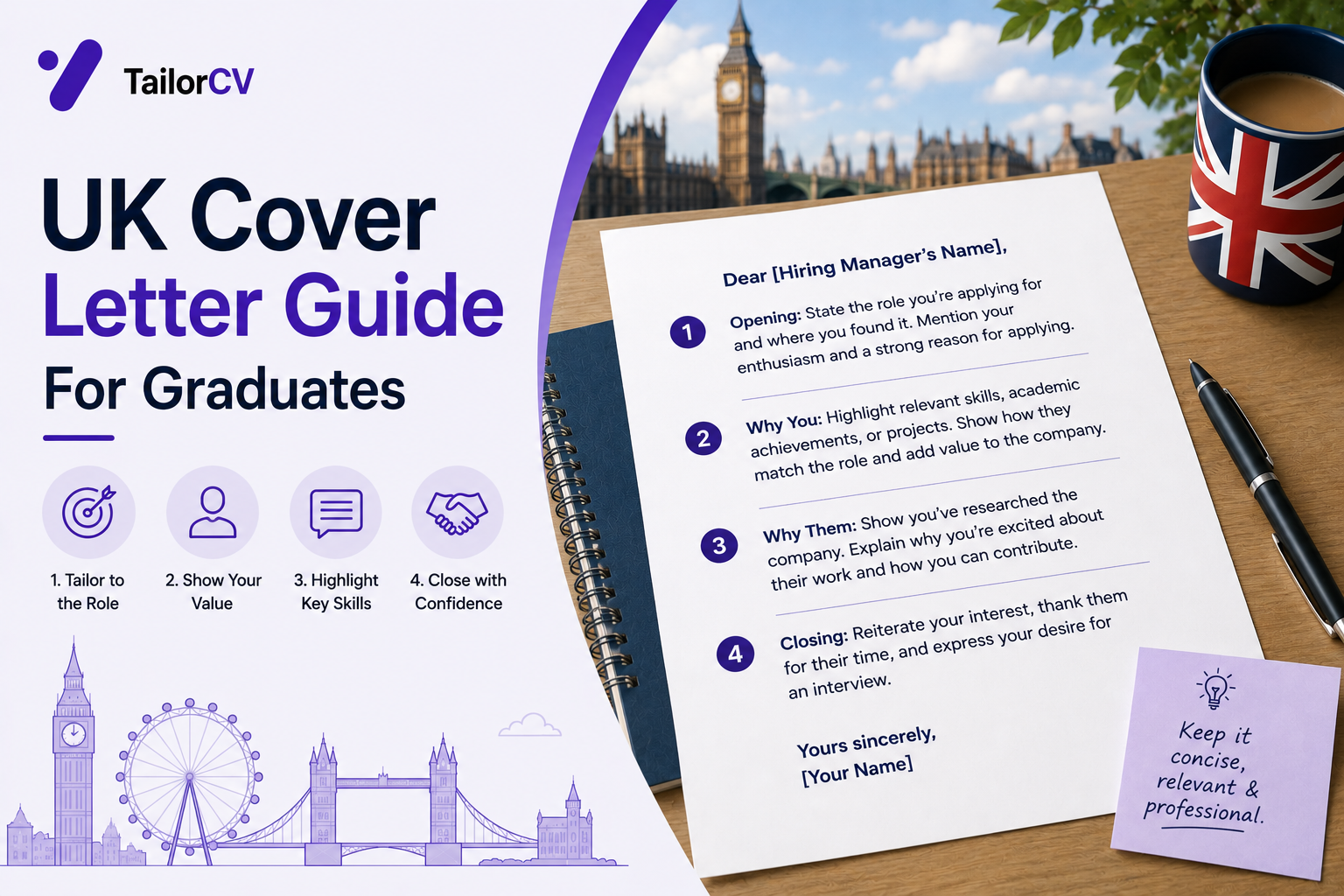
- UK Cover Letters for Graduates - When They Matter and What to Write
- The UK CV Format for Students and Graduates
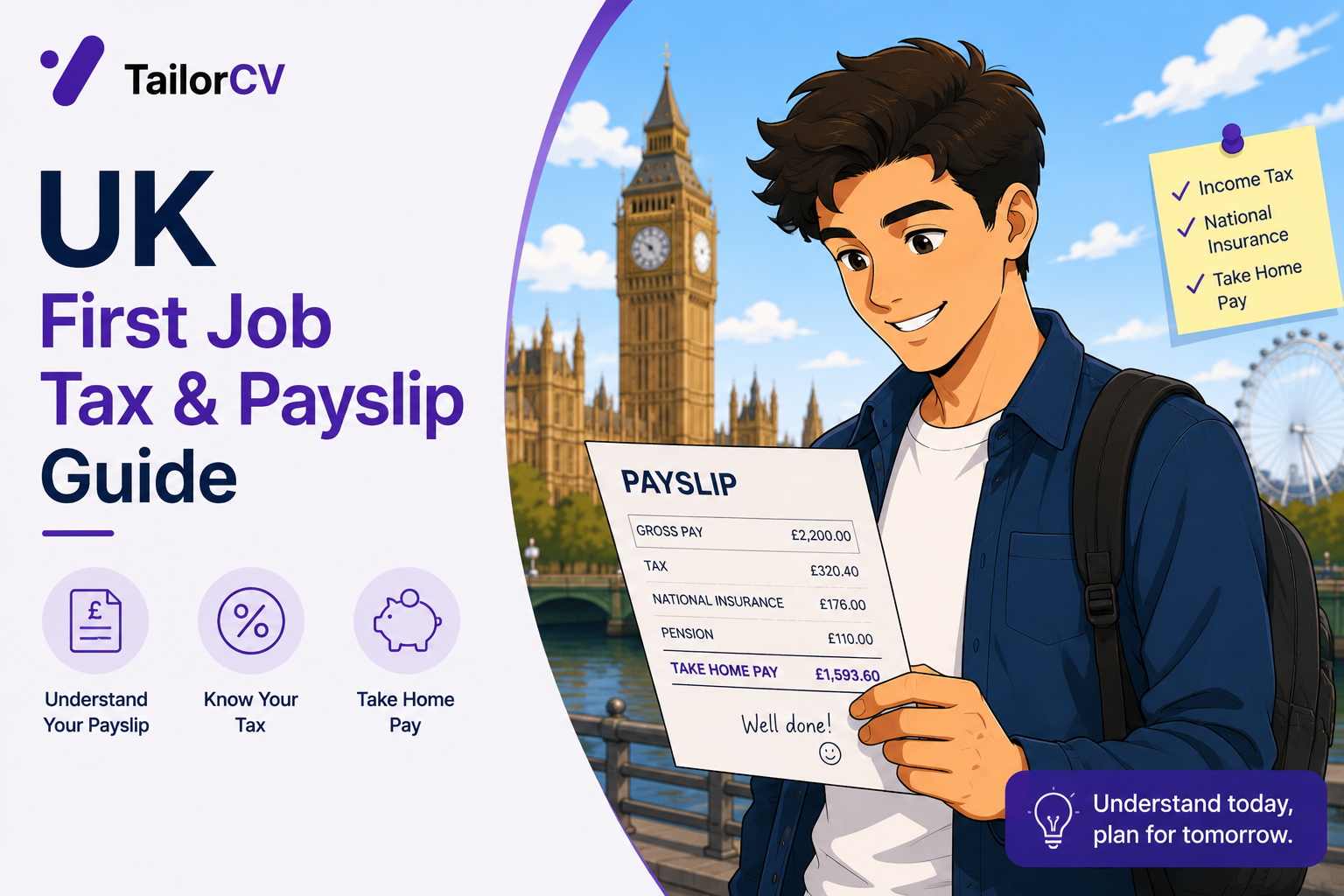
- Understanding Your First UK Payslip and Tax
- UK Graduate Salary Expectations - What to Actually Expect
- The CS Degree Bubble Is Real - Why Computer Science Feels Oversaturated in 2026
You can also check your resume's ATS score for free, generate a tailored cover letter, or build a portfolio website in minutes.
Frequently Asked Questions
Do I need a first or a 2:1 to get a good graduate job?
At some employers historically yes, and the picture has shifted substantially toward contextual and skills-based assessment across UK recruitment. Check a specific employer's current policy rather than assuming a blanket rule.
Will a 2:2 rule me out of investment banking or law?
At some firms it may still be a factor, and others have moved away from a strict threshold. It varies by firm and is worth checking directly rather than assuming.
Does classification matter once I am past the initial screen?
Rarely. Interviews and assessment centres assess your evidence and performance, not your classification directly, once you have cleared any automated filter.
Should I explain a lower classification in my application?
Only briefly if directly asked, and only if there is a genuine reason. A short, factual sentence is sufficient, avoid an extended justification.
What matters more than classification for most employers?
Demonstrable evidence, relevant experience, and how you perform in the actual assessment process, increasingly weighted more heavily than the classification alone.
How can I find out a specific employer's policy?
Check their graduate recruitment page directly, ask at a careers fair or presentation, or ask current graduate employees, all of which are more reliable than a general assumption.
What is your resume scoring right now?
Scan it against a job description and get your ATS match score in about a minute.
Drop your resume here or choose a file
PDF only. Max 2 MB.
We never share your data or use it to train AI models.

Was this guide useful?
Be the first to rate it.