 TD
TD
Key Takeaways
- Familiarize yourself with Canadian resume norms, which exclude personal details like photos and marital status, focusing instead on professional qualifications.
- Tailor your resume for tech jobs by analyzing job descriptions for keywords and aligning your skills with the requirements.
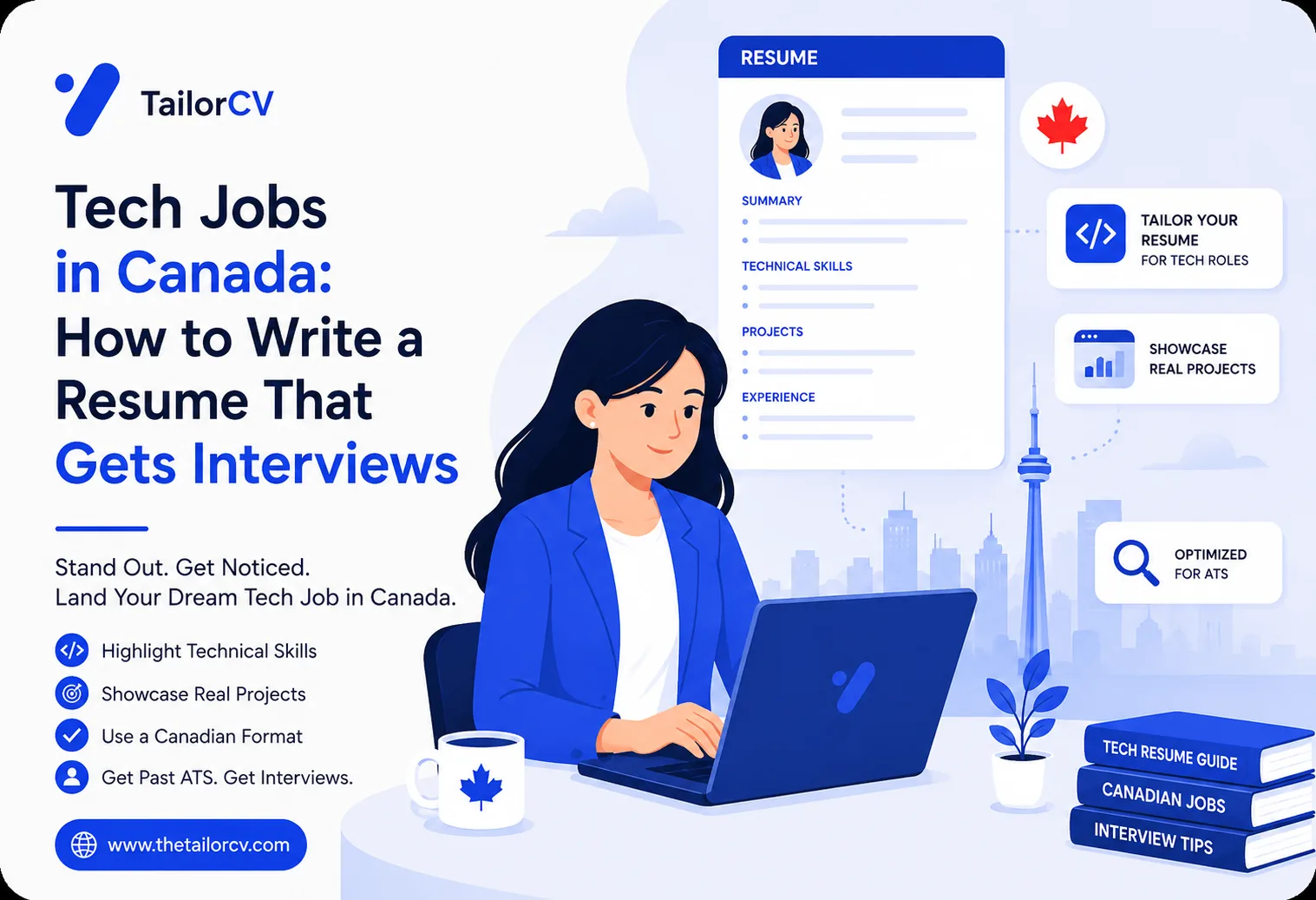
- Structure your resume with clear sections, including contact information, a professional summary, technical skills, work experience, education, and projects.
- Optimize your resume for Applicant Tracking Systems (ATS) by using standard headings, avoiding graphics, and incorporating relevant keywords throughout.
In the competitive landscape of Canada’s tech job market, crafting a stellar resume is essential for job seekers, especially for newcomers and international students. The right resume can be the difference between landing an interview and being overlooked. Understanding Canadian resume norms, the intricacies of Applicant Tracking Systems (ATS), and how to effectively showcase your skills can significantly enhance your chances of success. This guide will provide actionable insights tailored to the Canadian context, ensuring your resume not only meets standards but stands out to employers.
Understanding Canadian Resume Norms
Before diving into resume writing, it’s crucial to familiarize yourself with the Canadian resume format. Here are the key components:
| Rule | What it means |
|---|---|
| No Personal Information | Unlike some countries, Canadian resumes do not require personal details such as a photo, age, or marital status. Focus on your professional qualifications and experience |
| Length | A two-page resume is acceptable, especially for those with extensive experience. However, aim for brevity and relevance |
| Contact Information | Include your name, Canadian phone number, and address (city and province). Format your phone number as (123) 456-7890 |
| References | It’s common to state “References available upon request” rather than listing them on your resume |
For more detailed insights, check out our Canadian Resume Format Guide (2026).
Tailoring Your Resume for Tech Jobs
When applying for tech jobs, customization is key. Follow these steps to tailor your resume effectively:
Your resume after optimization
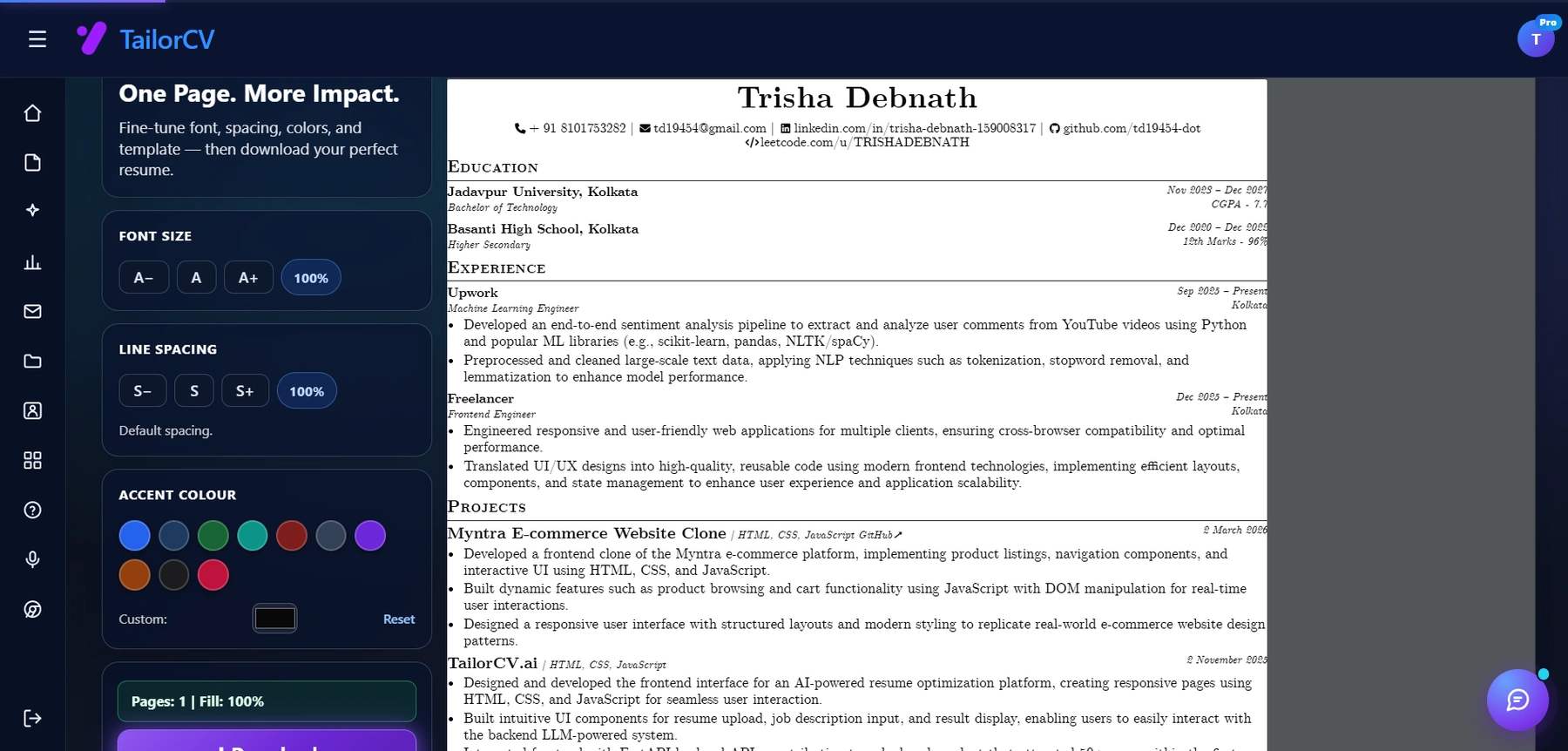
This is the resume after tailoring - the content is already matched, and these controls are how you fit it onto one page.
Analyze Job Descriptions
Start by thoroughly analyzing the job descriptions for positions you're interested in. Identify keywords and phrases that are frequently mentioned. These often include specific skills, programming languages, or technologies. Use these insights to align your resume with the job description. This practice not only enhances your resume's relevance but also improves its ATS score.
- Highlight Relevant Skills: If a job requires knowledge of Python and cloud computing, ensure these skills are prominently featured in your resume.
- Use Action Words: Begin bullet points with strong action verbs like “developed,” “designed,” or “implemented” to convey your contributions effectively.
For guidance on matching your resume with job descriptions, refer to our Resume Matching with Job Description.
Structure Your Resume
A well-structured resume is easier to read and more likely to grab the attention of hiring managers. Consider the following sections:
| Section | What goes in it |
|---|---|
| Contact Information | As mentioned, include your name, phone number, and location |
| Professional Summary | Write a concise summary (2-3 sentences) that outlines your background, skills, and what you bring to the role |
| Technical Skills | List your technical proficiencies, focusing on those relevant to the job |
| Work Experience | Include your job title, employer’s name, location, and dates of employment. Use bullet points to describe your achievements and responsibilities |
| Education | Detail your degrees, certifications, and relevant training |
| Projects or Portfolio | Showcase specific projects or provide links to your portfolio website if applicable |
For more on structuring your resume, visit our guide on how to write a resume from scratch.
Optimizing for ATS
Many Canadian employers use ATS to filter resumes before they reach hiring managers. To ensure your resume is ATS-friendly, follow these best practices:
- Use Standard Headings: Stick to conventional section headings like “Work Experience” and “Education” to ensure the ATS recognizes them.
- Avoid Graphics and Images: ATS may not read graphics correctly, so keep your format simple.
- Include Keywords: Incorporate relevant keywords from the job description throughout your resume to improve your ATS score. To check your ATS compatibility, use our free ATS score checker.
- Consistent Formatting: Use a clean, professional font and consistent formatting throughout your document.
If you want to learn more about making your resume ATS-friendly, check out our article on how to make a resume ATS-friendly.
Highlighting Soft Skills
In addition to technical skills, Canadian employers highly value soft skills. Consider including:
- Communication: Highlight your ability to convey complex information clearly.
- Teamwork: Provide examples of how you've collaborated effectively with others.
- Problem-Solving: Showcase your critical thinking abilities and how you've tackled challenges.
In tech roles, soft skills can be as important as technical expertise. Make sure to weave these into your work experience descriptions.
Crafting a Compelling Cover Letter
While your resume is crucial, a well-crafted cover letter can further enhance your application. Use our AI cover letter generator to create a tailored cover letter that complements your resume. Here are some tips for writing a compelling cover letter:
- Personalize It: Address the hiring manager by name and mention the specific job title.
- Tell Your Story: Use the cover letter to explain why you are passionate about the role and how your experiences align with the company’s mission.
- Keep It Concise: Limit your cover letter to one page and maintain a professional tone.
For more detailed guidance, refer to our cover letter guide 2026.
Preparing for Interviews
Once your resume and cover letter have secured you an interview, it’s time to prepare. Use our AI mock interview tool to practice common interview questions specific to tech roles. Here are some preparation tips:
- Research the Company: Understand the company's culture, products, and recent developments.
- Prepare Your Answers: Practice responses to common questions, focusing on your experiences and how they relate to the job.
- Ask Questions: Prepare thoughtful questions to ask the interviewer, demonstrating your interest in the role and the company.
For a comprehensive overview, check out our interview preparation guide.
Staying Updated on Job Market Trends
The tech job market in Canada is continually evolving. Stay informed about in-demand jobs and industry trends by regularly checking resources and job boards. Understanding what skills are in demand can help you tailor your resume accordingly. For insights on in-demand jobs, visit our article on In-Demand Jobs in Canada for 2026.
Common Mistakes to Avoid in Your Tech Resume
When writing your resume, avoiding common pitfalls can greatly enhance your chances of landing interviews. Here are some frequent mistakes tech job seekers make:
-
Generic Descriptions: Using vague job descriptions that don’t highlight specific achievements or skills can dilute your impact. Instead, focus on quantifiable results and relevant technologies. For example, instead of stating, “Worked on software development,” try, “Developed a web application that improved user engagement by 30%.”
-
Neglecting Keywords: Many applicants overlook the importance of keywords that align with the job description. Ensure you incorporate relevant technical terms and skills that the employer uses in their job postings. This not only helps with ATS optimization but also demonstrates your familiarity with industry jargon.
-
Too Much Technical Jargon: While it’s important to showcase your technical skills, overloading your resume with jargon can confuse hiring managers who may not possess the same technical background. Strike a balance by explaining complex concepts in clear language.
-
Ignoring Formatting: A cluttered or overly complex layout can detract from the content of your resume. Stick to a clean, professional design, and use bullet points for easy readability. For a detailed guide on professional layouts, check out our Resume Design and Color Guide for 2026.
-
Omitting Relevant Experience: Some candidates mistakenly leave out internships or freelance work that may not seem substantial but is relevant to the job. Include all pertinent experience, even if it’s not traditional employment.
-
Not Customizing Each Resume: Sending out a one-size-fits-all resume can harm your chances. Tailor your resume for each application to emphasize the skills and experiences that match the specific job requirements.
Step-by-Step Guide to Crafting a Tech Resume
Creating a standout resume can feel overwhelming. Follow this step-by-step guide to streamline the process:
-
Choose the Right Format: Decide between chronological, functional, or hybrid formats based on your experience level and job history. For most tech positions, a chronological format is recommended.
-
Create a Strong Header: Include your name, phone number, email, and LinkedIn profile. Ensure your email appears professional. For more details, refer to our Resume Contact Section - What to Include and What to Leave Out.
-
Write a Compelling Summary or Objective: Craft a brief statement at the top of your resume that encapsulates your skills and career goals. Tailor this to reflect the specific position you’re applying for.
-
List Relevant Experience: For each position, include your job title, the company name, dates of employment, and bullet points detailing your contributions. Focus on accomplishments and the impact of your work.
-
Highlight Technical Skills: Create a dedicated section for technical skills relevant to the job. Be specific about programming languages, tools, and technologies you’ve mastered. For freshers, check out our guide on 35 Powerful Technical Skills in Resume for Freshers With No Experience.
-
Include Education and Certifications: List your degrees, institutions, and graduation dates. If you have relevant certifications, include those as well, as they can set you apart from other candidates.
-
Proofread and Edit: Finally, review your resume for spelling and grammatical errors. Consider using tools or asking someone to help you proofread.
-
Use an ATS Checker: Before submitting, use an ATS checker to ensure your resume meets the necessary requirements for applicant tracking systems. Check out our ATS checker tools.
Mini Checklist for Tech Resumes
Use this quick checklist to ensure your tech resume is polished and ready for submission:
- unchecked: Is my resume tailored to the job description?
- unchecked: Have I included relevant keywords?
- unchecked: Is my formatting clean and professional?
- unchecked: Did I quantify my achievements with metrics?
- unchecked: Are my technical skills clearly listed?
- unchecked: Did I proofread for errors?
- unchecked: Have I included a compelling cover letter? (See our cover letter guide)
- unchecked: Did I prepare for potential technical interview questions? Refer to our Technical Interview Preparation Guide 2026 for tips.
Following this checklist can help ensure your resume stands out in the competitive tech job market in Canada.
Related Guides
Keep building your Canadian job search with these related TailorCV guides:
- How ATS Works in Canada: Beating Applicant Tracking Systems for Canadian Jobs
- Canadian Resume Format Guide (2026): How to Write a Resume for Canada
- How to Write a Cover Letter for Canadian Jobs (With Structure)
- How to Get a Job in Canada in 2026: A Step-by-Step Guide
- How to Write a Resume Summary With No Experience (10 Real Examples for 2026)
- How to Add Projects in Resume for Freshers: 10 Smart Tips to Impress Recruiters
- 10 Powerful Resume Templates for Beginners With No Experience That Actually Get Interviews
- Resume Mistakes Every Fresher Makes (And How to Fix Them in 2026)
You can also check your resume's ATS score for free, generate a tailored cover letter, or build a portfolio website in minutes.
Frequently Asked Questions
1. What is the ideal length for a resume in Canada?
A resume in Canada is typically one to two pages long, depending on your experience. If you have extensive experience, it's acceptable to extend it to two pages. For more details, check our Canadian Resume Format Guide (2026).
2. How do I make my resume stand out?
To make your resume stand out, customize it for each job application by incorporating relevant keywords and tailoring your experiences to match the job description. For tips on this process, read our resume matching with job description guide.
3. Should I include my photo on my resume?
No, it’s not standard practice to include a photo on Canadian resumes. Focus on your qualifications instead. For more on Canadian norms, see our guide on resume for newcomers to Canada.
4. How important is it to optimize my resume for ATS?
Optimizing your resume for ATS is crucial since many employers use these systems to screen applications. An ATS-friendly resume improves your chances of getting noticed by hiring managers. Learn more in our article on how ATS works in Canada.
5. What should I do if I don’t have Canadian work experience?
Focus on transferable skills and relevant projects or internships. Highlight any volunteer work or academic projects that demonstrate your abilities. For additional strategies, refer to our guide on how international students can get jobs in Canada.
Was this guide useful?
Be the first to rate it.