
Conferences and Professional Events for US Students
Industry conferences run recruiting at a scale campus fairs cannot match, and student tickets are frequently cheap or free. Almost nobody at your university is using this channel.
Actionable guides to improve ATS score, resume quality, and job search outcomes.
Industry conferences run recruiting at a scale campus fairs cannot match, and student tickets are frequently cheap or free. Almost nobody at your university is using this channel.
Healthcare is one of the largest graduate employers in the country and hires on a completely different calendar from corporate recruiting. Licensure governs the clinical routes; the non-clinical side is wide open and rarely discussed.
APM programmes are small, structured and heavily contested, and the assessment looks nothing like a technical interview. What they actually screen for is judgement about users, and that is demonstrable without a product job.
Trading firms recruit earlier, test harder and hire fewer people than almost any other campus employer. The process is unusually transparent about what it wants, which makes it preparable.
Autumn recruiting closes and most students stop looking. A genuine second wave runs from January through the spring, less contested and often less understood than the season everyone talks about.
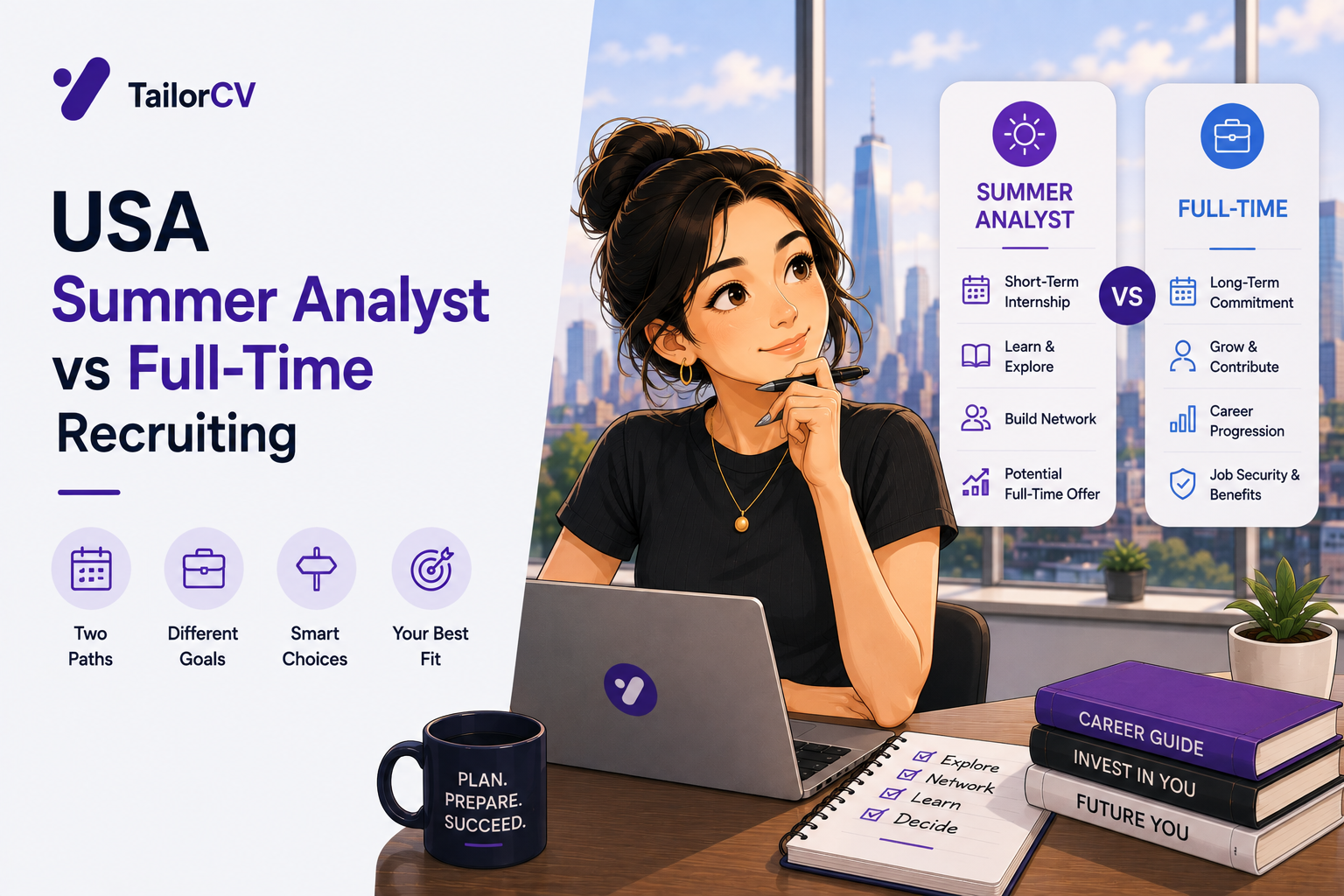
At most large employers the summer internship round is the real hiring decision and the full-time round is what remains afterwards. Understanding which pool you are in changes how you plan the whole cycle.
Teaching is one of the few US sectors with genuine shortages and structured routes for people without a domestic education degree. Certification is the gate, and it is state-by-state.
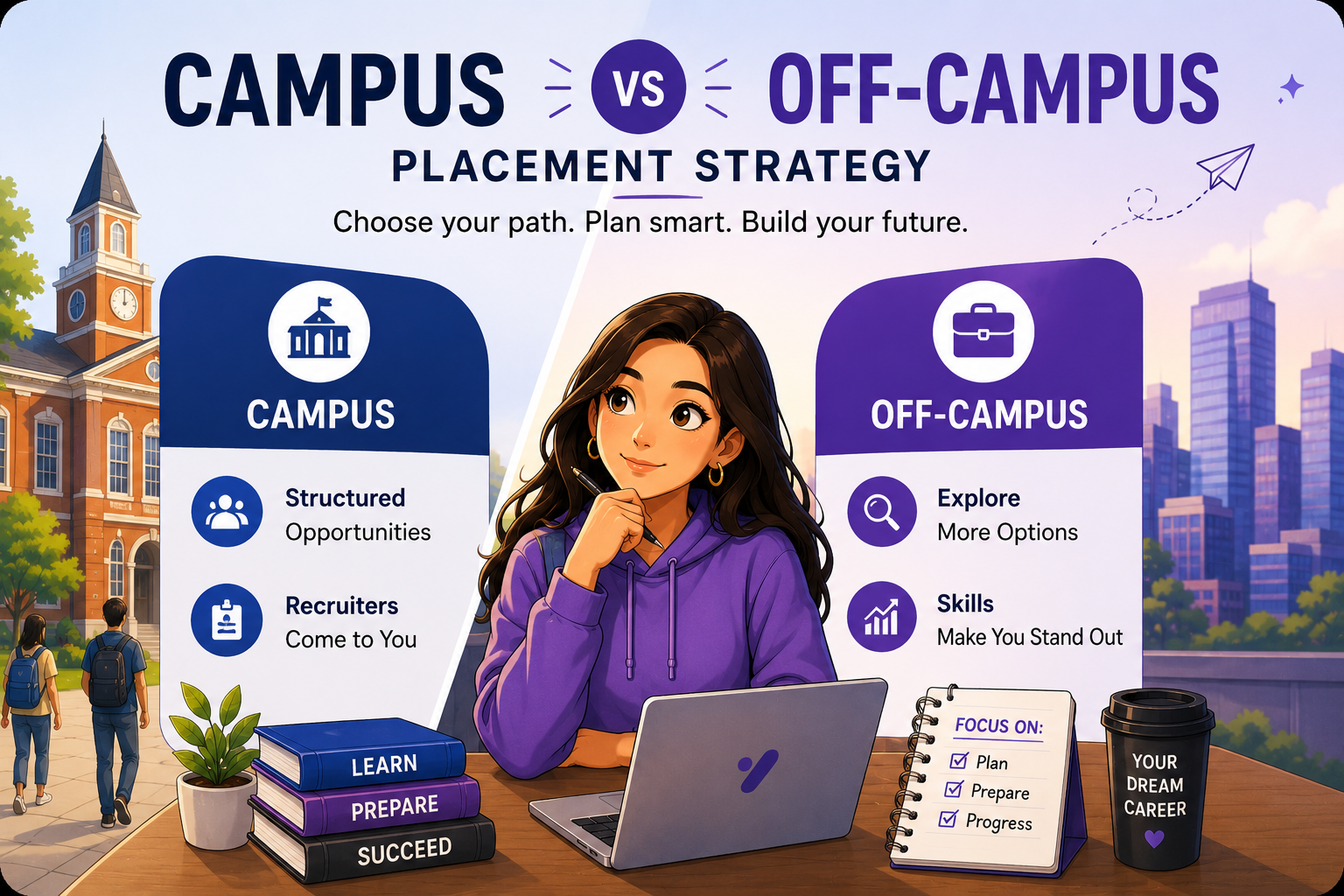
On-campus recruiting is convenient and narrow. Off-campus is broad and unstructured. How to split effort between them, and what to do when campus placement passes you over.
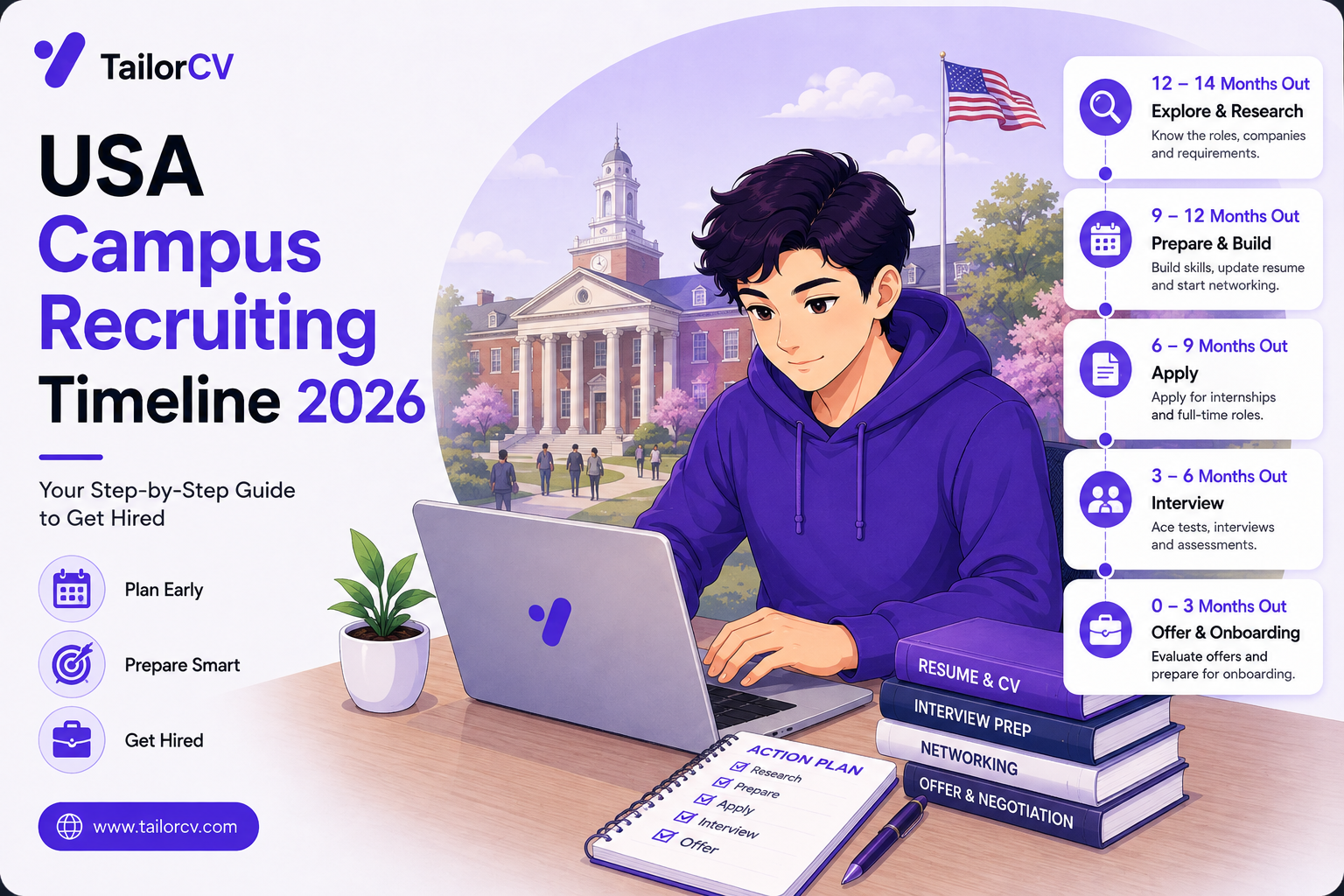
Canadian campus hiring runs earlier than most students expect, and co-op terms follow their own calendar. The windows that matter for new grads, interns and co-op students.
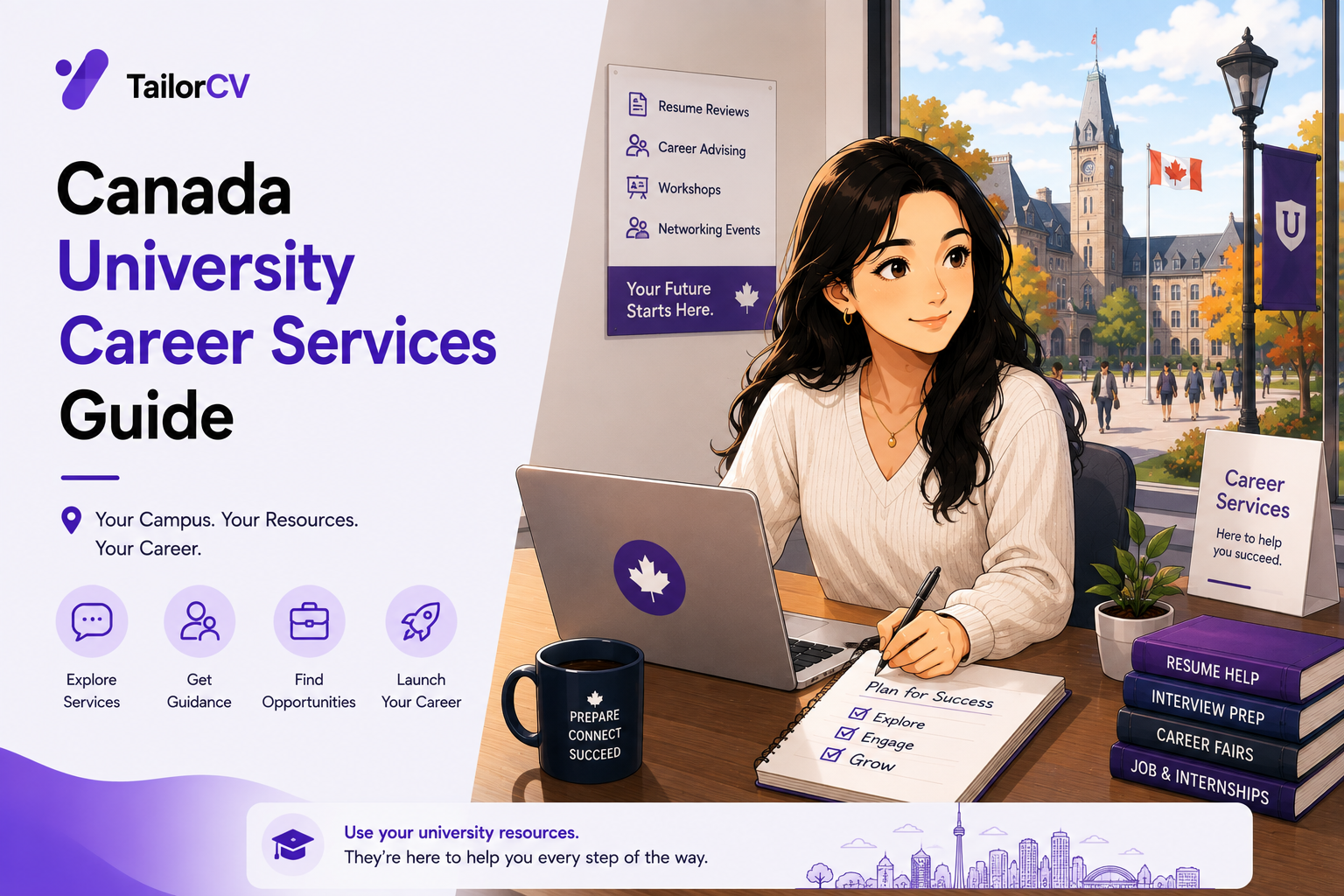
Career centres hold employer relationships, exclusive postings and co-op portals that are invisible from outside. What they actually offer and when to go.

Two to three years, several functions, sometimes several countries. What rotations actually give you, what you give up, and how placement decisions really get made.
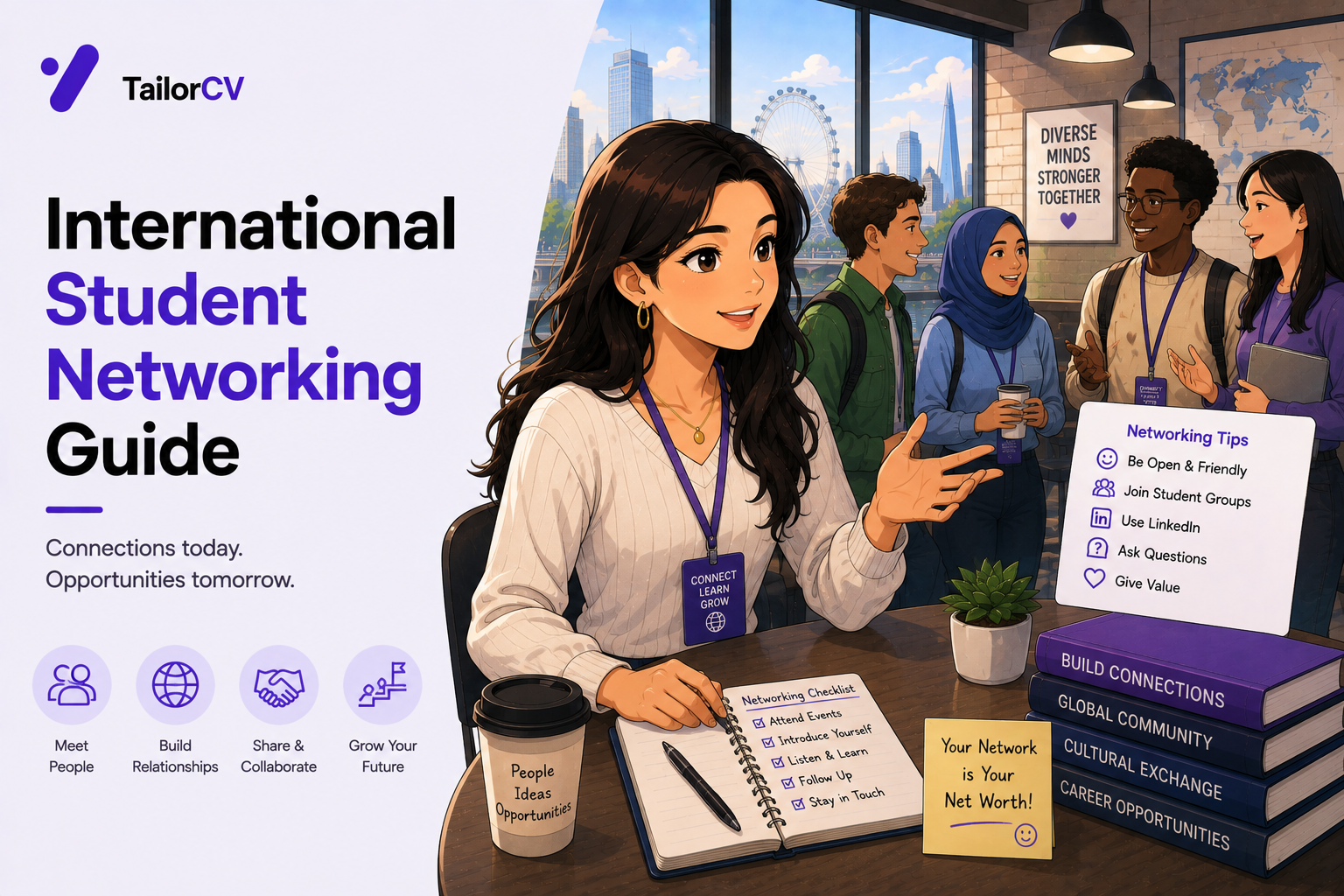
You arrive without the alumni ties and family contacts domestic classmates have. What actually replaces that, why cultural norms differ, and how to ask without feeling transactional.
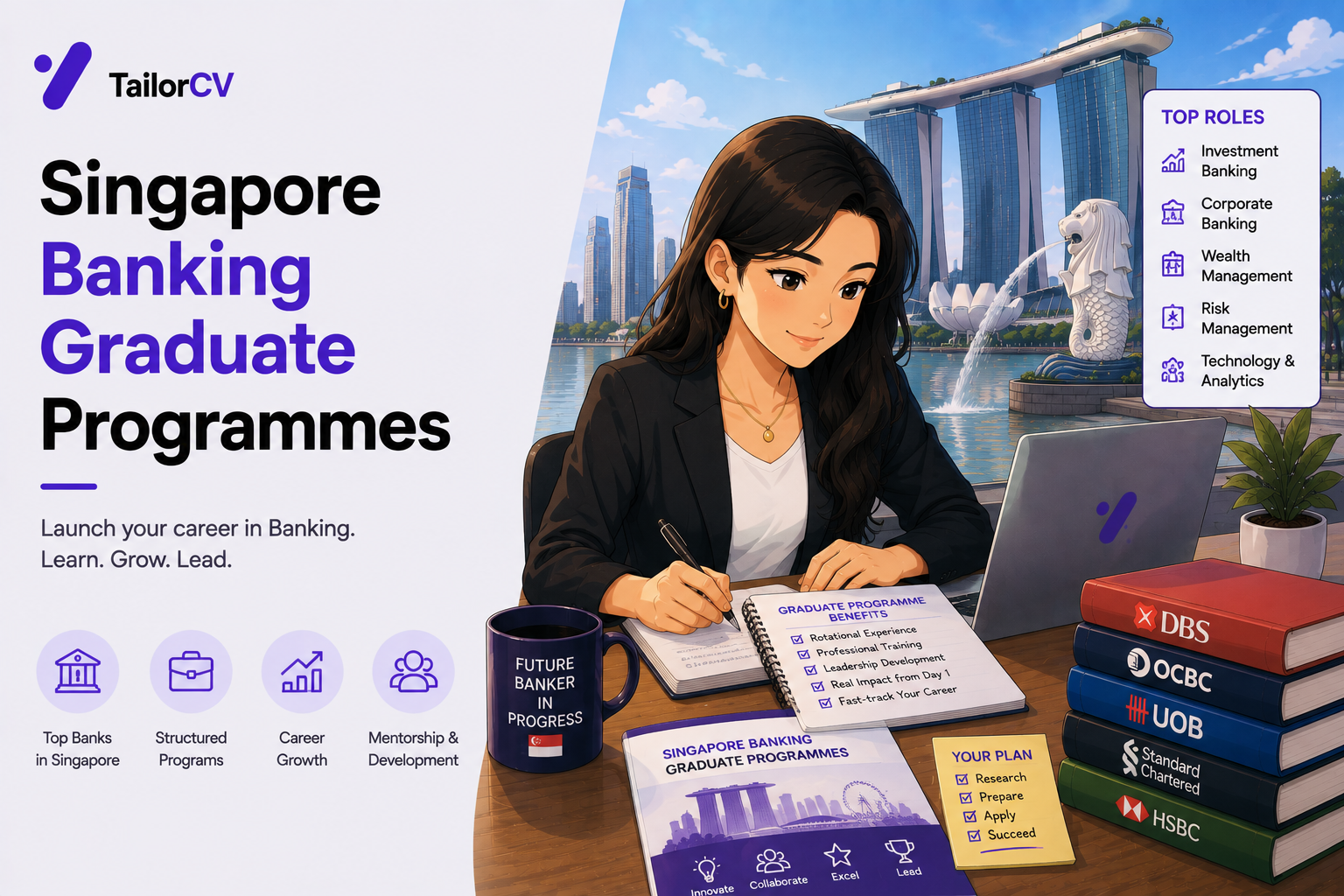
The local banks hire graduates in volume across front office, operations and engineering. How the programmes differ from global banks, and which routes are least contested.
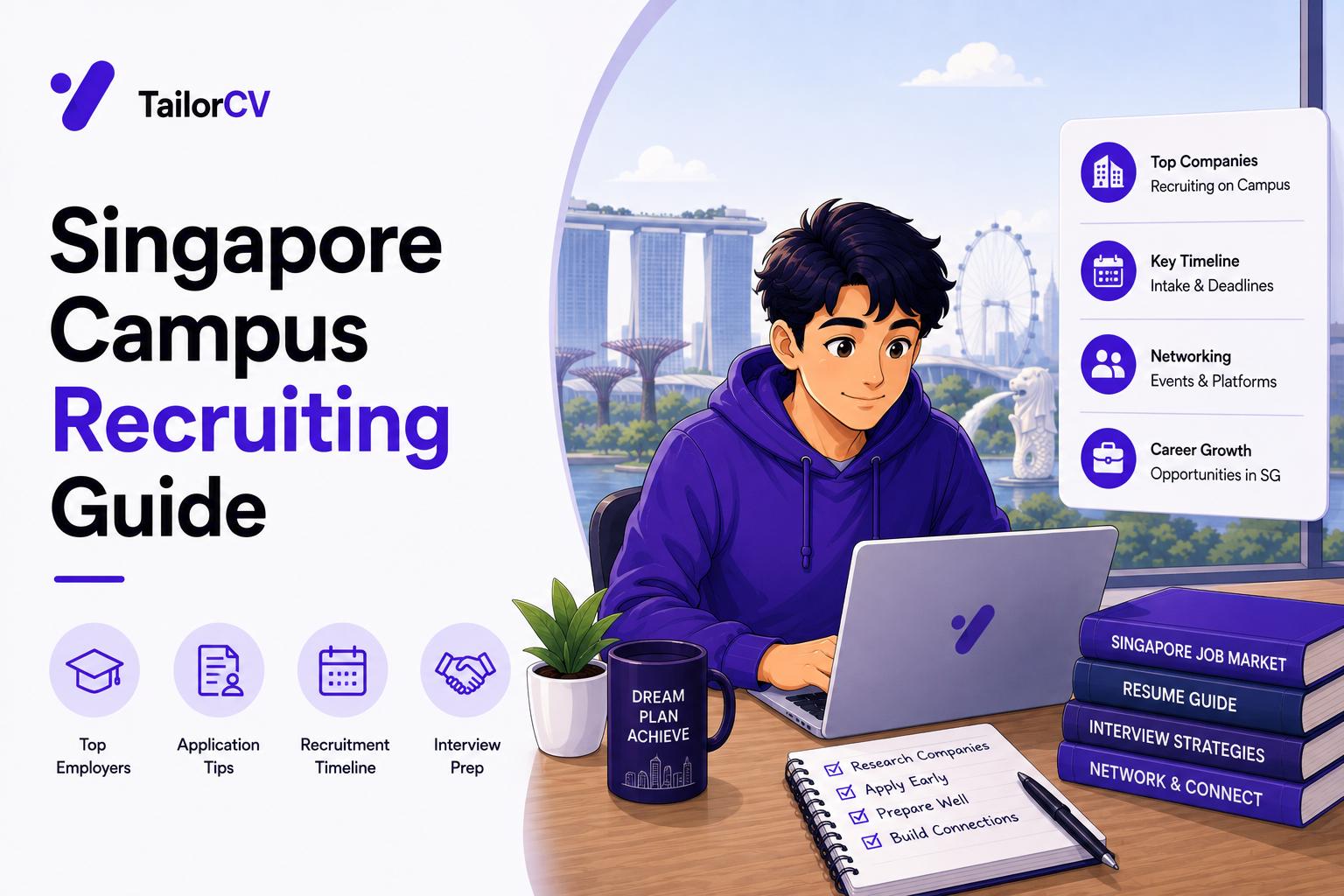
Management associate programmes, the local university advantage, and why Singapore's graduate market rewards early applications and work pass eligibility more than grades alone.
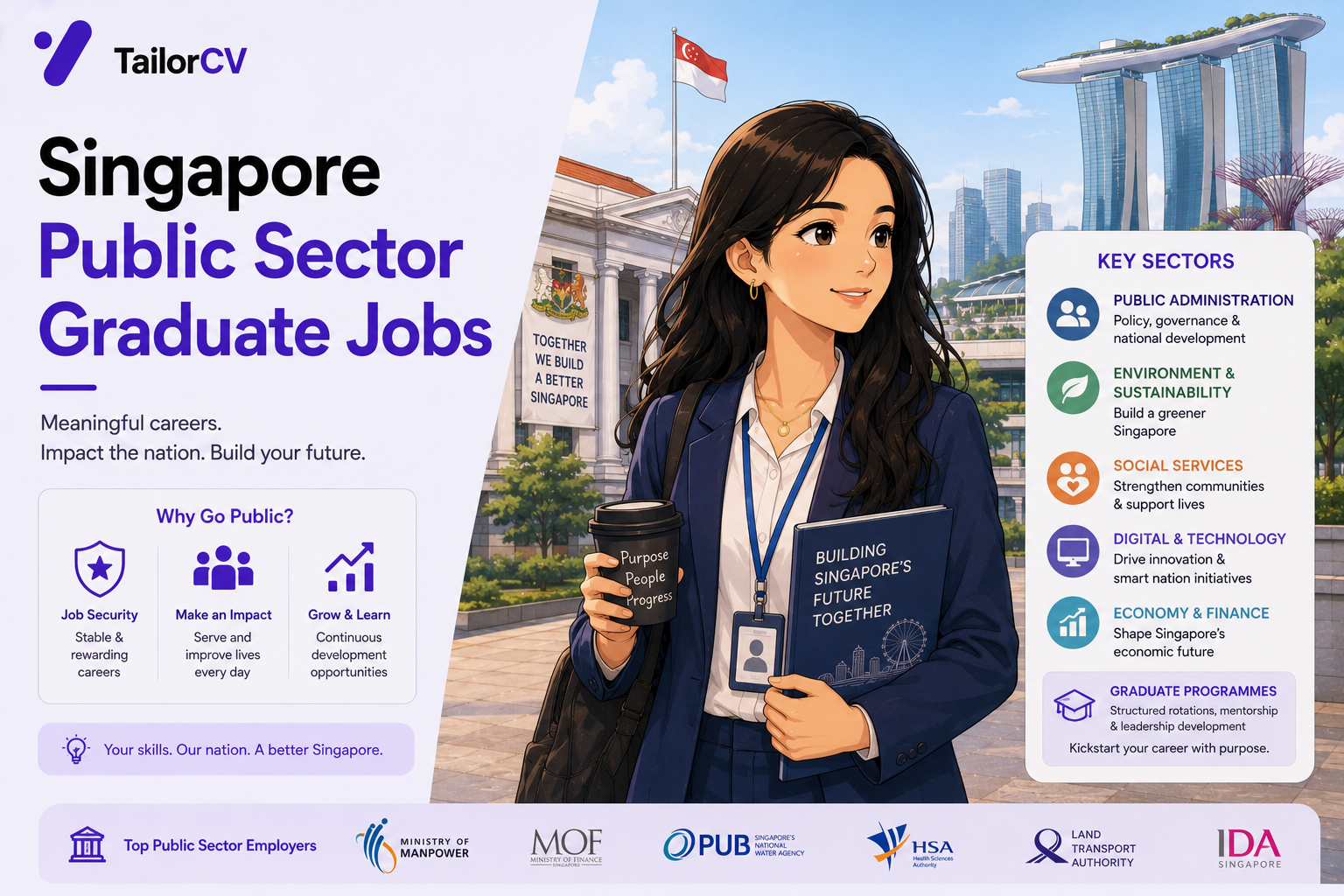
Ministries, statutory boards and government technology hire graduates at scale with structured programmes. What the work is, how selection differs, and the citizenship considerations.
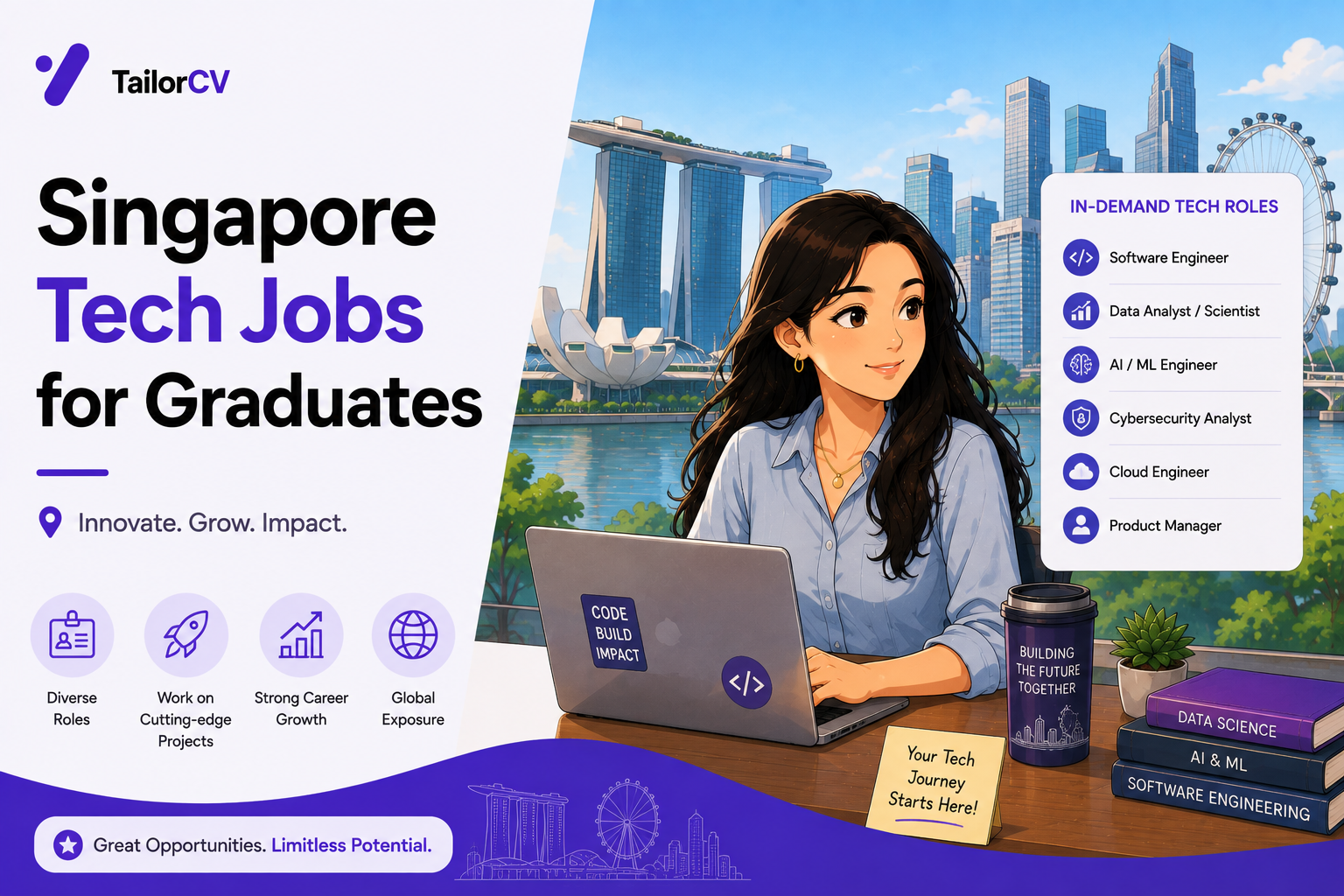
Regional headquarters, local platforms, banks hiring engineers, and government technology. Which employers hire graduates, what the interviews look like, and where passes are realistic.

Spring weeks are how banks and law firms pre-select interns two years ahead. Who they are for, when applications open, and what a place actually converts into.
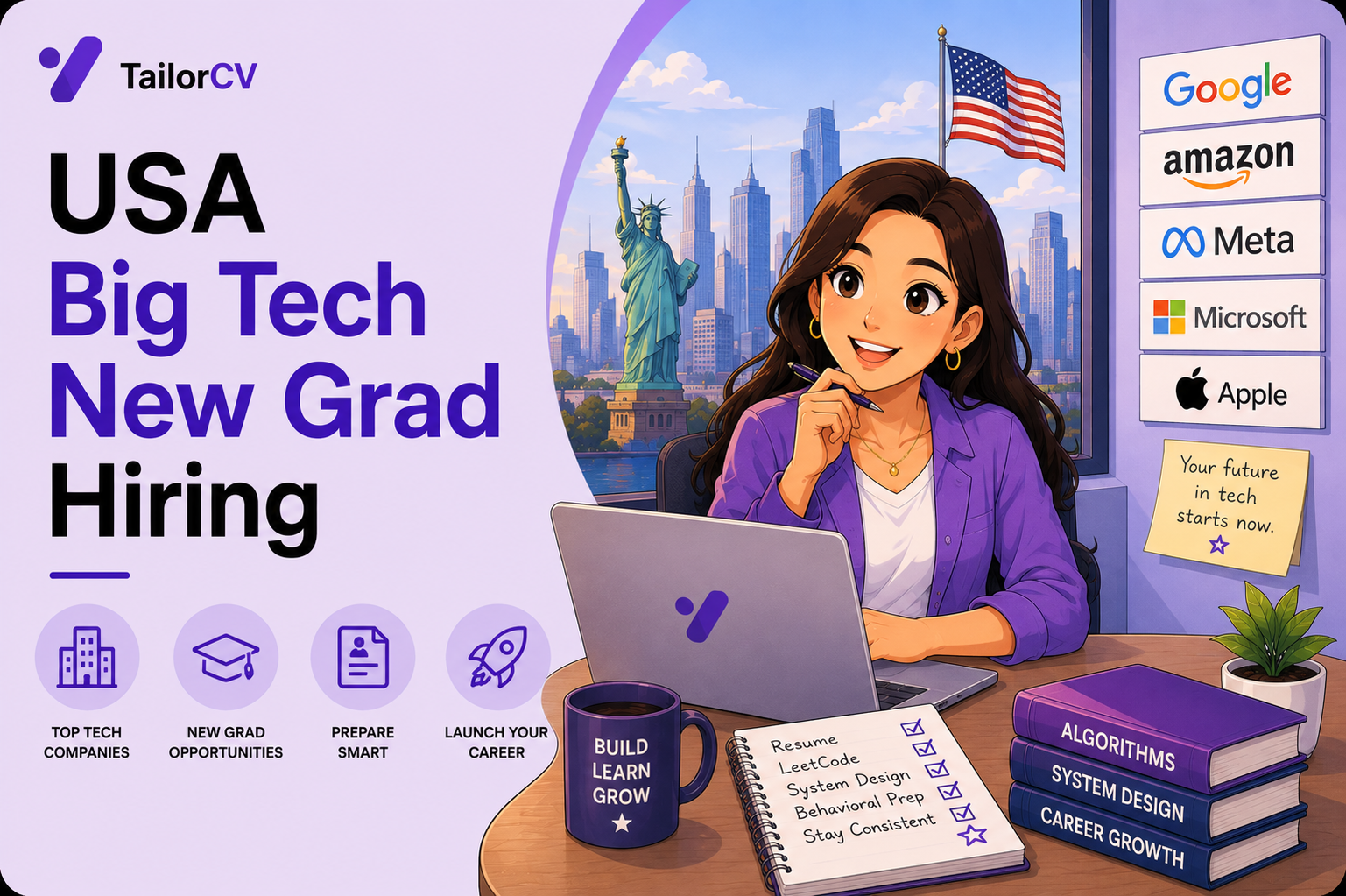
Large technology employers hire new grads differently from banks and consultancies. Team matching, hiring committees, level expectations, and why offers can stall after a passed loop.
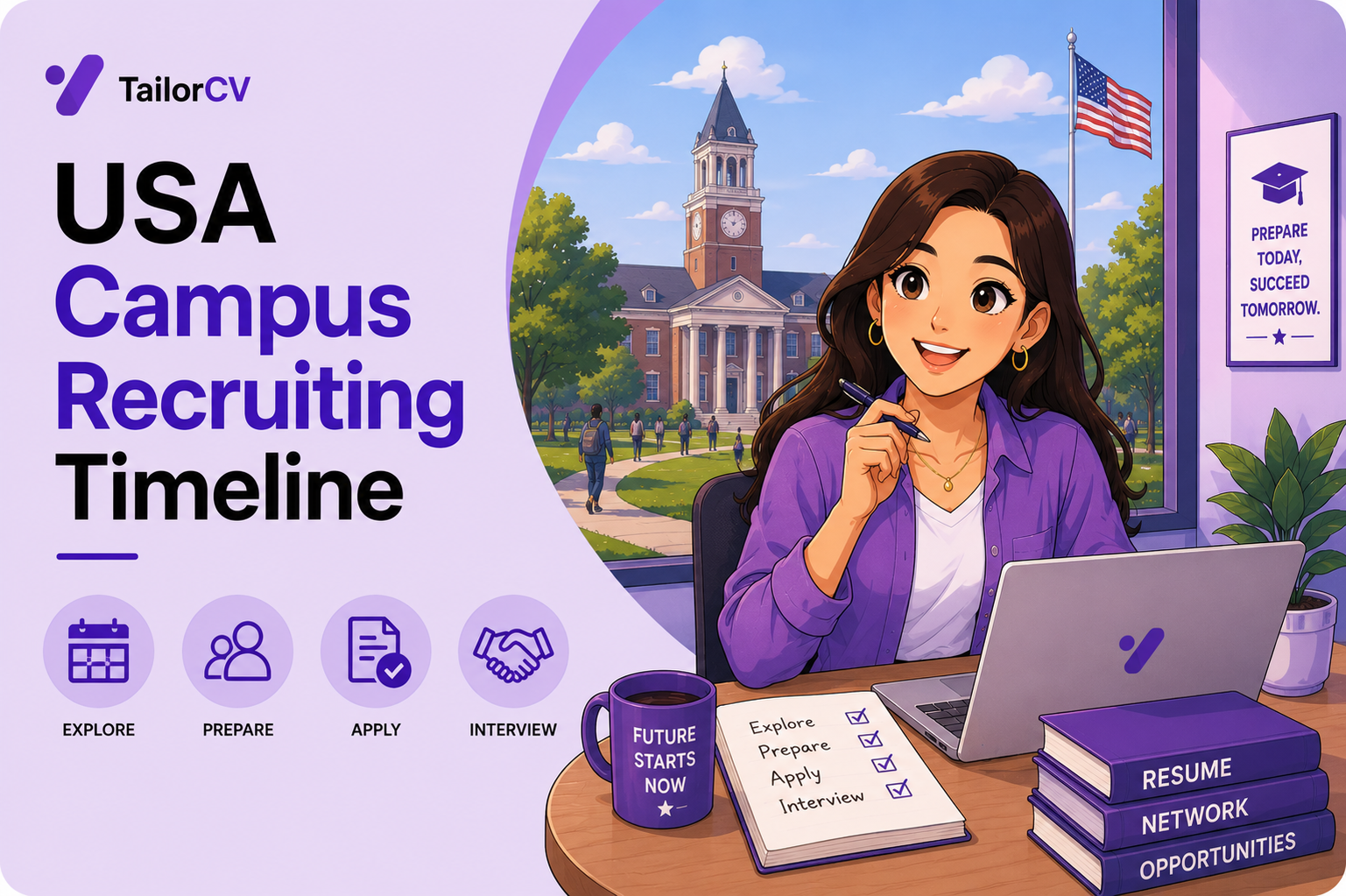
American campus hiring runs almost a year ahead of the start date. The month-by-month calendar for new grads and interns, and what happens if you miss a window.
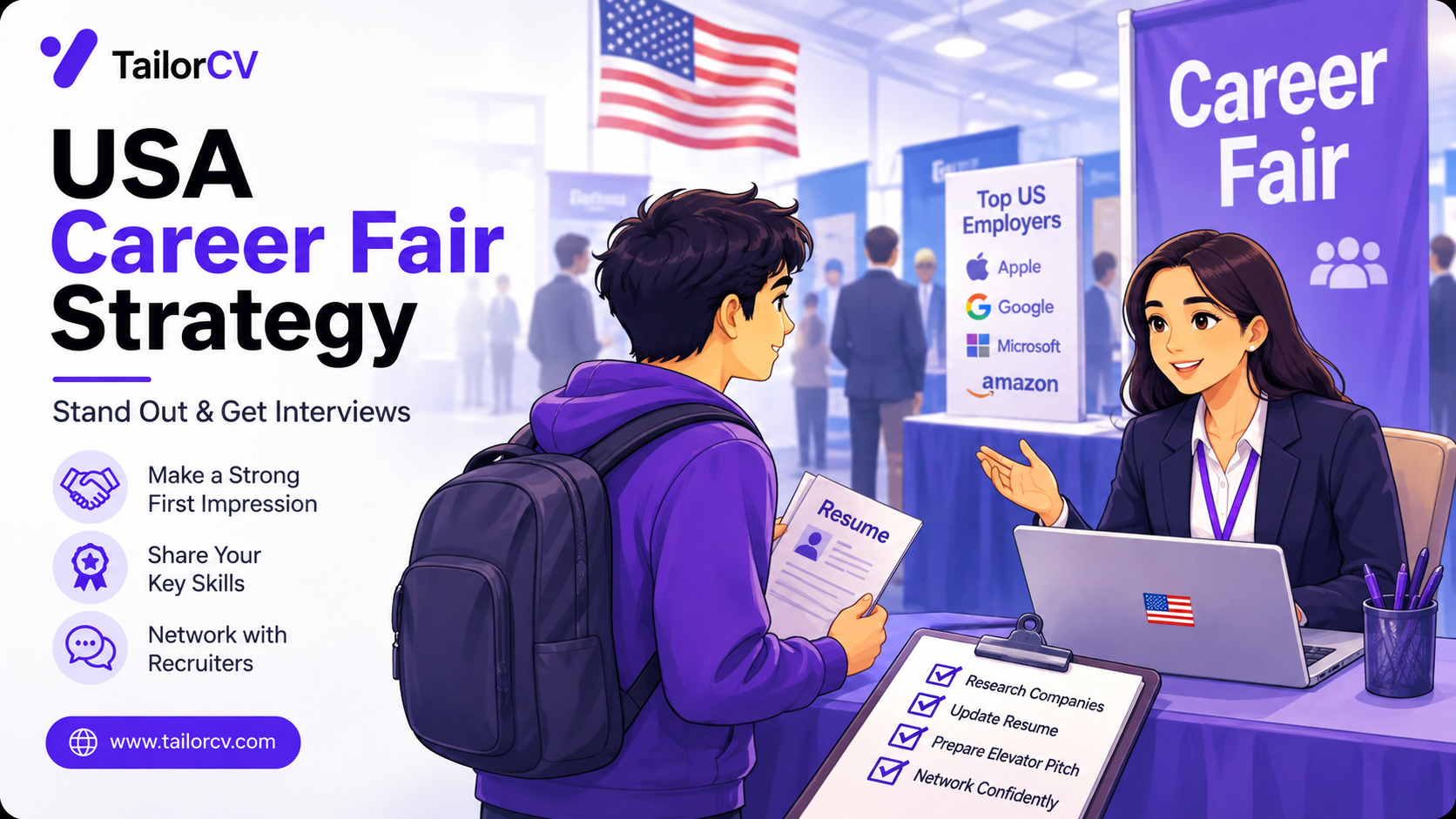
Career fairs reward preparation, not charisma. Which employers to target, what recruiters are actually recording, and the follow-up step most students skip.