

Latin America versus Asia for International Graduates
Two regions with growing economies, very different work authorisation regimes and language requirements, compared on the things that actually decide a move.
Actionable guides to improve ATS score, resume quality, and job search outcomes.
Two regions with growing economies, very different work authorisation regimes and language requirements, compared on the things that actually decide a move.

The temporary resident visa with work permission, the canje that follows arrival, and the routes that do not require an employer. How Mexican work authorisation actually works.

The sector employs enormous numbers of graduates and most advice about it is a decade out of date. What the work actually is now and how to build a career in it.

The Alien Employment Permit, the 9(g) visa and the professions that are constitutionally closed to foreigners. How Philippine work authorisation actually works.
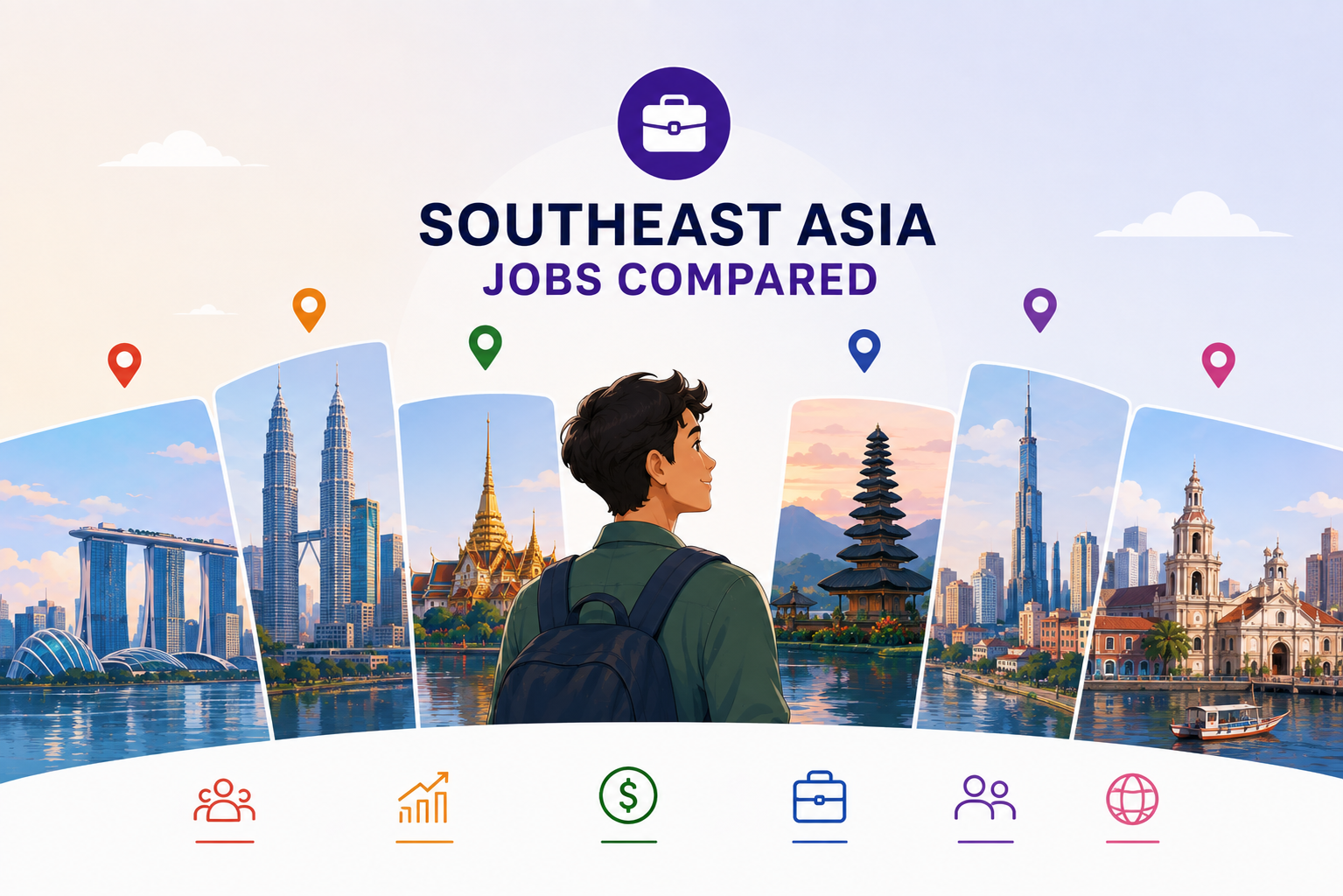
Vietnam, Thailand, Indonesia, the Philippines, Malaysia and Singapore set side by side on work authorisation, language, sectors and what a career there actually looks like.

The LTR work-from-Thailand category gave remote workers a genuine legal route for the first time. What it requires and how it compares to the alternatives.

A large and long-established market, a wide quality range between employers, and a legal framework that is stricter than the reputation suggests.

The Non-B visa, the work permit that follows it, the employer conditions that decide whether you can be hired at all, and the newer routes that changed the picture.
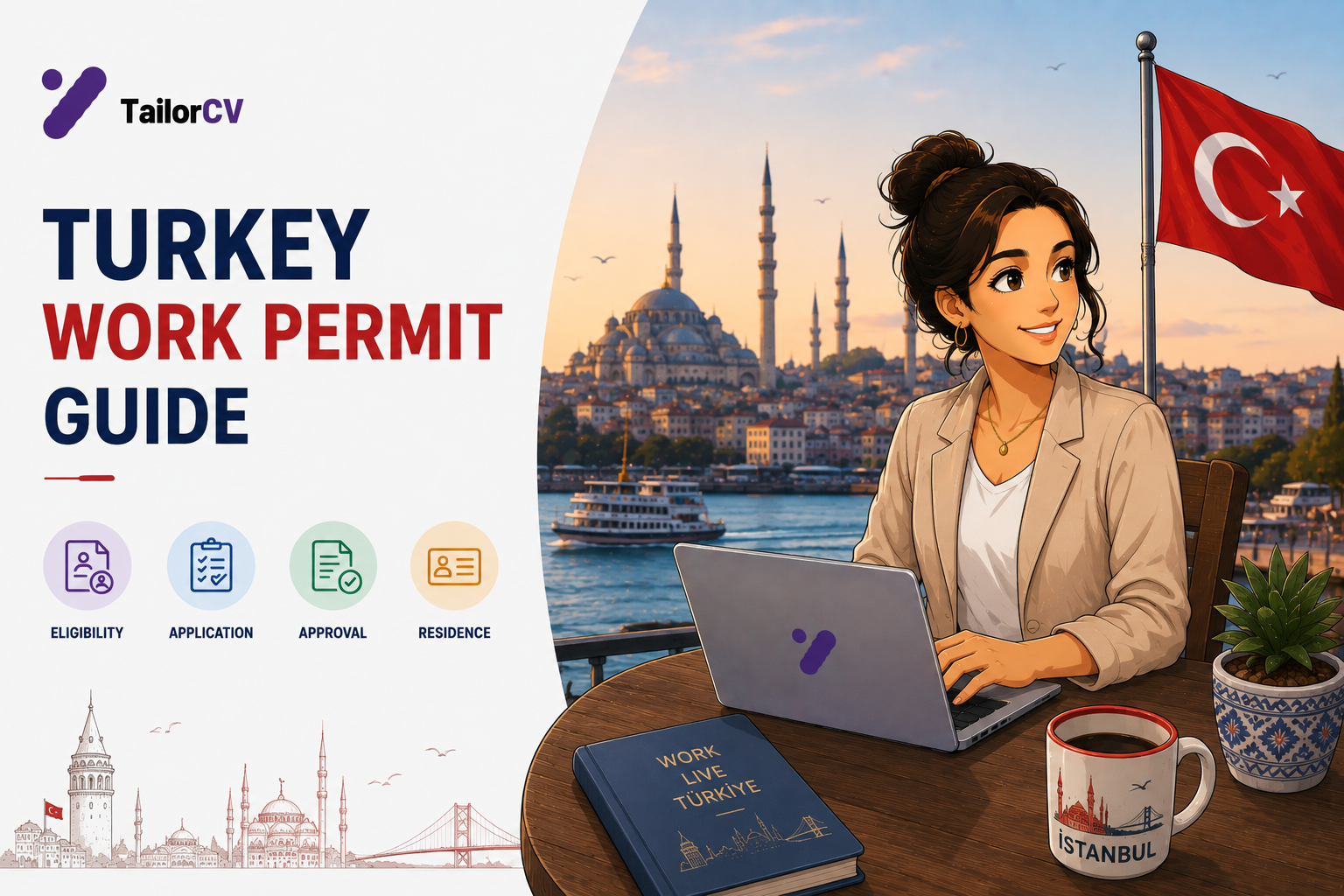
The employer-sponsored work permit, the quota and salary conditions that decide most applications, and the Turquoise Card for qualified professionals.

The most accessible way for a native English speaker to live and work legally in Vietnam. What the market actually pays, what it requires, and what it is not.

Employer-sponsored, expertise-based, and document-heavy. What the permit requires, which exemptions exist, and the paperwork that decides your timeline.

Free movement for EU citizens, a headquartering regime that transforms the position for everyone else, and a tax exemption that makes the arithmetic unusually favourable.

A digital nomad visa, a tax regime built to attract newcomers, and a Golden Visa that made Greece one of Europe's most-marketed residency destinations. What each actually does.

Austria scores you on qualifications, experience, language and age, and tells you the threshold in advance. How the points work and which category actually fits a graduate.

A single permit combining work and residence, a fast-track programme most people have not heard of, and the quirks of Czech administration that decide your timeline.

Which European markets you can genuinely work in without the local language, which sectors run in English everywhere, and where the ceiling is if you never learn one.
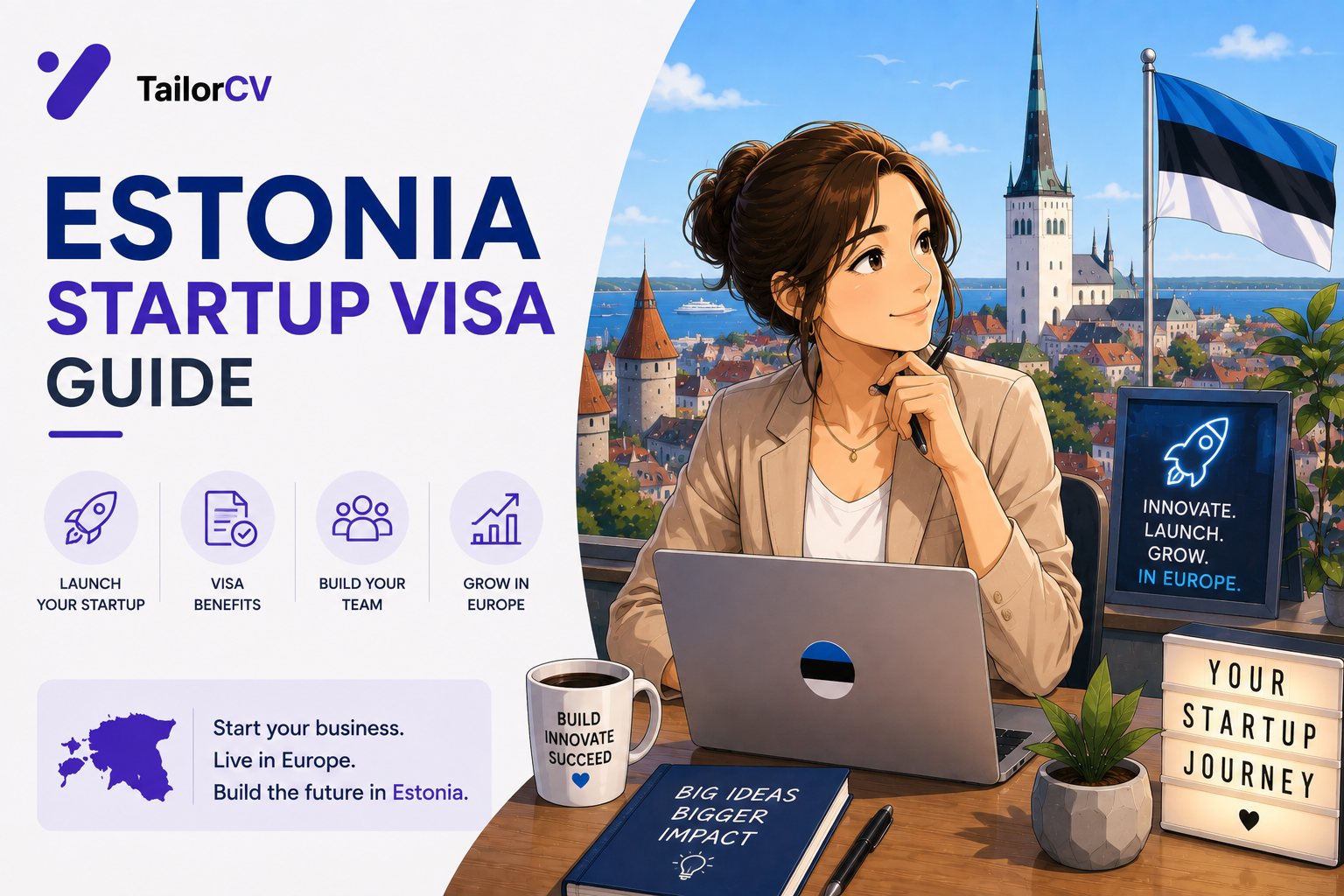
A purpose-built route for founders and startup employees, with a committee that decides whether your company qualifies. How it works and who it actually suits.

A country that has deliberately made its post-study route one of the more generous in Europe. What the specialist permit requires and how the job-seeking permit works.
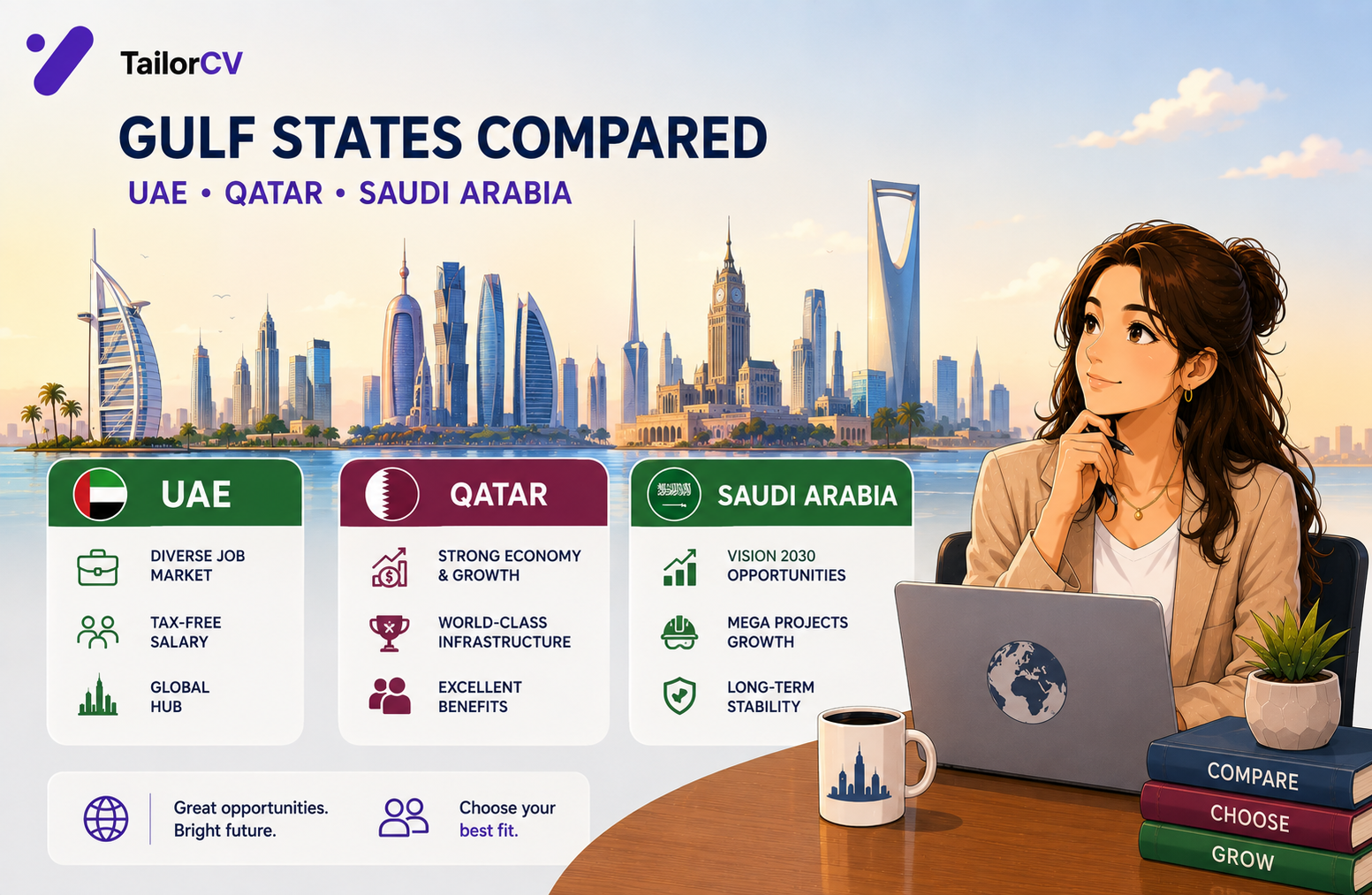
Three tax-free economies with converging immigration rules and genuinely different sectors, social environments and long-term propositions. How to choose between them.

The expert work visa, what it actually requires, and an honest account of the other routes — because Israel's immigration system is not built around skilled migration.