 SS
SS

Key Takeaways
- A physiotherapist resume in 2026 should highlight clinical assessment skills, treatment specialization, and measurable patient outcomes.
- The recommended resume format includes a header with licensure, a summary, clinical skills, work experience, and education, ideally spanning one to two pages.
- Strong bullet points should follow a specific formula to showcase interventions and their impact on patient recovery.
- Essential ATS keywords for a physiotherapist resume include terms related to rehabilitation, assessment, treatment modalities, and patient education.
- Examples of effective resume summaries are provided for both experienced and entry-level physiotherapists, emphasizing relevant skills and achievements.
A physiotherapist resume in 2026 must show clinical assessment ability, treatment specialization, patient outcomes, and licensure. Whether you work in orthopedics, neurology, sports, pediatrics, or geriatric rehabilitation, your resume should demonstrate that your interventions measurably improved patient function and recovery.
Before applying, run your resume through the ATS score checker. Use ATS-friendly resume templates. For other healthcare roles, read the nursing resume guide.
Best Physiotherapist Resume Format
- Header with licensure
- Summary
- Licensure and certifications
- Clinical skills and specialties
- Work experience
- education
Your resume after optimization
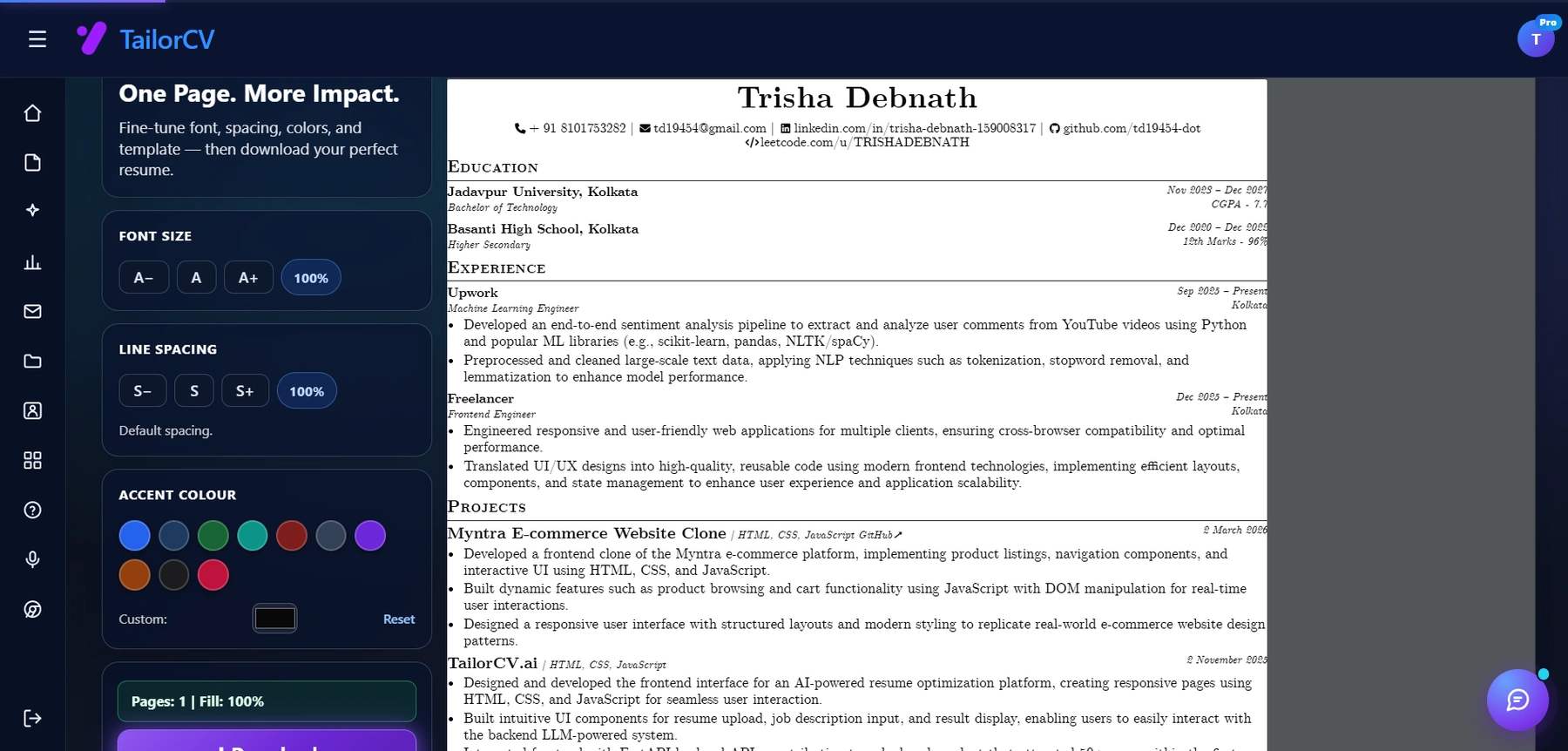
Font size, spacing, accent colour and template are all adjustable, with a live page counter.
One to two pages.
Physiotherapist Resume Summary
Formula:
Licensed Physiotherapist with X years of experience in [orthopedic / neuro / sports / pediatric] rehabilitation. Skilled in [assessment, manual therapy, exercise prescription]. Helped [patient population] achieve [functional or recovery outcome].
Example for Experienced Physiotherapist
Licensed Physiotherapist (MPT) with 6 years of experience in orthopedic and sports rehabilitation. Skilled in manual therapy, post-surgical rehabilitation, and movement assessment. Managed caseloads of 15+ patients daily, achieving above-benchmark functional recovery scores for ACL and rotator cuff rehabilitation programs.
Example for Entry-Level Physiotherapist
Licensed Physiotherapist (BPT) with strong clinical assessment and exercise prescription skills. Completed 1,000+ supervised clinical hours across orthopedic, neurological, and cardiopulmonary settings. Seeking an outpatient physiotherapy role focused on musculoskeletal rehabilitation.
Physiotherapist Skills
Assessment: Musculoskeletal assessment, gait analysis, range of motion (ROM) measurement, manual muscle testing, postural assessment, outcome measures (FIM, Berg Balance, VAS) Treatment: Manual therapy, mobilization, soft tissue techniques, exercise prescription, electrotherapy, dry needling, taping Specialties: Orthopedic, neurological (stroke, SCI, Parkinson's), sports, pediatric, geriatric, cardiopulmonary, post-surgical Modalities: Ultrasound, TENS, IFT, hot/cold therapy, traction, hydrotherapy Documentation: SOAP notes, treatment plans, progress reports, EMR systems Patient Care: Patient education, home exercise programs, fall prevention, ergonomic advice
Best ATS Keywords for Physiotherapist Resume
- Licensed physiotherapist / physical therapist
- Manual therapy
- Exercise prescription
- Musculoskeletal assessment
- Rehabilitation
- Gait analysis
- Post-surgical rehabilitation
- Orthopedic / neurological / sports physiotherapy
- Range of motion (ROM)
- Electrotherapy
- Patient education
- Home exercise program (HEP)
- Outcome measures
- SOAP notes
- Dry needling
- Balance and fall prevention
- Treatment planning
- EMR documentation
- Functional recovery
- Patient assessment
How to Write Physiotherapist Resume Bullet Points
Formula:
Assessed / Treated / Designed / Improved + [intervention or program] + [patient population] + [functional or recovery outcome]
Strong Bullet Points
- Managed a daily caseload of 16 orthopedic patients, designing individualized rehabilitation programs that achieved an average 30% faster return-to-function versus standard recovery timelines.
- Led post-ACL reconstruction rehabilitation for 40+ athletes annually, with 88% returning to pre-injury sport level within the targeted 9-month timeline.
- Designed and implemented a fall prevention program for 50+ geriatric patients, reducing fall incidents by 34% over 6 months as measured by facility incident reports.
- Provided neurological rehabilitation for stroke patients, improving average Berg Balance Scale scores by 12 points over 8-week treatment courses.
- Educated 200+ patients on home exercise programs with documented adherence tracking, improving treatment adherence rates from 61% to 79%.
Physiotherapist Resume Example
Senior Physiotherapist - Orthopedic Outpatient Rehabilitation Clinic | Apr 2021 - Present
- Manage a daily caseload of 15-18 orthopedic and sports patients, providing assessment, manual therapy, and exercise-based rehabilitation.
- Lead the clinic's post-surgical rehabilitation program for knee and shoulder procedures, achieving above-benchmark functional outcome scores.
- Designed evidence-based rehabilitation protocols for ACL, rotator cuff, and total knee replacement that were adopted clinic-wide across 6 therapists.
- Reduced average treatment course duration by 15% through optimized progression criteria while maintaining recovery outcomes.
- Mentored 4 junior physiotherapists and supervised 8 clinical interns in musculoskeletal assessment and manual therapy techniques.
Common Physiotherapist Resume Mistakes
Mistake 1: No patient outcomes
Recovery rates, return-to-sport percentages, functional score improvements, and fall reduction are powerful. Use them.
Mistake 2: License not visible
Physiotherapy is licensed. Make your registration status clearly visible near the top.
Mistake 3: Generic treatment descriptions
"Treated patients with various conditions" - specify your specialty, patient population, and the interventions you delivered.
Mistake 4: No specialization clarity
Orthopedic, neuro, sports, pediatric - clarify your focus so employers can match you to the right setting.
Conclusion
A strong physiotherapist resume in 2026 shows clinical specialization, assessment skills, and measurable patient recovery outcomes. Make your licensure visible and your treatment results specific.
Run your resume through the TailorCV ATS score checker. Then prepare for interviews with the interview preparation guide.
Related Guides
- Nursing Resume
- Pharmacist Resume
- Accountant Resume
- Android Developer Resume
- Backend Developer Resume
- Business Analyst Resume
- Chemical Engineer Resume
- Civil Engineer Resume
- Cloud Engineer Resume
- Consultant Resume
- Content Writer Resume
- Customer Service Resume
- Cybersecurity Engineer Resume 2026 - Complete Guide with Examples
- How to List Education on a Resume in 2026 - Complete Guide with Examples
Make This Practical
Once you draft this resume, test it against a real job post with the free ATS score checker. Then improve fit using Resume Matching With Job Description, polish the layout with ATS-friendly resume templates, and make the bullets stronger with How to Write Resume Bullet Points.
A complete application needs more than one document. Pair the resume with a targeted letter from the AI cover letter generator, practice role-specific questions with the AI mock interview tool, and publish proof of work with the portfolio website builder when your role benefits from projects or case studies.
Step-by-Step Guide to Customize Your Physiotherapist Resume
Creating a tailored resume can make a significant difference in landing your desired physiotherapist position. Follow these steps to ensure your resume stands out:
-
Research the Job Description: Before you start writing, analyze the job description thoroughly. Identify key responsibilities and required skills. Use the Job Description Analysis Checklist Before You Apply to ensure you capture all essential elements.
-
Select the Right Format: Choose a resume format that highlights your strengths. For physiotherapists, a chronological format works well to showcase your experience.
-
Write a Strong Summary: Craft a compelling summary that encapsulates your qualifications and career goals. This should reflect your unique selling points and align with the job you're applying for.
-
List Relevant Skills: Make a comprehensive list of both hard and soft skills relevant to the physiotherapy field. Tailor this section to match the keywords found in the job description.
-
Detail Your Experience: Use bullet points to detail your work experience, focusing on achievements and quantifiable outcomes. Highlight specific techniques or approaches you’ve used in previous positions.
-
Include Certifications and Education: Clearly list your educational background and any relevant certifications. This can set you apart from other candidates.
-
Finalize and Proofread: Review your resume for any errors or inconsistencies. Use tools like the ATS checker to ensure your resume can pass through Applicant Tracking Systems.
Common Mistakes to Avoid in Your Physiotherapist Resume
To enhance your chances of getting noticed, avoid these common pitfalls:
-
Generic Resumes: Failing to customize your resume for each job application can lead to missed opportunities. Always tailor your resume to reflect the specific role you are applying for.
-
Overloading with Jargon: While it’s important to use industry-specific terms, avoid excessive jargon that might confuse recruiters. Keep it clear and professional.
-
Ignoring the ATS: Not optimizing your resume for Applicant Tracking Systems can result in your application being overlooked. Use relevant keywords and phrases.
-
Lack of Quantifiable Achievements: Simply listing responsibilities without showcasing achievements can weaken your resume. Always include metrics to demonstrate your impact.
-
Formatting Issues: Ensure your resume is visually appealing and easy to read. Stick to a clean format with consistent font styles and sizes.
Do's and Don'ts for a Physiotherapist Resume
Do's
-
Do Use Action Verbs: Start each bullet point with strong action verbs to convey your contributions clearly. Words like "assessed," "developed," and "implemented" can make a significant impact.
-
Do Tailor Your Resume: Customize your resume for each application by incorporating relevant keywords from the job description.
-
Do Highlight Relevant Experience: Focus on your most relevant experience, especially if you've worked in various settings (e.g., hospitals, clinics, or sports).
Don'ts
-
Don't Include Irrelevant Information: Avoid cluttering your resume with unrelated experiences or skills. Keep it focused on physiotherapy.
-
Don't Use a One-Size-Fits-All Approach: Each job is unique; treat your resume as a living document that evolves with each application.
-
Don't Forget Contact Information: Ensure your contact details are up to date and easy to find at the top of your resume.
Mini Checklist for Your Physiotherapist Resume
Before submitting your resume, ensure you have checked the following:
- unchecked: Is my contact information accurate and prominently displayed?
- unchecked: Have I tailored my resume to the specific job description?
- unchecked: Did I use relevant keywords and phrases?
- unchecked: Are my achievements quantified with metrics where possible?
- unchecked: Is my resume free from grammatical and spelling errors?
- unchecked: Have I used a clean and professional format?
- unchecked: Did I include all relevant certifications and licenses?
Short Scenarios: How to Handle Specific Resume Challenges
-
Scenario: You Have Limited Experience
If you're a recent graduate or have limited experience, focus on your education, internships, and any volunteer work related to physiotherapy. Highlight relevant coursework and projects, and consider including a section for your professional development or continuing education. -
Scenario: You Are Changing Careers
If you’re transitioning from another field, emphasize transferable skills. Showcase how your previous experiences can contribute to your effectiveness as a physiotherapist. For instance, if you come from a fitness background, highlight your knowledge of exercise physiology. -
Scenario: You’re Re-entering the Workforce
If you’ve taken a break from your career, be honest about your time away and focus on relevant skills you maintained or developed during that period. Consider including any volunteer work or courses taken to stay current in the field.
By applying these strategies, you can create a compelling physiotherapist resume that showcases your qualifications and increases your chances of getting hired. For more insights on related professions, check out our guide on Pharmacist Resume 2026 - Complete Guide with Examples or explore how to enhance your job search with an AI Job Search Agent 2026.
Frequently Asked Questions
What should I include in my physiotherapist resume summary?
Your physiotherapist resume summary should highlight your licensure, years of experience, clinical skills, and specific patient outcomes you've achieved. For example, you might say, "Licensed Physiotherapist with 6 years of experience in orthopedic and sports rehabilitation." This concise overview sets the tone for your resume and showcases your qualifications right away.
How can I optimize my resume for ATS?
To optimize your resume for Applicant Tracking Systems (ATS), incorporate relevant keywords related to your skills and specialties. Use the job description as a guide to identify these keywords. Additionally, running your resume through a free ATS score checker can help you ensure that it meets ATS standards and increases your chances of getting noticed by employers.
What are some effective bullet points to demonstrate patient outcomes?
Effective bullet points should focus on measurable results and specific patient populations. For instance, you could write, "Achieved 90% of patients reaching their rehabilitation goals within 12 weeks through tailored exercise programs." Highlighting specific outcomes not only demonstrates your impact but also showcases your clinical assessment skills.
How long should my physiotherapist resume be?
Your physiotherapist resume should ideally be one to two pages long, depending on your experience. A concise format allows you to present your qualifications clearly while keeping the reader's attention. Make sure to include essential sections such as your summary, licensure, clinical skills, and work experience to create a comprehensive yet succinct document.
What format should I use for my physiotherapist resume?
The recommended format for a physiotherapist resume includes a header with your licensure, a summary section, and lists for licensure and certifications, clinical skills, work experience, and education. This structured approach helps employers quickly identify your qualifications and ensures that your resume is reader-friendly. Consider using ATS-friendly resume templates to enhance your presentation. Additionally, you might find it helpful to explore job description analysis checklist to tailor your resume effectively.
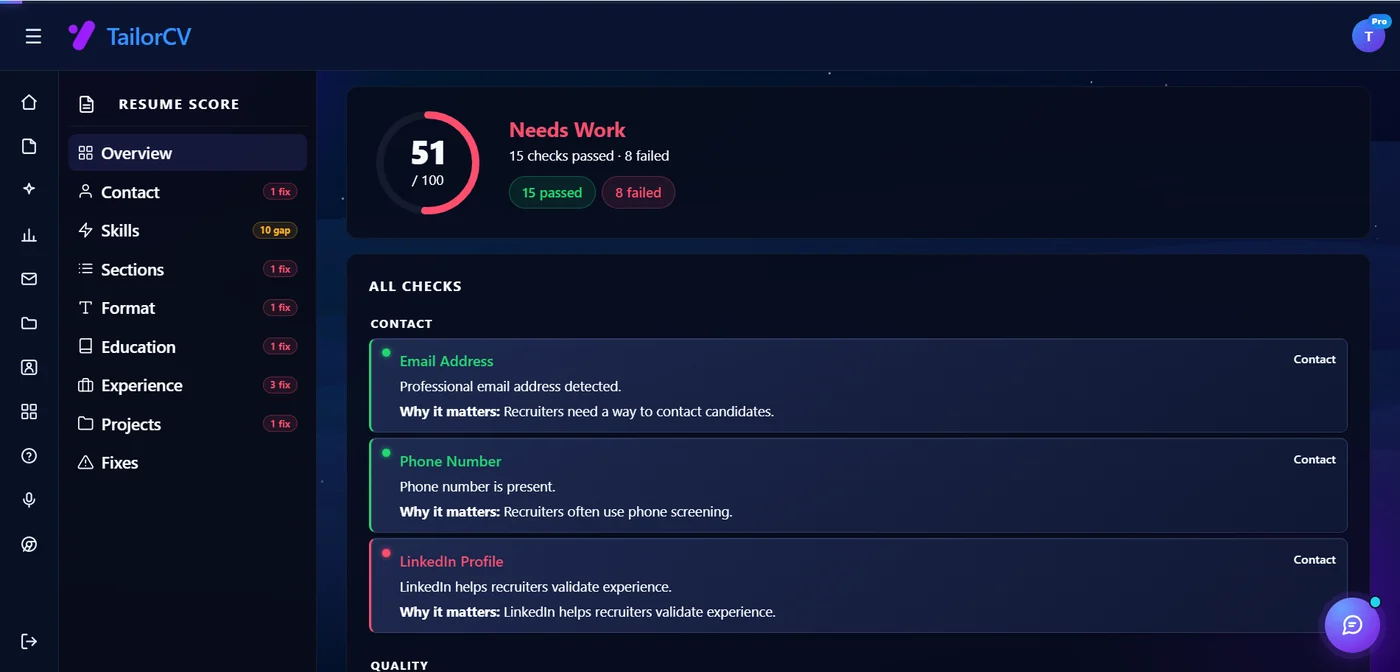
What is your resume scoring right now?
Scan it against a job description and get your ATS match score in about a minute.
Drop your resume here or choose a file
PDF only. Max 2 MB.
We never share your data or use it to train AI models.
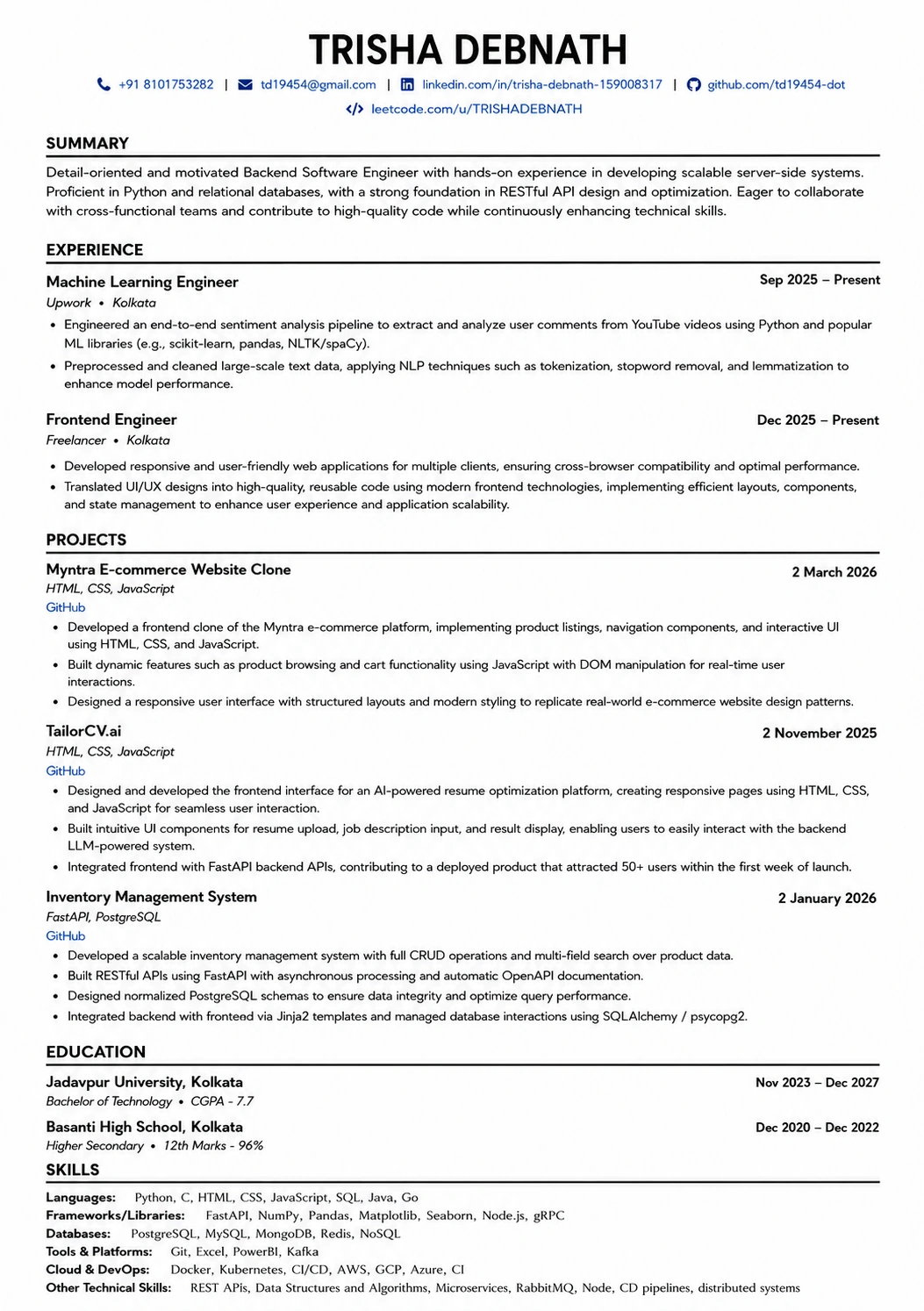
Templates that keep this structure intact
This template is ATS-tested — start from it and the formatting rules in this guide are already handled.
Was this guide useful?
Be the first to rate it.