 SS
SS
Key Takeaways
- A large share of UK roles are placed through recruitment agencies, so the boards are partly a route to consultants rather than direct to employers.
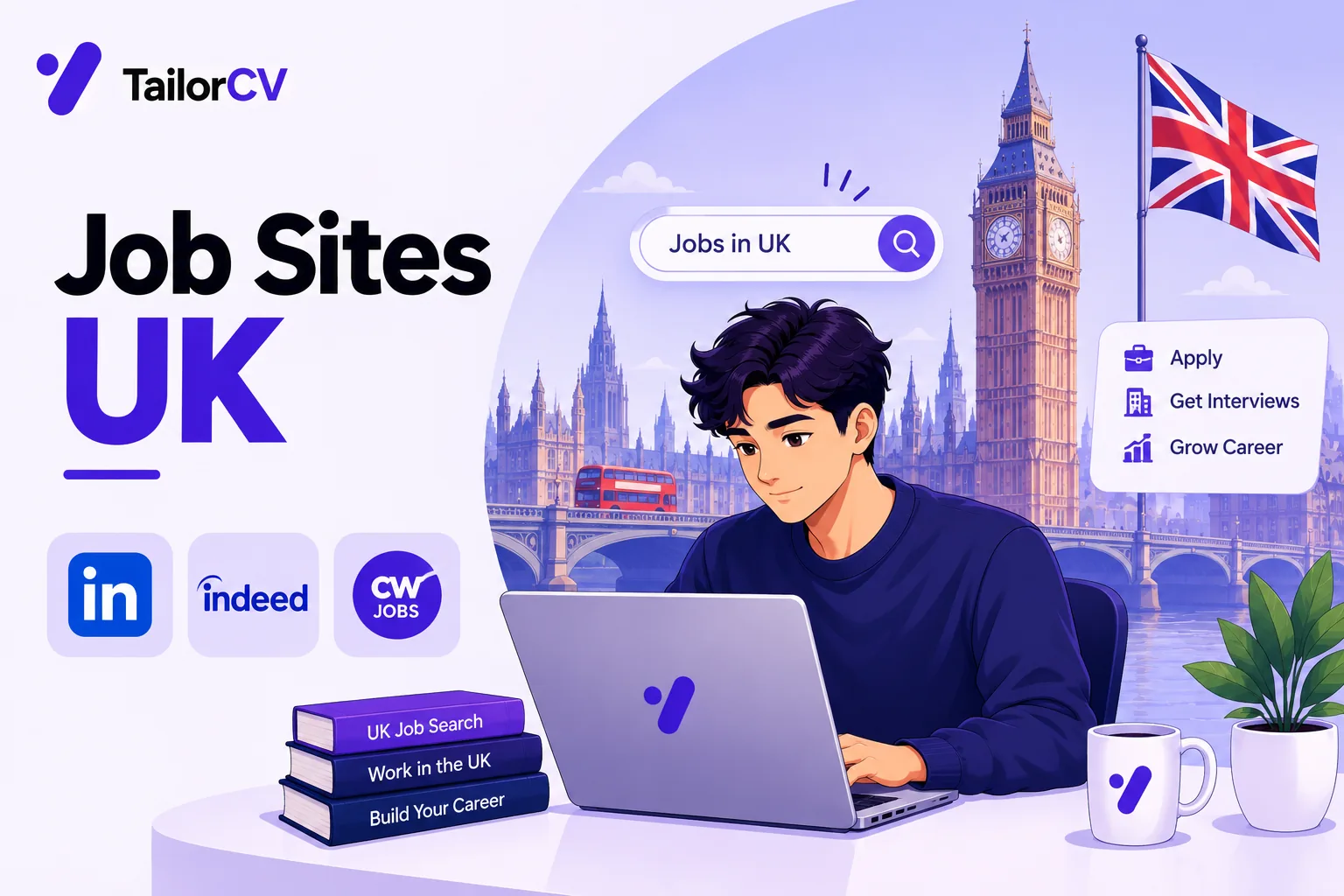
- Indeed, Reed, Totaljobs, CV-Library, and LinkedIn cover most of the general market; specialists cover the rest better.
- Uploading your CV to a board puts it in a searchable database, so how it parses determines whether recruiters find you.
- The public register of licensed visa sponsors is more useful than any job board if you need sponsorship.
- Public sector, NHS, and academic roles live on their own dedicated platforms and are easy to miss.
The UK job market has an unusual feature compared with the US: recruitment agencies place a very large share of roles. That changes how the job boards work. Many listings you see are posted by consultants rather than employers, and applying often means entering an agency's database rather than a company's.
That is not a problem, but it does change the strategy. Your CV needs to work as a database record as much as a document, and a good relationship with three or four consultants in your field can be worth more than a hundred applications.
This guide covers which platforms carry what, and how to be found on them.
Before uploading anywhere, check what a parser extracts from your file with the free ATS score checker.
The General Boards
Indeed
The largest by volume, aggregating from employer sites and other boards as well as carrying direct listings. Strong coverage across every sector and seniority level.
Best for: breadth. Start here to gauge what exists, then go narrower.
Reed
One of the long-established UK platforms, run by a recruitment company, so agency listings feature heavily. Good coverage in office, finance, and professional roles.
Best for: professional and commercial roles, and reaching agency consultants.
Totaljobs
Broad general coverage with a large database, widely used by both agencies and direct employers.
Best for: general search, particularly outside London.
CV-Library
Heavily database-driven - the value is as much in being found as in applying. Recruiters search the CV database constantly.
Best for: passive discovery. Upload a well-structured CV and let consultants find you.
Used extensively by UK recruiters, more than in some markets. Both a job board and the main channel for direct recruiter outreach.
Best for: professional roles, inbound contact, and research on hiring managers. Optimise the profile using the LinkedIn profile optimization guide.
Sector-Specific Platforms
Missing these is a common and costly gap.
NHS Jobs - the route for NHS clinical and non-clinical roles. Applications use a standard structured form rather than a CV, which is a different exercise entirely.
Civil Service Jobs - UK government departments. Applications are competency-based and often require written statements against named behaviours, so allow real time per application.
jobs.ac.uk - academic and research posts across UK universities. The standard platform for postdoctoral and lectureship roles.
Technology boards - alongside LinkedIn, specialist technology job boards and community sites carry roles that never reach the general platforms. London's market in particular has its own ecosystem, covered in London tech jobs.
Graduate platforms - graduate schemes run on their own calendar and their own sites, with applications opening in autumn for the following year. See the UK graduate scheme guide.
Charity and third sector - dedicated boards carry roles that rarely appear on the commercial platforms.
If You Need Visa Sponsorship
The single most useful resource is not a job board at all: the Home Office publishes a public register of every organisation licensed to sponsor workers.
Filter it by city and sector and you have a list of employers who are structurally able to hire you. Cross-reference against the boards rather than applying blind, because most UK employers cannot sponsor, and an application to an unlicensed employer is wasted regardless of fit.
Some boards also let you search for sponsorship-related terms directly, which helps but is less reliable than the register itself. The full process is in the UK Skilled Worker visa guide, and the wider strategy in how to get a job in the UK as a foreigner.
Working With Recruitment Agencies
Since agencies place so many UK roles, treat them as a channel rather than an obstacle.
Pick three or four specialists in your field rather than registering with everyone. Multiple agencies submitting you to the same client causes problems and reflects badly on you.
Be direct about your situation in the first call - salary expectations, notice period, and whether you need sponsorship. A good consultant will tell you immediately whether their clients can work with that.
Expect reformatting. Agencies often move your CV onto their own template before sending it to a client, which is why clean structure matters and why some still request Word rather than PDF.
Stay in touch periodically without being a nuisance. Consultants work on what is in front of them.
How Boards Screen You
Uploading a CV puts it into a searchable database. Recruiters search that database by keyword, job title, and location - so being found is a parsing problem before it is a writing problem.
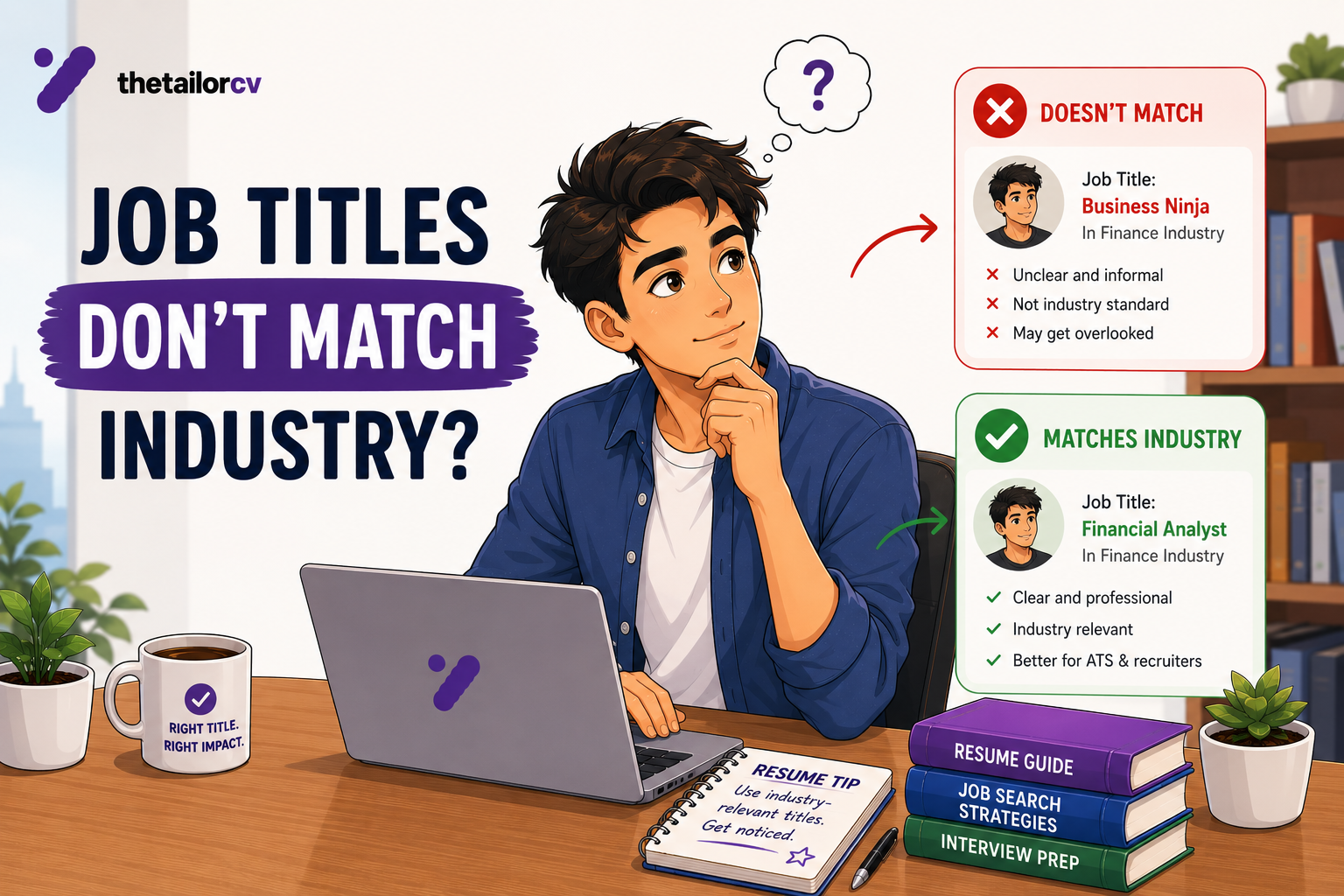
Standard job titles. A recruiter searching "Financial Analyst" will not find "Numbers Wizard". Use the market title and bracket the internal one if it matters.
Named skills, not categories. "Cloud platforms" is not searchable; "AWS" is. See the best resume keywords for the UK.
Clean structure. Standard headings, single column where possible, nothing critical in headers or footers, no text inside images. Failure modes are in ATS resume formatting mistakes.
Complete profiles rank higher in most board search results. Fill in every field, including the ones that feel redundant.
Update regularly. Several boards sort by recency of update, so a CV refreshed this week surfaces above an identical one from last year.
Set location realistically. Search is location-filtered. If you will relocate, say so in the field rather than only in the CV.
Common Mistakes
Only using one board. Coverage genuinely differs between them.
Ignoring the sector platforms. NHS, civil service, and academic roles are largely invisible on the general boards.
Uploading a CV that does not parse. You are invisible to database search, which is how a lot of UK hiring starts.
Registering with a dozen agencies. Causes duplicate submissions and irritation.
Applying with a photo and date of birth. Marks the CV as written for another market - see the UK CV format guide.
Applying to unlicensed employers when you need sponsorship. Check the register first.
Never updating your uploaded CV. It sinks in recency-sorted searches.
One CV for every application. Tailor it - the method is in how to tailor your resume for every job.
Frequently Asked Questions
Which is the best UK job site?
There is no single best. Indeed has the most volume, LinkedIn the strongest recruiter presence, CV-Library the most active database searching, and Reed and Totaljobs solid general coverage. Use two or three general boards plus whichever specialist covers your sector.
Do UK employers really use recruitment agencies that much?
Yes - agencies place a substantial share of UK roles, considerably more than in some other markets. Registering with a few specialists in your field is a normal and effective part of a UK job search.
Should I upload my CV publicly to job boards?
Generally yes, since recruiters search the databases actively and it generates inbound contact. If you are job hunting confidentially, most boards let you restrict visibility, and you should also check LinkedIn's settings so your current employer is not notified of updates.
How do I find jobs that sponsor visas?
Start with the Home Office register of licensed sponsors rather than the job boards, then cross-reference against listings. Most UK employers cannot sponsor, so filtering first saves the majority of wasted applications.
Are public sector jobs listed on the normal boards?
Often not. NHS roles go through NHS Jobs, government roles through Civil Service Jobs, and academic posts through jobs.ac.uk. Each uses its own application format.
How often should I update my CV on job boards?
Every couple of weeks while actively searching. Several boards sort search results partly by how recently a profile was updated.
Make sure recruiters can actually find you in the database. Check your ATS score free.
Make This Practical
Pick two general boards plus the specialist that covers your sector, rather than spreading across eight. Upload a CV built to UK convention using the UK CV format guide, with standard job titles and named skills so database search returns you.
Then add the channels the boards do not cover. Register with three or four specialist agencies in your field, optimise LinkedIn for inbound recruiter contact, and check the sector platforms if you are targeting NHS, civil service, or academic roles.
Finally, if you need sponsorship, work from the licensed sponsor register first and cross-reference against the boards - the process is in the UK Skilled Worker visa guide. Verify your file parses with the free ATS score checker, and prepare for the competency format described in UK interview tips.
What is your resume scoring right now?
Scan it against a job description and get your ATS match score in about a minute.
Drop your resume here or choose a file
PDF only. Max 2 MB.
We never share your data or use it to train AI models.

Was this guide useful?
Be the first to rate it.