
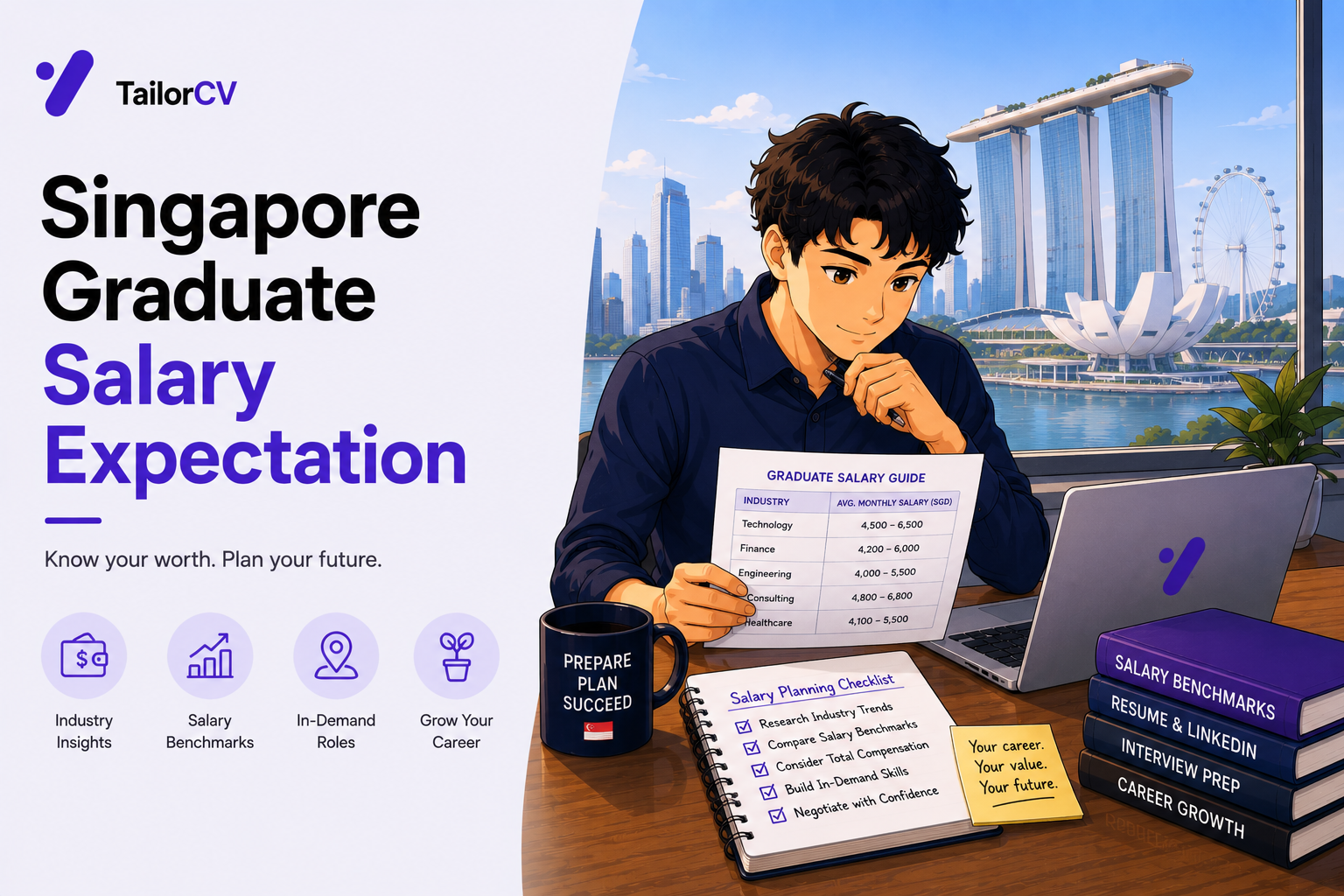
Singapore Graduate Salary Expectations 2026 - How to Answer and What to Research
The salary question comes early in Singapore interviews. How to research a realistic range, what varies by sector, and why refusing to answer costs you.
Actionable guides to improve ATS score, resume quality, and job search outcomes.
The salary question comes early in Singapore interviews. How to research a realistic range, what varies by sector, and why refusing to answer costs you.
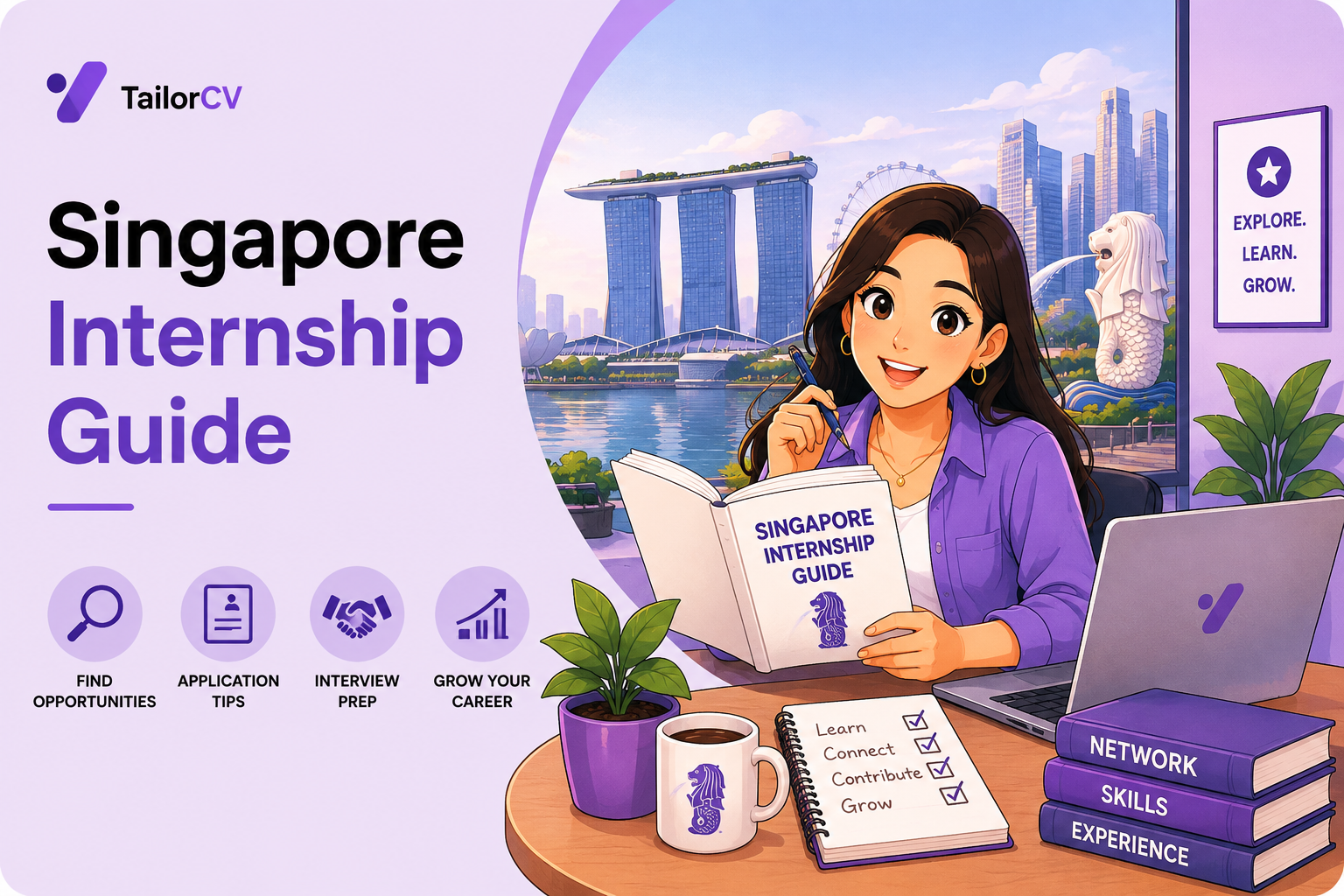
Internships are increasingly the main route into Singapore graduate roles. Which passes apply to students, when to apply, and what conversion actually depends on.
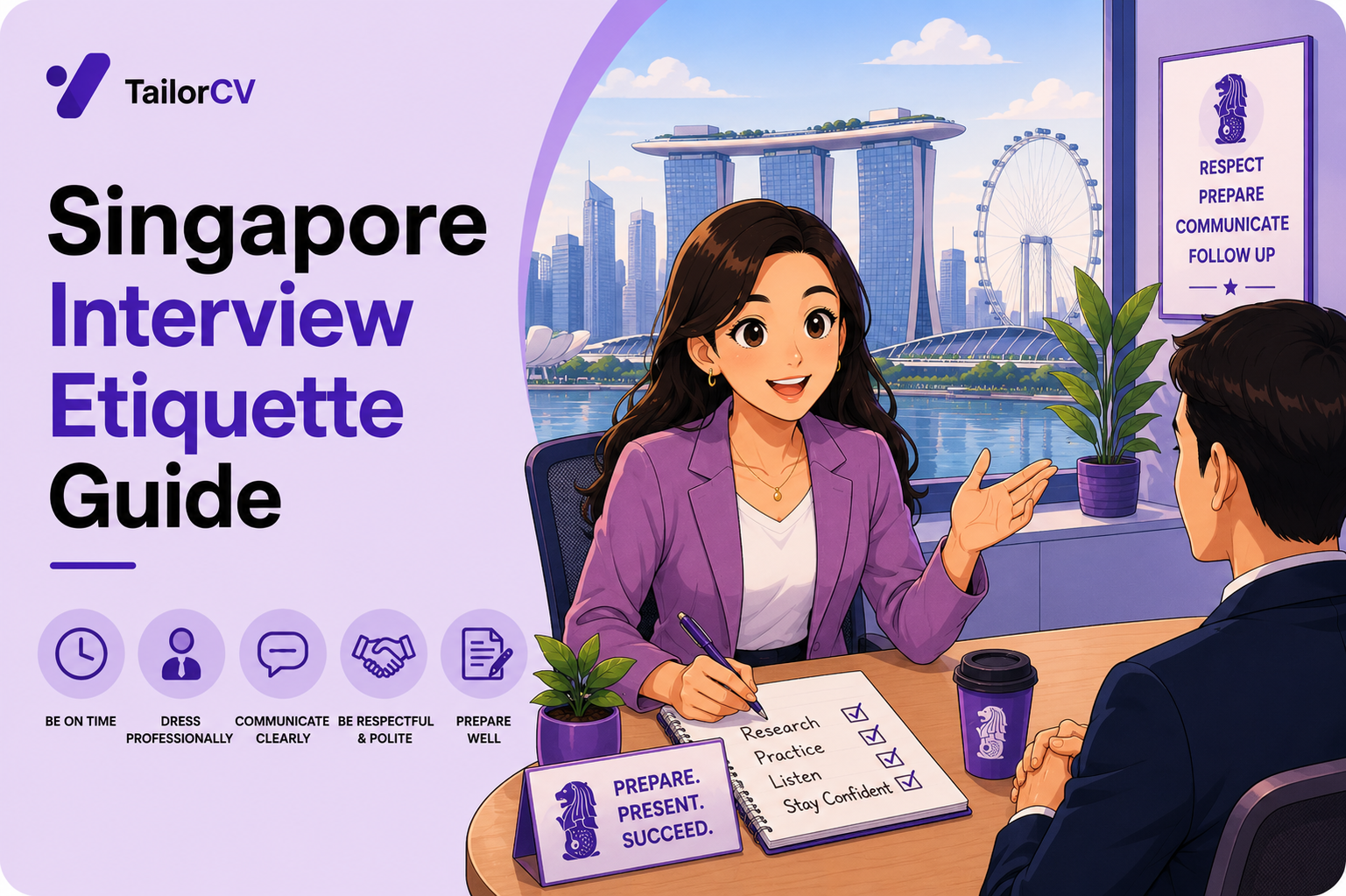
Singapore interviews are direct but not blunt, formal but not stiff. What employers expect on punctuality, self-promotion, salary questions and follow-up.
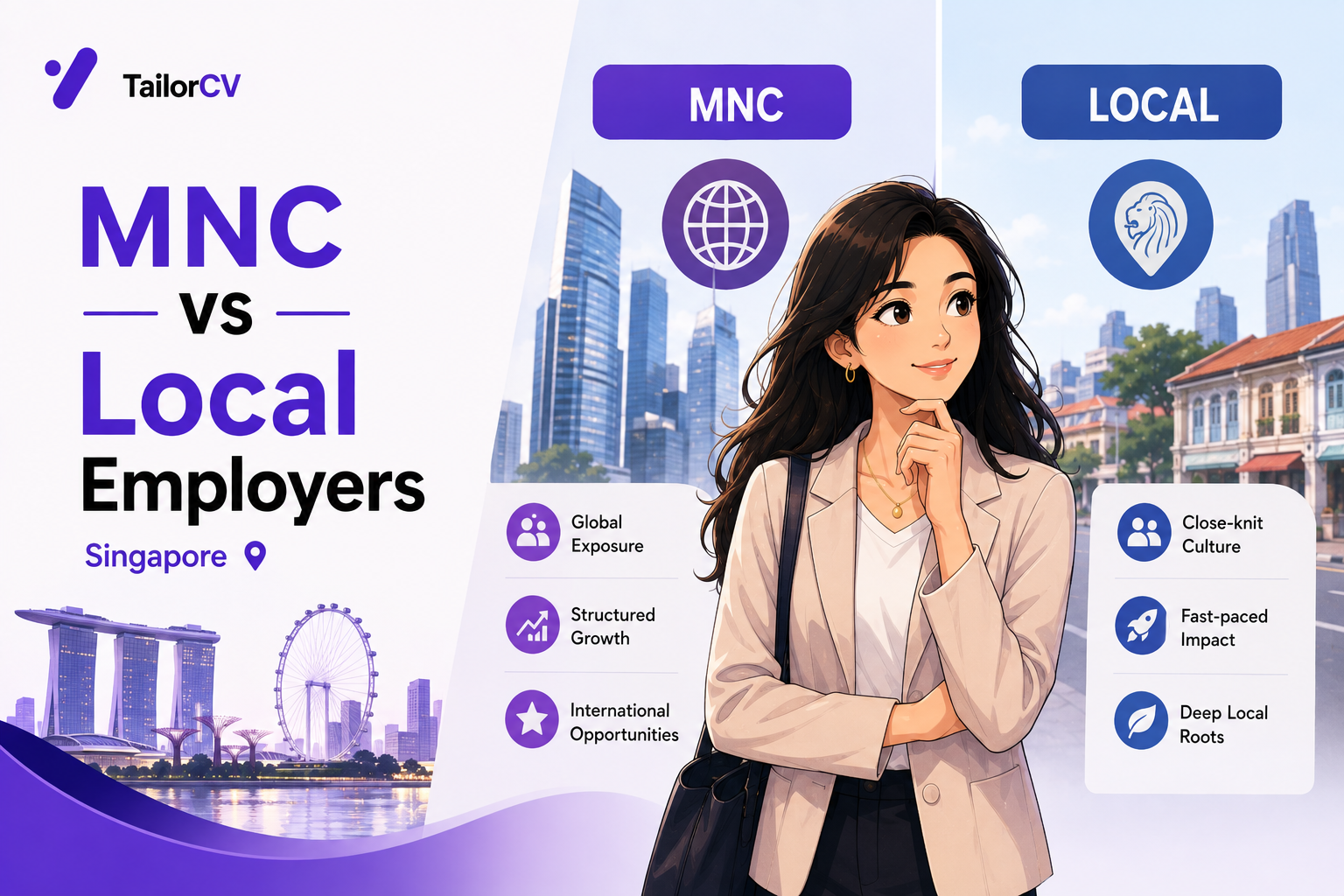
Regional headquarters, local corporates, SMEs and startups hire graduates on very different terms. Pay, structure, pass sponsorship and what each does to your second job.
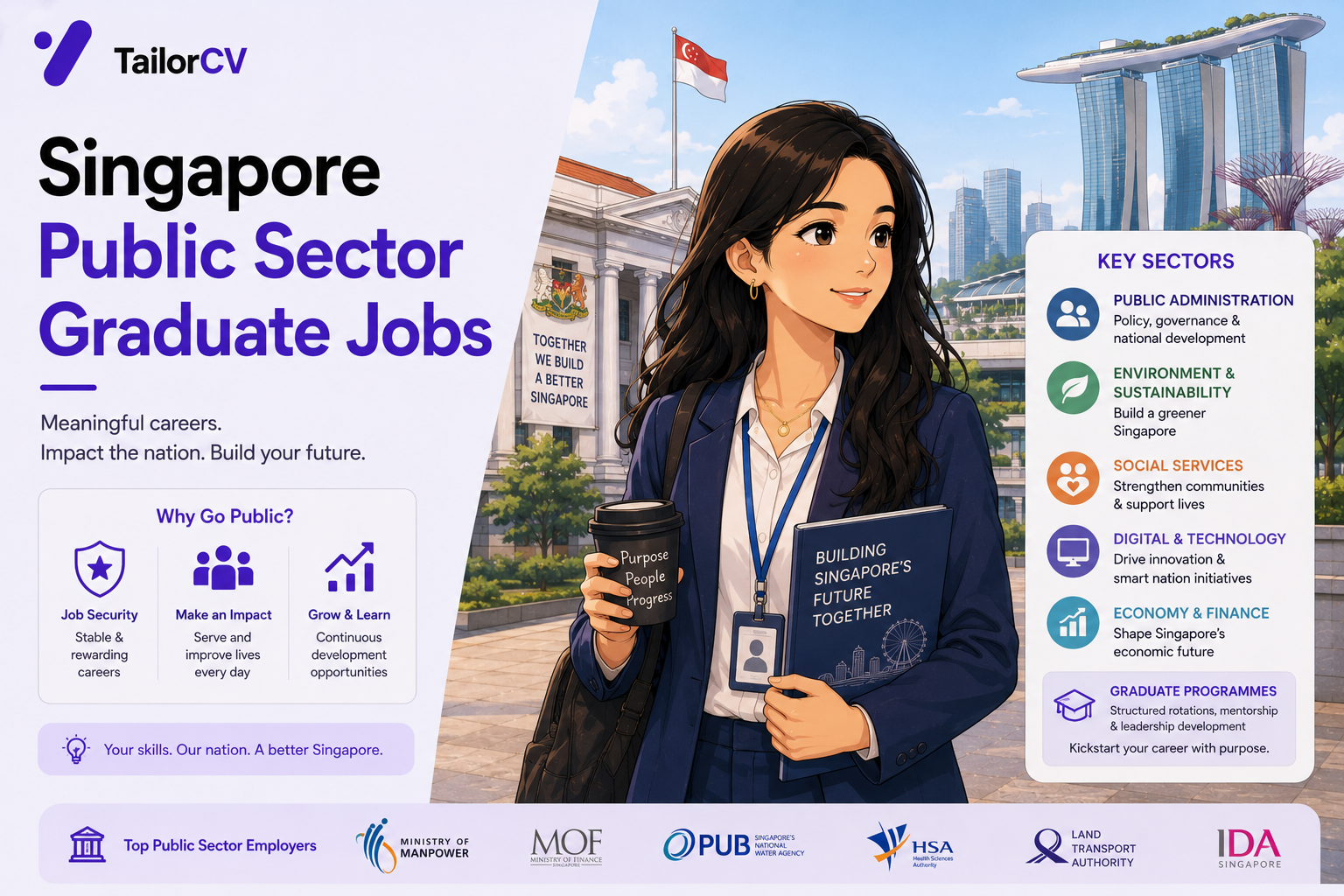
Ministries, statutory boards and government technology hire graduates at scale with structured programmes. What the work is, how selection differs, and the citizenship considerations.
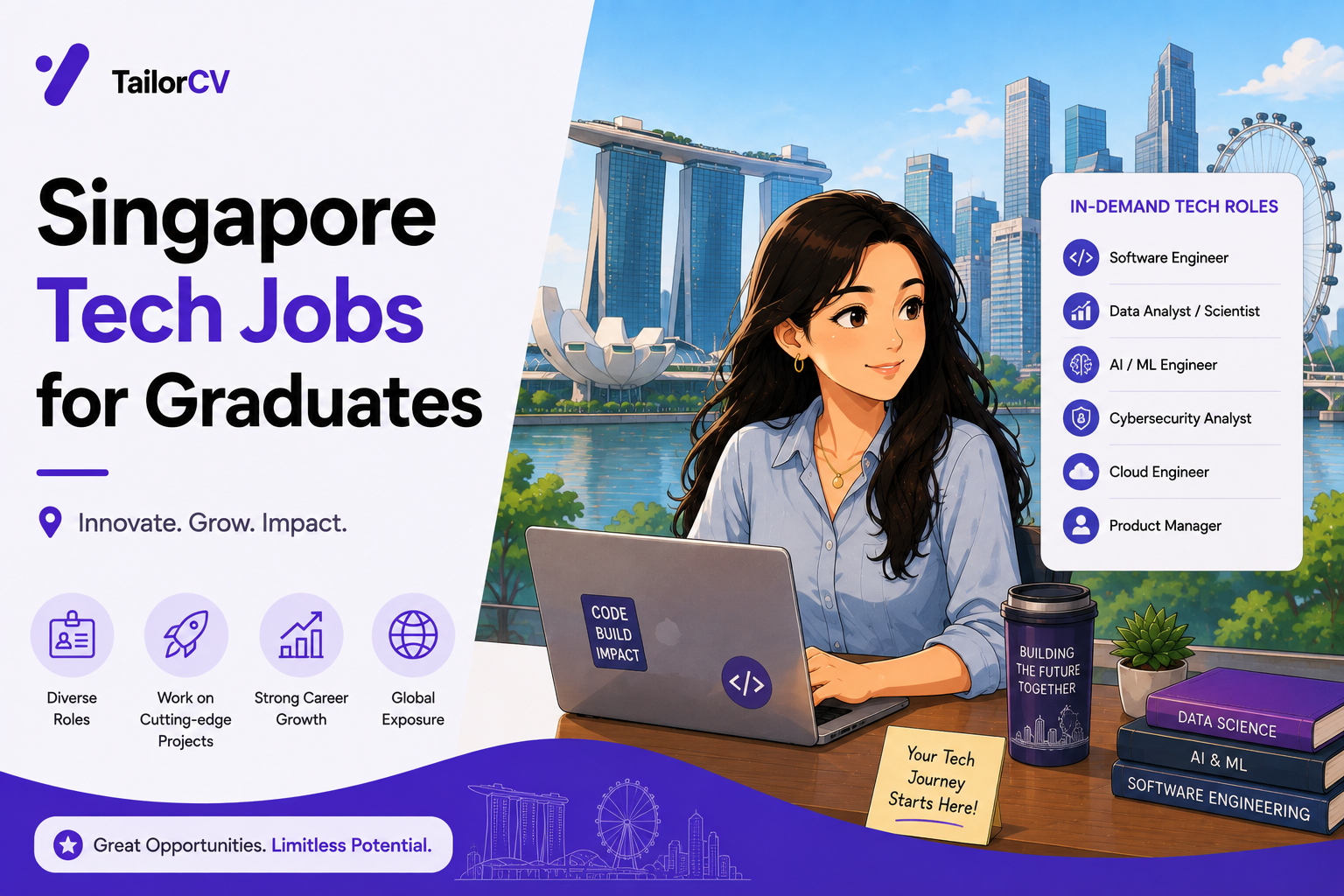
Regional headquarters, local platforms, banks hiring engineers, and government technology. Which employers hire graduates, what the interviews look like, and where passes are realistic.
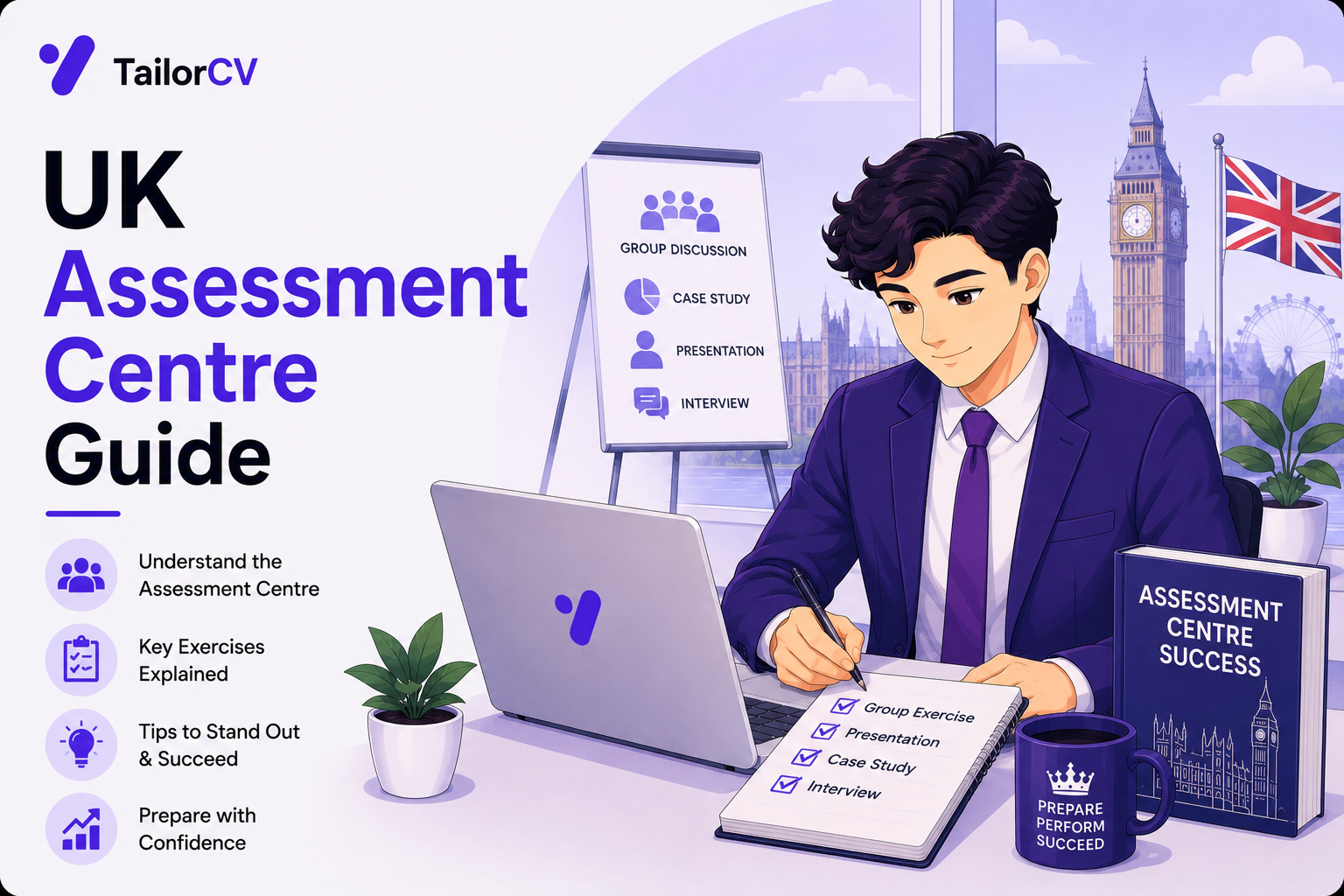
Group exercises, case studies, presentations and interviews in one day. What each task measures, why helping the group works, and the behaviours that quietly lose marks.
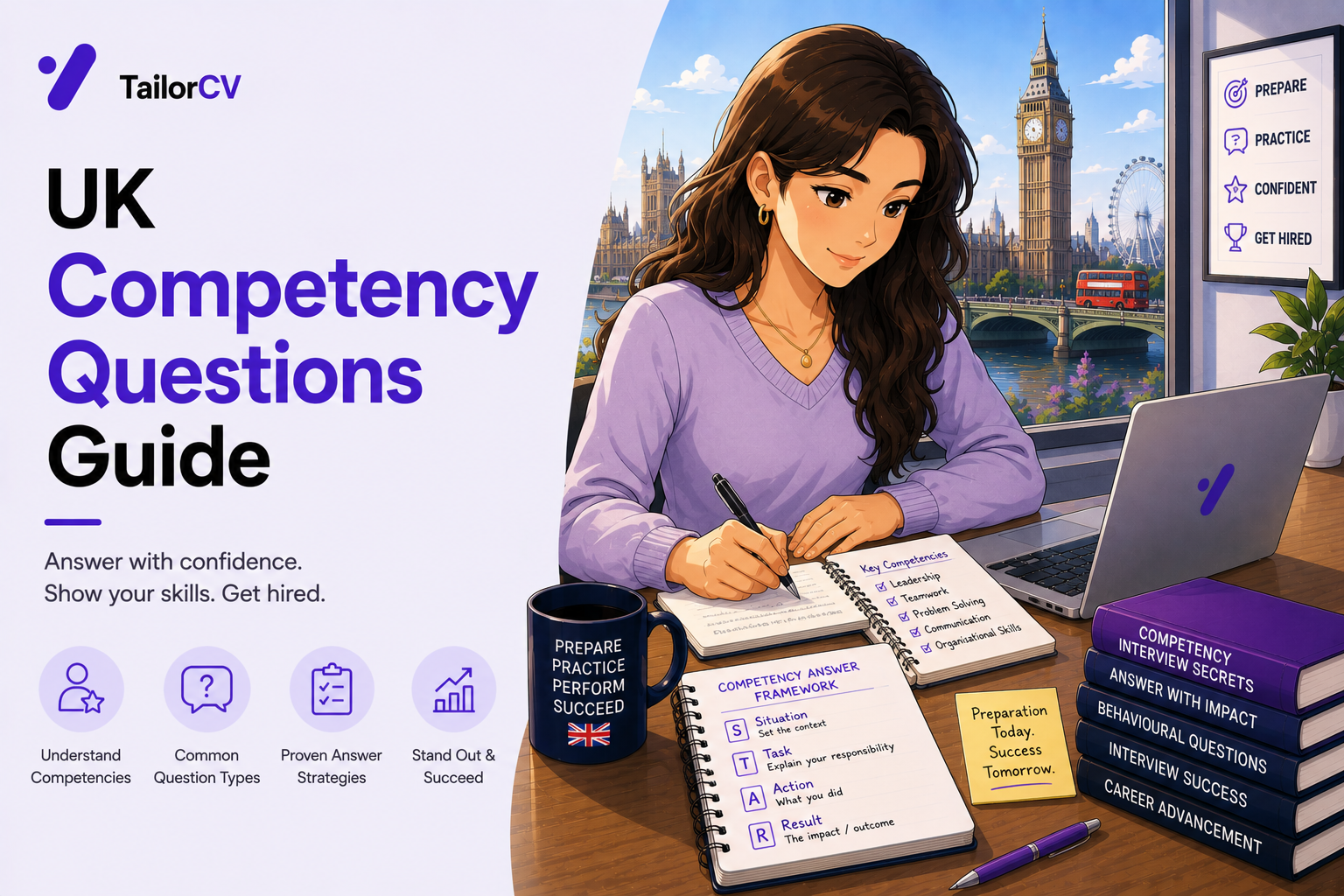
British graduate interviews test one story with four follow-ups. What competency frameworks are, why the probe is the real assessment, and how to prepare answers that survive it.
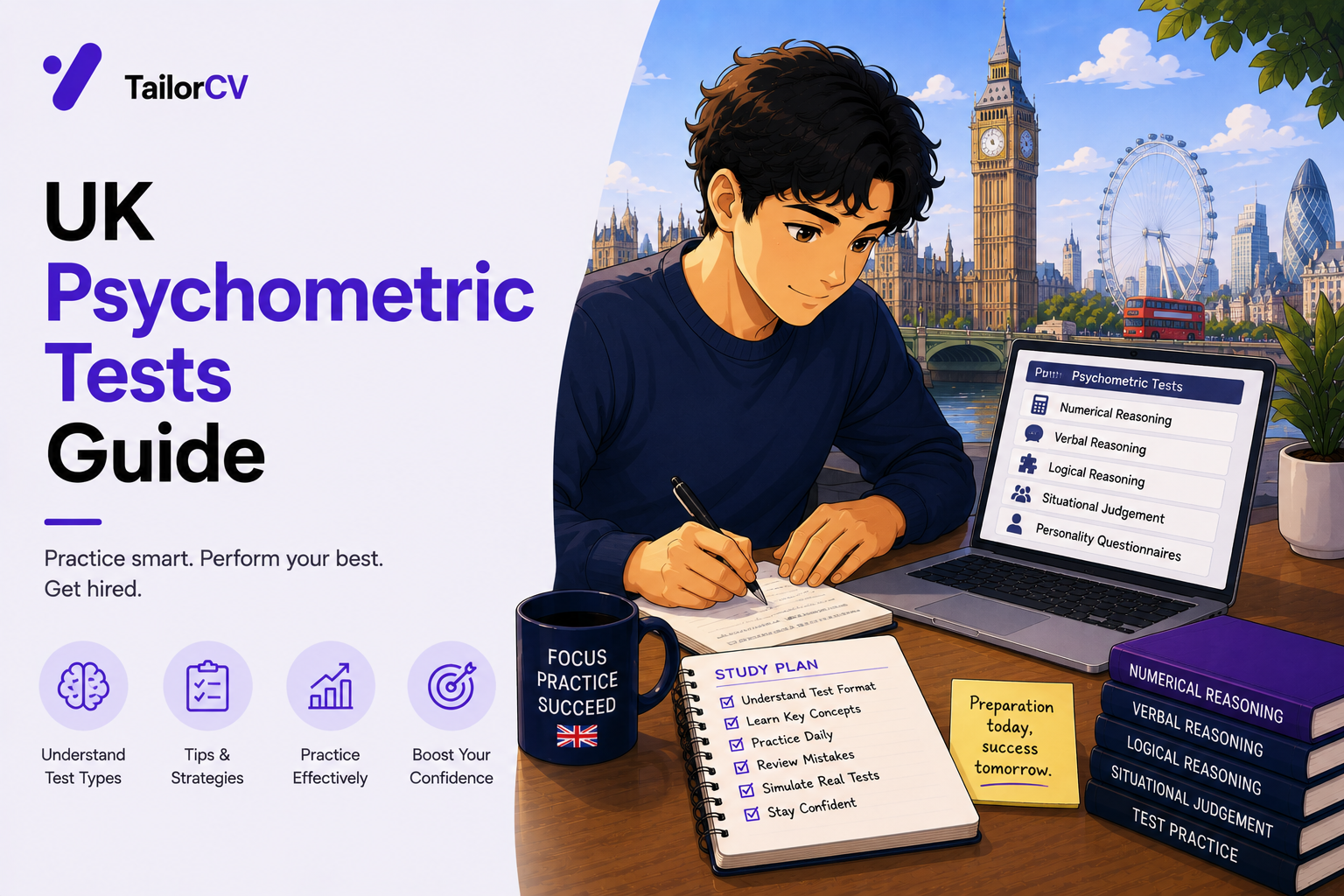
Most graduate schemes screen with tests before any human reads your application. What each type measures, how they are scored, and the preparation that genuinely moves your result.

Spring weeks are how banks and law firms pre-select interns two years ahead. Who they are for, when applications open, and what a place actually converts into.
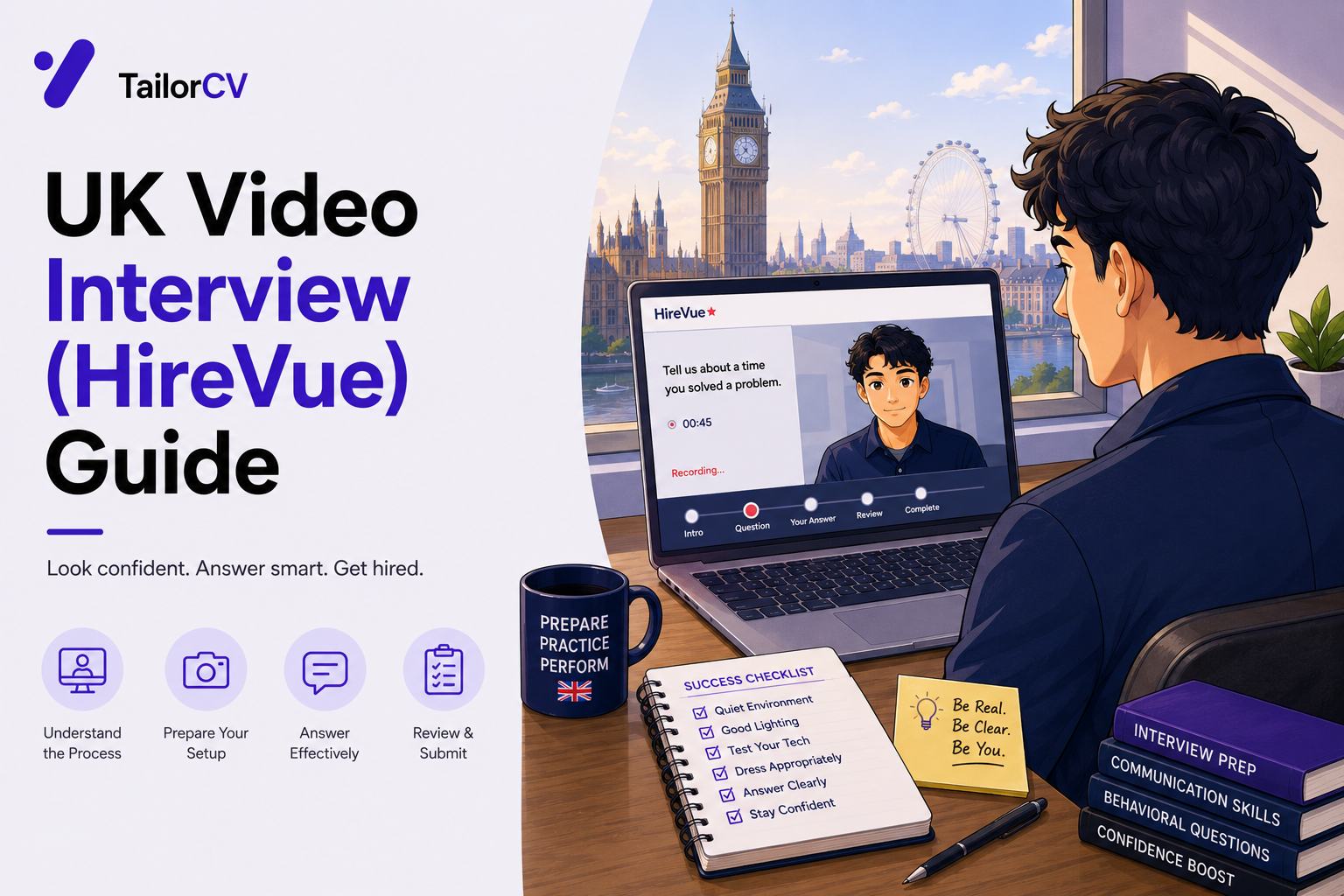
Most graduate schemes now use a recorded interview before any human conversation. How they are reviewed, what to do with limited prep time, and the setup mistakes that cost places.
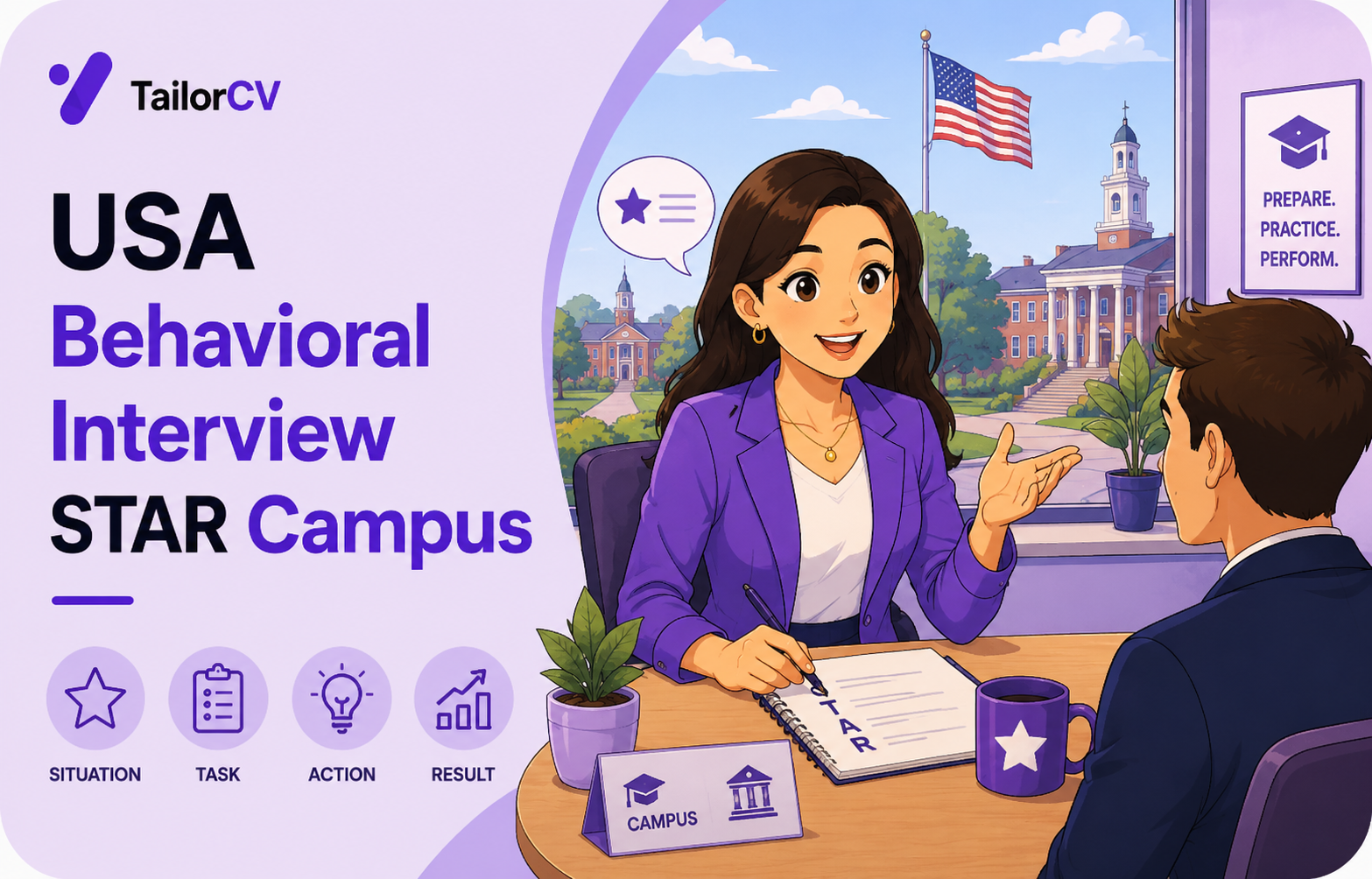
American employers weight behavioral questions heavily for new grads. How to build a story bank from student experience, and why most STAR answers fail on the R.
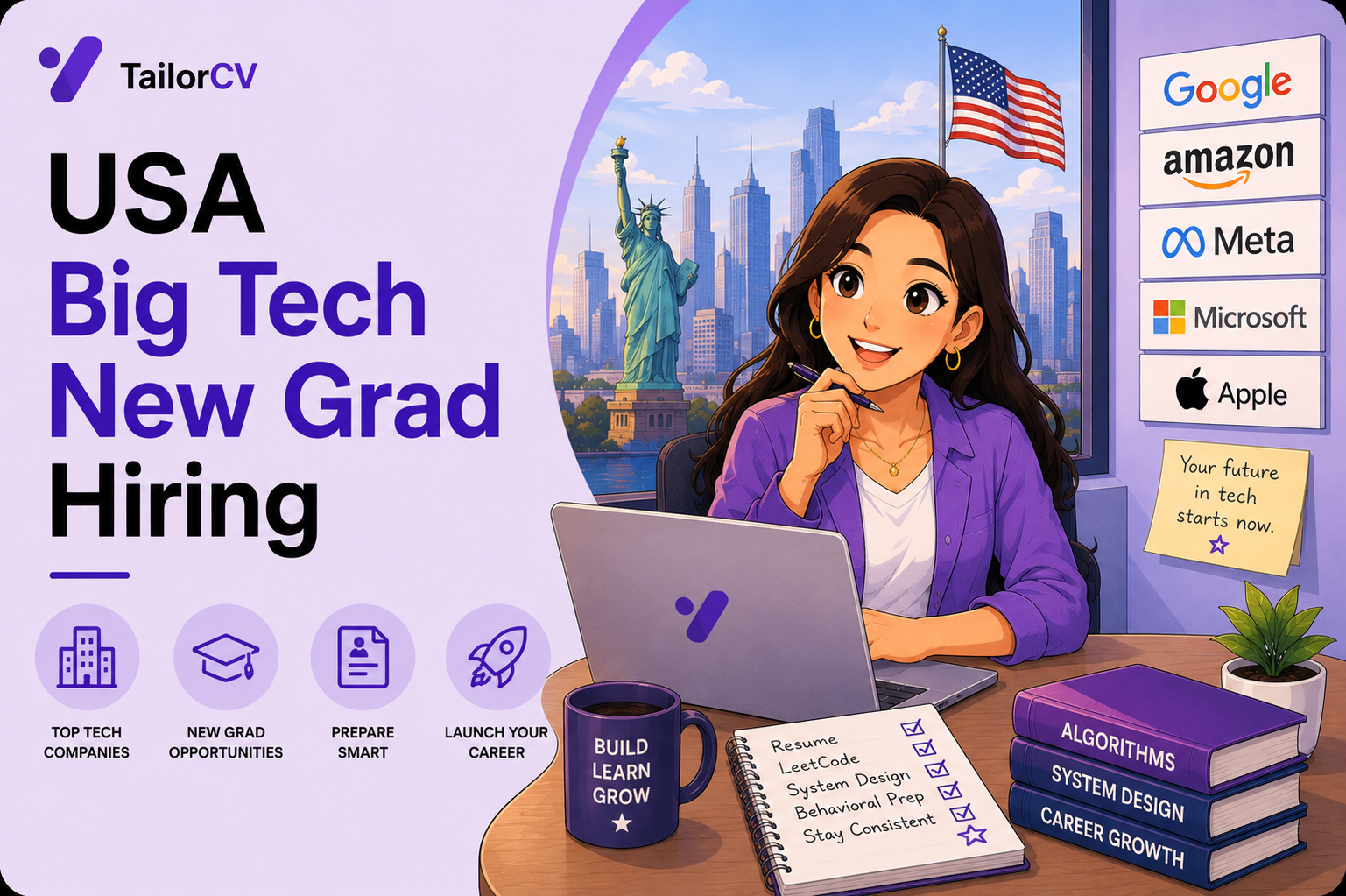
Large technology employers hire new grads differently from banks and consultancies. Team matching, hiring committees, level expectations, and why offers can stall after a passed loop.
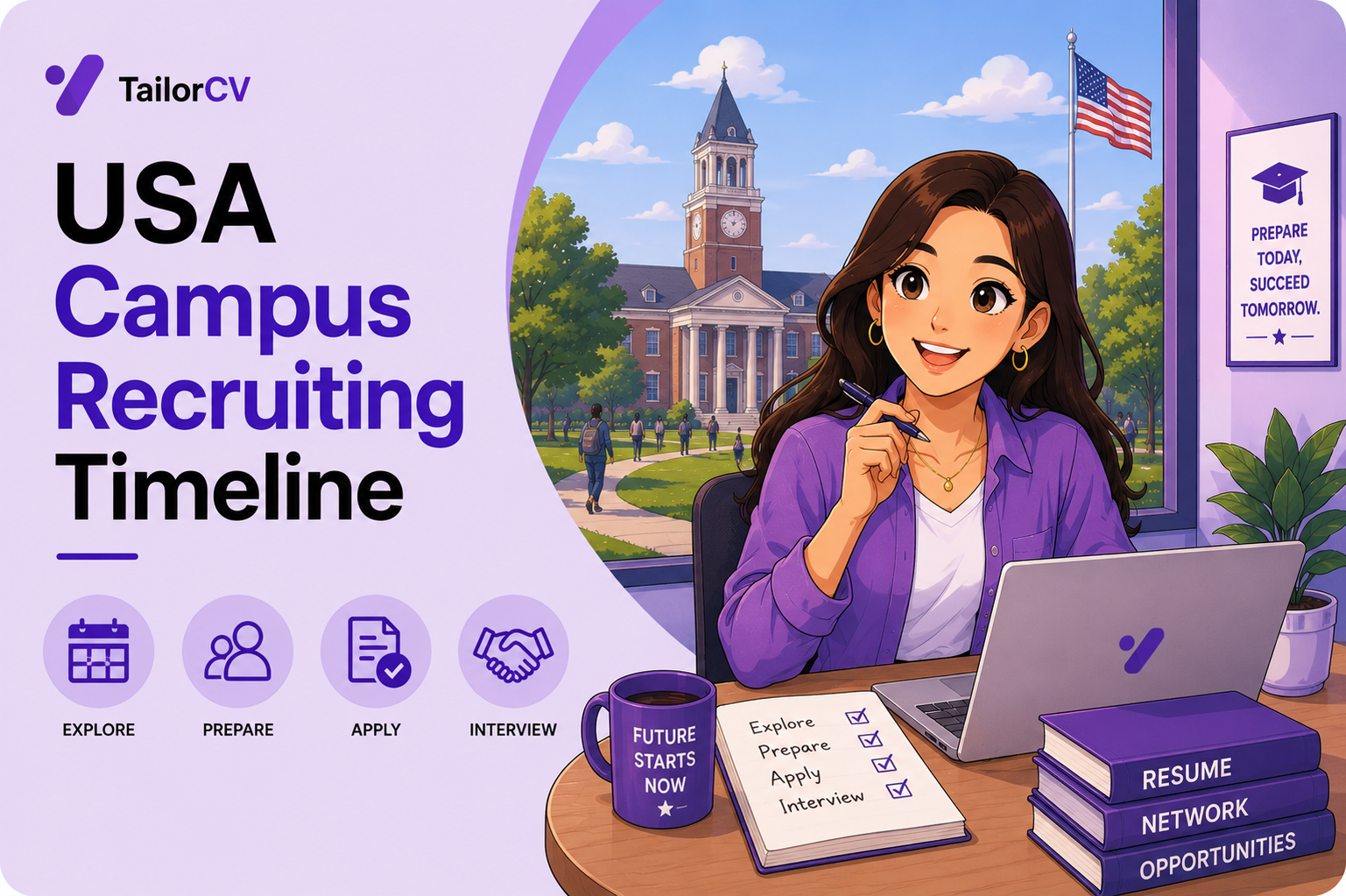
American campus hiring runs almost a year ahead of the start date. The month-by-month calendar for new grads and interns, and what happens if you miss a window.
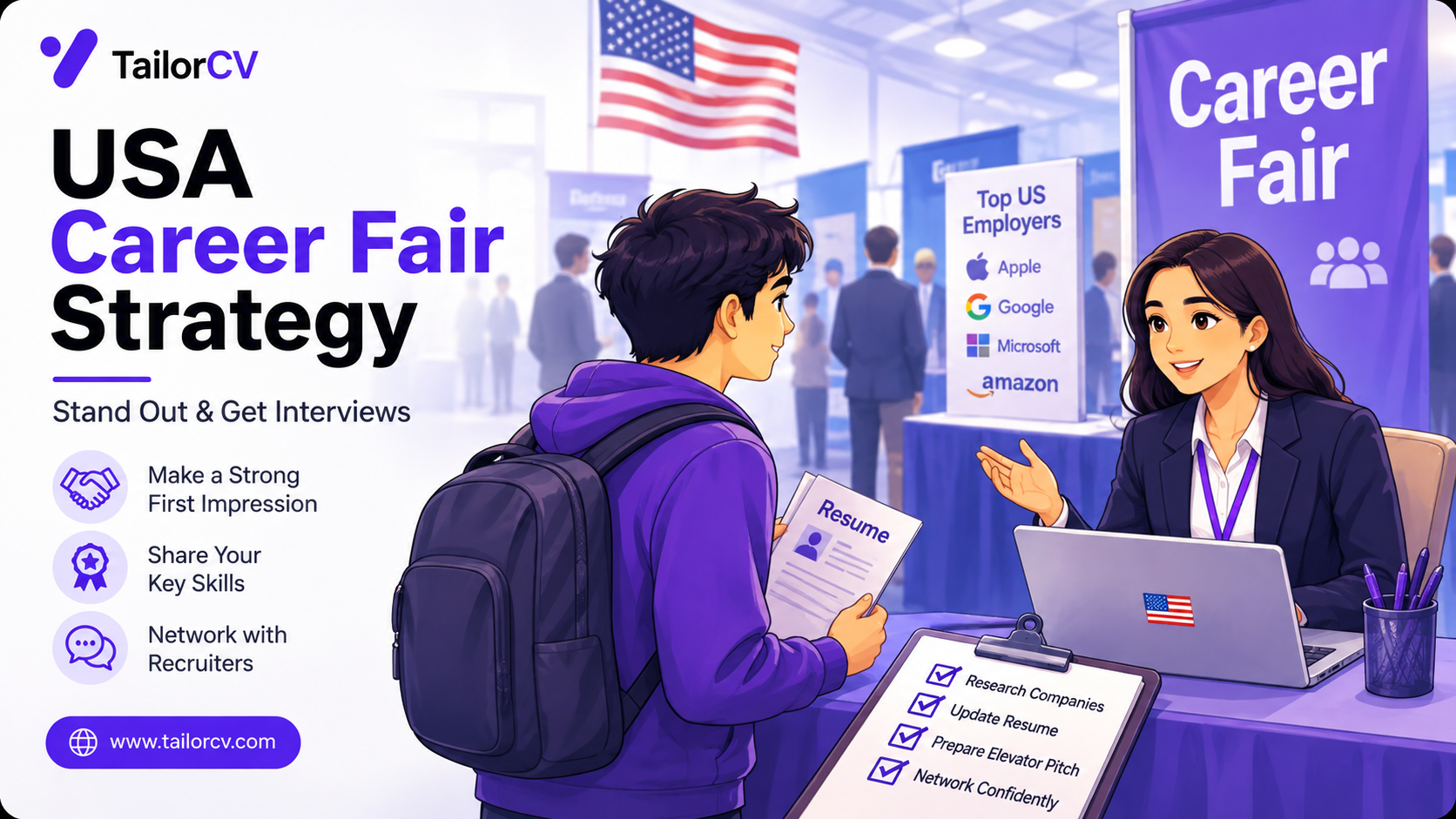
Career fairs reward preparation, not charisma. Which employers to target, what recruiters are actually recording, and the follow-up step most students skip.
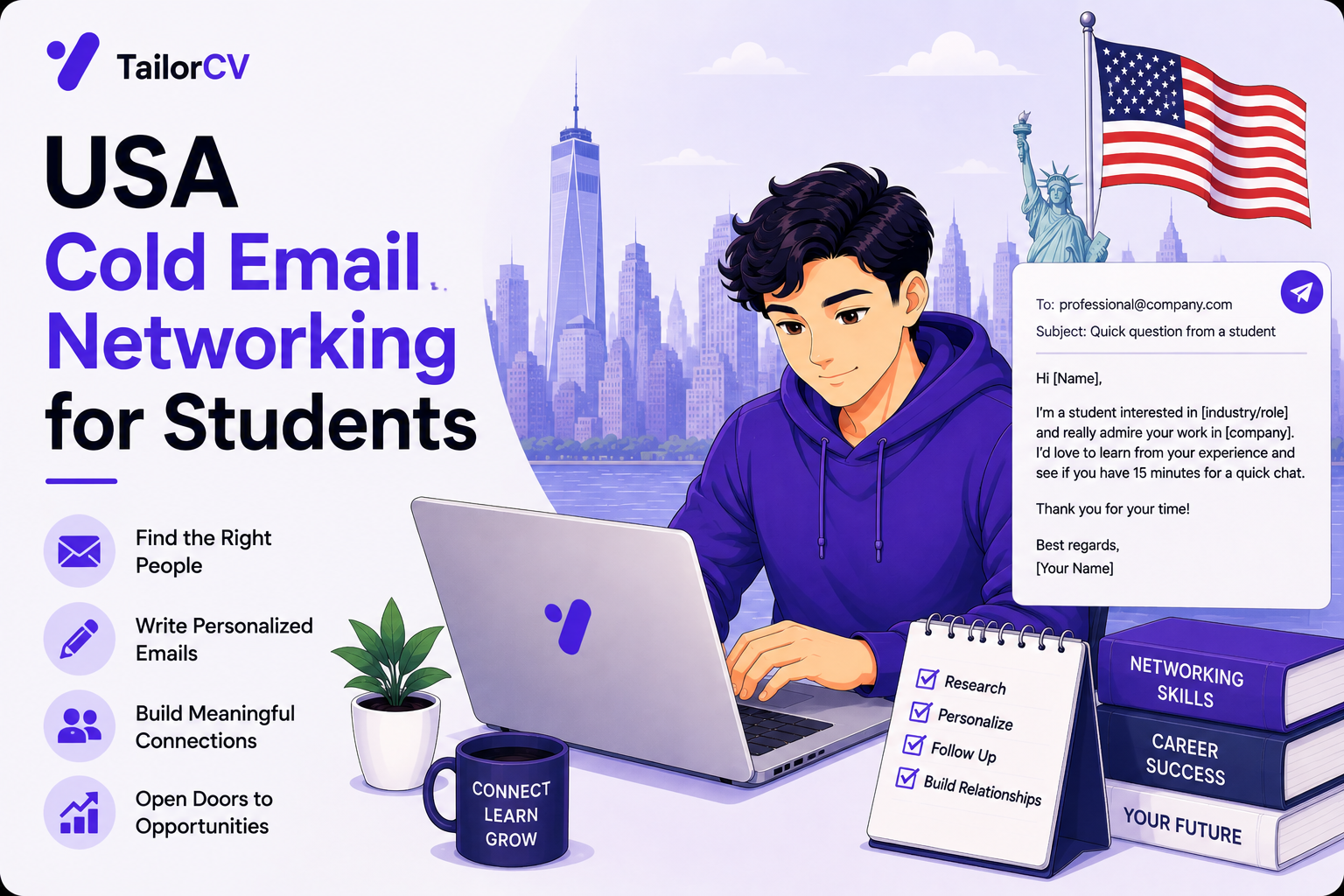
Referrals bypass the resume screen entirely. How to find the right person, what to write, why the coffee-chat request outperforms the job request, and realistic reply rates.
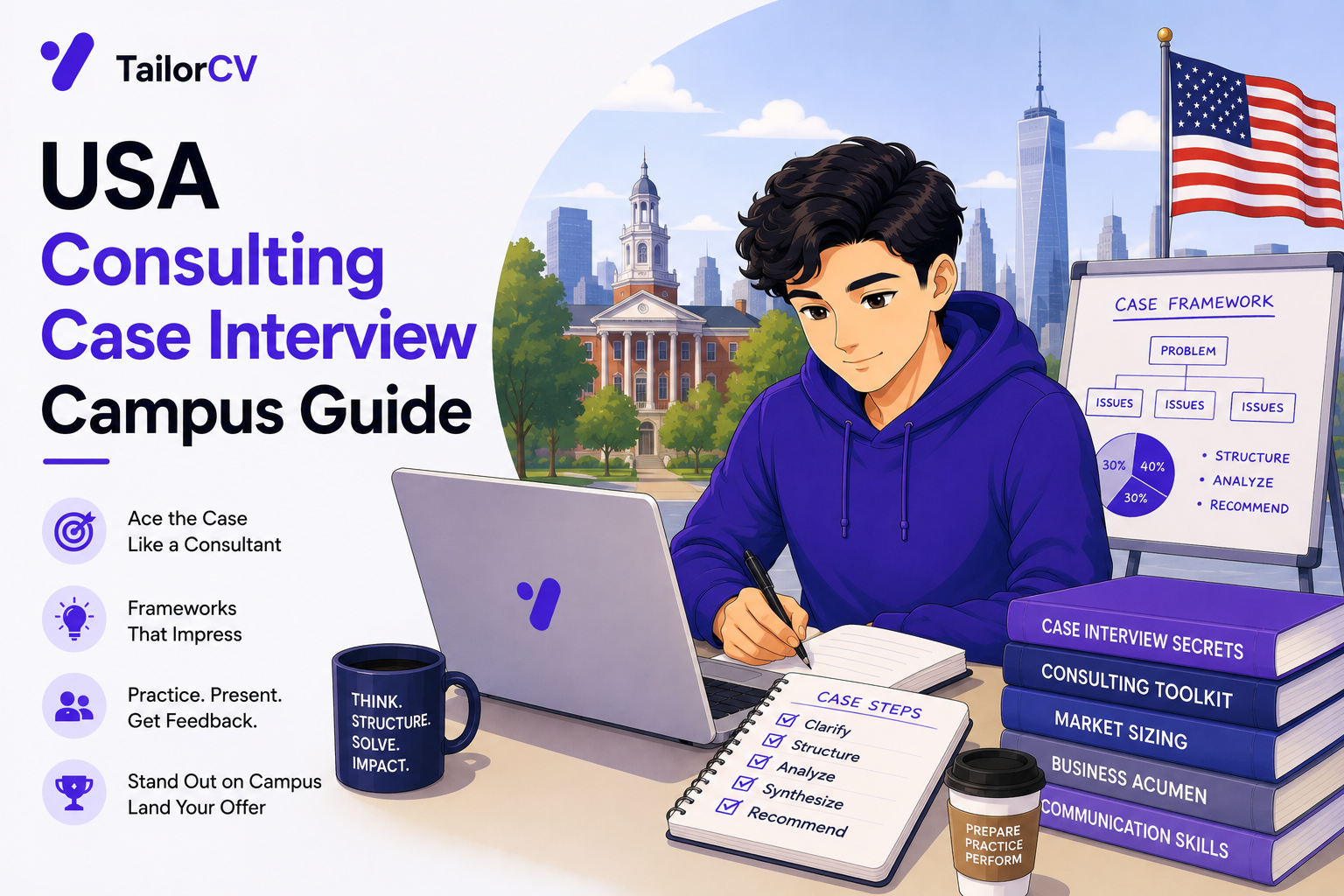
What interviewers actually score in a case, why the framework you memorised is a liability, how to handle the maths out loud, and the fit interview that decides close calls.
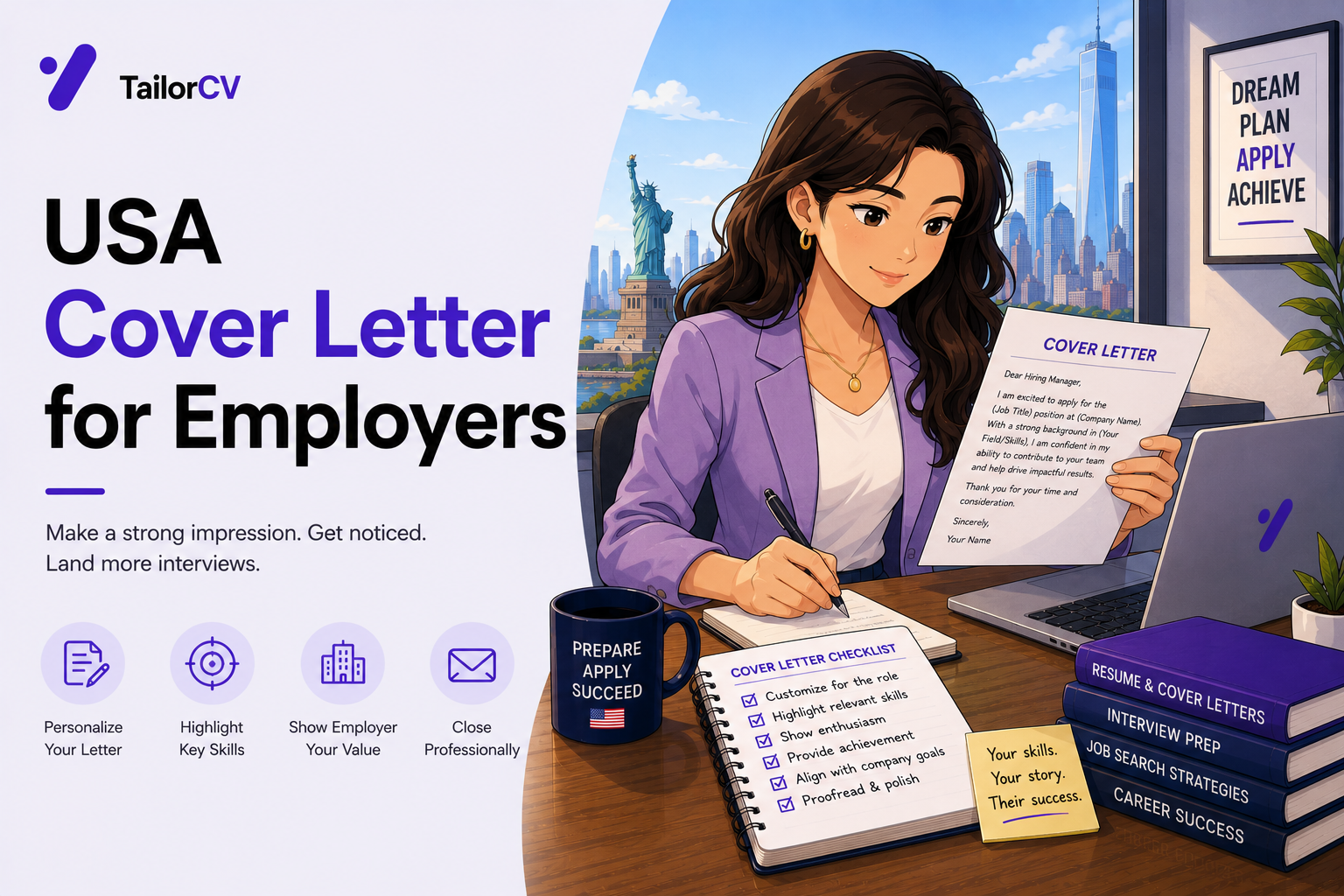
Most campus applications never require one, some industries still expect it, and a bad cover letter costs you more than none at all. How to tell which situation you are in.

The final round in banking hiring is several back-to-back interviews in one day. What each interviewer is checking, the technicals you must know cold, and why fit questions decide it.
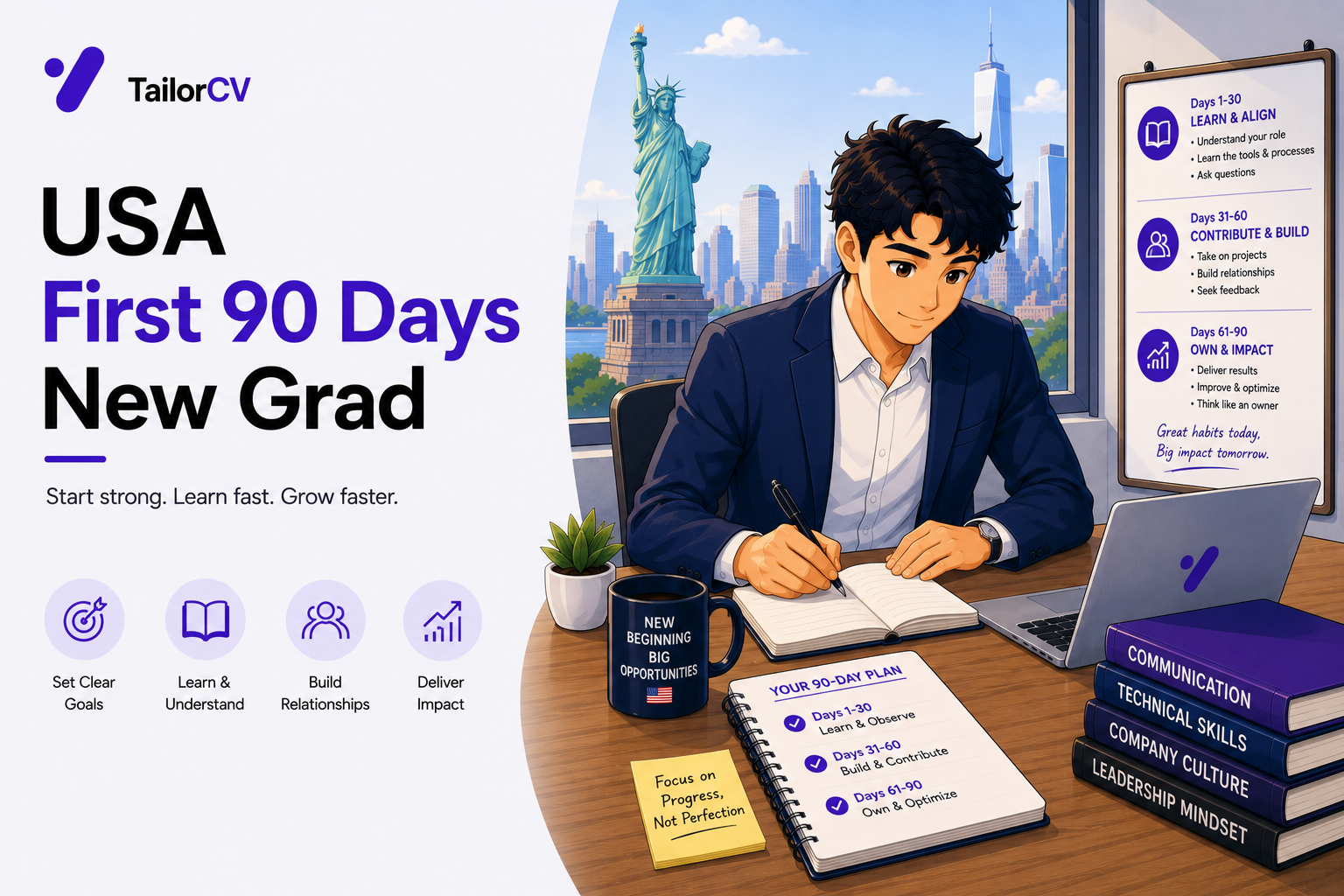
The habits that decide your first review are set in the first month. What to do in weeks one to twelve, how to ask for help without looking lost, and the mistakes that stick.