

Saudi Arabian Work Visas Explained
The Iqama, the reforms that loosened job mobility, and the premium residency route that lets some people sponsor themselves. How the system works now.
Actionable guides to improve ATS score, resume quality, and job search outcomes.
The Iqama, the reforms that loosened job mobility, and the premium residency route that lets some people sponsor themselves. How the system works now.

Beyond the headlines about giga-projects, a practical read of which Saudi sectors are recruiting internationally and what they are recruiting for.

Luxembourg, Iceland, Estonia, Qatar and their peers. What working in a country of under two million actually means for a career, and when it is the right move.

Higher salaries and grey winters against lower pay and a life people move continents for. An honest comparison that does not pretend the answer is obvious.

Barcelona built a genuine international startup scene; Madrid holds the corporate and enterprise weight. Which suits you, and the Málaga option nobody mentions.
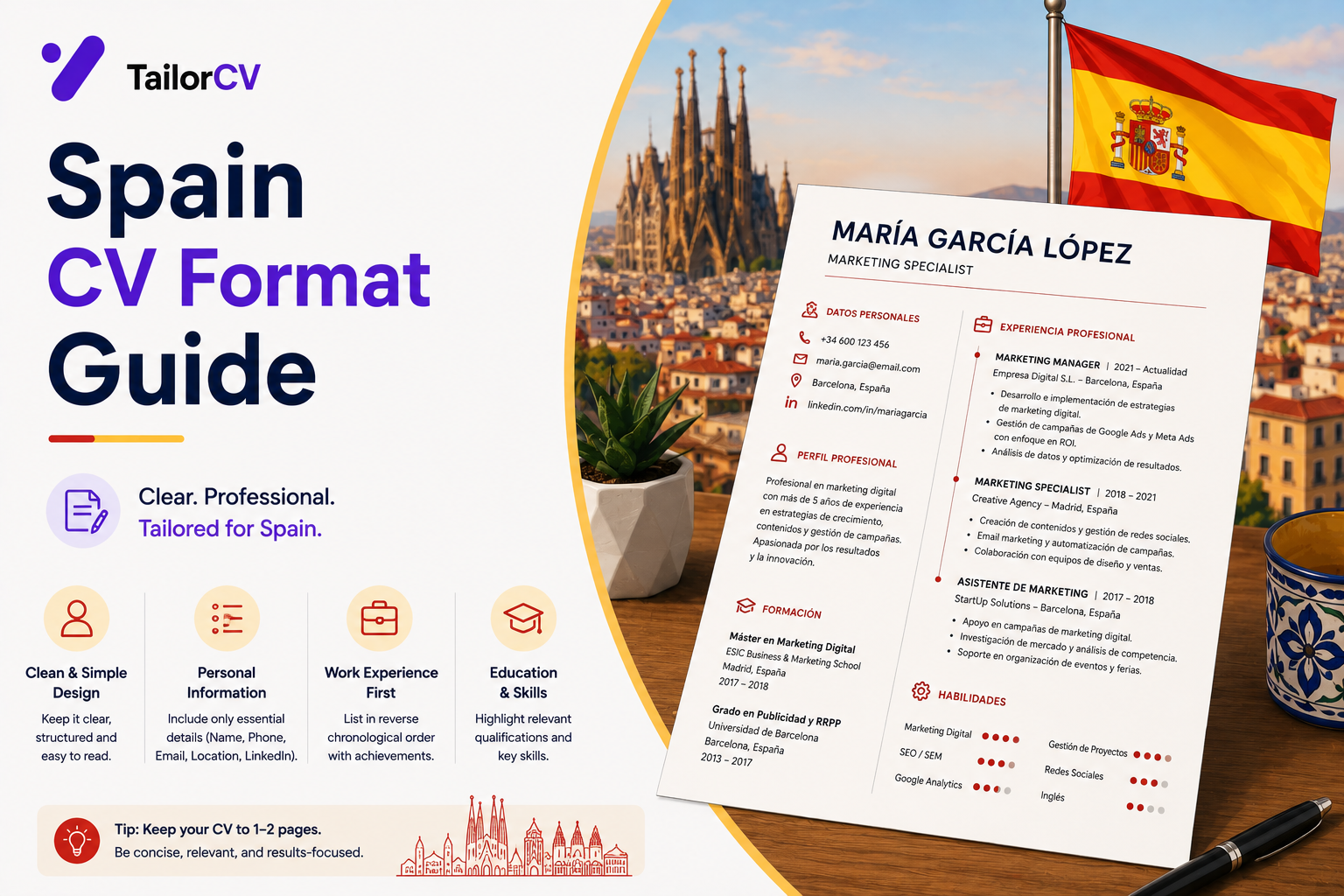
Two pages, a photo that is still common, and a market where your language combination may matter more than your degree. What Spanish employers actually read for.

Barcelona and Madrid have become genuine international hubs, but Spanish youth unemployment is among Europe's highest. How to read the market honestly and where the real work is.

Spain built one of Europe's more accessible routes for remote workers, alongside a highly qualified professional visa that most people never hear about.

A self-sponsored work permit, resident visa and re-entry permit in one document, obtainable before you have a job. How to qualify and what it actually gives you.

The world's most important semiconductor economy, a genuinely accessible points-based work permit, and a Gold Card scheme that lets qualifying people arrive without a job.

TSMC, MediaTek, ASE and an entire industrial complex in one small island. What the roles actually are and what working there is genuinely like.

Most paid resume scanners sell you a number and a list of keywords. What is genuinely worth paying for, what is free, and what no scanner of any price can tell you.

A TFN, a super fund, and the difference between a salary quoted as base and one quoted as a package. The administrative things that decide what actually lands in your account.

Australian graduate programs run on a fixed annual cycle that opens more than a year before you start, and the big four banks, the Big 4 firms and the public service dominate it. What the calendar demands.
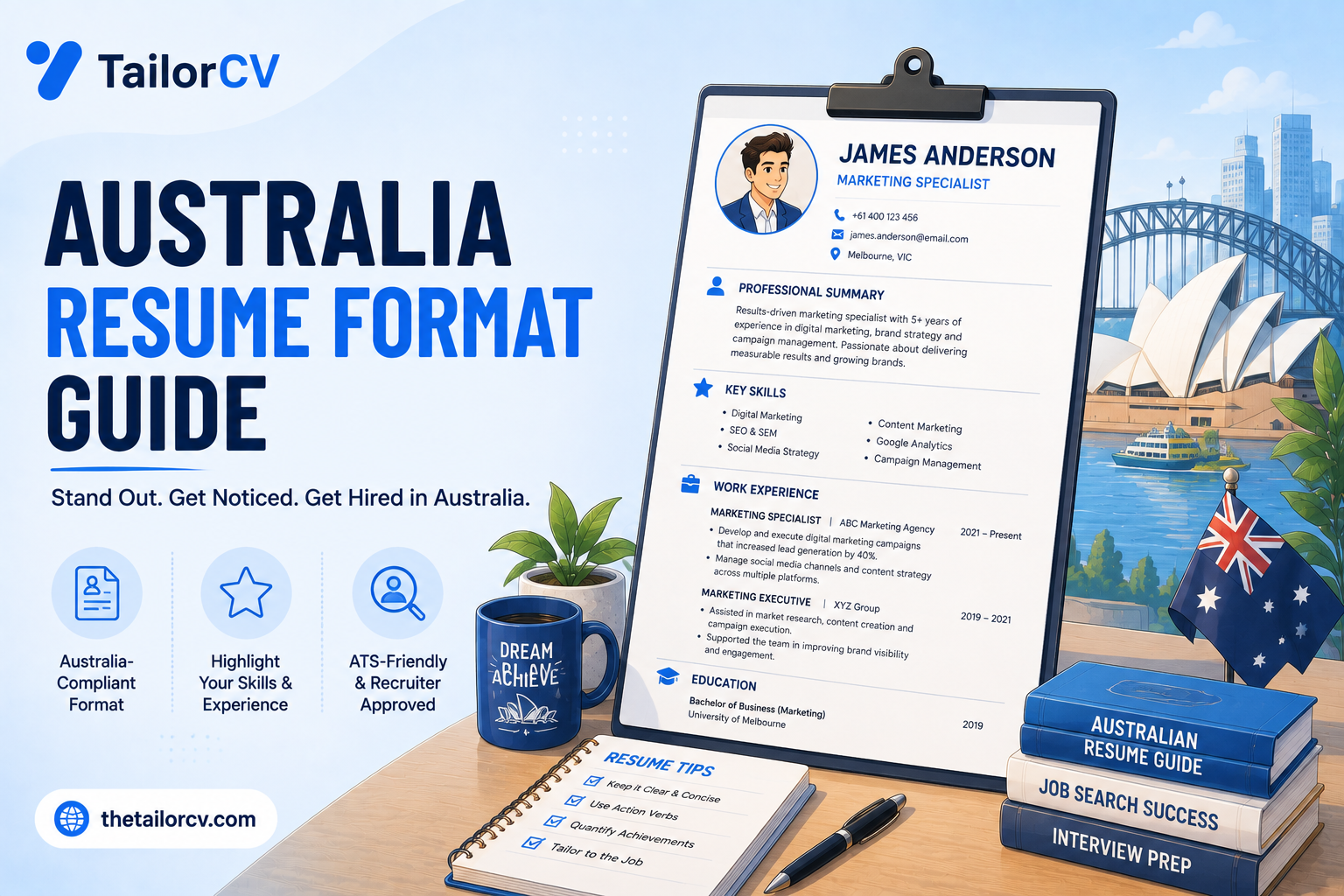
Australian resumes run longer than US ones, expect referees by name, and use their own spelling conventions. The specific differences a US or UK template gets wrong.

The 485 graduate visa buys you time; the points test decides whether you convert it into permanent residence. What actually earns points, and the levers a new graduate can genuinely move.

Sydney holds Australia's fintech and enterprise tech weight, Melbourne its product and health-tech scene, and both cost more than the salary difference suggests. How to choose.

Ranked by what actually matters to a graduate: whether you can stay after studying, whether an employer has to sponsor you, and whether the route to residency is deterministic.
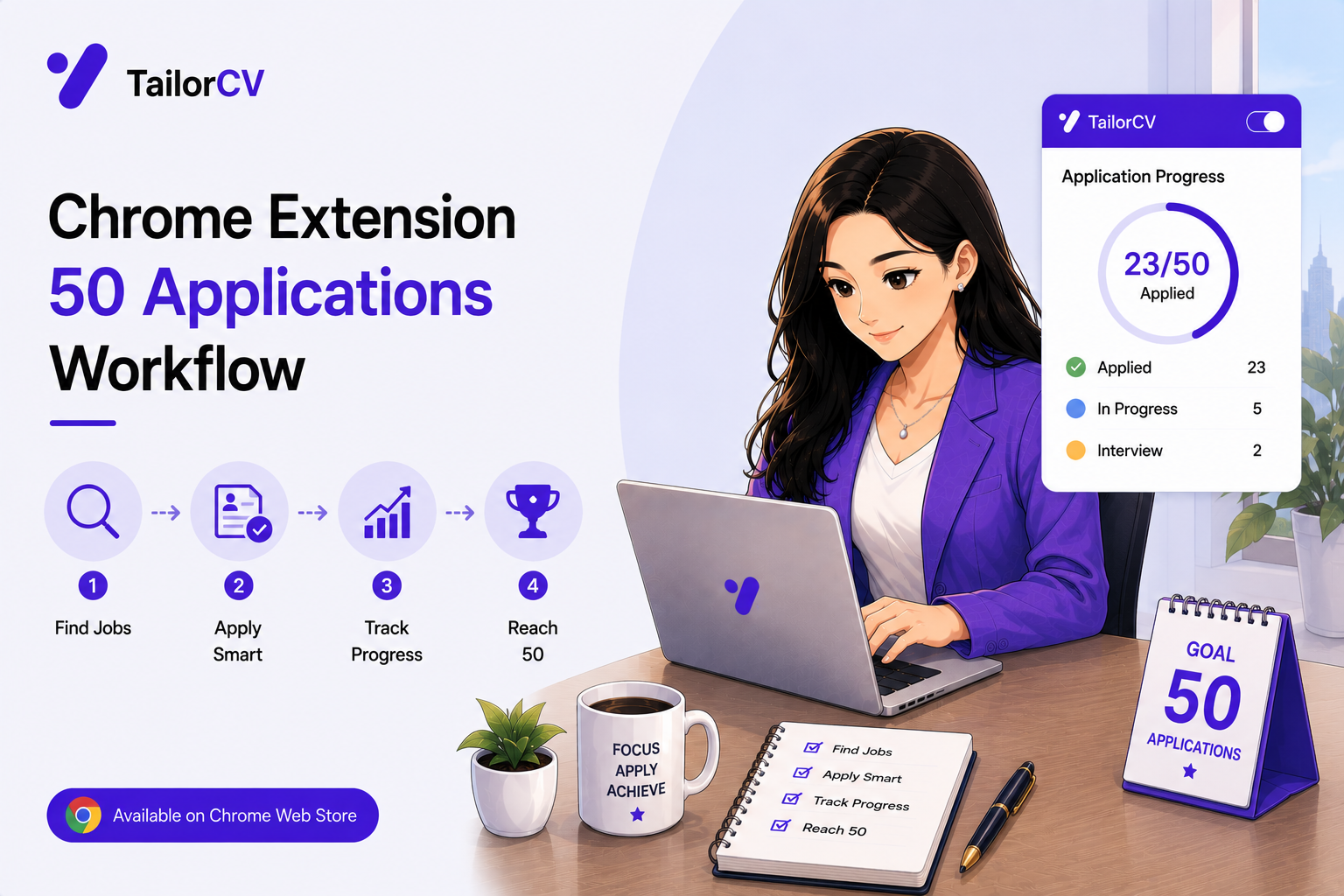
A repeatable weekly system for high-volume applying that keeps quality up and burnout down. What to automate, what to batch, and what to protect from both.
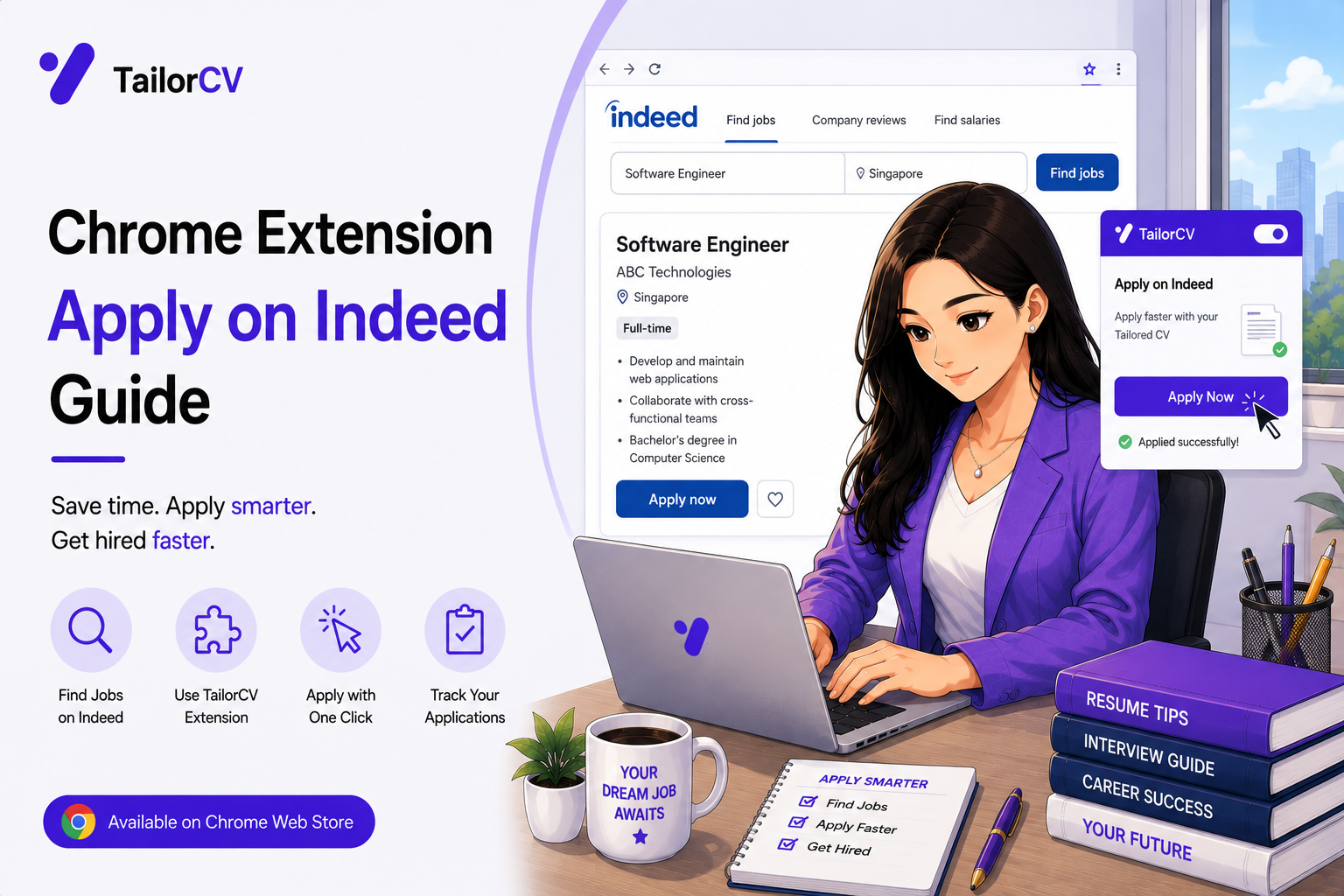
Indeed's volume is its advantage and its problem. How to tailor a resume per posting without turning a high-volume board into a full-time job.