 TD
TD
Key Takeaways
- Recruiters in Malaysia actively search LinkedIn — optimisation determines whether you appear in their results.
- Keywords in your headline, About, and Experience are what make you searchable; mirror the roles you want.
- A professional photo, a compelling headline, and a complete profile dramatically increase recruiter interest.
- Activity and connections boost your visibility and credibility.
- Your LinkedIn and your resume should tell a consistent, keyword-aligned story.
In Malaysia's professional job market, LinkedIn is where a huge share of hiring quietly begins. Recruiters at banks, MNCs, tech companies, and agencies search LinkedIn daily for candidates — often before a role is even advertised. An optimised profile means you show up in those searches and get approached; a weak or incomplete one means you're invisible, no matter how good you are.
This guide shows you how to optimise your LinkedIn profile for the Malaysian job market in 2026: how recruiters search, the keywords and sections that matter, and how to turn your profile into a magnet for the right opportunities.
Why LinkedIn Matters So Much in Malaysia
For professional, MNC, and tech roles, LinkedIn is often the first place recruiters look — and increasingly where they source candidates directly rather than waiting for applications. A strong profile:
- Gets you found in recruiter searches for your skills and title.
- Lets recruiters approach you about roles you haven't even seen.
- Builds credibility through your experience, endorsements, and activity.
- Expands your network, which powers referrals — a major hidden channel in Malaysia (see how to get a job in Malaysia).
How Recruiters Search LinkedIn
Recruiters use LinkedIn's search and Recruiter tools to filter by keywords, job titles, skills, location, and industry. To appear in their results, your profile must contain the terms they search for — the same principle as beating the ATS on your resume. If a recruiter searches "digital marketing executive Kuala Lumpur" and your profile doesn't contain those words, you won't surface.
That makes keyword optimisation the foundation of everything below.
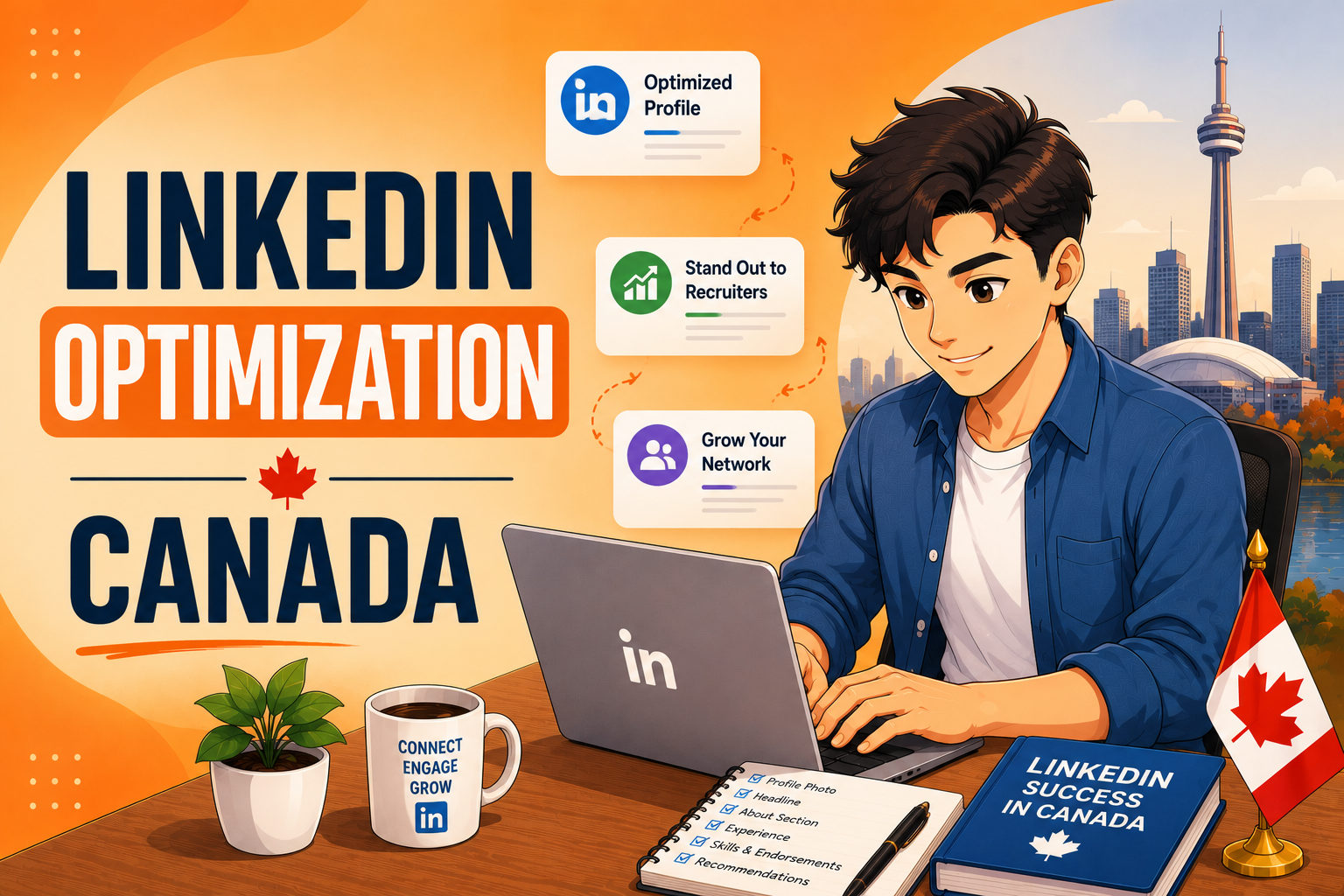
Step 1: Nail the Profile Basics
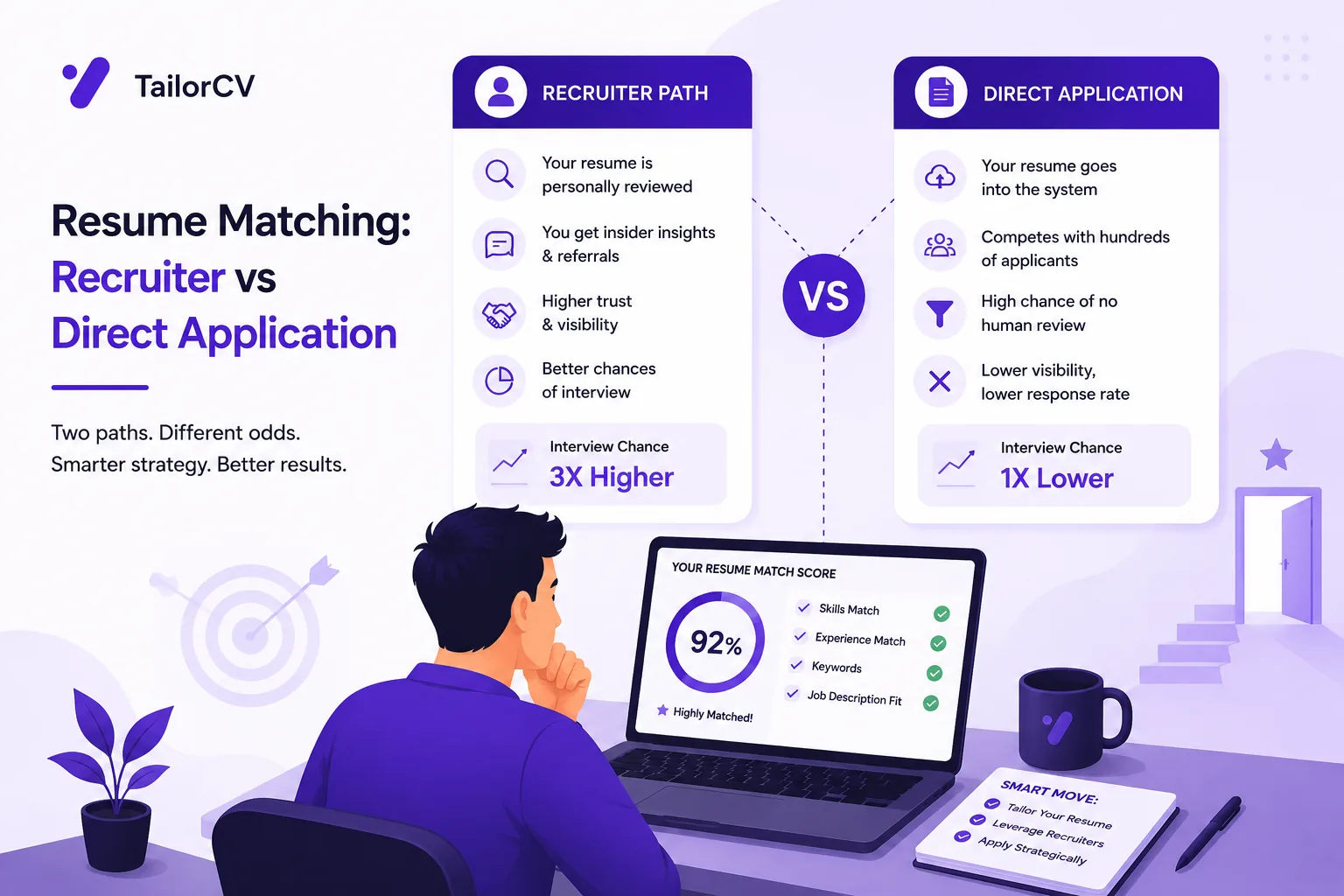
What optimizing actually does to your resume
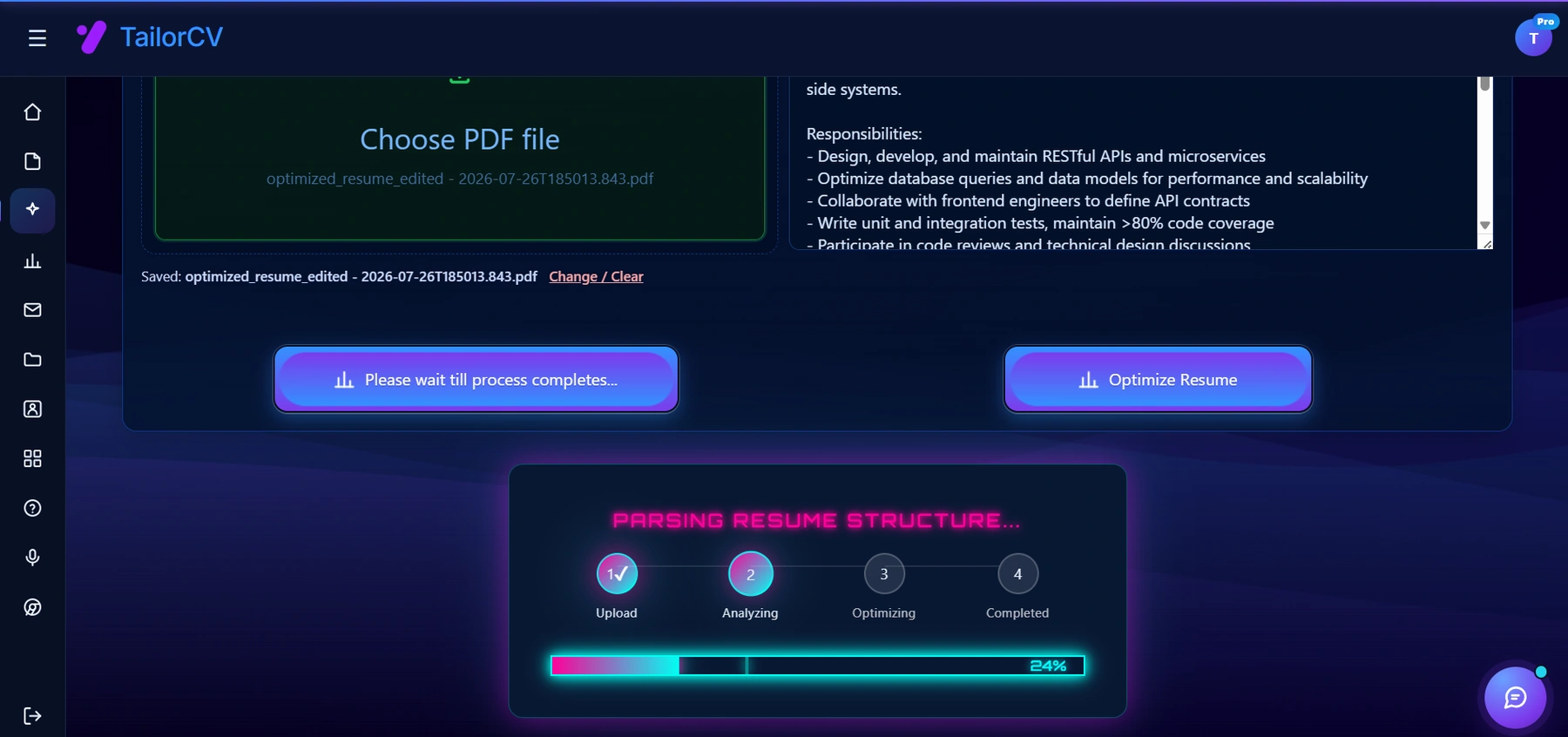
This is the step most people skip - checking against the real job description rather than optimising in the abstract.
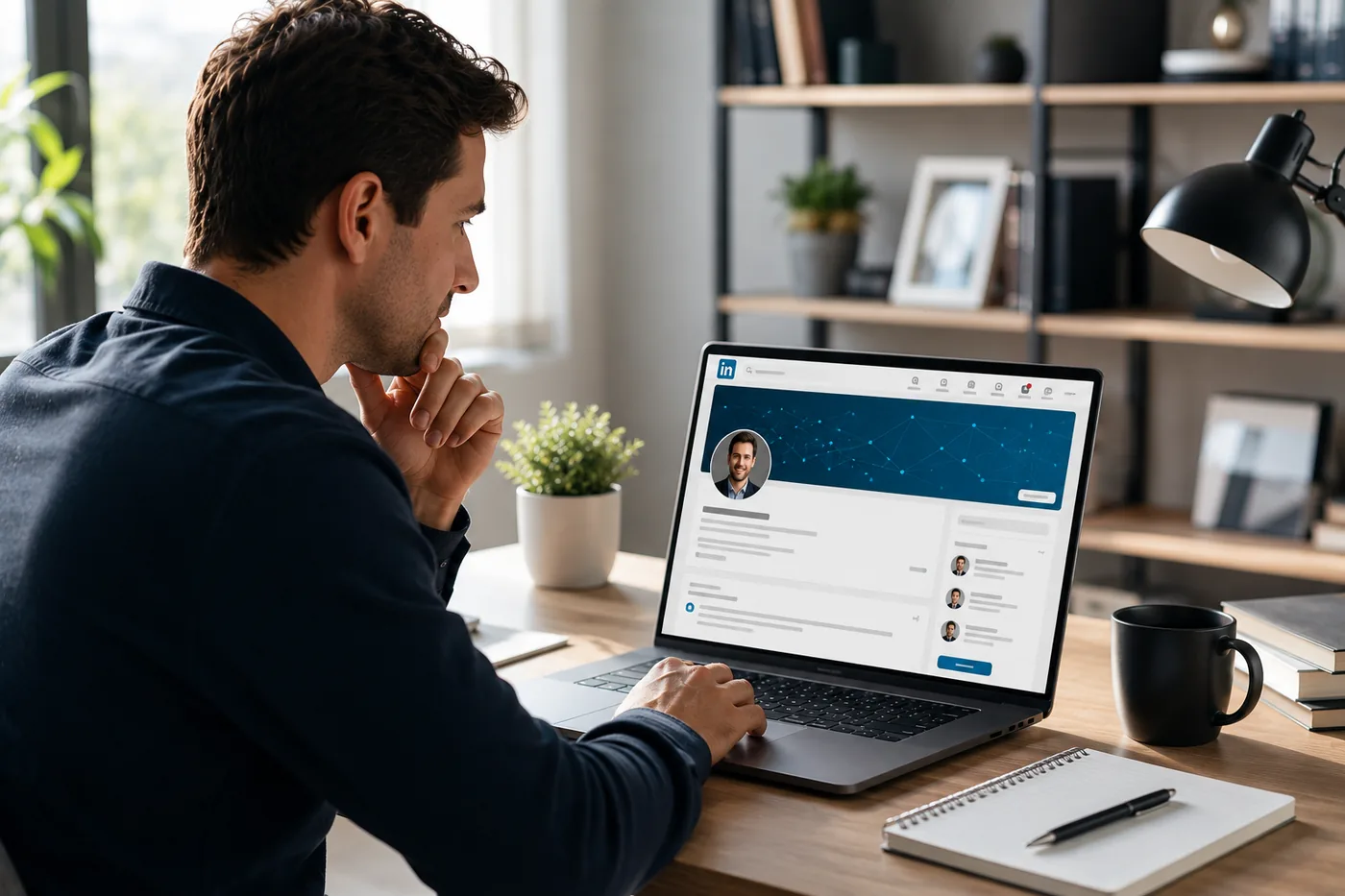
Professional Photo
Profiles with a clear, professional headshot get far more views and messages. Use a friendly, well-lit photo with a clean background — the same standard you'd use for a Malaysian resume photo.
Background Banner
Use the banner image to reinforce your professional brand — a clean, relevant image beats the default grey.
Custom URL
Set a clean custom URL (linkedin.com/in/yourname) and add it to your resume so recruiters can jump straight to your profile.
Step 2: Write a Keyword-Rich Headline
Your headline is the most important searchable field after your name. Don't just list your job title — combine your role, key skills, and value:
Digital Marketing Executive | Paid Social & SEO | Driving E-commerce Growth in Malaysia
This packs in searchable keywords ("Digital Marketing," "Paid Social," "SEO") while telling recruiters what you do. Mirror the language of the roles you want — for a keyword palette, see best resume keywords for Malaysian jobs.
Step 3: Craft a Compelling About Section
Your About (summary) is prime real estate for both keywords and personality. Structure it as:
- A strong opening line that states who you are professionally.
- A short paragraph on your key strengths and biggest achievements (with numbers).
- A skills line listing your core competencies and tools — great for search.
- A closing line on what you're looking for or passionate about.
Write in first person, keep it scannable, and weave in the keywords for your target roles naturally.
Step 4: Optimise Your Experience Section
Treat each role like a resume entry:
- Use clear job titles (recruiters search by title).
- Write achievement bullets with action verbs and measurable results.
- Include the tools, skills, and keywords relevant to each role.
Your Experience should align with your resume — a consistent story builds trust. Build that resume with the TailorCV resume builder and keep both documents matched.
Step 5: Skills, Endorsements, and Recommendations
- Skills: add up to the maximum, prioritising the ones most relevant to your target roles. LinkedIn uses these in search and matching.
- Endorsements: ask colleagues to endorse your key skills — social proof that reinforces your keywords.
- Recommendations: a few genuine written recommendations from managers or colleagues significantly boost credibility.
Step 6: Complete Every Section
LinkedIn rewards complete profiles with more visibility ("All-Star" status). Fill in:
- Education, certifications, and licences.
- Languages (Bahasa Malaysia, English, Mandarin, etc.) — valued in the Malaysian market.
- Projects, volunteer work, and publications where relevant.
A complete profile ranks higher and reassures recruiters.
Step 7: Signal You're Open and Active
- "Open to Work": turn on the recruiter-only signal (or the public badge) so recruiters know you're available.
- Post and engage: sharing relevant content and commenting thoughtfully keeps you visible in your network's feed and signals you're active in your field.
- Grow your network: connect with colleagues, alumni, and people at target companies. A larger, relevant network expands your reach and referral potential.
Step 8: Align LinkedIn With Your Whole Job Search
LinkedIn works best as part of a coherent search:
- Keep your resume consistent with your profile — see how to write a resume for Malaysia jobs and test it with the ATS checker.
- Use a targeted cover letter when applying — see the Malaysia cover letter guide.
- Prepare for interviews once recruiters reach out — see Malaysia interview tips and rehearse with the AI mock interview.
- For tech and creative fields, link a portfolio — build one from your resume with the TailorCV portfolio builder.
Reaching Out: Messages That Get Replies
Much of LinkedIn's value comes from direct outreach — to recruiters, potential referrers, and people in roles you want. But generic, self-interested messages get ignored. A few principles and templates for the Malaysian market:
Connecting with someone in your field:
Hi [Name], I'm a [your role] interested in [their industry/company]. I've been following [company/their work] and would love to connect and learn from professionals in the space. Thank you!
Reaching out to a recruiter:
Hi [Name], I noticed you recruit for [field] roles in [KL/Malaysia]. I'm a [your role] with experience in [key skills], actively exploring new opportunities. I'd welcome the chance to connect — happy to share my resume if helpful.
Requesting an informational chat (not a job):
Hi [Name], I admire your work at [company] and I'm keen to grow in [field]. Would you be open to a quick 15-minute chat about your career path and any advice for someone entering the space? I'd really appreciate it.
Keep messages short, specific, and respectful; lead with genuine interest rather than a request; and always thank people for their time. Ask for advice or a connection, not a job outright — the job often follows the relationship.
A Complete LinkedIn Profile Checklist
Before you consider your profile "done," confirm you have:
- unchecked: A clear, professional headshot and a clean banner image
- unchecked: A custom URL (linkedin.com/in/yourname) added to your resume
- unchecked: Your target city set as location
- unchecked: A keyword-rich headline (role + skills + value)
- unchecked: A structured, first-person About section with achievements and keywords
- unchecked: Every role in Experience written with quantified, keyword-aligned bullets
- unchecked: The maximum relevant skills listed, with endorsements
- unchecked: A few genuine written recommendations
- unchecked: Education, certifications, and languages completed
- unchecked: "Open to Work" turned on (recruiter-only or public badge)
- unchecked: A network that's growing in your industry and region
- unchecked: Consistency with your resume — same titles, dates, and story
Hitting every item gets you to "All-Star" completeness, which LinkedIn rewards with more visibility.
Building a Personal Brand in Your Field
Beyond being found, a consistent professional presence makes people want to work with you. You don't need to become an influencer — you need to be recognisably competent and active in your niche:
- Pick a focus. What do you want to be known for — data, digital marketing, finance, engineering? Let your headline, About, and activity reinforce it.
- Share your perspective occasionally. A short post about a lesson learned, a project shipped, or a trend in your field signals expertise and keeps you visible.
- Engage generously. Thoughtful comments on others' posts build relationships and reach with far less effort than creating content.
- Be consistent. A profile and activity that tell one coherent story build trust over time — exactly what recruiters and hiring managers look for.
In Malaysia's relationship-driven market, a credible, active presence quietly compounds into opportunities, referrals, and recruiter interest.
How the LinkedIn Algorithm Decides Who Sees You
Getting found isn't only about keywords — LinkedIn's systems weigh several signals when deciding whose profiles surface in recruiter searches and whose posts appear in feeds:
- Profile completeness. More complete profiles rank higher; that's why "All-Star" status matters.
- Keyword relevance and placement. Terms in your headline, About, skills, and job titles carry more weight than the same words buried elsewhere.
- Activity and recency. Active users — those who post, comment, and update — are surfaced more than dormant ones.
- Connection relevance. A network concentrated in your industry and region makes you more likely to appear for local recruiters searching that space.
- Engagement on your content. Posts that draw genuine comments and reactions reach further, keeping your name visible.
You don't need to game the system — you need to be complete, relevant, and consistently active. Do those three things and visibility follows.
Building the Right Network in Malaysia
The size and shape of your network directly affect how often you appear in recruiter searches and how many referral paths you have. To build it deliberately:
- Connect with people in your industry and target companies in Malaysia — colleagues, alumni, and professionals whose work overlaps yours.
- Always add a short, personal note to connection requests; a one-line reason for connecting dramatically raises acceptance rates.
- Follow the companies you want to work for so their updates (and job posts) reach you, and so you can reference them meaningfully.
- Reconnect with former colleagues and classmates — warm ties are the most likely to refer you.
- Engage before you ask. Comment thoughtfully on others' posts for a while before reaching out; you'll be a familiar name rather than a stranger.
A relevant network of a few hundred well-chosen connections in Malaysia beats thousands of random ones for job-search purposes.
Using LinkedIn to Find and Apply for Jobs
Beyond being found, LinkedIn is an active search tool:
- Use the jobs search with filters for location (e.g. Kuala Lumpur, Penang), experience level, and remote/hybrid.
- Set job alerts for your target roles so new postings reach you fast — applying early matters.
- Research before applying: check the company page, employees you might know, and the hiring manager. A connection who can refer you is worth more than a cold application.
- Apply with a consistent resume. Whether you apply on LinkedIn or the company site, submit a tailored, ATS-ready resume — build it with the TailorCV resume builder and tailor it with the resume optimizer.
Treat "Easy Apply" with care: it's convenient but attracts high volume, so still tailor your resume and, where possible, add a referral or a direct application to stand out.
Engaging and Building a Professional Presence
You don't need to be an influencer, but a little visible activity compounds over time:
- Share occasionally: a useful article, a project you're proud of, or a short reflection on your field.
- Comment thoughtfully on posts in your industry — this is the lowest-effort, highest-return activity for staying visible.
- Celebrate others (a colleague's new role, a team win) — generosity builds goodwill and reach.
- Keep it professional. In Malaysia's relationship-driven market, your online conduct is part of your reputation.
Even fifteen minutes a week of genuine engagement keeps you in your network's feed and top of mind when opportunities arise.
Special Tips for Fresh Graduates and Newcomers
If you're just starting out or new to Malaysia, LinkedIn is one of your most powerful (and free) tools:
- Fill the gaps that experience would normally fill: feature your degree, final-year projects, internships, certifications, and co-curricular leadership.
- Write an About section that leads with potential and direction, not just "recent graduate."
- Connect with your university's alumni working in your target field — they're often willing to advise and refer.
- Turn on "Open to Work" and set your location to your target city.
Combined with the fresh-graduate strategy in how to get a job in Malaysia, a strong profile helps you get discovered despite limited experience.
Using Skills, Endorsements, and LinkedIn Learning
LinkedIn's skills section does more than list competencies — it feeds directly into how you're matched to recruiter searches and job recommendations. Treat it strategically:
- Prioritise your most relevant skills at the top; LinkedIn lets you pin the ones that matter most, and these are weighted heavily in matching.
- Seek endorsements from colleagues for your key skills — social proof reinforces your keywords and adds credibility.
- Take skill assessments where available; passing one earns a badge that signals verified ability to recruiters.
- Use LinkedIn Learning (or any reputable course) and add completed certifications to your profile — they surface as fresh, in-demand keywords and show you're actively developing.
For fresh graduates and career changers especially, verified skills and certifications help offset a thinner work history and make your profile more competitive in searches.
Measuring and Improving Your Profile Over Time
Optimising LinkedIn isn't a one-off task — it's worth reviewing periodically:
- Check your search appearances and profile views (LinkedIn shows these) to gauge whether your optimisation is working. Rising numbers suggest your keywords and activity are landing.
- Update your headline and About whenever your target role shifts, so you're always searchable for the jobs you actually want now.
- Refresh your Experience with new achievements as you earn them — quantified and keyword-aligned.
- Keep your network growing in your industry and region, since reach compounds over time.
- Stay active with light, consistent engagement rather than sporadic bursts.
Think of your profile as a living asset: a little maintenance each month keeps you visible to recruiters and ready for opportunities the moment they arise.
Avoiding Job Scams and Protecting Your Profile
As LinkedIn's importance has grown in Malaysia, so have opportunistic scams. Protect yourself:
- Be wary of "recruiters" asking for payment, personal financial details, or your IC number upfront — legitimate employers don't charge you to apply or "process" a job.
- Verify unfamiliar companies and contacts before sharing sensitive information or attending unusual "interviews."
- Treat offers that seem too good to be true with caution, especially unsolicited high-paying remote roles requiring upfront costs.
- Keep sensitive personal data off your public profile — your headline, experience, and skills belong there; your IC number and home address do not.
A healthy dose of caution keeps your LinkedIn presence an asset rather than a vulnerability.
Common LinkedIn Mistakes to Avoid
- Incomplete profile. Missing sections tank your visibility and credibility.
- No keywords. A vague headline and empty About make you unsearchable.
- No photo or an unprofessional one. It sharply reduces recruiter interest.
- Inconsistent with your resume. Mismatched titles and dates raise doubts.
- Being passive. No activity, no network growth, no "Open to Work" — you stay invisible.
- Generic connection requests. A short personal note gets far more acceptances.
Turning Profile Views Into Conversations
Getting found is only valuable if it leads somewhere. When a recruiter views your profile or your network engages with you, be ready to convert that attention into a conversation. Respond promptly and professionally to recruiter messages, even to politely decline roles that aren't a fit — you're building relationships for the future, not just this job. When someone views your profile, it can be a natural, low-pressure moment to connect with a short, friendly note. And when you spot a role you want at a company where you have a connection, reach out for a referral before applying cold. LinkedIn's real power isn't the profile itself — it's the doors the profile opens, and the follow-through that walks you through them. Treat every interaction as the start of a professional relationship, and your optimised profile becomes a genuine engine for opportunities.
Consistency Across Your Whole Online Presence
Recruiters in Malaysia increasingly look you up beyond LinkedIn, so make sure your wider online presence supports rather than undermines your candidacy. Your LinkedIn, resume, and any portfolio should tell one consistent story — the same titles, dates, and professional narrative. Tidy up or lock down personal social media that a recruiter might find, and ensure anything public reflects the professional you want to present. A coherent, professional digital footprint reassures employers and reinforces the credibility your optimised profile works hard to build.
Frequently Asked Questions
Do recruiters in Malaysia really use LinkedIn? Yes — extensively, especially for professional, MNC, and tech roles. Many source candidates directly, so an optimised profile is essential.
What's the most important part of a LinkedIn profile? Your headline and About section carry the most searchable keywords, and your photo drives engagement. Together they determine whether recruiters find and click you.
Should my LinkedIn match my resume? Yes — keep titles, dates, and your professional story consistent. A matched, keyword-aligned pair builds trust and coverage.
How do I get found by more recruiters? Fill your headline, About, and Experience with the keywords for your target roles, complete every section, turn on "Open to Work," and stay active. Optimisation plus activity maximises visibility.
How big should my LinkedIn network be? Relevance beats size. A few hundred well-chosen connections in your industry and region in Malaysia create more search visibility and referral paths than thousands of random contacts. Always add a short personal note to requests.
Should I use LinkedIn "Easy Apply"? It's convenient but attracts high applicant volume, so it's easy to get lost. Still tailor your resume, and where possible add a referral or apply directly on the company site to stand out.
How often should I post or engage on LinkedIn? Even fifteen minutes a week helps. Thoughtful comments on industry posts are the highest-return, lowest-effort activity; occasional sharing keeps you visible. You don't need to be an influencer — just consistently present.
Is LinkedIn useful if I'm a fresh graduate with little experience? Very. Feature your degree, projects, internships, certifications, and leadership; write an About section that leads with potential; connect with alumni; and turn on "Open to Work." It's one of the best free ways to get discovered early.
Final Thoughts
In Malaysia, an optimised LinkedIn profile is one of the highest-return investments in your job search: it gets you found, gets you approached, and powers the referrals that fill so many roles. Nail your photo and headline, write a keyword-rich About, align your experience with your resume, and stay active.
Keep your profile and resume in sync by building your resume with the TailorCV resume builder and tailoring it to each role with the ATS optimizer. Optimise once, stay active, and let the right opportunities come to you.
What is your resume scoring right now?
Scan it against a job description and get your ATS match score in about a minute.
Drop your resume here or choose a file
PDF only. Max 2 MB.
We never share your data or use it to train AI models.

Was this guide useful?
Be the first to rate it.