
Brazil Work Visas Explained
The VITEM V work visa, the labour authorisation that precedes it, and the residence routes that follow. How Brazilian work authorisation actually works.
Actionable guides to improve ATS score, resume quality, and job search outcomes.
The VITEM V work visa, the labour authorisation that precedes it, and the residence routes that follow. How Brazilian work authorisation actually works.
A strong local engineering pool, a large outsourcing industry serving global clients, and a domestic startup scene growing fast. Where Vietnamese technology work actually is.
Hundreds of international companies run engineering and operations centres in India, paying well above services rates and hiring on capability. Most students have never made a list of them.
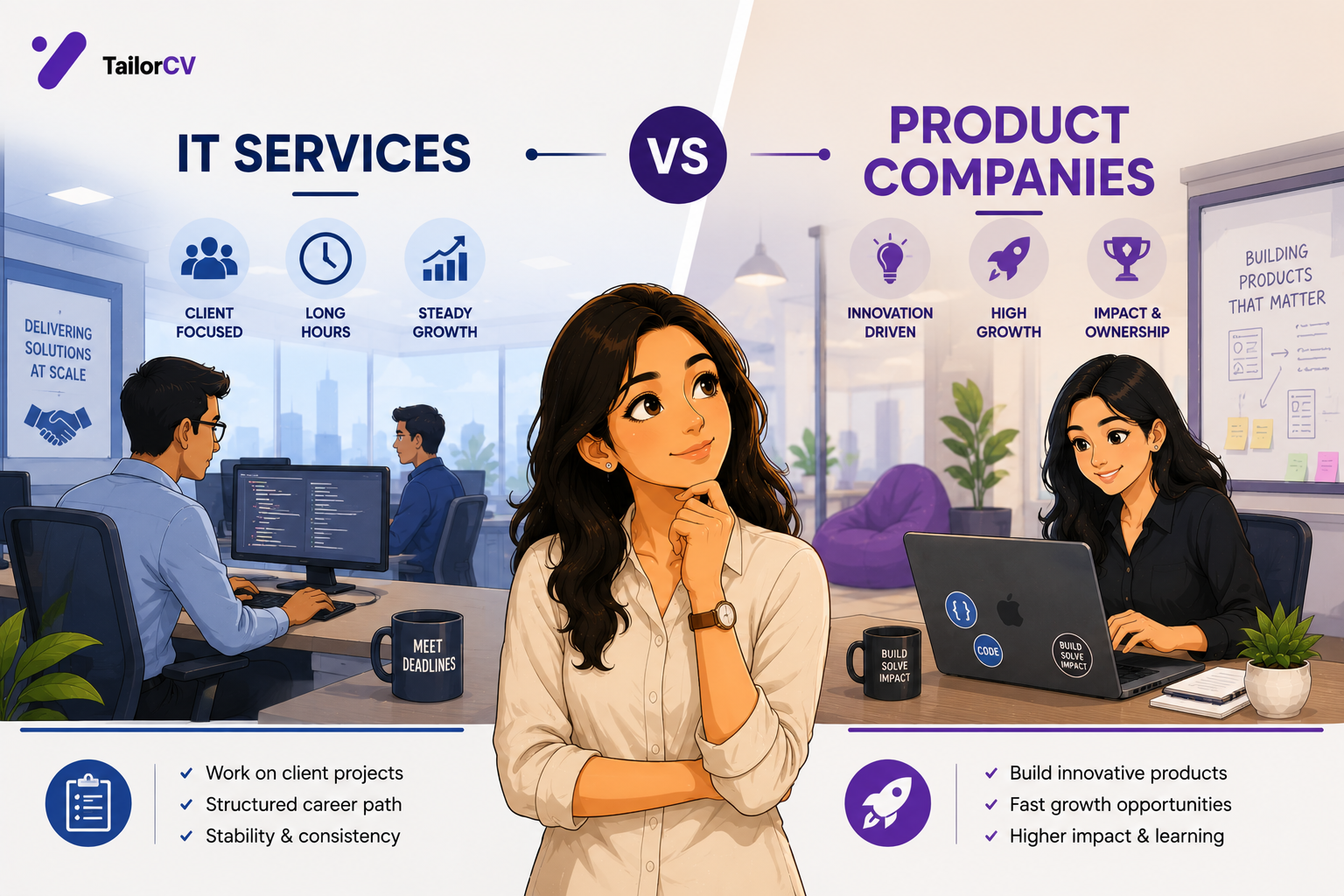
Two completely different careers that graduates treat as one decision. What each actually involves, what each pays, and how to move between them.

Over a million engineering graduates a year, an IT services industry that hires in bulk, and a product and GCC sector that hires very differently. How to read the Indian market.
One page for a fresher, no photo needed, and a projects section that matters more than your percentage. What Indian recruiters and screening systems look for.

Campus offers are largely fixed and off-campus offers are not. Understanding CTC properly, knowing when there is room, and asking without damaging the offer.
Southeast Asia's largest economy, a young population, and a fast-growing consumer technology sector — with restricted occupations and a sponsorship system that shapes everything.
The RPTKA, the KITAS, the counterpart requirement and the sponsorship structure. How Indonesian work authorisation actually functions.

Mobile gaming that punches far above the country's weight, a fintech and delivery sector with real scale, and an ecosystem shaped by currency instability.

Southeast Asia's largest consumer market produced platforms operating at genuine scale. What Jakarta's technology sector actually looks like and where foreigners fit.

Two regions with growing economies, very different work authorisation regimes and language requirements, compared on the things that actually decide a move.

A growing software sector alongside the BPO industry, a genuine English advantage, and a startup scene that is smaller than the region's leaders but real.

A fintech sector growing fast, international engineering centres drawn by time zone and talent, and a startup ecosystem that has become the second most significant in Latin America.

What Mexican employers expect, why the photograph question is more complicated here than elsewhere, and how bilingual applications actually work.

Nearshoring, a growing technology sector, and a labour market that has become considerably more interesting to international graduates than its reputation suggests.

Manufacturing and services relocating from Asia to serve North America, and what it means for engineers, supply chain professionals and technology workers.

The temporary resident visa with work permission, the canje that follows arrival, and the routes that do not require an employer. How Mexican work authorisation actually works.

The sector employs enormous numbers of graduates and most advice about it is a decade out of date. What the work actually is now and how to build a career in it.

An English-speaking workforce, the world's largest business process outsourcing industry, and a labour market structured around export of both services and people.