

Working in Malta as an International Graduate
An English-speaking EU member of half a million people running one of Europe's largest online gaming industries. Small, unusual, and far more open than most people realise.
Actionable guides to improve ATS score, resume quality, and job search outcomes.
An English-speaking EU member of half a million people running one of Europe's largest online gaming industries. Small, unusual, and far more open than most people realise.
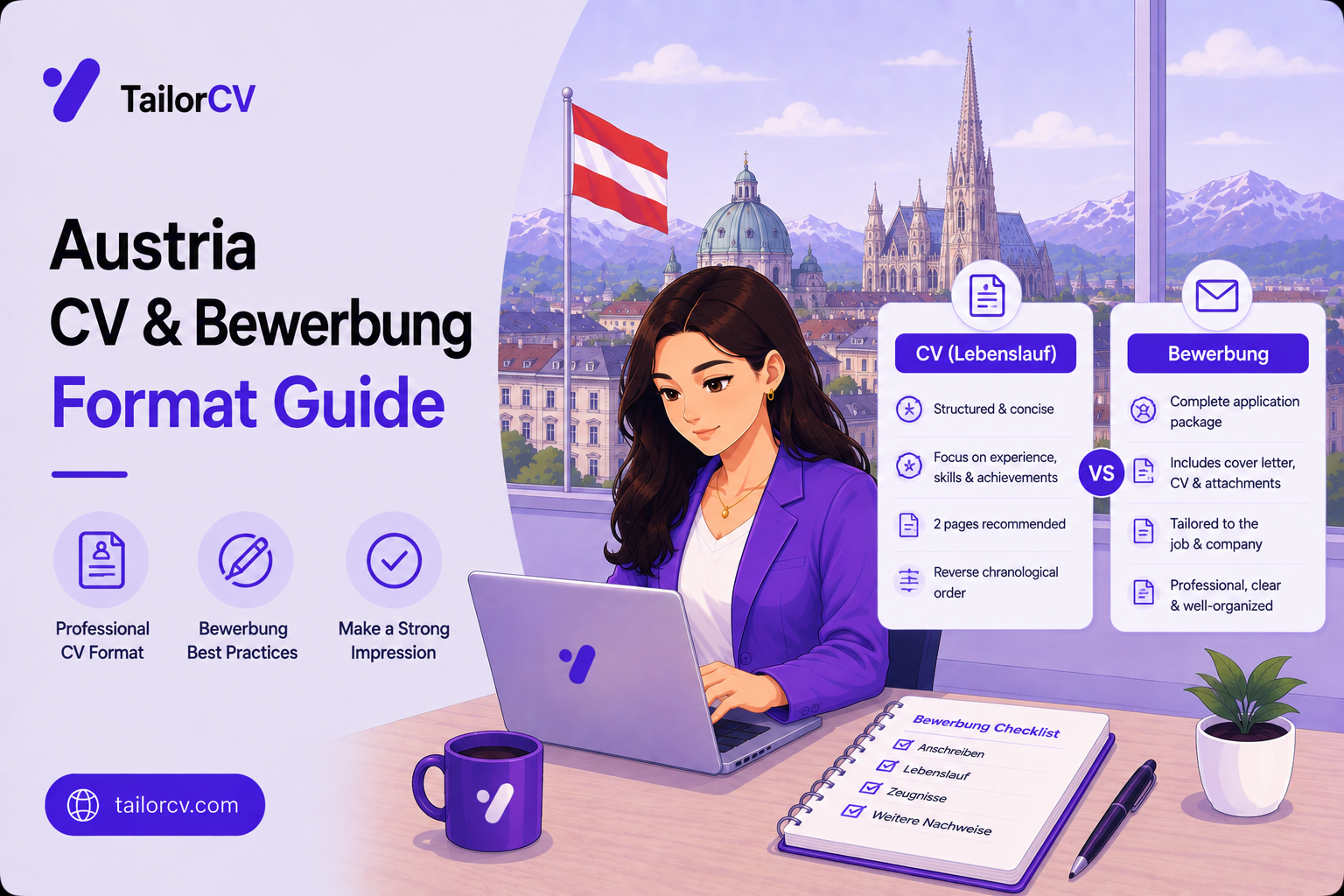
A complete application dossier, a photo that is still conventional, and academic titles that genuinely matter. What Austrian employers expect to receive.
German-speaking, centrally located, and running a points-based immigration system most people have never heard of. What Austria offers a graduate and where the work is.
Austria scores you on qualifications, experience, language and age, and tells you the threshold in advance. How the points work and which category actually fits a graduate.
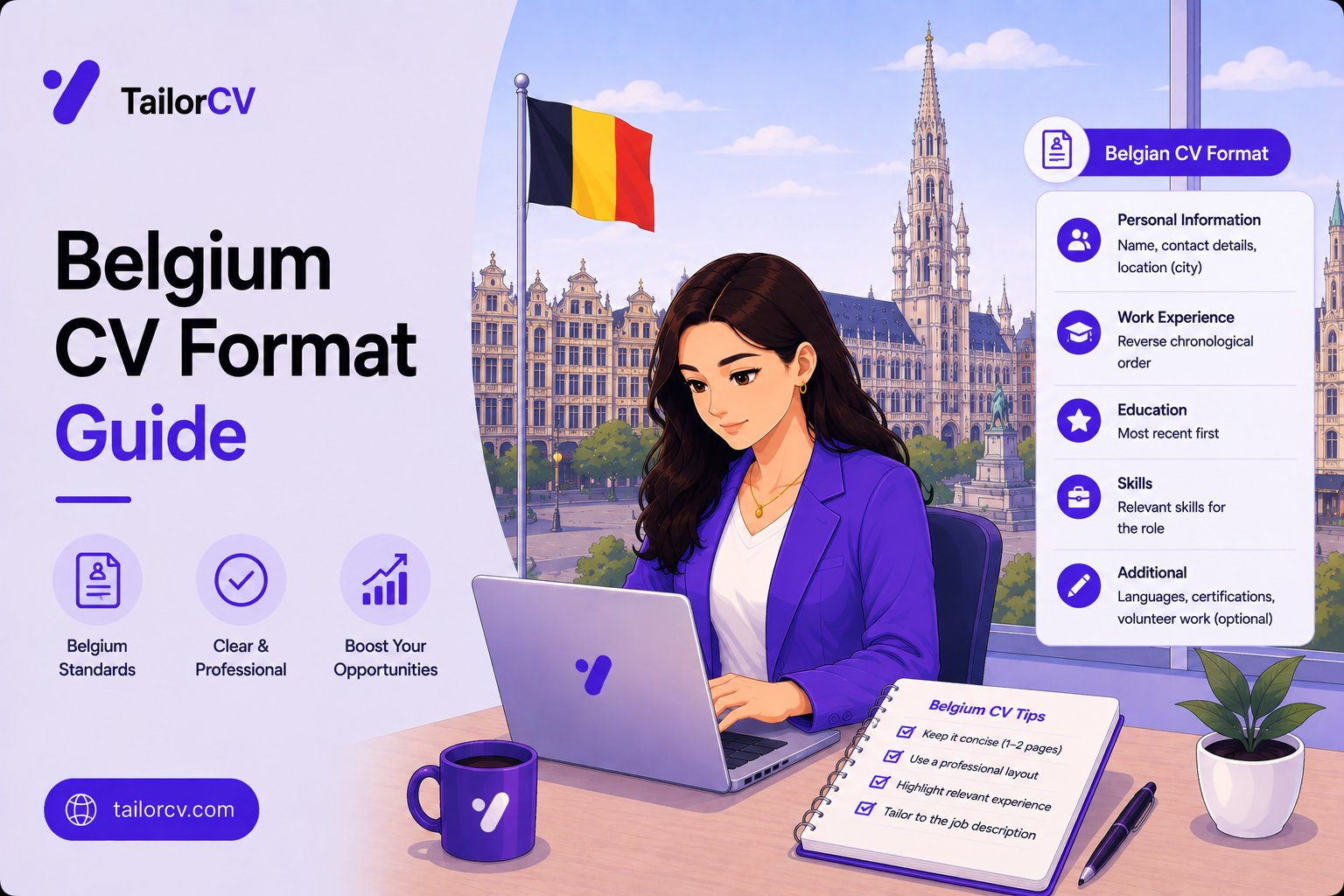
Which language you write in is the first decision and it is not always obvious. What Belgian employers expect, and how the three regions differ on the details.
EPSO competitions take a year and admit very few. Contract agents, trainees and seconded experts are how most people actually get in — and nobody explains that.
Three official languages, the EU's administrative centre, and a labour market where which region you apply in changes the rules. How Belgium actually works for a graduate.
A single permit combining work and residence, a fast-track programme most people have not heard of, and the quirks of Czech administration that decide your timeline.
Central Europe's industrial heart, a growing technology sector in Prague and Brno, and salaries that are rising from a low base. What the market actually offers.
Which European markets you can genuinely work in without the local language, which sectors run in English everywhere, and where the ceiling is if you never learn one.
A country of 1.3 million that produced Skype, Wise and Bolt, runs the most digitised government in the world, and lets you found a company from anywhere.
A purpose-built route for founders and startup employees, with a committee that decides whether your company qualifies. How it works and who it actually suits.
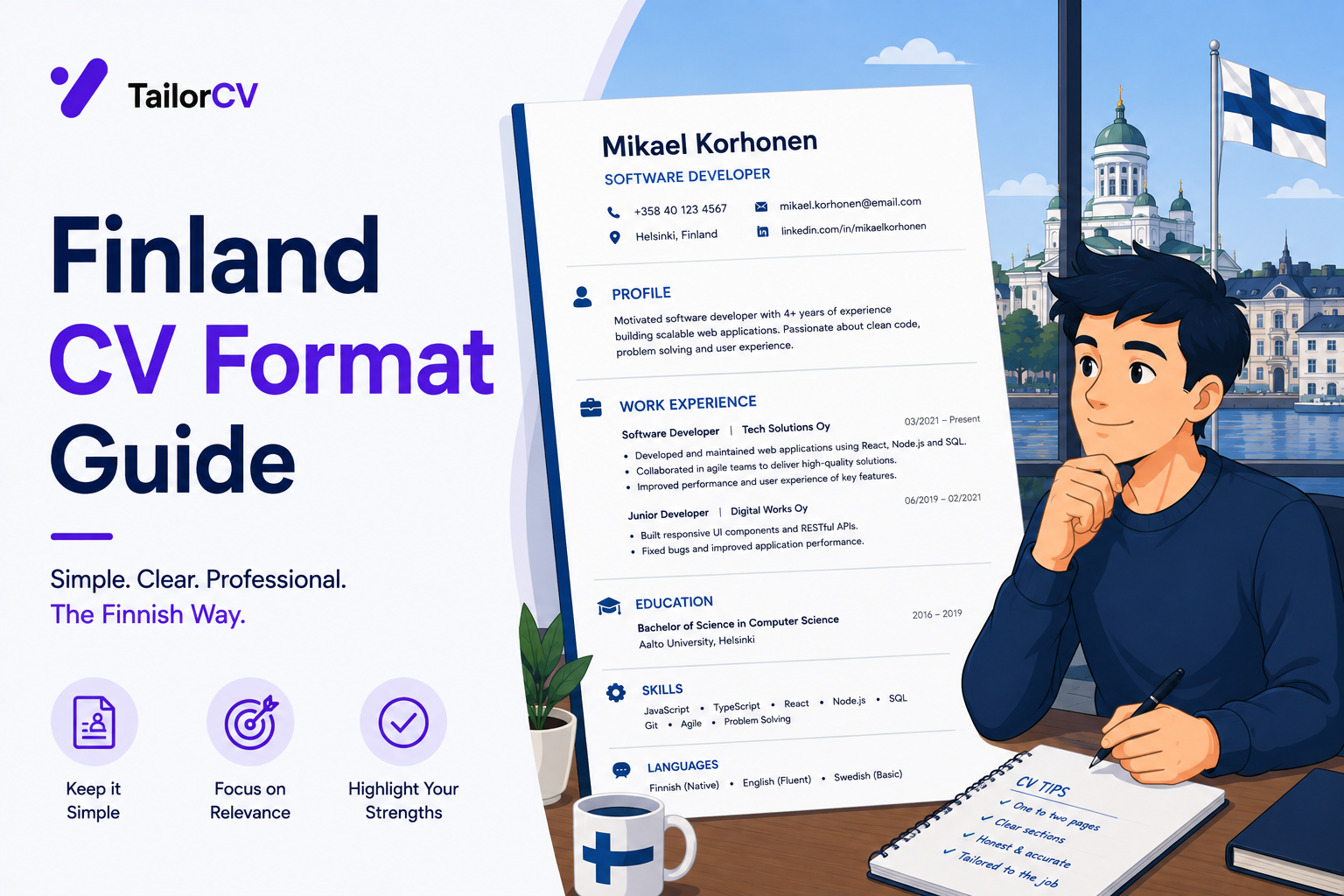
Two pages, no photo needed, and a directness that rewards understatement. What Finnish employers read for, and the summer jobs you should not delete.
A country actively recruiting international talent, a technology and gaming sector far larger than its size suggests, and the hardest language in Western Europe.
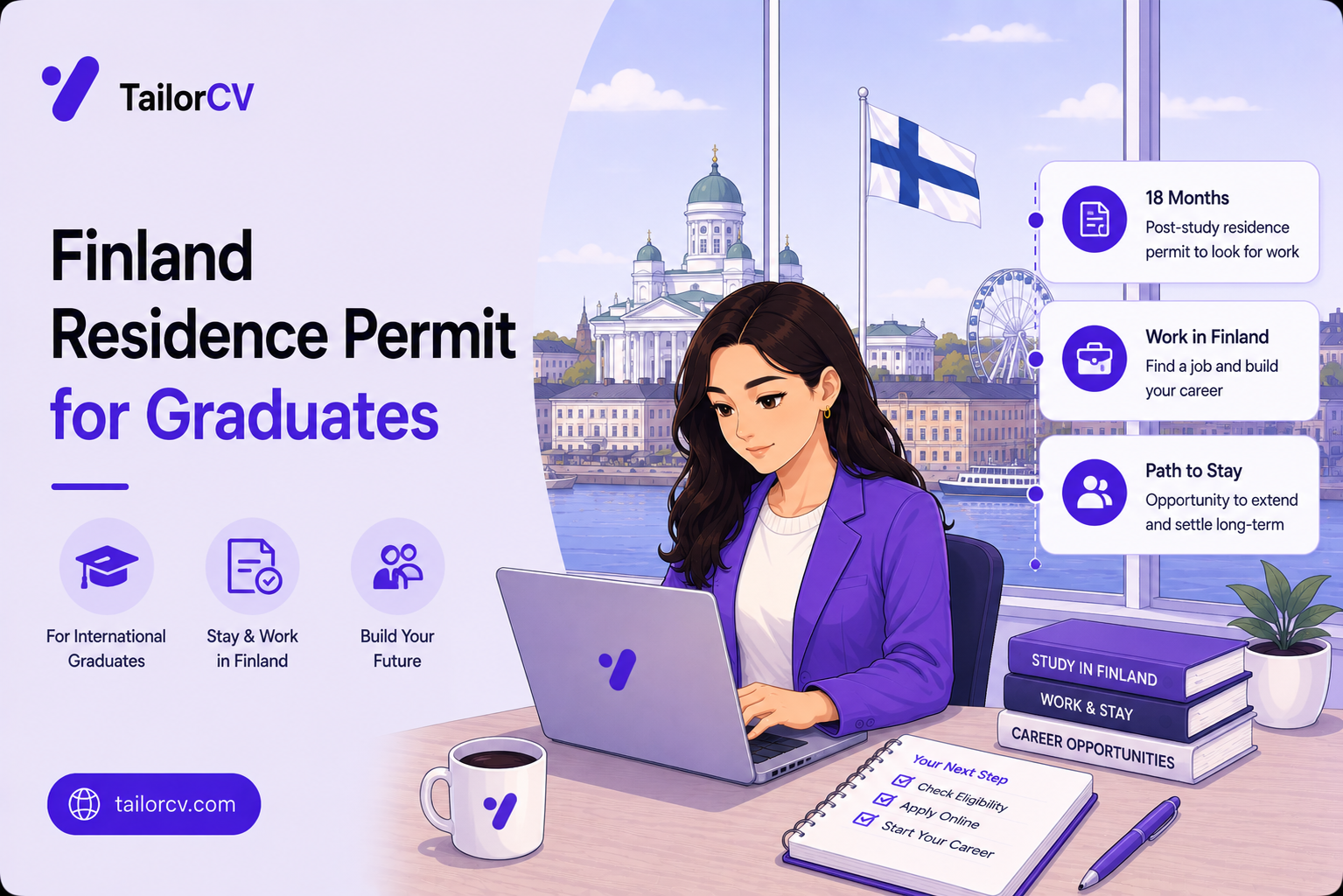
A country that has deliberately made its post-study route one of the more generous in Europe. What the specialist permit requires and how the job-seeking permit works.
Supercell, Remedy and a gaming industry far larger than the country's size explains, plus a telecommunications base in Oulu that almost nobody outside Finland knows about.
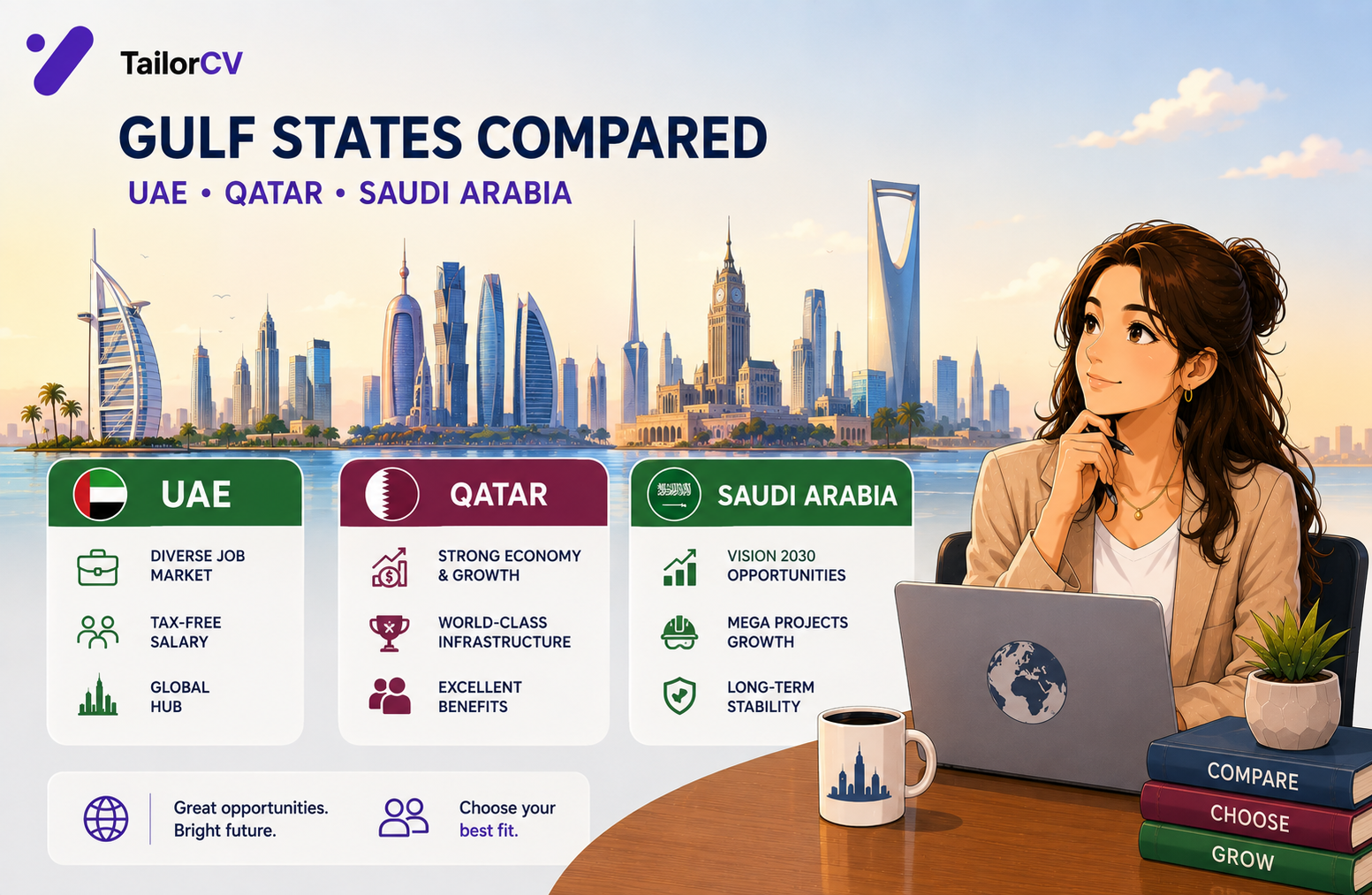
Three tax-free economies with converging immigration rules and genuinely different sectors, social environments and long-term propositions. How to choose between them.
Fewer than 400,000 people, an economy built on fish, energy, aluminium and tourism, and a labour market that genuinely needs people it cannot find locally.
One page, no photo, and a directness in interviews that catches people out. What Israeli employers read for and how the process actually runs.
One of the densest startup ecosystems in the world, an enormous concentration of multinational R&D centres, and a labour market that is harder to enter than its reputation suggests.