

The Job Was Posted Today - How to Apply Well in Under an Hour
Early applications get read more carefully. Here is how to move fast on a fresh posting without sending something careless.
Actionable guides to improve ATS score, resume quality, and job search outcomes.
Early applications get read more carefully. Here is how to move fast on a fresh posting without sending something careless.

The applicant counter looks discouraging and is mostly misleading. Here is what it actually measures.

Part-time experience is frequently undersold. Here is how to present it as equivalent professional work.

Promotions are decided by what you did before the application. Here is how to build the evidence deliberately.

Inbound recruiter contact is a different situation from applying. Here is how to handle it well.

A referral moves you past the filters that reject most applications. Here is how to get one and what it does not do.
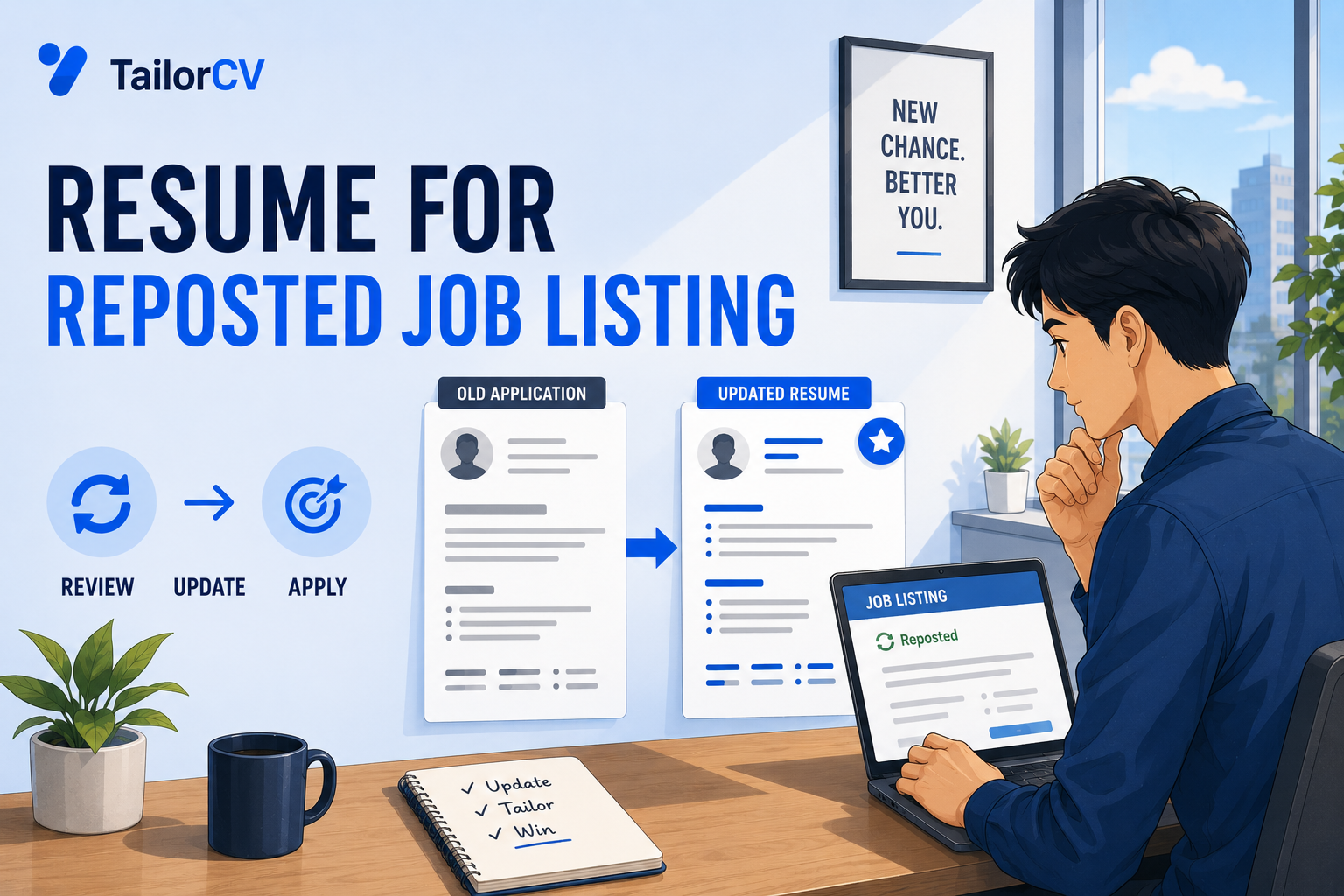
A reposted listing signals something went wrong the first time. Here is how to read the signal and use it.

Without a degree or a course to point at, everything rests on evidence. Here is how to assemble it.

The same experience persuades differently in each. Here is what each environment is actually screening for.

Recruiters see both applications. Here is how to apply to more than one role without weakening either.
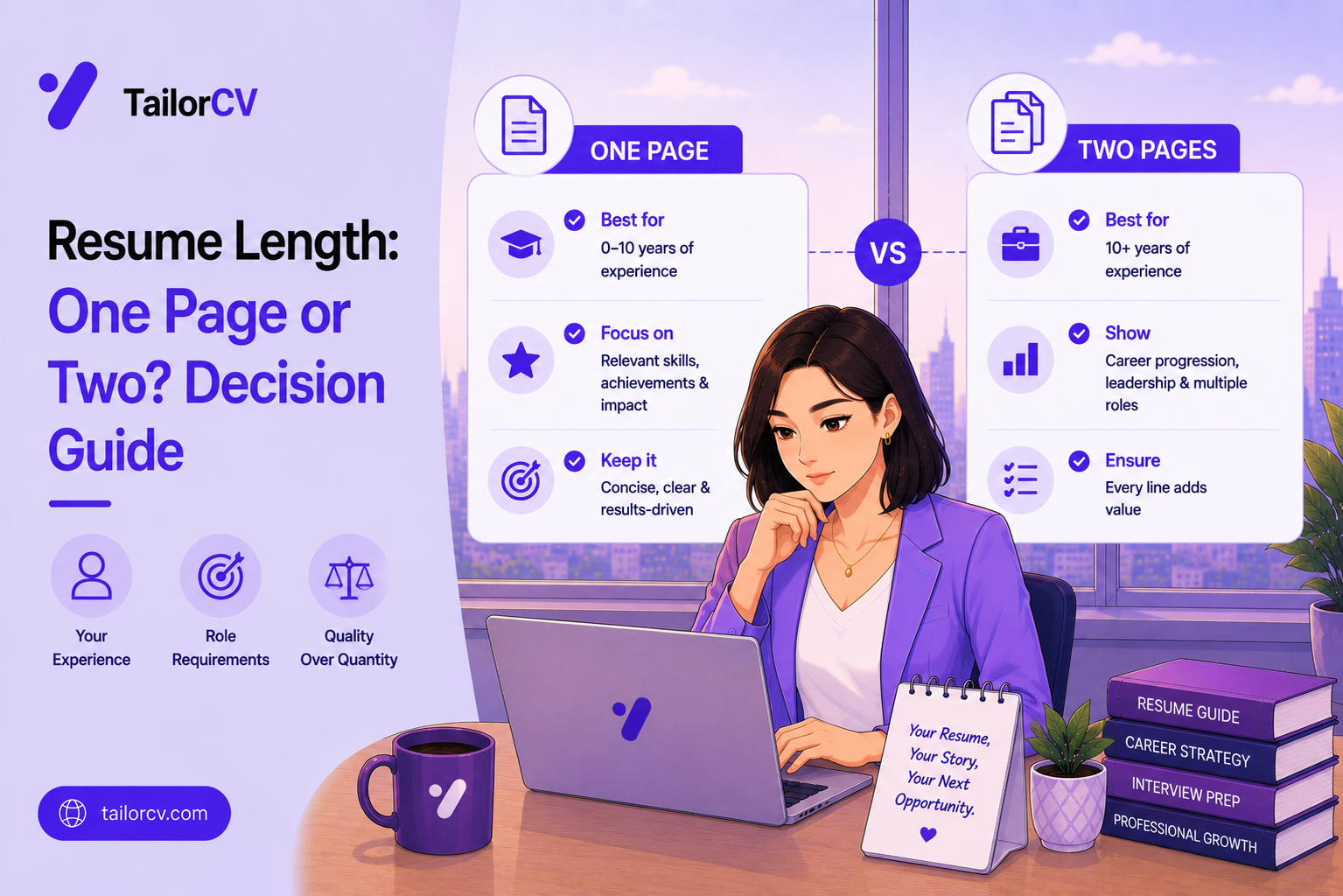
The page count argument is mostly a proxy for a different problem. Here is the rule that actually applies.

Some things on a resume genuinely cost you interviews. Others are myths that waste your time. Here is the difference.

The objective has largely disappeared for good reasons, with a few exceptions. Here is which to write and how.

A short check before submitting catches the errors that quietly end applications. Here is the list worth running every time.
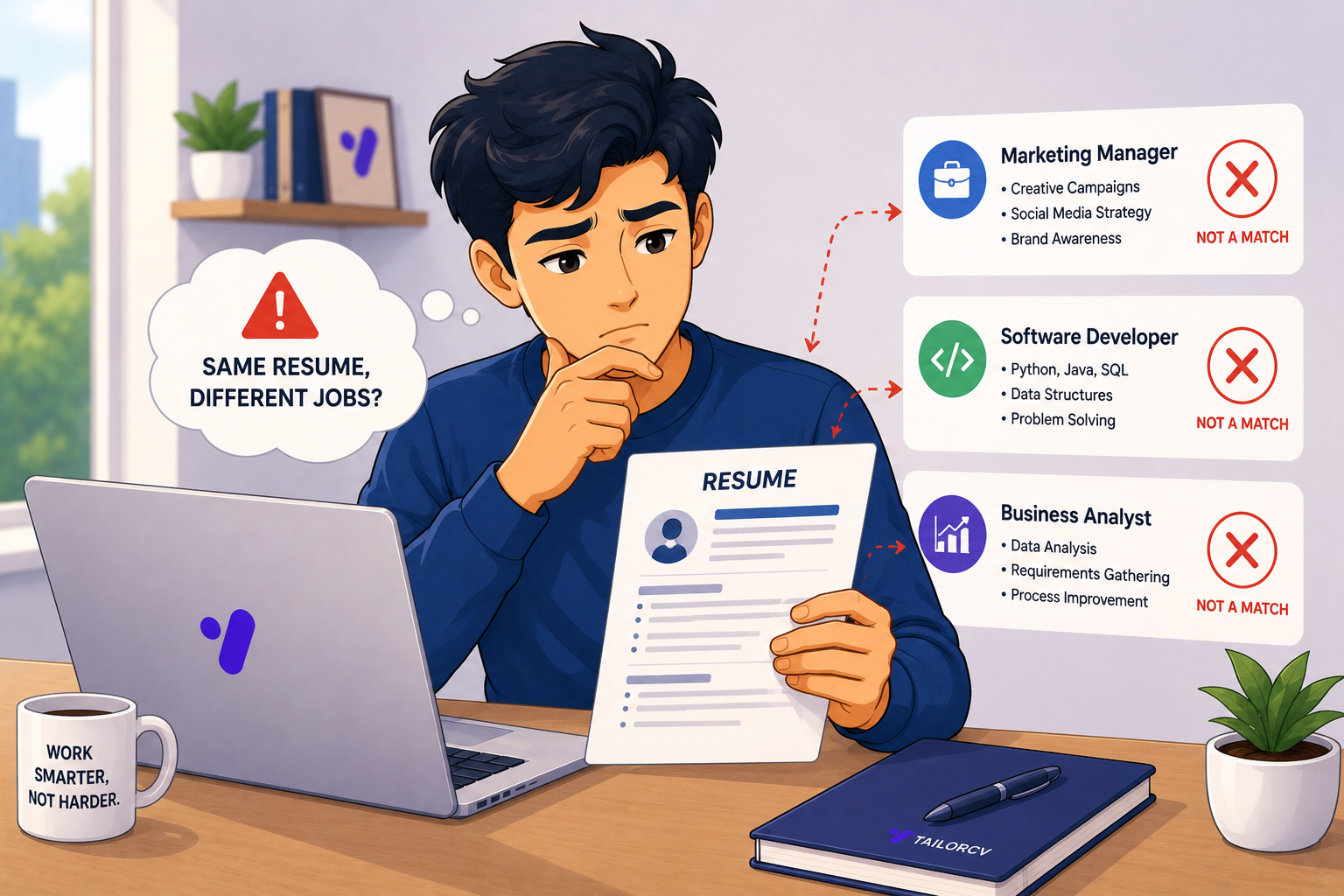
One resume for fifty applications feels efficient. Here is the mechanism by which it produces silence.
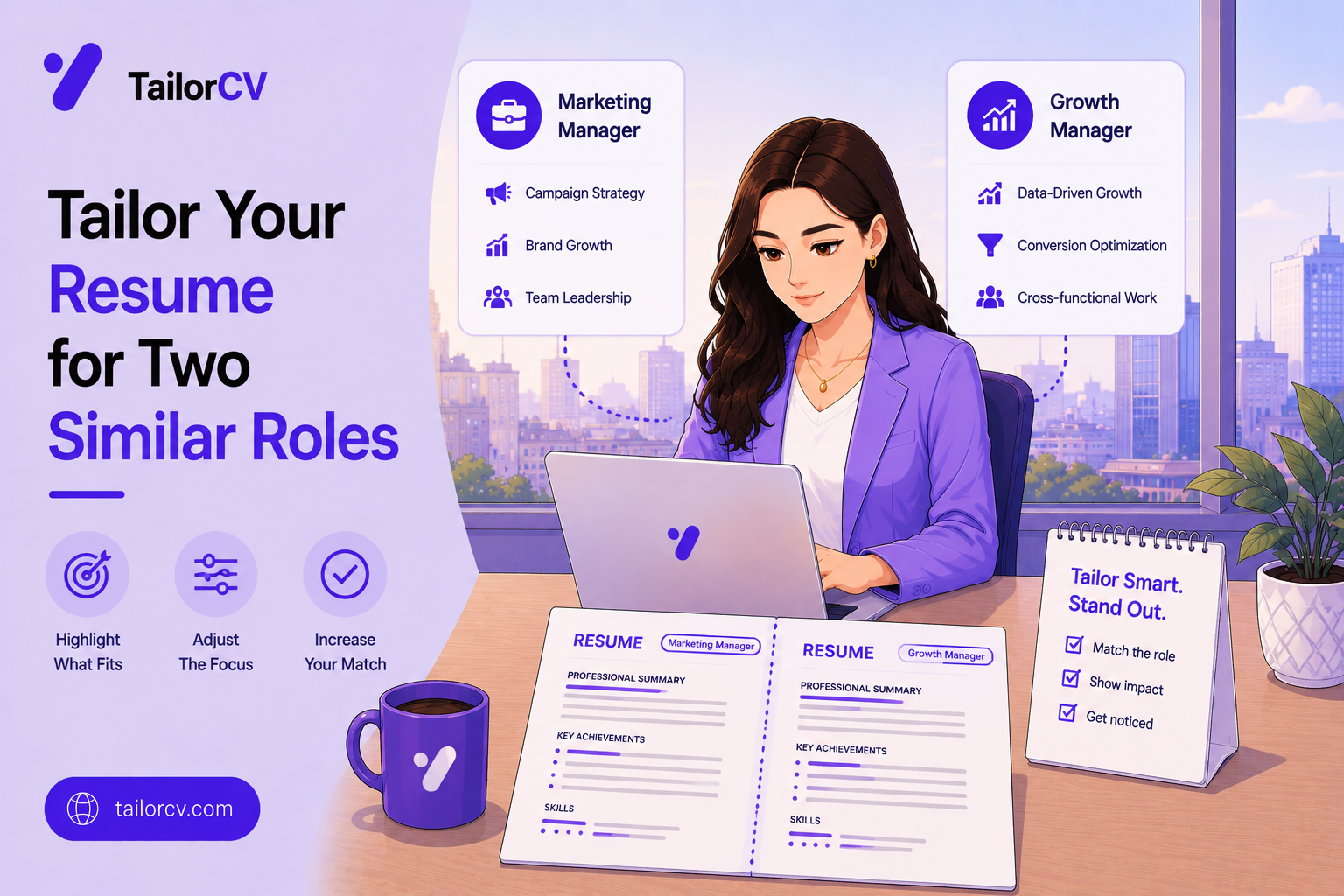
When two postings overlap heavily, most of the work is shared. Here is what to change and what to leave alone.

When a posting says almost nothing useful, tailoring feels impossible. Here is where the real signal hides.
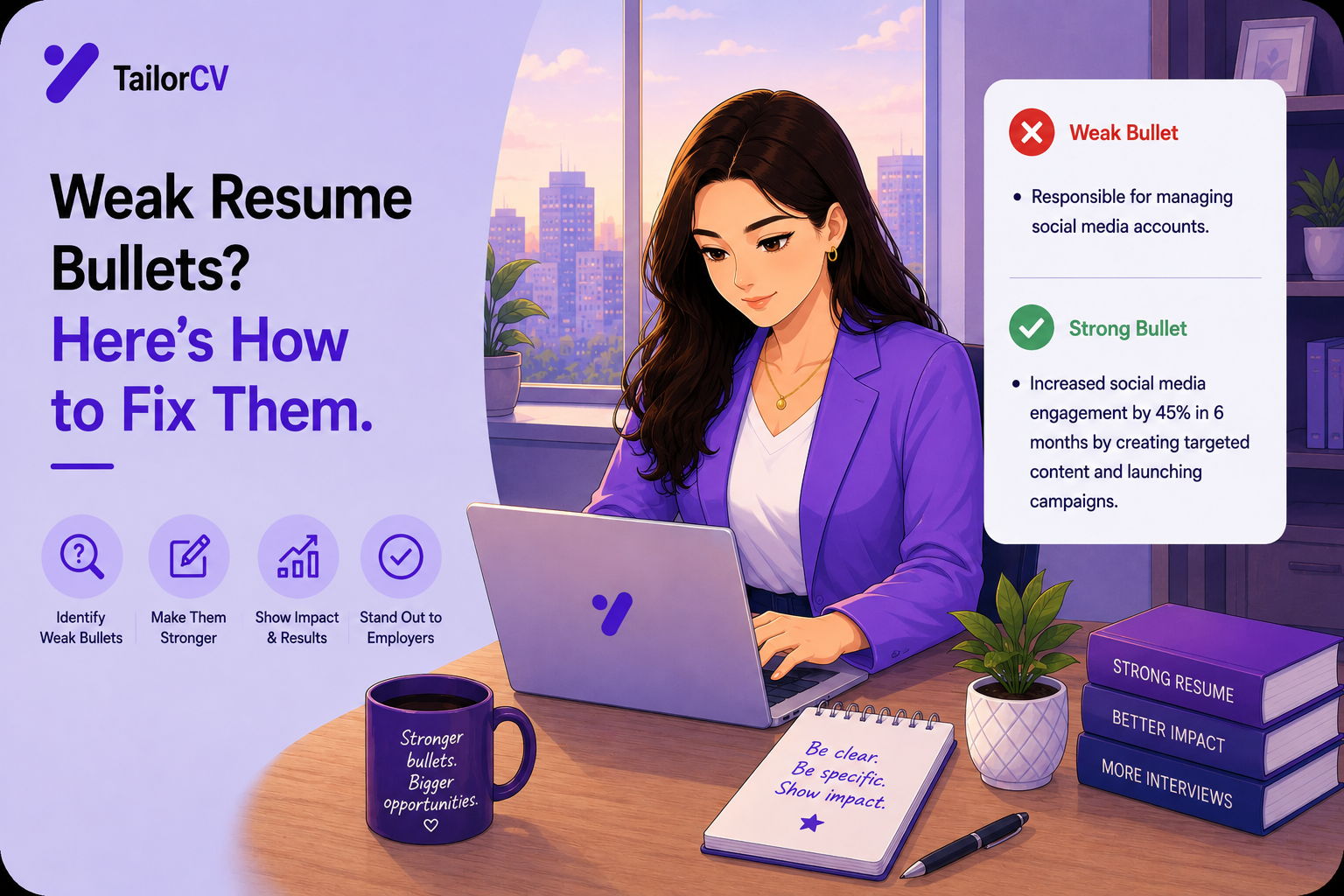
Most resume bullets describe duties nobody doubted you had. Here is how to tell the weak ones apart and fix them.

Much hiring starts with a search rather than an application. Here is what those searches match on.

Skilled independent, state nomination, employer sponsorship and the regional routes. How points, occupation lists and invitation rounds fit together.