 SS
SS
Key Takeaways
- Fix structure before keywords — an unparseable resume cannot be rescued by better wording.
- Standard job titles are the single highest-impact keyword change you can make.
- Every significant skill should appear in an experience bullet, not only in a list.
- A score is a diagnostic prompt, not a grade an employer sees.
- Once the mechanics are right, the remaining work is evidence, which persuades the human who decides.
Most people improving a resume start with keywords. That is the second thing that matters. The first is whether the file can be read at all, and if it cannot, no amount of keyword work does anything.
This checklist runs in that order. Work down it. Each level assumes the one above it is already true.
Start by seeing what a parser extracts from your current file — the free ATS score checker.
Level 1: Make it readable at all
Nothing below this matters until these are true.
☐ The PDF has selectable text. Open it, drag your cursor across a line. If nothing highlights, it is an image — every application you sent with it arrived blank. Re-export from the original document rather than scanning or screenshotting.
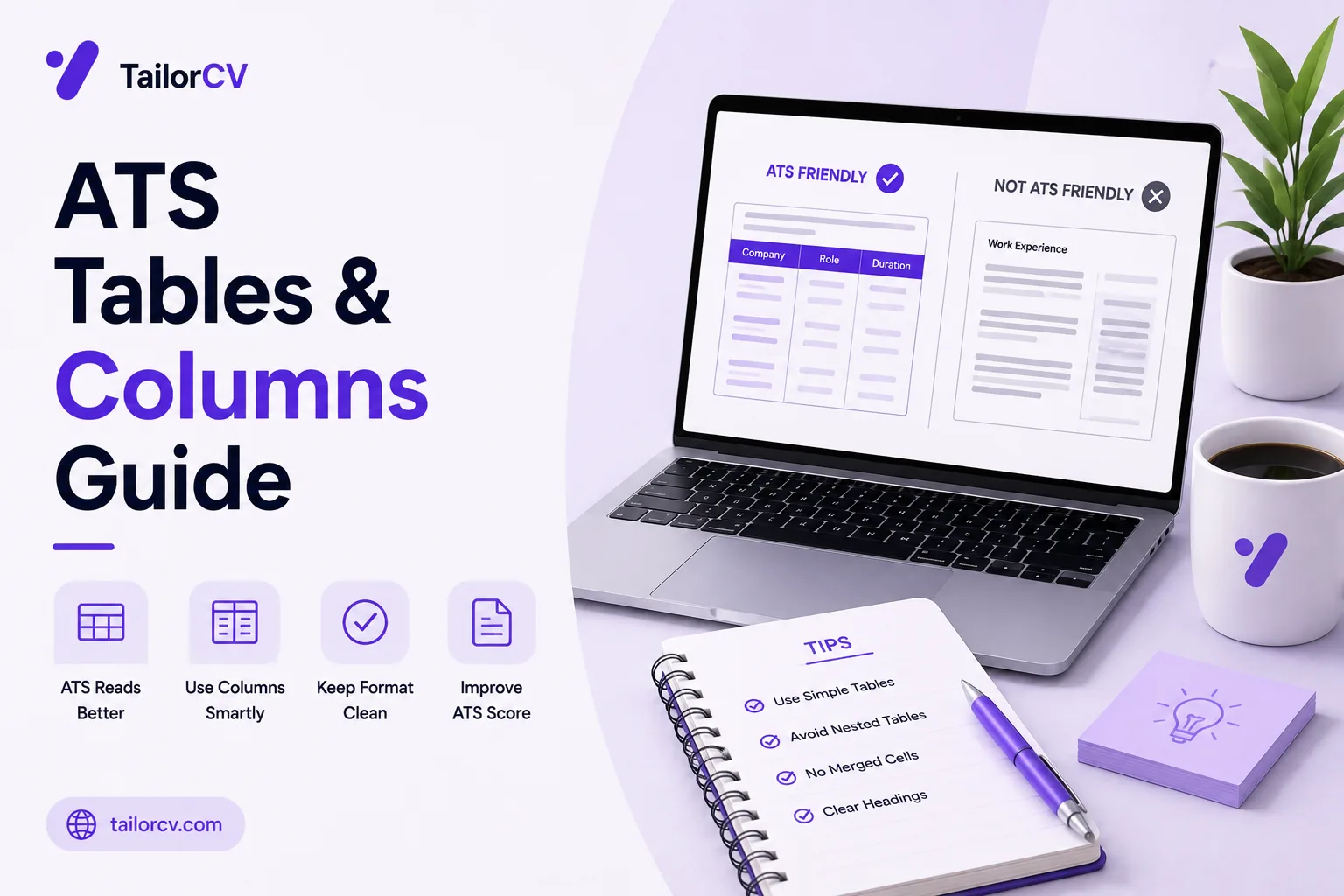
☐ Single column layout. Two columns get read across, not down. Your skills sidebar interleaves into your job history and the result is unreadable.
☐ No tables holding your layout together, and no text boxes. Text boxes are frequently skipped whole, so a section can vanish silently.
☐ Contact details in the body, not the header. Header and footer content is commonly dropped. This is how a recruiter ends up with your full work history and no phone number.
☐ No text living inside an image. An icon where the word "Email" should be leaves that field unlabelled.
☐ Standard section headings. Experience, Education, Skills, Projects. Not "My Journey" or "Where I've Been" — a parser categorises by matching these words.
☐ Extraction verified. Select all, copy, paste into Notepad. Read it. If your skills are tangled into your job titles, or your phone number is nowhere, you have found the problem — and no keyword work would ever have fixed it.
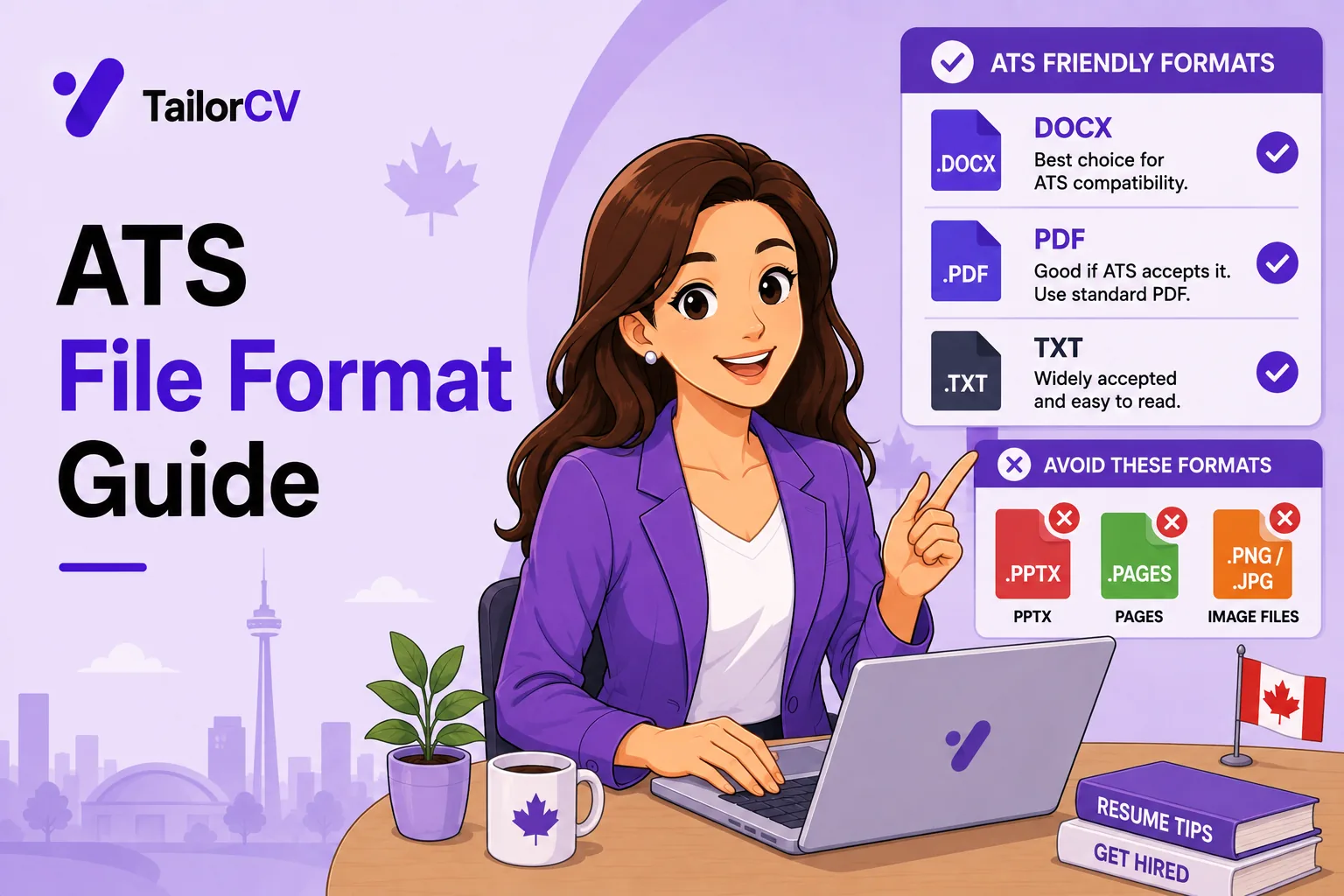
Details on layout failures are in the ATS tables and columns guide, and on file types in the file format guide.
Level 2: Make yourself findable
Recruiters find candidates by typing words into a search box. If your resume does not contain the word they type, you do not exist.
☐ Standard market job titles. This is the highest-impact change on the whole list.
| What your company called you | What a recruiter searches | Put on your resume |
|---|---|---|
| Code Ninja | Software Engineer | Software Engineer |
| Growth Hacker | Marketing Manager | Digital Marketing Manager |
| Customer Happiness Hero | Customer Success | Customer Success Associate |
| Member of Technical Staff | Software Engineer | Software Engineer (Member of Technical Staff) |
| Analyst II | Data Analyst | Data Analyst |
| Associate Consultant | Business Analyst | Business Analyst / Associate Consultant |
Keep the internal title in brackets if HR verification matters. The searchable term goes first.
☐ Named tools, not categories. Recruiters search for the tool.
| Do not write | Write |
|---|---|
| Cloud technologies | AWS (EC2, S3, Lambda) |
| Programming languages | Python, Java, SQL |
| Data visualisation tools | Tableau, Power BI |
| Microsoft Office | Excel (pivot tables, VLOOKUP), PowerPoint |
| Version control | Git, GitHub |
| Databases | PostgreSQL, MongoDB |
☐ Acronyms written both ways, once. "Search Engine Optimization (SEO)" matches a search for either. Same for CI/CD, ETL, CRM, KPI.
☐ Terms taken from the actual posting, where genuinely true of you. If the posting says "stakeholder management" and you wrote "worked with clients", change your phrasing. See how to tailor your resume for every job.
☐ Your city on the resume. Recruiter searches are location-filtered hard. Add "open to relocation" if you are.
☐ Work authorisation stated if there is any ambiguity. Recruiters filter on this early, and silence gets resolved against you.
☐ Spelling convention matched to the market. "Organised" in the UK, "organized" in the US. Pick one and be consistent — a search for one will not always return the other.
Level 3: Make the keywords credible
A skills list nothing supports is obvious to a human reviewer, and every word on it is a question you can be asked.
☐ Every significant skill appears in an experience bullet. Not just in the skills block.
Weak — the skill is claimed but never shown:
Skills: Python, SQL, Tableau, AWS Data Analyst, Acme — Responsible for reporting and analysis.
Strong — the same skills, now evidenced:
Skills: Python, SQL, Tableau, AWS Data Analyst, Acme - Built a Python forecasting model that cut stockouts 18% across 40 stores - Rewrote the weekly SQL reporting pipeline, dropping runtime from 4 hours to 20 minutes - Replaced manual Excel reports with a Tableau dashboard used daily by 12 people
The skills list did not change. The credibility did.
☐ Nothing you could not defend for ten minutes. If "Kubernetes" is on there because you watched a course, either take it off or move it to a clearly separate line: "Familiar with: Kubernetes, Docker."
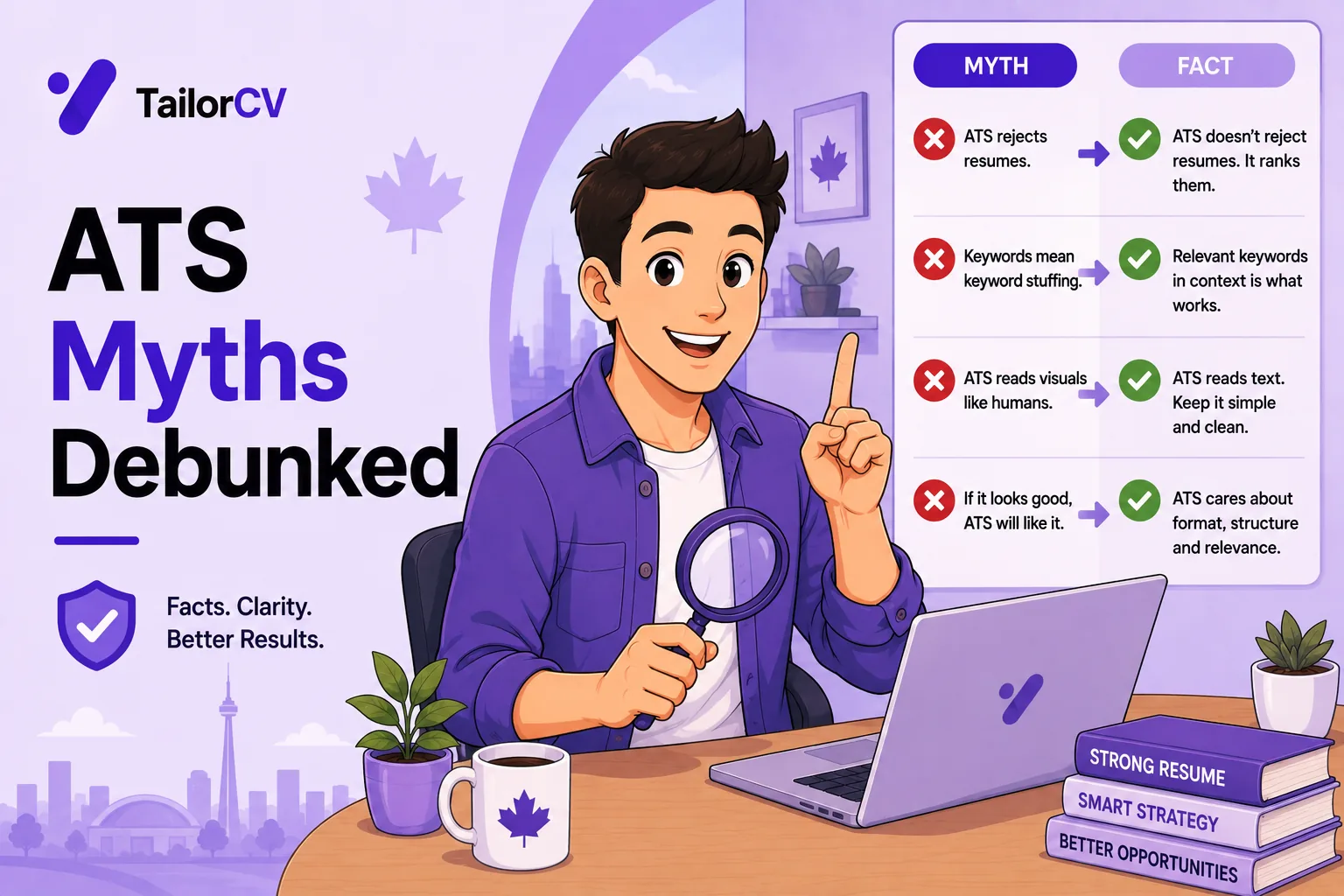
☐ No hidden or white text. Parsers extract text regardless of colour, recruiters can see the extracted version, and applications get ended over this. It is a decade-old trick that never worked — see ATS myths debunked.
☐ Skills grouped so a person can scan them. A 40-word run-on line is not read. Group them:
Languages: Python, SQL, JavaScript Data: Pandas, PostgreSQL, dbt Visualisation: Tableau, Power BI
Level 4: Make it convince the human
The mechanics only get you read. This is the part that gets you interviewed.
☐ Achievements, not duties. The single most common weakness on student and early-career resumes.
| Duty (weak) | Achievement (strong) |
|---|---|
| Responsible for monthly reporting | Cut monthly close from 9 days to 4 by automating three reports |
| Worked on the company website | Rebuilt the checkout page; conversion rose from 2.1% to 3.4% |
| Helped organise college fest | Ran a 12-person team and a ₹4L budget for a 2,000-attendee fest |
| Did data entry | Cleaned 14,000 customer records, cutting duplicate outreach 30% |
| Member of coding club | Taught weekly Python sessions to 25 first-year students |
| Assisted with social media | Grew Instagram from 800 to 5,400 followers in 6 months |
☐ A number in most bullets. If you do not have a business metric, you still have a number.
- Scale: how many users, records, stores, students, tickets
- Time: how long it took before, how long after
- Money: budget managed, cost saved, revenue touched
- Frequency: daily, weekly, per sprint
- Team: how many people, how many stakeholders
"Reduced report generation time from 4 hours to 20 minutes" needs no revenue figure to be convincing. More on this in how to quantify achievements on your resume.
☐ Strongest evidence in the top third of page one. That space decides whether the rest is read. It should not contain a photo, a mission statement, or a skills matrix with rating bars.
☐ A summary that says something specific, or no summary.
Weak, and skipped by every reader:
Hardworking and motivated individual seeking a challenging role in a reputed organisation where I can utilise my skills and grow with the company.
Strong:
Data analyst with 2 years in retail analytics. Built forecasting models in Python and SQL that cut stockouts 18%. Looking for an analytics role in e-commerce.
The second one names the field, the tools, a result and the target. The first could belong to anyone.
☐ Reverse chronological order in every section. Most recent first, always.
☐ One line of context for employers nobody knows. "Series A fintech, 60 people" tells a reader more than the company name alone.
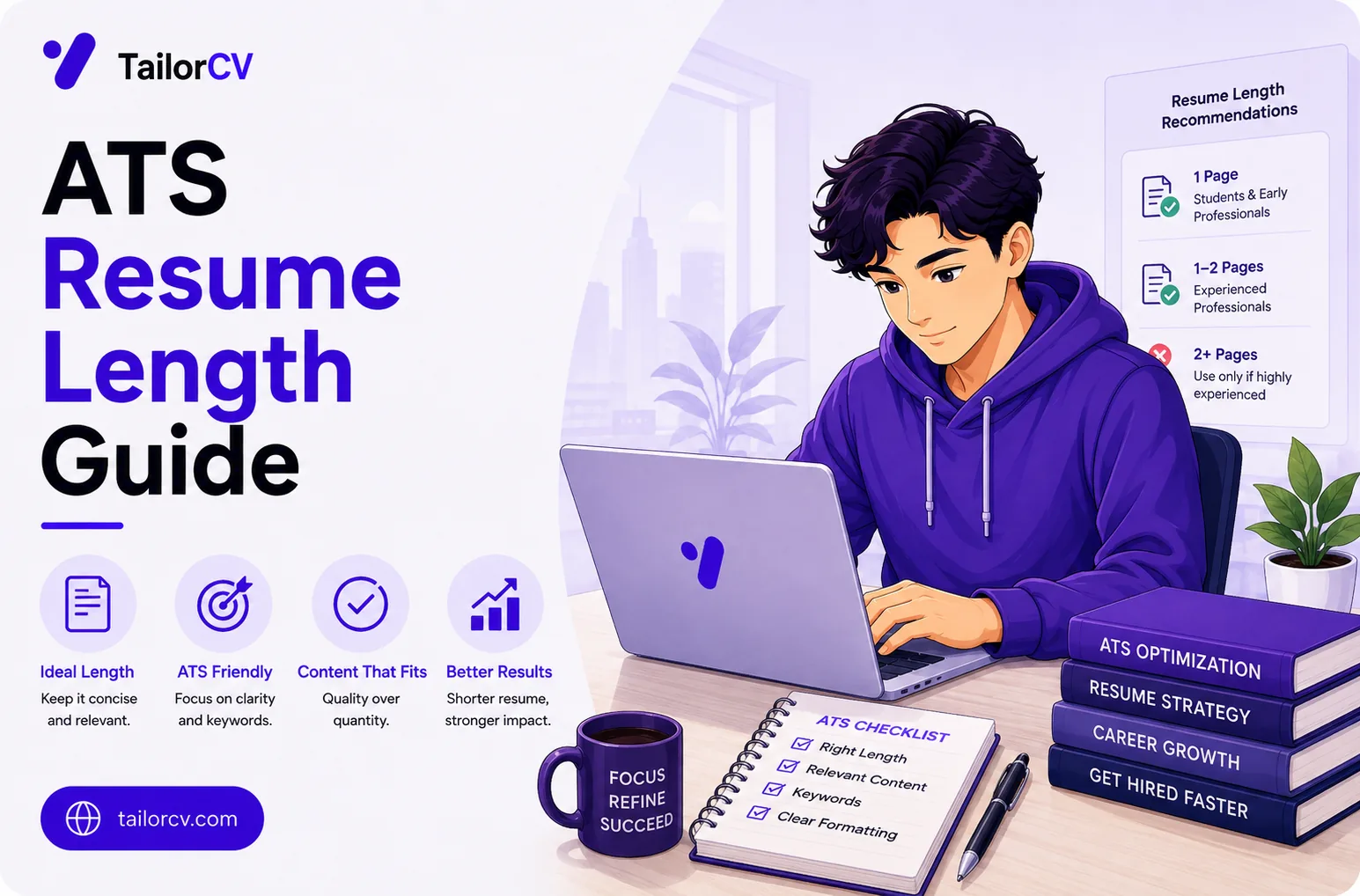
☐ Length appropriate to your market. One page for Indian campus placements and US early career, two for the UK — see the ATS resume length guide.
Level 5: The small things that quietly cost you
☐ File named Firstname_Lastname_Resume.pdf. Not resume final final2.pdf, and never a name containing a different company.
☐ A professional email address. Your college address is fine. cool_guy_9999@ is not.
☐ Every link tested in the exported PDF, not in the editor. GitHub and portfolio links break at export more often than people expect. Open the exported file and click each one.
☐ No typos. On a one-page document you controlled entirely, they read as carelessness rather than bad luck.
☐ Consistent formatting. One date format throughout, past tense for past roles, present for current, the same bullet character everywhere.
☐ Dates as month and year — "Jun 2024 – Aug 2025" — matching what employment verification will confirm.
☐ No photo, date of birth or marital status unless your market expects them. Standard on Indian and Japanese formats, not on US or UK ones.
☐ No declaration block or signature line. Common on Indian templates, read by nobody, costs four lines.
How to actually use a score
It is a diagnostic, not a grade. No employer sees a number. What a checker gives you is an estimate of parsing quality and keyword coverage against one specific posting.
Use it to find gaps, then decide for yourself. If it flags a skill you genuinely have but forgot to list, add it. If it flags one you do not have, leave it out — adding it buys you a screening pass and an interview you cannot survive.
Re-check after any structural change, particularly a template change.
Do not chase the number. A resume tuned purely to score well often reads worse to the person who actually decides.
Common Mistakes
Starting with keywords instead of structure. An unparseable resume cannot be rescued by better wording, and this is the most common ordering error.
Never running the paste test. Thirty seconds, and it catches the failures that make everything else pointless.
Using creative job titles. "Growth Hacker" is invisible to a recruiter searching "Marketing Manager".
Writing skill categories instead of tool names. Matching is close to exact, so "cloud technologies" returns nothing.
Keeping a skills block nothing supports. Reviewers recognise it instantly, and every term invites a question.
Adding a skill you cannot defend to raise a score. You trade a screening pass for a failed interview.
Listing duties instead of achievements. "Responsible for reporting" tells a reader nothing about whether you were good at it.
Not testing links in the exported file. They work in the editor and break in the PDF constantly.
Keeping a generic objective statement. It is the most-skipped block on any resume and costs four lines of your best space.
Chasing a score instead of persuading a reader. Once the mechanics work, evidence does the remaining work.
Frequently Asked Questions
What should I fix first?
Structure. Confirm the PDF has selectable text and that a single-column layout pastes cleanly, because nothing else matters until it does.
What is the highest-impact keyword change?
Using standard market job titles. A creative or internal title makes you unfindable regardless of how strong the rest of the resume is.
Should I add keywords I do not have?
No. Every listed skill is a possible interview question, and a screening pass that leads to a failed interview is not a gain.
Does an employer see my ATS score?
No. Scoring tools are diagnostics that estimate parsing quality and keyword coverage. No universal score is passed to employers.
How do I check my resume parses?
Select all the text in the PDF, copy it, paste into Notepad, and read the result. That is roughly what a parser receives.
I am a student with no work experience. What do I put in bullets?
Projects, coursework you actually built something in, club responsibilities, volunteering and part-time work. Apply the same rule — say what you did and attach a number.
How many skills should I list?
Enough to cover what is genuinely true and relevant to the posting. If a skill has no supporting bullet and you could not discuss it for ten minutes, it is costing you more than it earns.
Should I put my percentage or CGPA?
If it is strong and you are early career, yes. If it is weak, lead with projects and let the degree line stand on its own.
How often should I re-check?
After any structural change, especially a template change, and periodically during an active search.
What matters once the mechanics are right?
Evidence. Achievement bullets with numbers, your strongest material in the top third of page one, and genuine relevance to the specific role.
Run your resume through and see which level needs work. Check your ATS score free.
Make This Practical
Do the paste test first, before anything else. Select all the text in your resume PDF, copy it into Notepad and read what comes out. If your skills are tangled into your job titles, or your phone number is missing, you have found a problem that no keyword work would ever have fixed.
Then spend twenty minutes on titles and tool names. Replace every creative or internal job title with the term a recruiter would actually type, and swap every skill category for the specific tools underneath it. These two changes do more for findability than everything else on this list combined.
Finally, go through your bullets and put a number in as many as you can. You do not need revenue figures — how many users, how many records, how many hours it used to take. That is the part that persuades the person who decides whether to call you.
What is your resume scoring right now?
Scan it against a job description and get your ATS match score in about a minute.
Drop your resume here or choose a file
PDF only. Max 2 MB.
We never share your data or use it to train AI models.

Templates that keep this structure intact
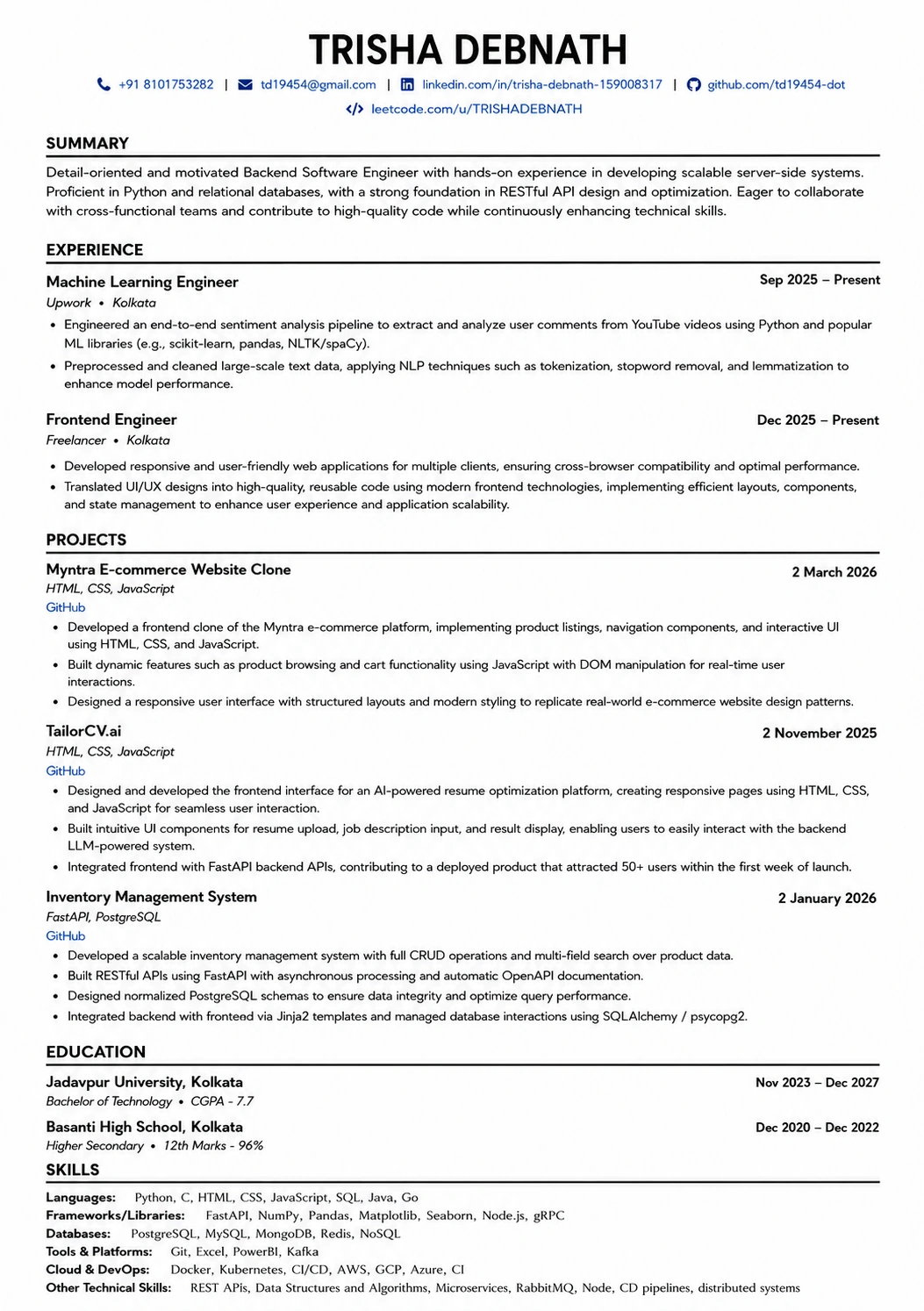
This template is ATS-tested — start from it and the formatting rules in this guide are already handled.
Was this guide useful?
Be the first to rate it.