 TD
TD

Key Takeaways
- A large portion of Canadian jobs are filled through referrals and the hidden job market, not public postings.
- Informational interviews — short, no-ask conversations — are the backbone of effective networking.
- LinkedIn is essential for building and maintaining your Canadian network.
- Networking is about giving and relationship-building, not asking for jobs.
- For newcomers, networking is often the single most effective job-search strategy.
Here's a truth that surprises many job seekers in Canada: a large share of jobs are never publicly advertised, or are filled through referrals before the posting closes. This is the "hidden job market," and networking is how you access it. In Canada — where relationships, trust, and word-of-mouth carry real weight in hiring — networking is often more effective than firing off applications online, especially for newcomers building a career from scratch.
This guide shows you how to network your way into a Canadian job in 2026: why it works, how to do it authentically (even if you're shy or new to the country), and how to turn conversations into referrals and offers.
The Numbers Behind the Hidden Job Market
It's worth internalising just how much of Canadian hiring never touches a public job board. Recruiters and career experts consistently estimate that a large share of positions — by many accounts the majority — are filled through referrals, internal moves, and direct approaches before (or instead of) being advertised. From an employer's perspective this makes sense: a referred candidate arrives pre-vetted by someone they trust, which lowers hiring risk, speeds up the process, and saves money. For you as a job seeker, the implication is stark: if you rely only on applying to posted jobs, you're competing hardest for the smaller, most crowded slice of the market while ignoring the larger, less competitive one. Networking is simply how you access the bigger slice — and it's why two candidates with identical resumes can have completely different outcomes.
What "Networking" Really Means
Before diving into tactics, it's worth clearing up what networking actually is — because the word puts a lot of people off. Networking is not schmoozing at crowded events, collecting business cards, or asking strangers for jobs. At its core, it's simply building and maintaining genuine professional relationships: talking to people about their work, learning from their experience, offering help where you can, and staying in touch over time. Some of it happens in person, much of it happens online, and the most effective form — the informational interview — is just a friendly, low-pressure conversation. Reframed this way, networking is something almost anyone can do, introvert or extrovert, newcomer or established professional. The goal isn't to "work a room"; it's to build a handful of real relationships in your field. Those relationships are what quietly surface opportunities, provide referrals, and give you insight into the hidden job market — which is why, in Canada especially, networking consistently out-performs firing off online applications alone.
Why Networking Works So Well in Canada
Employers prefer to hire people who come recommended — it reduces their risk. So when a role opens, they often ask their team and network first. That means:
- Many roles are filled before (or without) being advertised.
- A referral moves you past the pile of online applicants straight to serious consideration.
- Relationships you build now can surface opportunities months later.
For newcomers without a Canadian track record, a warm introduction can overcome the "Canadian experience" hurdle that online applications run into — see how to get a job in Canada as a newcomer.
The Mindset: Build Relationships, Don't Beg for Jobs
The biggest networking mistake is leading with "Do you have a job for me?" Effective networking is about genuine relationships:
- Give first: share useful information, make introductions, show interest in others' work.
- Be curious: ask about people's careers, their industry, their advice.
- Play the long game: most connections don't produce a job immediately — they produce insight, trust, and future opportunities.
Approach it as learning and connecting, and the opportunities follow naturally.
The Informational Interview: Your Key Tool
An informational interview is a short (15–20 minute) conversation with someone in your field — not a job request, but a chance to learn about their role, company, and industry. It's the single most effective networking tactic.
What optimizing actually does to your resume
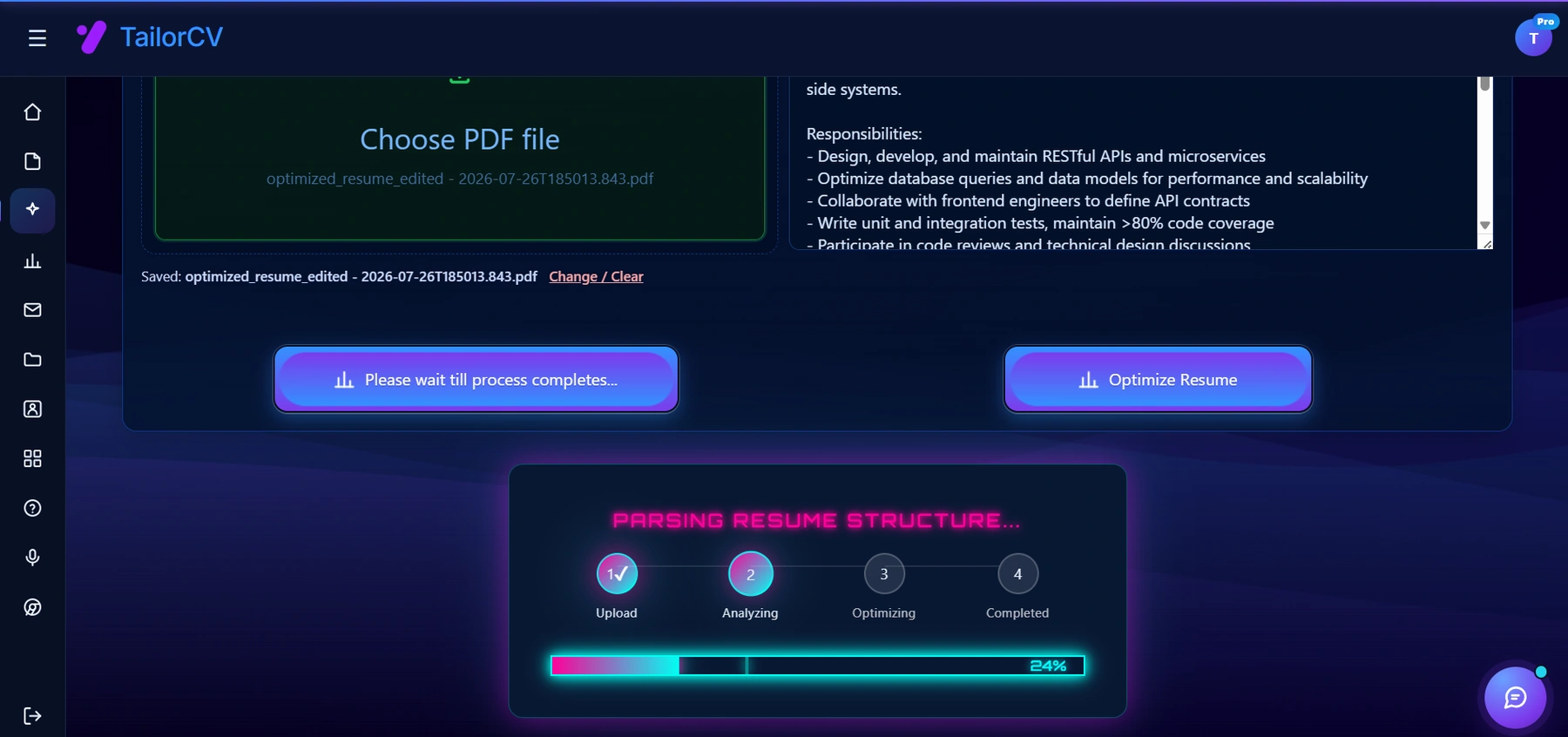
The tool parses your resume the way an ATS would before it changes anything, so the edits it suggests are grounded in the posting itself.
How to Do One
- Reach out politely (LinkedIn or email), briefly introducing yourself and asking for 15 minutes of their advice about the industry or their career path.
- Prepare thoughtful questions: How did they get into the field? What skills matter most? What advice would they give someone entering the Canadian market?
- Listen and learn — don't pitch yourself for a job.
- Ask for advice, not a job: "Is there anyone else you'd suggest I speak with?" This gently expands your network.
- Follow up with thanks, and stay in touch.
Done genuinely, informational interviews build real relationships — and when a role opens, those contacts think of you.
Use LinkedIn to Build Your Network
LinkedIn is where much Canadian networking happens:
- Connect with colleagues, alumni, and people in your target companies and field — always with a short, personal note.
- Engage with others' posts thoughtfully to stay visible and build rapport.
- Share relevant content to establish your presence in your field.
- Reach out for informational interviews.
Make sure your profile is strong first — see LinkedIn optimization for Canadian job seekers. A polished profile makes people far more likely to accept your requests and respond.
Where to Network in Person
- Industry events, conferences, and meetups: Canada's major cities (especially Toronto — see how to find a job in Toronto) have busy event calendars in tech, finance, and marketing.
- Professional associations: joining your field's association opens events and connections.
- Alumni networks: your school's alumni are often willing to help fellow graduates.
- Newcomer and settlement organisations: for immigrants, these connect you to mentors, employers, and networking events specifically designed to help you integrate.
- Volunteering: contributing to a cause builds relationships and Canadian experience.
Making the Most of In-Person Events
Networking events can feel intimidating, but a little strategy makes them productive rather than draining:
- Set a modest goal. Aim to have two or three genuine conversations, not to "work the room." Quality beats quantity every time.
- Prepare a short, natural introduction — who you are, what you do or are moving toward, in a sentence or two. Practise it so it feels easy.
- Lead with curiosity. Ask people about their work and listen; genuine interest is far more memorable than a pitch.
- Have a way to follow up. Connect on LinkedIn on the spot or exchange details, then send a short message within a day referencing your conversation.
- Follow up — that's where the value is. The conversation starts the relationship; the follow-up builds it. Most people never follow up, so simply doing so sets you apart.
Look for events through professional associations, industry meetups, alumni groups, conferences, and — for newcomers — settlement organisations that host newcomer-focused networking. Canada's major cities, especially Toronto (see how to find a job in Toronto), have busy calendars across tech, finance, marketing, and more.
Networking Etiquette: The Give-First Principle
The golden rule of Canadian networking is to give before you ask. Relationships built purely on taking rarely produce anything; those built on genuine mutual value produce opportunities for years. In practice this means sharing useful information, making introductions, offering help within your ability, and showing genuine interest in others' work — long before you need anything. It also means simple courtesy: replying promptly, thanking people who help you, and closing the loop so they know their help mattered. This isn't calculated; it's the natural posture of someone building real professional friendships. Approach networking as relationship-building rather than job-hunting, and both the relationships and the jobs tend to follow.
Turn Connections Into Referrals
Once you've built genuine relationships:
- Let people know what you're looking for — clearly and specifically ("I'm looking for a marketing coordinator role in Toronto"), so they can keep you in mind.
- Make it easy to refer you: share a short summary of your background and a polished resume. Build one with the TailorCV resume builder and tailor it to specific roles with the resume optimizer.
- Follow up on leads promptly and professionally.
- Say thank you — and offer to help them in return.
Networking for Newcomers: A Special Focus
For newcomers to Canada, networking is often the deciding factor in landing that first role — and yet it's the hardest to do when you arrive without an existing network. The good news is that Canada has an unusually well-developed support system to help:
- Immigrant-serving and settlement agencies run mentorship programs that pair you with a professional in your field — an instant, valuable connection who offers advice, referrals, and cultural insight.
- Bridging programs for internationally trained professionals build both skills and networks.
- Newcomer-focused networking events create a welcoming setting to meet employers and peers.
- Professional associations in your field open events and connections, and many welcome newcomers.
- Alumni networks — including from your international education — can surface Canadians willing to help.
A warm introduction is especially powerful for newcomers because it can overcome the "Canadian experience" hesitation that online applications run into. Approach these relationships genuinely — seeking advice and connection rather than immediately asking for a job — and they frequently lead to the referral that breaks you into the market. See how to get a job in Canada as a newcomer for the full picture.
Networking Across Different Industries
While the principles are universal, where and how you network shifts by field:
- Tech: meetups, hackathons, and online communities are abundant; LinkedIn and GitHub presence matter, and referrals are common.
- Finance and professional services: alumni networks, professional associations, and designation bodies (CPA, CFA societies) are key; polish and professionalism count.
- Skilled trades: union halls, apprenticeship networks, and word-of-mouth on job sites drive much hiring.
- Creative and media: portfolio sharing, industry events, and social platforms build your reputation and connections.
- Government and public sector: professional associations and informational interviews help, alongside the formal application process.
Identify where the people in your target field actually gather — online and in person — and show up there consistently.
Networking for Introverts and Newcomers
You don't have to be an extrovert to network well:
- Start online: LinkedIn and email conversations are lower-pressure than events.
- One-on-one over crowds: informational interviews suit quieter personalities.
- Prepare: having questions ready reduces anxiety.
- Quality over quantity: a few genuine relationships beat dozens of shallow contacts.
For newcomers, lean on structured support — settlement agencies and mentorship programs create networking opportunities in a welcoming setting.
Outreach Templates That Actually Get Replies
The hardest part of networking is often the first message. Here are adaptable templates for the Canadian context — keep them short, genuine, and free of any direct job ask.
Requesting an informational interview (LinkedIn or email):
Hi [Name], I'm exploring a career in [field] in [city] and came across your profile — your path at [company] really stood out. Would you be open to a brief 15-minute chat about your experience and any advice for someone entering the field? I'd genuinely appreciate it, and I'm happy to work around your schedule.
Connecting after an event:
Hi [Name], it was great to meet you at [event] — I enjoyed our conversation about [topic]. I'd love to stay connected and follow your work at [company].
Following up after an informational interview:
Hi [Name], thank you so much for your time and advice yesterday — your point about [specific thing] was really helpful and I've already started acting on it. I'll keep you posted on how my search goes, and please let me know if there's ever anything I can help with.
Reconnecting with a dormant contact:
Hi [Name], it's been a while! I hope you're doing well at [company]. I'm currently exploring new opportunities in [field] and thought of you — I'd love to catch up whenever you have a few minutes.
Notice the pattern: specific, warm, respectful of their time, and focused on advice or connection rather than "do you have a job for me." The relationship comes first; opportunities follow.
Virtual Networking: Making LinkedIn Work Harder
A great deal of Canadian networking now happens online, which is especially helpful if you're new to a city, introverted, or still building confidence:
- Engage consistently. Comment thoughtfully on posts from people in your field a few times a week. Over time you become a familiar, credible name rather than a stranger sliding into DMs.
- Share your own perspective occasionally. A short post about something you're learning or a project you shipped signals expertise and prompts conversations.
- Join relevant LinkedIn and professional groups for your industry and city, and participate.
- Use LinkedIn to research and warm up before reaching out — reference something specific about the person or their company.
Make sure your profile is strong before you ramp up outreach — a polished profile dramatically raises your response rate. See LinkedIn optimization for Canadian job seekers.
Volunteering: Networking and Canadian Experience at Once
Volunteering deserves special mention in Canada because it does double duty: it builds genuine relationships and provides valued Canadian experience and references. Choose an organisation in or adjacent to your field, contribute real skills, and you'll naturally build a network of people who see your work firsthand — the strongest possible basis for a referral. For newcomers in particular, this is one of the most effective ways to break into the local market while expanding your circle. It's networking that also strengthens your resume.
Nurturing Your Network Over Time
Networking isn't a one-time campaign you run when you need a job — it's a set of relationships you maintain. The people who benefit most treat their network like a garden:
- Stay in touch periodically, not just when you need something — a helpful article, a congratulations on a new role, or a quick check-in keeps ties warm.
- Give generously. Make introductions, share opportunities, and offer help; generosity is remembered and reciprocated.
- Keep light track of who you've spoken to and when, so follow-ups don't slip.
- Say thank you and close the loop when someone helps you — it makes people glad they did and willing to help again.
A network you nurture continuously will surface opportunities for years, long after your current search ends. In Canada, where so much hiring runs on trust and referrals, this is among the highest-return career habits you can build.
Common Networking Mistakes to Avoid
- Leading with a job request. Build the relationship first.
- Only networking when you need a job. Maintain connections continuously.
- Being transactional. Give as much as you get.
- Neglecting follow-up. A thank-you and staying in touch turn contacts into allies.
- Skipping it entirely. Relying only on online applications leaves the hidden job market — and most referrals — untapped.
Frequently Asked Questions
How much of the Canadian job market is hidden? A large share of roles are filled through referrals or never publicly advertised. Networking is how you access this hidden market.
What is an informational interview? A short conversation to learn about someone's role, company, or industry — not a job request. It's the most effective networking tactic for building relationships and insight.
Is networking important for newcomers to Canada? Extremely — it's often the single most effective job-search strategy, helping newcomers overcome the "Canadian experience" barrier through warm introductions.
I'm shy — can I still network effectively? Yes. Start online, favour one-on-one informational interviews over big events, prepare your questions, and focus on a few genuine relationships.
How do I ask for an informational interview without being awkward? Keep it short and specific: introduce yourself briefly, say what drew you to them, and ask for 15 minutes of advice about their field or career path — not a job. Be respectful of their time and easy to say yes to. Most people are happy to help.
How often should I stay in touch with my network? Periodically, not just when you need something. A helpful article, a congratulations, or a quick check-in a few times a year keeps ties warm. Give generously — introductions and help — and people remember and reciprocate.
Does volunteering really help with networking in Canada? Yes — it's one of the most effective strategies, especially for newcomers. It builds genuine relationships with people who see your work firsthand (the best basis for a referral) while adding valued Canadian experience and references.
Can I network effectively online? Absolutely. Engage thoughtfully on LinkedIn, join industry groups, share your perspective, and use it to warm up before reaching out. Online networking is lower-pressure and works well alongside in-person events.
Overcoming the Fear of Networking
Many people avoid networking because it feels awkward, transactional, or like "using" people. Reframing it dissolves most of that discomfort. Networking, done right, is simply building genuine professional relationships — learning from others, offering value where you can, and staying connected. Nobody enjoys being cold-pitched for a job, which is exactly why the effective approach isn't that at all: you ask for advice, show genuine curiosity about people's work, and give before you take. Most professionals genuinely like helping someone earlier in their journey, especially when approached respectfully and specifically. Start small and low-pressure — a thoughtful LinkedIn comment, a fifteen-minute informational chat, reconnecting with a former colleague — and it quickly feels natural. The discomfort fades with practice, and what remains is a network of real relationships that support your career for years. In a country where so much hiring runs on trust and referrals, learning to network comfortably is one of the most valuable professional skills you can build.
Final Thoughts
In Canada, networking isn't optional — it's how a large share of hiring actually happens. Build genuine relationships, use informational interviews and LinkedIn, contribute before you ask, and let people know clearly what you're looking for. Over time, those connections surface the opportunities that never make it to a job board.
Support your networking with a strong, tailored resume from the TailorCV resume builder and a polished LinkedIn profile, and prepare for the interviews your network opens with the AI mock interview. Your next Canadian role may be one conversation away.
What is your resume scoring right now?
Scan it against a job description and get your ATS match score in about a minute.
Drop your resume here or choose a file
PDF only. Max 2 MB.
We never share your data or use it to train AI models.

Was this guide useful?
Be the first to rate it.