 SS
SS
Key Takeaways
- "Viewed" usually means opened, not read carefully — and sometimes it means an automated system opened it, not a person.
- Three real explanations cover most cases: a genuine but slow review, a soft rejection with no formal notice, or the viewer was not the decision-maker.
- LinkedIn's "viewed" status is particularly unreliable as a signal — it can reflect the ATS ingesting your application.
- Two to three weeks of silence after a genuine view is normal at many companies, not necessarily bad news.
- The status bar is not designed to inform you. It is a UI element, not a promise.
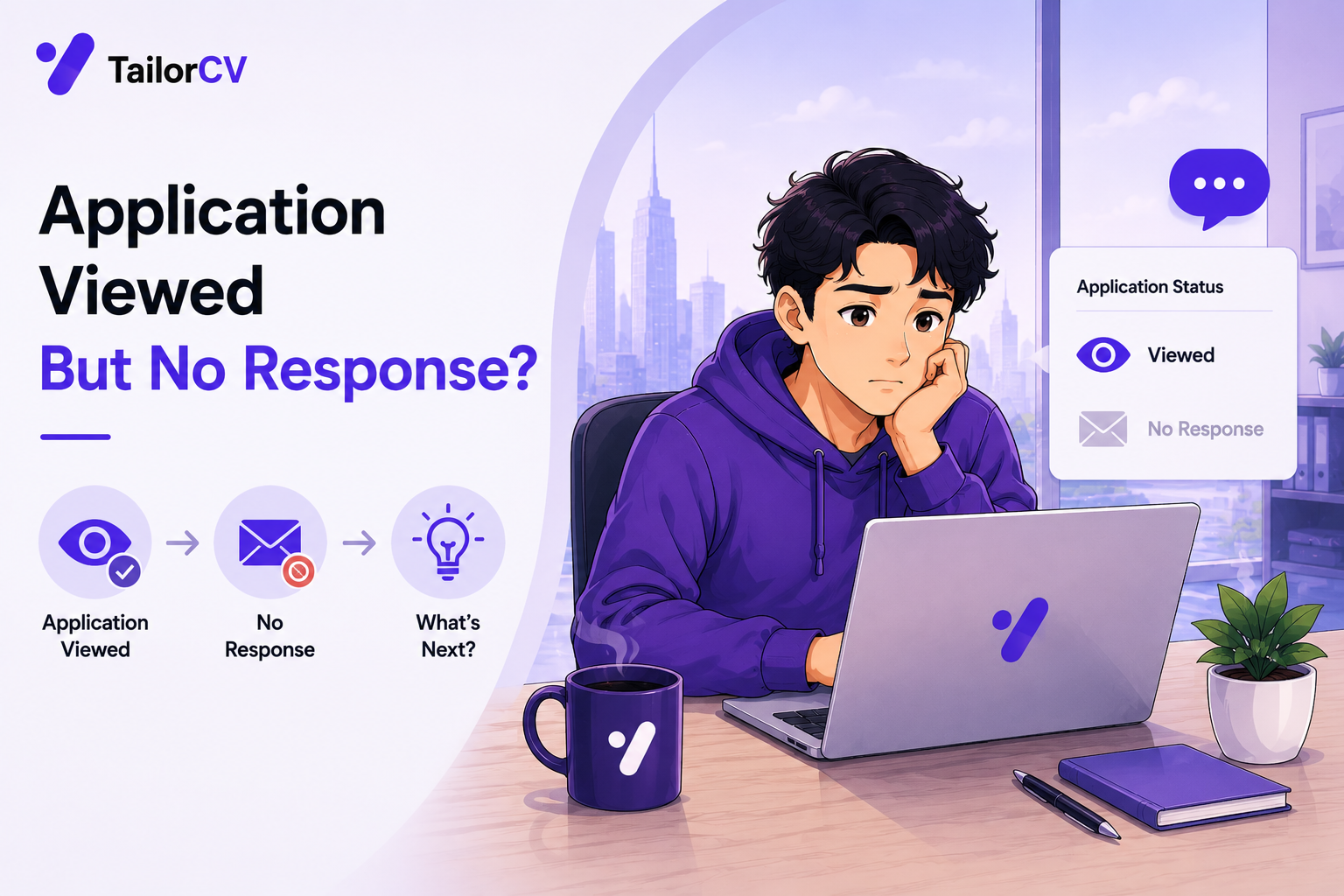
Seeing "viewed" and then hearing nothing feels worse than seeing nothing at all — it looks like proof someone read your resume and decided against you. In most cases, that read is wrong.
What "Viewed" Actually Tracks
This depends entirely on the platform, and none of them are built to reassure you.
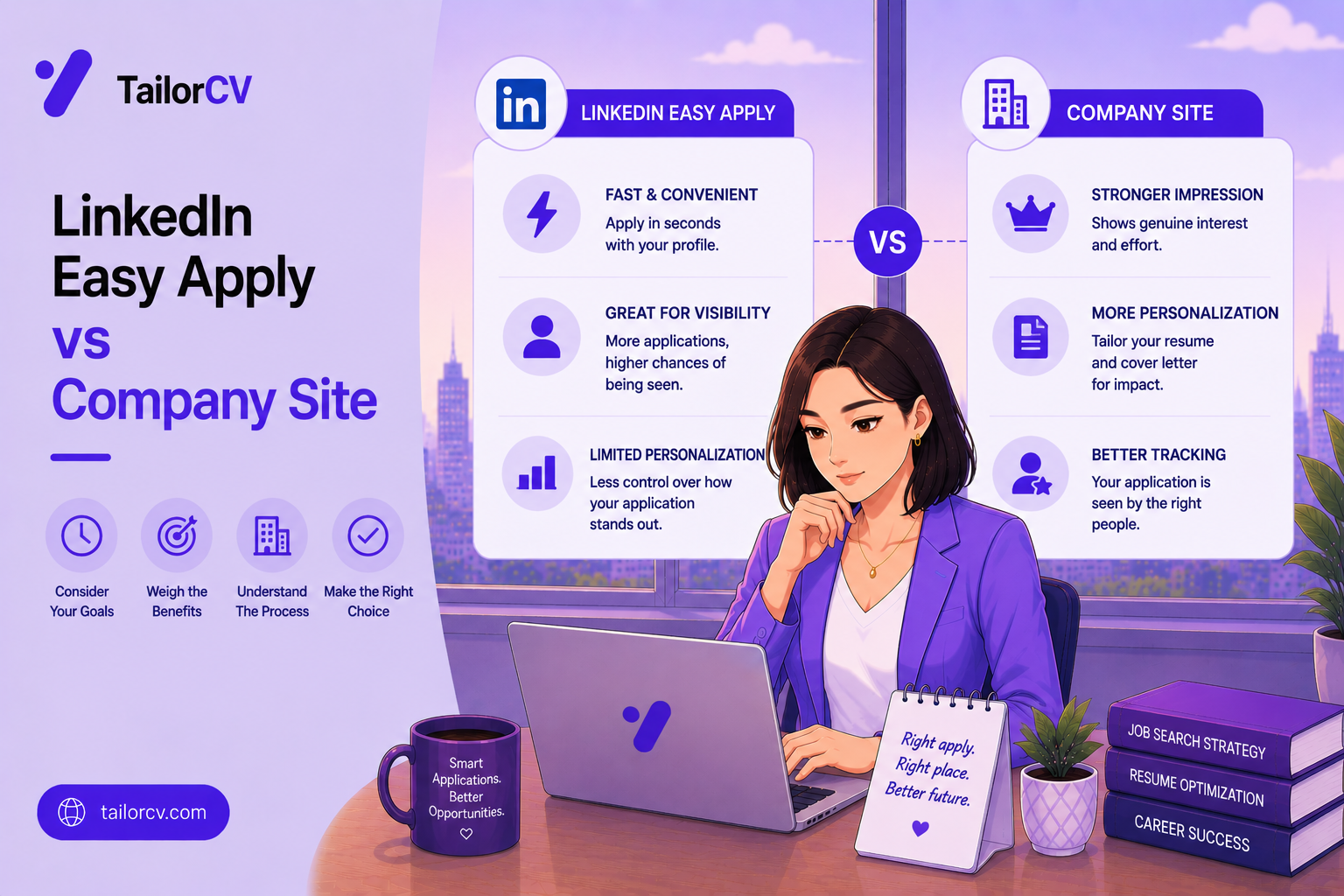
LinkedIn Easy Apply marks an application "viewed" when a recruiter opens it in their dashboard — but that dashboard is frequently opened in bulk, with a recruiter scrolling through dozens of applications quickly rather than reading each one closely. "Viewed" can mean two seconds of attention.
Company ATS portals (Workday, Greenhouse, Lever) sometimes show a status that updates when the system ingests the resume, not when a human opens it. A "viewed" or "under review" status can appear automatically at the parsing stage, with no person involved yet.
Some trackers never update meaningfully — "viewed" appears once and then nothing changes regardless of what happens internally, because the status field was not built to track outcome, only receipt.
The honest summary: the badge tells you the file was opened by something. It does not tell you by whom, for how long, or with what judgement.
Three Real Explanations
1. It was reviewed and the process is simply slow. Many companies batch-review applications weekly or after a posting closes, rather than continuously. A "viewed" status followed by three weeks of silence is often just... the actual timeline. This is more common than people expect, especially at larger organisations.
2. It was a soft rejection with no formal notification. Many companies do not send rejection emails at all, particularly for roles with high application volume. "Viewed, then silence" is functionally a rejection — it just was not announced. Uncomfortable, but useful to know: at this point, further waiting rarely produces a different outcome.
3. The viewer was not the decision-maker. A recruiter or coordinator opened it to triage, decided it needed further review, and it is sitting in a queue behind other work. This can genuinely resolve into a response weeks later.
How Long Is Normal?
There is no universal answer, but rough guidance:
- Under one week: too early to read anything into silence, viewed or not.
- One to three weeks: still within normal range for many hiring processes, particularly at larger companies or for roles with many applicants.
- Three to six weeks: functionally a rejection in most cases, even without formal notice. Reasonable to move on mentally while leaving the application open.
- Beyond six weeks: treat as closed. A late response is still possible but rare enough not to plan around.
If the posting is still open and actively receiving applications, timelines stretch further — the company has not finished collecting candidates yet.
What "Viewed" Does Not Tell You
It is worth being precise about what you cannot conclude from a viewed status:
- You cannot conclude you were seriously considered.
- You cannot conclude you were rejected.
- You cannot conclude the viewer read past your first line.
- You cannot conclude anything about your resume's quality specifically — the status is about receipt, not evaluation.
Reading deep meaning into a UI badge that was not designed to carry meaning is a reliable way to spend emotional energy on no information.
Should You Follow Up?
A brief, polite follow-up after 1-2 weeks of silence is reasonable and occasionally useful — it surfaces applications that were genuinely stuck in a queue, and costs you nothing.
Keep it short and undemanding:
Following up on my application for [role], submitted [date]. Still very interested and happy to answer any questions. Thanks for your time.
Do not follow up more than once. Do not reference the "viewed" status directly — it reads as monitoring behaviour you cannot actually verify, since you do not know what the platform's status genuinely reflects on their end.
What to Do While Waiting
The unproductive move is refreshing the application tracker repeatedly. The productive one is continuing to apply elsewhere and, separately, checking whether your resume is actually well-matched to the roles you are applying to — because that is the thing you can control regardless of any individual application's status.
Scan the resume you submitted against the posting if you have not already. If the match is weaker than you thought, that is useful information for your next application, independent of how this one resolves. See why your resume gets no responses for the broader diagnostic.
When Silence Becomes a Pattern
If you are seeing "viewed, then silence" repeatedly across many applications, that pattern is more informative than any single instance.
It usually means one of two things: either your resume reaches a screener and does not clear whatever bar they are applying (worth checking your match systematically), or you are applying to roles with unusually high volume where even good matches see long odds. Distinguishing between these is worth twenty minutes with an actual posting rather than continued guessing from status badges.
Frequently Asked Questions
Does "viewed" mean a human read my resume? Sometimes. It can also mean an automated system logged receipt. You cannot reliably distinguish the two from the badge alone.
Should I message the recruiter on LinkedIn? A single brief, professional message is fine after a couple of weeks. More than that risks reading as pressure.
Is silence after "viewed" worse than no status at all? Not meaningfully. Both often resolve the same way — a slow yes, a silent no, or nothing at all.
How many follow-ups are appropriate? One. If it does not produce a response, treat the application as closed and move your attention elsewhere.
Can I tell from the status whether I am a strong candidate? No. The status tracks a file being opened, not an evaluation of you.
Focus on What You Can Actually Check
While an individual application's status stays ambiguous, your resume's match to that role is not — you can check it directly.
Scan your resume against the posting to see what a system reading it would flag as missing. It will not tell you what happened to this specific application, but it tells you something more useful: whether the resume itself is doing its job for the next one.
Free, about a minute. See also applied to 100 jobs, no interviews and recruiter said "not a fit".
What is your resume scoring right now?
Scan it against a job description and get your ATS match score in about a minute.
Drop your resume here or choose a file
PDF only. Max 2 MB.
We never share your data or use it to train AI models.

Templates that keep this structure intact
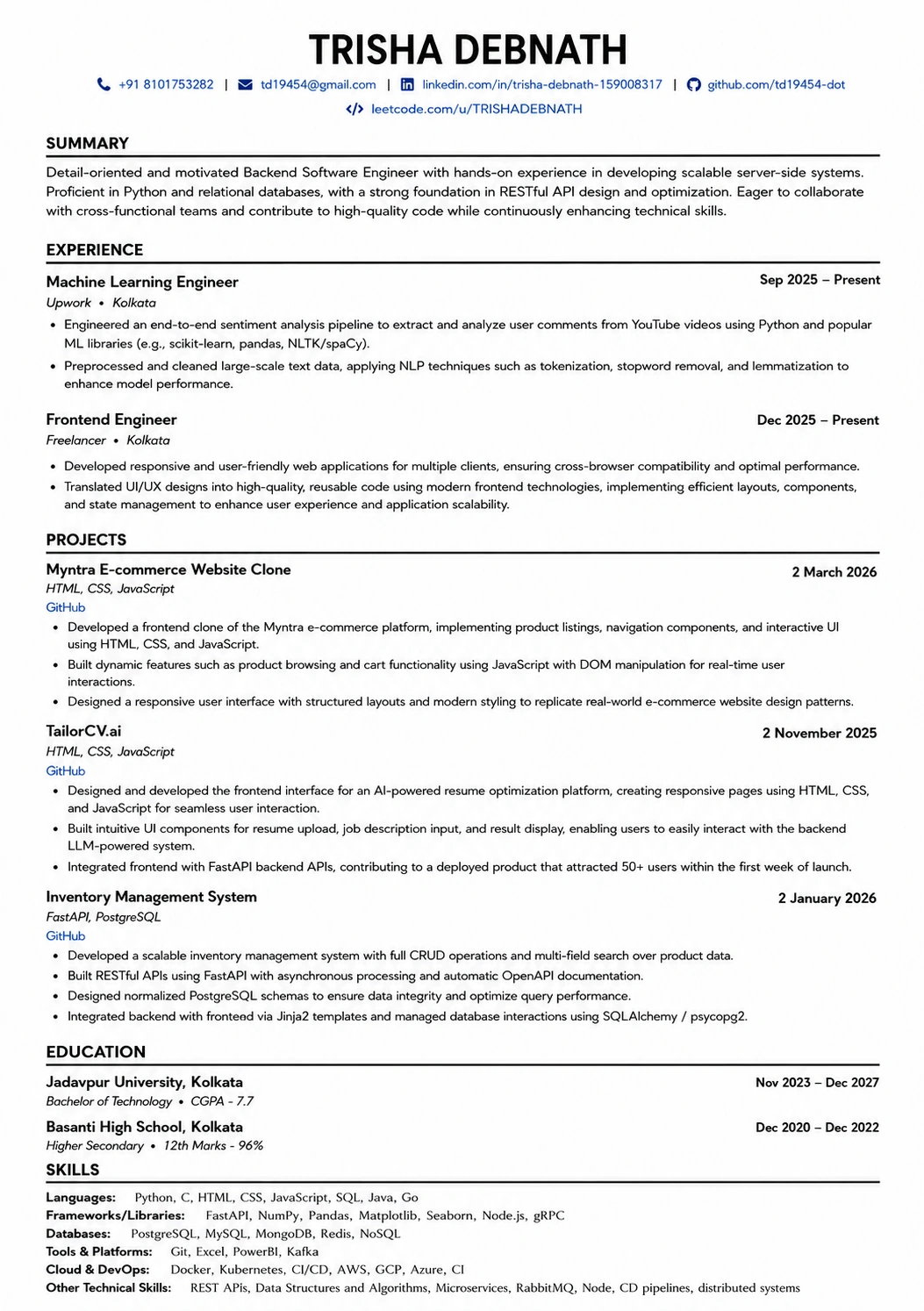
This template is ATS-tested — start from it and the formatting rules in this guide are already handled.
Was this guide useful?
Be the first to rate it.