 TD
TD
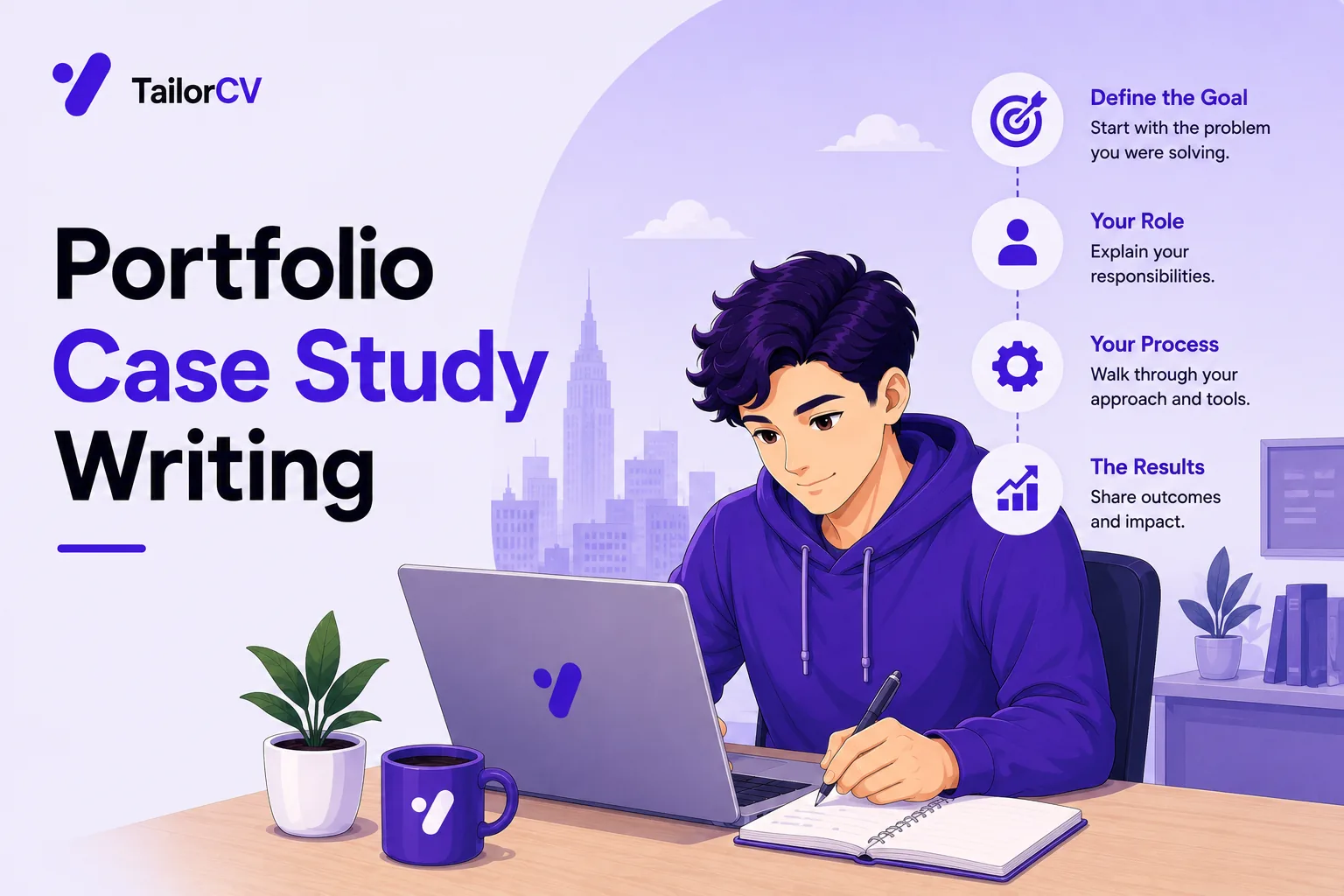
Key Takeaways
- A screenshot shows the output; a case study shows that you made decisions, which is what is actually being assessed.
- The structure is consistent across fields: problem, constraints, options, decision, outcome, reflection.
- Reviewers scan — put the outcome near the top and let them read down for detail.
- Including what did not work is the strongest credibility signal available to you.
- Two or three case studies done properly beat eight thin ones.
Most portfolios are galleries. They show finished work, beautifully presented, with no indication of why anything is the way it is.
That is a missed opportunity, because a hiring manager looking at a portfolio is not primarily assessing whether you can produce output. They are assessing judgement — whether you understood the problem, considered alternatives, made a defensible choice and learned something.
A case study is how you show that. This guide covers the structure.
Before anything, make sure the resume linking to it works — the free ATS score checker.
The structure
Consistent across design, engineering, data, marketing and operations.
1. One-line summary
What it was and what happened, before anything else.
Rebuilt the checkout flow for a 40,000-user e-commerce site, cutting cart abandonment from 68% to 53% over six weeks.
Reviewers scan. If they read nothing else, this line should land.
2. Context and problem
Two or three sentences. What the situation was, who it affected, why it mattered. Enough that someone outside your company follows it.
Include the constraint. Budget, timeline, legacy system, team size, no dedicated designer. Constraints are what make decisions interesting, and work with none reads as academic.
3. Your role
State plainly what you did, especially on team projects. "I owned the backend and the data model; two colleagues handled the frontend." Vagueness here is the fastest way to lose credibility, because reviewers assume the least.
4. What you considered
The section most people skip, and the one that most demonstrates judgement.
Name the options you weighed and why you rejected them.
We considered three approaches. Rewriting the flow entirely was too risky before the seasonal peak. Adding a guest checkout alone would not address the address form, which analytics showed was where most drop-offs happened. We chose to restructure the address step and defer the wider rewrite.
Anyone can implement one solution. Choosing between three is the skill being assessed.
5. What you did
The work itself. Enough detail to be credible, not a full technical specification.
Show, where it helps. Screenshots, diagrams, a code excerpt, a before-and-after. One well-chosen image beats six decorative ones.
6. Outcome, with numbers
What changed. Percentages, times, volumes, costs — the same discipline as how to quantify achievements on your resume.
If you have no metrics, give a concrete before-and-after state: "Previously nobody knew which reports were stale; afterwards every dashboard showed its refresh time and the questions stopped."
7. What you would do differently
The strongest credibility signal in the whole document, and almost nobody includes it.
The address restructure worked, but I should have run the analytics before building rather than after. We spent a week on a change to the payment step that turned out to account for very little of the drop-off.
Naming a genuine misstep reads as engineering maturity. Presenting a project as flawless reads as inexperience — or as someone who did not examine it closely.
A student project written both ways
The structure above sounds heavy for a college project. It is not. Here is the same work, first as most students write it, then as a case study.
Weak version
Library Management System A web application built using Django and PostgreSQL for managing library books. Features include user authentication, book issue and return, search functionality, and an admin dashboard. Technologies used: Python, Django, PostgreSQL, Bootstrap, HTML, CSS.
[screenshot] [screenshot] [GitHub link]
This is a feature list. There is nothing here a reviewer can ask about, and it describes a project any of two hundred applicants could have built.
Strong version
Library Management System — cut book issuing from ~4 minutes to under 30 seconds for a 8,000-title college library. Django, PostgreSQL. Team of 4; I owned the data model and the issue-return flow.
The problem. The library ran on a 2015 system where issuing a book meant typing the title, the student ID and the date into three separate screens. During the first week of a semester the queue reached the corridor.
The constraint. One semester, four students who all had classes, and the librarians could not stop working while we replaced it — so it had to run alongside the old system until the last week.
The problem that was actually hard. Two librarians on two terminals could issue the same physical copy at once. The availability check and the record write were separate steps, so both checks passed before either write landed.
What I considered. Optimistic locking with a version column; a queue in front of the issue endpoint; or a row-level lock with the status check moved inside the transaction.
What I chose and why. The row-level lock. A queue was overkill for two terminals, and optimistic locking would have shown a retry error to a librarian with a student standing in front of them — a bad outcome for a non-technical user under time pressure.
Outcome. Issuing went from about four minutes to under thirty seconds. Duplicate-issue complaints stopped entirely. It has been running eighteen months.
What I would do differently. I built the search before watching anyone use the system. When I finally sat with a librarian, she searched by author far more than by title, and I had optimised the wrong index.
Same project. Same student. Same code. The second version gives an interviewer five things to ask about, and every answer is one this student can give.
Length and depth
Scannable in ninety seconds, readable in five minutes. Assume nobody reads end to end.
Use headings, short paragraphs and bold sparingly so a skimmer can find the outcome and the decisions.
Two or three case studies, not eight. Reviewers rarely go past the second, so put your strongest first — the same curation principle as side projects on your resume.
Adapting by field
Design. Heavier on visuals and iteration. Show earlier versions and explain what changed after testing.
Engineering. Architecture decisions, trade-offs, what broke, how you found it. A short code excerpt where it illustrates something.
Data. Where the data came from, how messy it was, what you had to clean, what the analysis actually changed. Messy real data is more impressive than a clean competition dataset.
Marketing. Channel choice, targeting, what you tested, what the numbers did.
Operations and non-technical. Process before and after, what you measured, what improved — see portfolio for non-tech roles.
Confidentiality
A real constraint, and workable.
Do not publish anything under NDA, and do not show internal data, customer information or proprietary code.
Generalise instead. "A mid-size logistics company" rather than the name. Describe the shape of the problem without the specifics.
Use relative figures. "Cut processing time 40%" rather than absolute volumes you should not disclose.
Ask. Employers frequently permit a sanitised write-up when asked, and asking is safer than assuming.
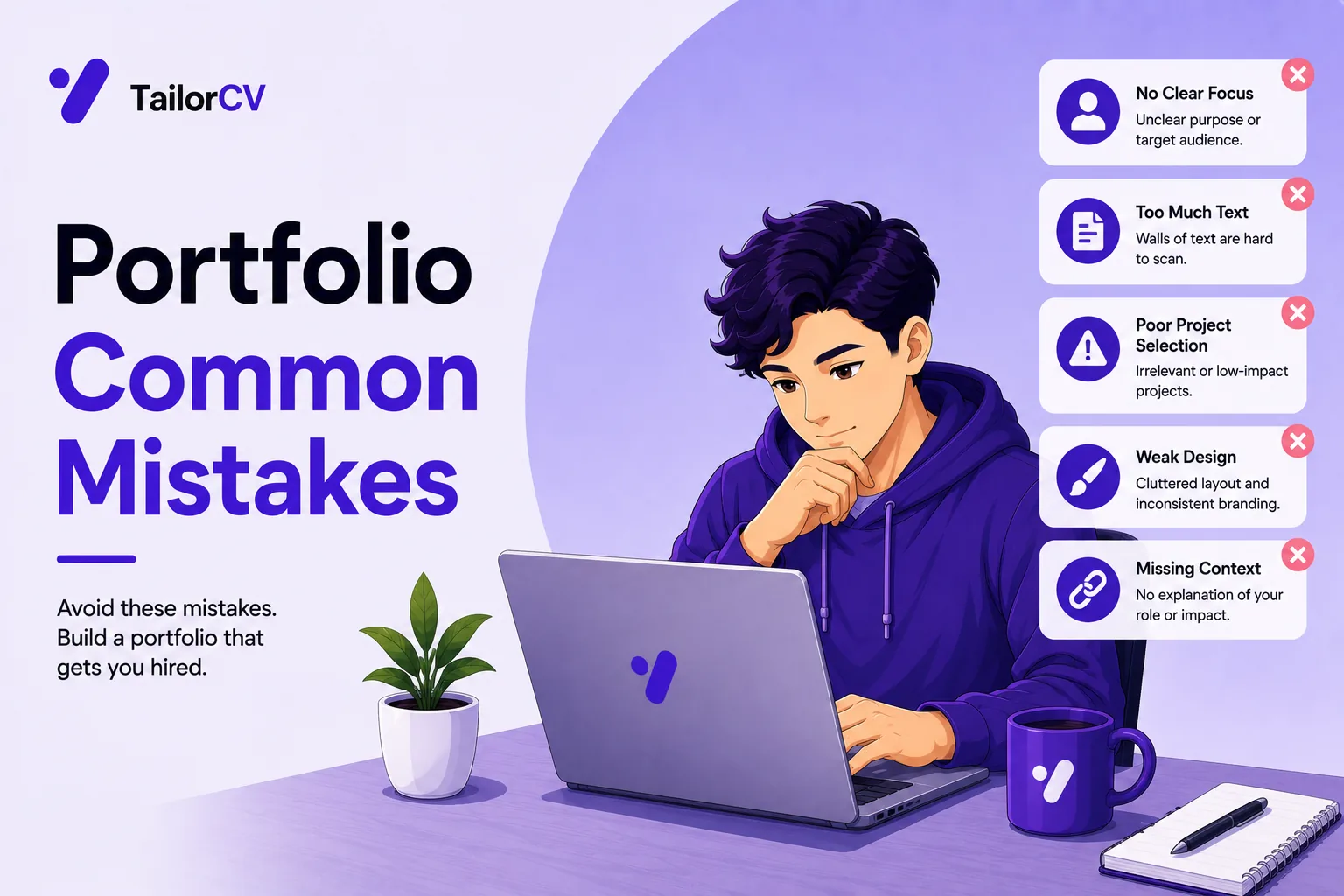
Common Mistakes
Showing output with no reasoning. A gallery proves you can produce work; it does not show you made decisions, which is what is assessed.
Listing technologies instead of describing decisions. A stack list is on two hundred other portfolios and gives a reviewer nothing to ask about.
Omitting the options you rejected. Choosing between alternatives is the judgement being tested, and skipping it removes the substance.
Being vague about your role on team projects. Reviewers assume the least when contribution is unclear.
Presenting everything as flawless. It reads as inexperience, and a genuine misstep is the strongest credibility signal available.
No numbers in the outcome. Without a before-and-after there is no demonstrated impact.
Writing it as an essay. Reviewers scan, so headings and a summary line at the top matter more than prose quality.
Eight thin case studies. Reviewers rarely pass the second, so depth in two or three beats coverage.
Publishing confidential material. Generalise the client, use relative figures, and ask before assuming permission.
Frequently Asked Questions
What makes a case study different from a project page?
A project page shows the output. A case study shows the problem, the alternatives you considered, the decision you made and what happened — which is what demonstrates judgement.
How long should a case study be?
Scannable in ninety seconds and readable in five minutes, with headings so a skimmer can find the outcome and the decisions.
Is this overkill for a college project?
No. The structure is what turns a feature list every applicant could have written into something an interviewer can ask five questions about.
What if my project was in a team of four?
Say exactly what you owned. "I owned the data model and the issue-return flow" is more credible than describing the whole project in "we".
How many should I have?
Two or three done properly. Reviewers rarely go past the second, so lead with your strongest.
Should I include failures?
Yes. A genuine misstep and what you changed afterwards is the strongest credibility signal in the document, and almost nobody includes it.
What if the project had no measurable outcome?
Give a concrete before-and-after state instead. A clear change in situation is far better than claiming an improvement without evidence.
Can I write about work under NDA?
Not with identifying detail. Generalise the client, use relative figures rather than absolute ones, and ask your employer — sanitised write-ups are frequently permitted.
Does this apply outside design and engineering?
Yes. Operations, marketing, finance and HR case studies differentiate strongly precisely because so few people in those fields write them.
Make sure the resume linking to your portfolio works. Check your ATS score free.
Make This Practical
Take your strongest project and rewrite it in the seven-part structure — summary line, context and constraint, your role, options considered, what you did, outcome with numbers, and what you would do differently. If it currently reads as a list of technologies, that single rewrite is the difference between a page a reviewer skims and one they ask you about.
Then add the two sections almost everyone omits. Name the alternatives you rejected and why you rejected them, and name a genuine misstep with what you changed afterwards. On a student project the misstep is usually easy to find — something you built before watching anyone use it.
Finally, curate rather than accumulate. Two or three deep case studies with the strongest first beat eight thin ones, because reviewers rarely read past the second — and keep every number consistent with what your resume claims.
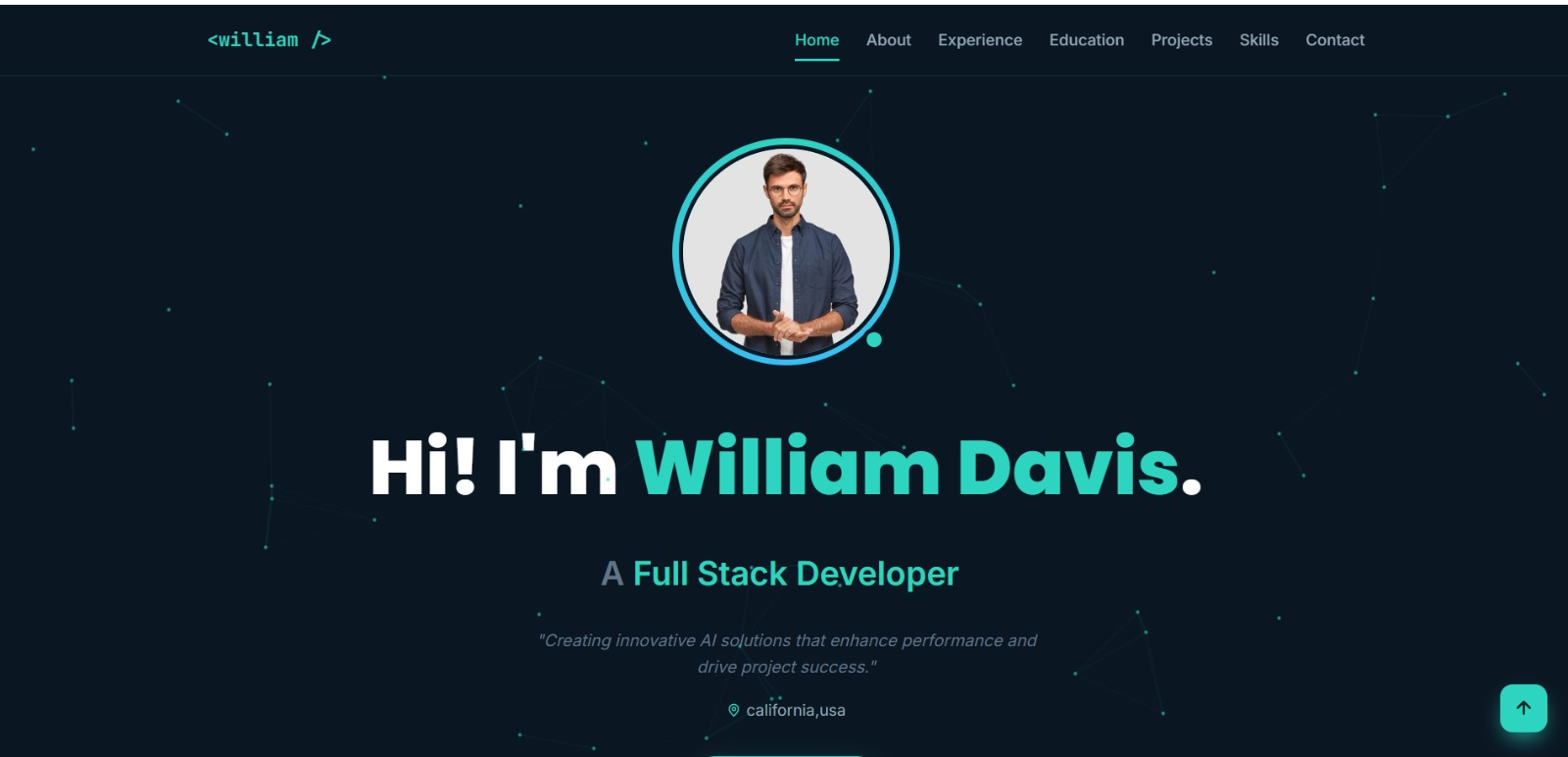
See what your portfolio could look like
This theme is built straight from your resume — pick one and your portfolio is live in minutes.
Was this guide useful?
Be the first to rate it.