 TD
TD
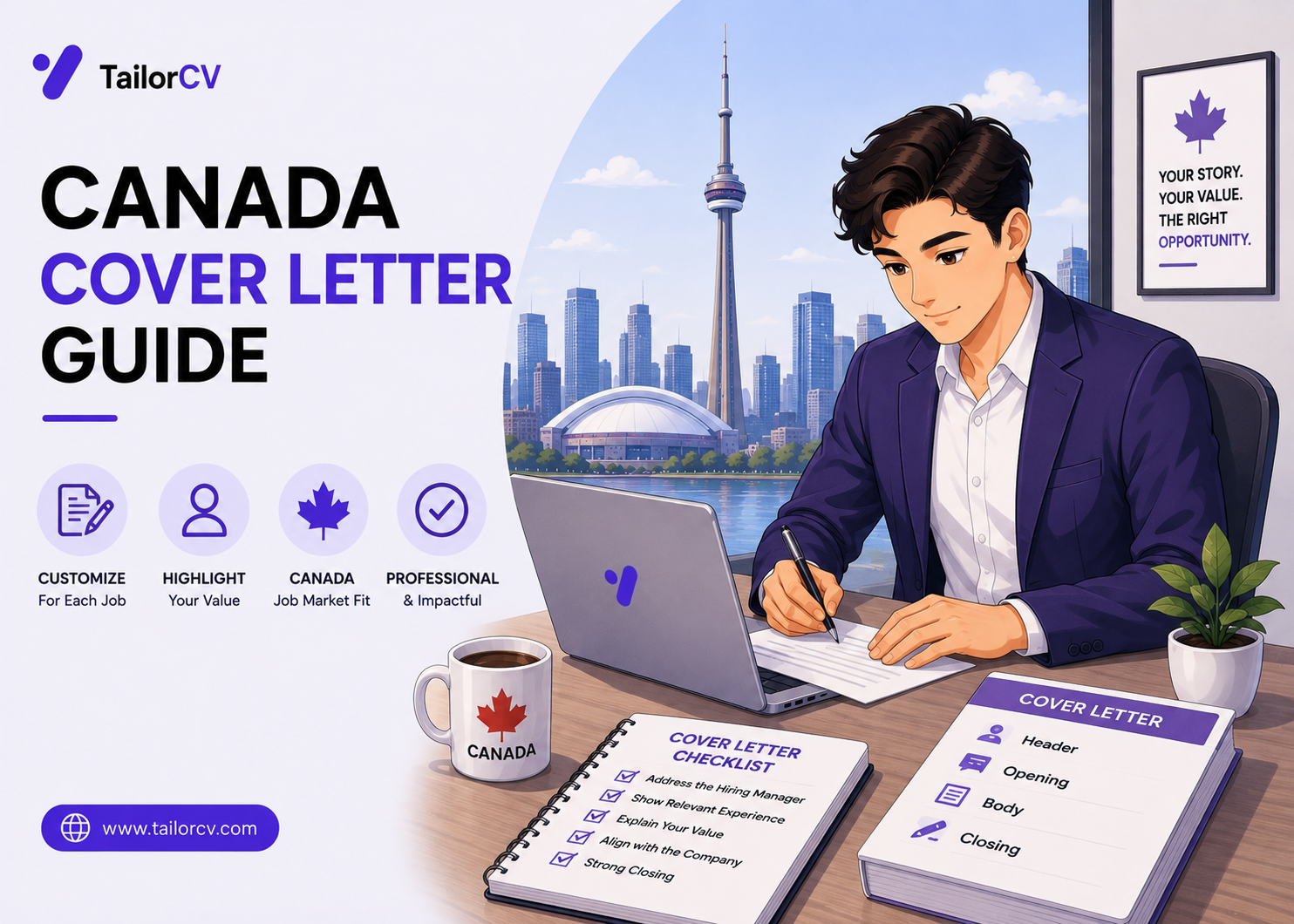
Key Takeaways
- Cover letter expectations vary genuinely by employer size, sector and role, requested more consistently at some employers than others.
- One page, three to four short paragraphs, is the standard structure and longer rarely helps.
- The paragraph explaining why this specific employer, rather than a comparable competitor, is what actually decides whether the letter adds value.
- Co-op and structured graduate applications frequently expect a letter as part of a defined application package.
- A generic letter is worse than none, since it signals mass application rather than genuine interest.
When one is expected
Larger structured employers with formal graduate and co-op programs frequently expect a cover letter as a defined part of the application package, worth treating this as a required component with the same seriousness as the resume itself in these contexts.
Smaller and mid-sized employers, where a person reads the full application, often value a specific, well-written letter genuinely, similar to the pattern seen in many other markets, a real letter can meaningfully change the outcome here.
Government and public sector applications frequently expect or explicitly request one — and for federal roles specifically, this often takes a distinct form: rather than (or alongside) a traditional cover letter, you may be asked for a written response addressing each listed merit criterion directly, closer to a structured statement of qualifications than a conventional narrative letter. Read the specific posting carefully to see which format is actually requested before defaulting to the private-sector structure covered below.
Where a posting does not request one and the employer is large enough to run a highly automated process, a letter is sometimes optional and less consistently read, though including a strong, brief one rarely hurts and occasionally helps.
Structure that works
One page, three to four short paragraphs. Longer is not more persuasive and is frequently skimmed rather than read in full, particularly once a reader has already gone through several dozen similar applications that same day.
Address a specific named person where you can identify one, a general salutation is acceptable and preferable to guessing incorrectly — "Dear Hiring Manager" is the standard, current fallback; "To Whom It May Concern" reads as noticeably dated and is worth dropping from your template entirely.
Open with something concrete, not an announcement that you are applying, the reader already knows why the letter exists. Compare: "I am writing to apply for the Marketing Coordinator position at [Company]" tells the reader nothing they didn't already know from the subject line. "Your Q3 campaign redesign cut customer acquisition cost by double digits according to your team's own case study — that kind of measurable, iterative approach to marketing is exactly what I want to be part of" opens with something real and specific instead, and does the "why this employer" work from the very first sentence rather than saving it for later.
A paragraph with your strongest specific evidence, adding context a resume bullet cannot hold, what you did, what was difficult about it, what changed as a result. This is different work from your resume, not a repeat of it — a resume bullet states an outcome in one line; this paragraph is where you get to explain the actual difficulty, the decision you made under pressure, or the thing you learned that a single line of a resume bullet has no room to hold.
The paragraph explaining why this specific employer, covered in detail below, this is the paragraph that actually decides the outcome.
A brief, plain close, availability and thanks, nothing elaborate.
The paragraph that decides it
What does not work: generic praise that could describe any competitor in the sector. Reputation, values statements copied from the careers page, and general enthusiasm all fail to distinguish you from every other applicant using the same generic language.
What works: something specific. A particular business line, product, or team and a genuine reason it interests you. Something recent, a result, an initiative, a change in direction, and what you make of it. A genuine conversation with someone at the company, if you have had one, which is the strongest version and directly connects to the networking effort that feeds good applications everywhere.
The test remains simple: if a competitor's name could be substituted into the paragraph without anything else changing, it has failed to do its job. Compare:
- Fails the test: "I am excited about the opportunity to join [Company], a leader in the industry known for its innovative culture and commitment to excellence." Swap in any competitor's name and nothing else needs to change — that's the tell.
- Passes the test: "Your team's recent shift to an in-house recommendation engine, rather than the licensed system most competitors still run, is the kind of problem I want to be working on — I built something similar for a class project and hit the exact latency wall your engineering blog post described." Specific, sourced from something real about the company, and unusable for any other employer without a full rewrite.
For co-op and internship applications specifically
Co-op cycles, covered in the university career services guide, frequently expect a cover letter as a standard part of the application through the portal system, worth treating this with the same care as any other structured application, since the volume of applications through these systems means a generic letter is particularly likely to be skimmed and dismissed.
Reference the specific work term and role explicitly, and connect your interest to the specific team or project where the posting provides enough detail to do so genuinely — "Winter 2027 Software Developer Co-op, Platform team" is worth stating plainly near the top, since co-op portals often route your application to the specific hiring manager for that exact posting, and a letter that could apply to any of the company's several concurrent co-op postings signals you didn't read closely enough to notice which one you were actually applying to.
Where the co-op posting itself is thin on detail — common for a first work term, when the specific project isn't finalized yet — pull specificity from the company's recent public activity instead: a product launch, an engineering blog post, a conference talk by someone on the team. The "why this employer" test still applies; you're just sourcing the specific detail from a different place when the posting itself doesn't give you one.
Practical points
Match the formatting to your resume, consistent font, header and dates, since the two documents are generally read together and inconsistent formatting between them reads as carelessness, however minor the actual difference.
Do not restate the resume in prose. The letter's specific job is adding what the resume cannot hold, not summarising what is already there.
Proofread carefully. A cover letter is explicitly a writing sample, and an error in a one-page document is a costly one.
Export as a PDF, named clearly with your own name.
Do's and Don'ts
Do
- Write the "why this employer" paragraph fresh for every application
- Open with something specific about the company's actual work
- Match the formatting to your resume
- Keep it to one page, three or four short paragraphs
- Address a named person where you can find one
Don't
- Reuse a paragraph that would survive swapping in a competitor's name
- Open with "I am writing to apply for"
- Restate what the resume already says
- Run past one page in the hope it reads as thorough
- Guess at a name rather than using "Dear Hiring Manager"
Your resume after optimization
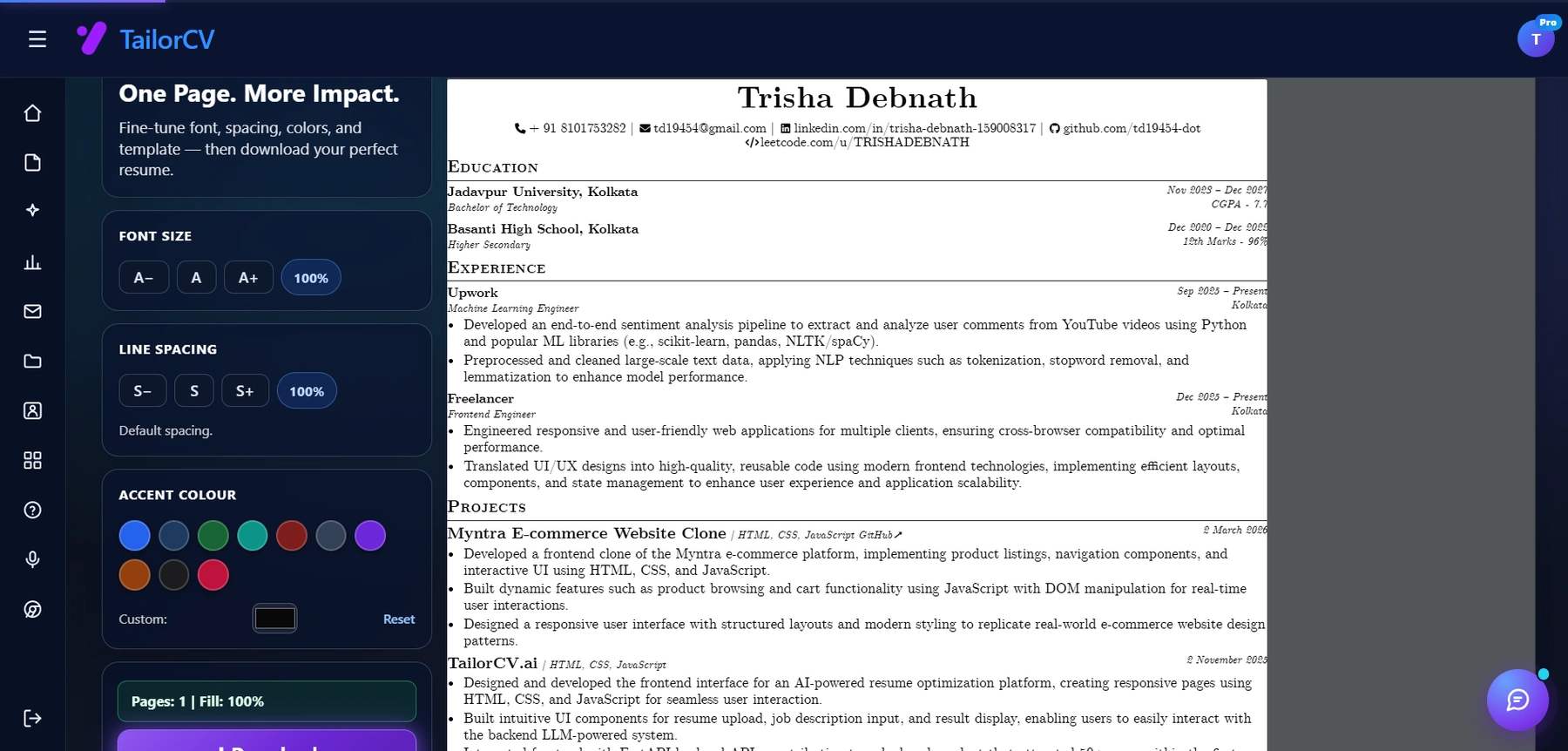
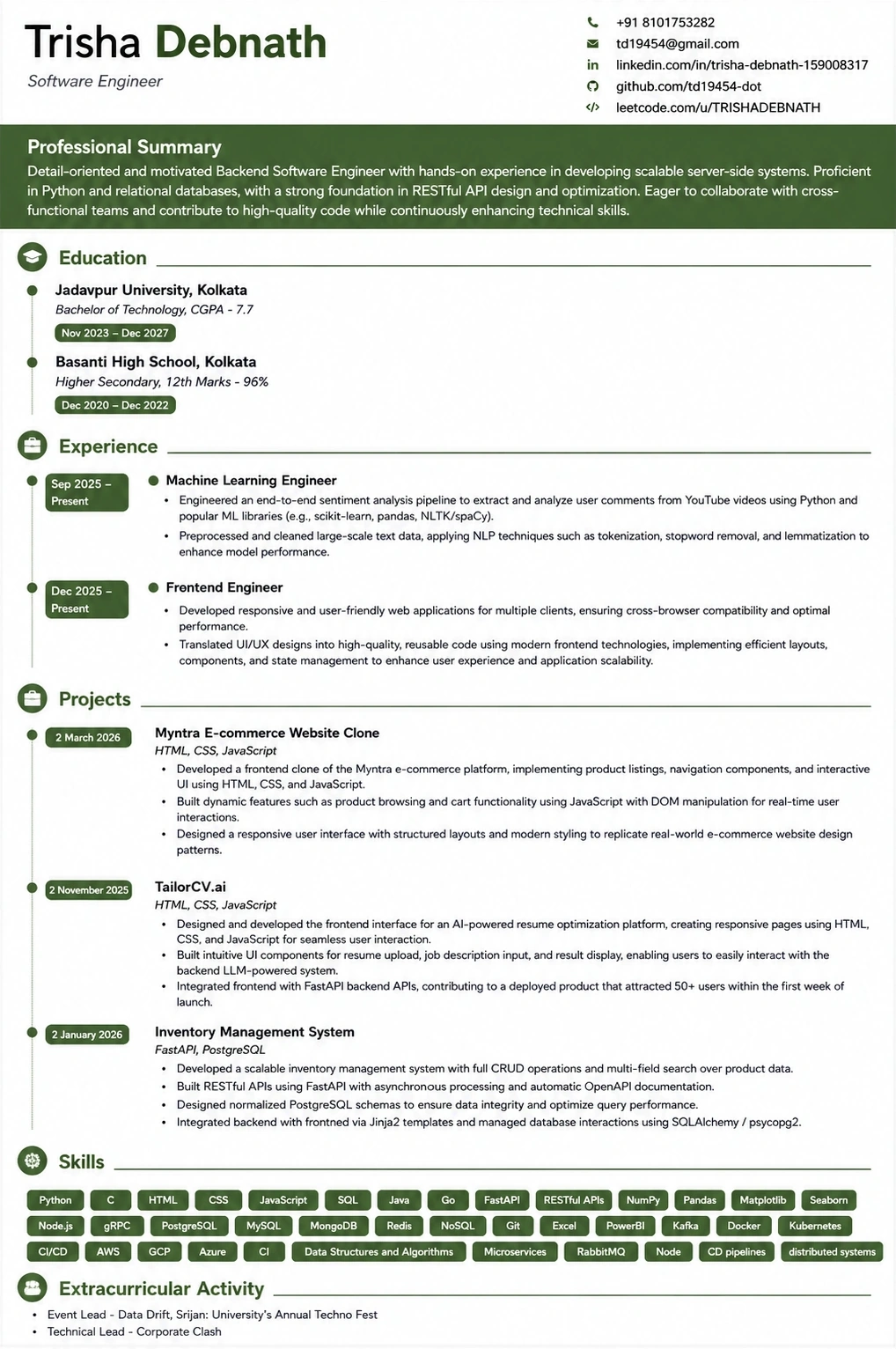
Matching your letter's font and header to your resume is easier when both come out of the same editor.
Tip: Write the "why this employer" paragraph last, and test it by swapping in a competitor's name. If the paragraph still makes sense, it is not specific enough to be worth including.
Common Mistakes
- A generic "why this employer" paragraph. The most common and most costly weakness.
- Restating the resume. Restating the resume rather than adding genuinely new content.
- Running longer than one page. Rarely helps and is frequently skimmed.
- Guessing an incorrect name. Guessing an incorrect name rather than using a general salutation.
- One letter for every application. Sending the same letter to every co-op application without adjusting for the specific role and team.
- Not proofreading. Not proofreading a document that is explicitly a writing sample.
Related Guides
Keep building on this with the related guides in this series:
- Canadian Bank Graduate Programs
- Express Entry for New Grads - How the Points System Actually Works
- Your First Canadian Job - Taxes, Benefits and Your First Payslip
- The French Language Advantage in the Canadian Job Market
- Federal and Provincial Government Jobs for Canadian Graduates
- Healthcare Jobs for Graduates in Canada - Clinical and Non-Clinical Routes
You can also check your resume's ATS score for free, generate a tailored cover letter, or build a portfolio website in minutes.
Frequently Asked Questions
Are cover letters really expected in Canada?
It varies by employer, more consistently expected at larger structured programs, co-op applications and public sector roles, and more optional at some smaller and highly automated processes, though a strong specific letter rarely hurts.
How long should it be?
One page, three to four short paragraphs, longer rarely helps and is frequently skimmed.
What is the most important part of the letter?
The paragraph explaining specifically why this employer, rather than a comparable one, this is what actually distinguishes a strong letter from a generic one.
Should I write a different letter for every co-op application?
Yes, particularly the paragraph explaining your specific interest, a generic letter sent through a high-volume co-op portal system is easily identified as generic and is unlikely to help.
Can I reuse parts of the letter?
Reuse your evidence paragraph and your structure, write the specific "why this employer" paragraph fresh for each application, since that is the section that cannot be genuinely reused.
What if the posting does not request a cover letter?
Including a brief, strong one rarely hurts, particularly at smaller employers where a person reads the full application.
Do federal government applications use the same cover letter format?
Often not — many federal postings ask you to respond directly to listed merit criteria instead, closer to a structured statement of qualifications than a traditional narrative letter. Check the specific posting's instructions before assuming the private-sector format applies.
What's a stronger opening line than "I am writing to apply for..."?
Lead with something specific about the employer instead — a result, a product decision, something from their own public material — that does the "why this employer" work immediately rather than stating the obvious fact that you're applying.
Templates that keep this structure intact
This template is ATS-tested — start from it and the formatting rules in this guide are already handled.
Was this guide useful?
Be the first to rate it.