 TD
TD
Key Takeaways
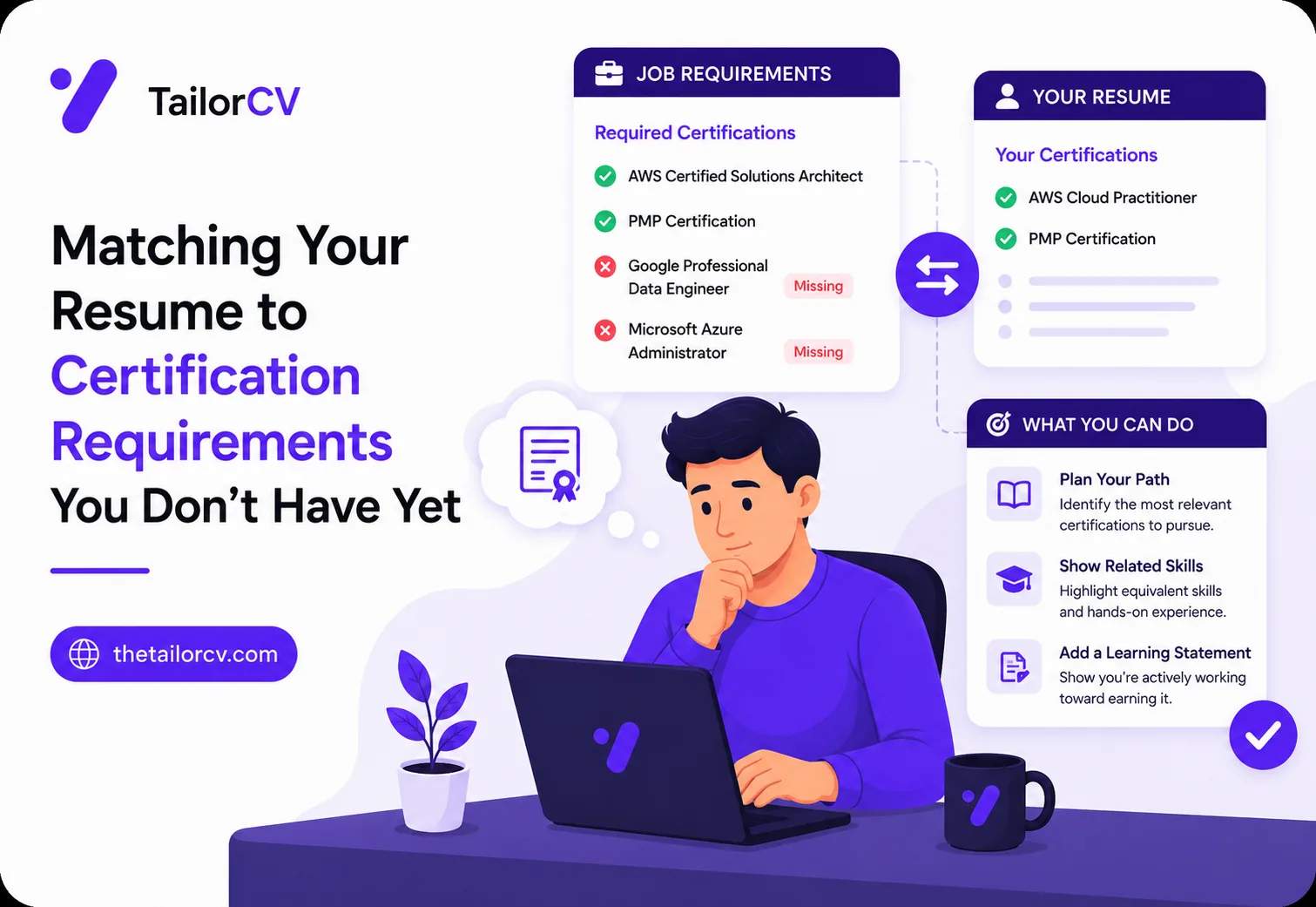
- Assess the importance of a missing certification by determining if it is required, preferred, or legally mandatory before applying.
- Clearly state any certifications you are actively pursuing on your resume, including specific details like exam dates.
- Highlight equivalent experience if you lack a formal certification, and consider addressing the gap in your cover letter.
- Avoid applying for roles that require a legal or safety certification you do not possess and cannot obtain before the start date.
- If a certification frequently appears in job postings, prioritize obtaining it through expedited or online courses.
You find a role that fits everything else, the responsibilities, the seniority level, the industry, but the job description lists a certification you do not have yet. A PMP for a project manager role. An AWS certification for a cloud role. A CPA for a senior accounting position. Do you apply anyway, and if you do, how do you handle it on your resume?
This is one of the most common gaps candidates face when trying to match their resume to a job description, and how you handle it matters more than most people realize.
Check how a missing certification affects your overall match score with the TailorCV ATS score checker before deciding whether to apply.
First, Figure Out How "Required" the Certification Really Is
Not all certification requirements carry the same weight. Ask three questions:
- Is it listed as required or preferred? Read required vs preferred qualifications to learn how to tell the difference.
- Is it legally or contractually mandatory? Certifications tied to safety, compliance, or licensing (a nursing license, a bar admission, a CPA for signing audits) are usually hard blockers. Certifications tied to best practice or preference (many project management or cloud certifications) are often flexible.
- Is it achievable quickly? Some certifications can be completed in weeks. Others take months or years. This affects whether "in progress" is a credible claim.
How to Handle a Missing Certification on Your Resume
If You Are Actively Pursuing It
State this clearly and specifically: "PMP Certification - In Progress, Exam Scheduled [Month Year]" is far stronger than leaving it off entirely or vaguely implying you have it. Never state a certification as complete if it is not.
If You Have Equivalent Experience Without the Formal Credential
Lead with the experience itself. If a posting wants a Scrum Master certification and you have run agile teams for three years without the formal credential, make the experience unmistakable in your bullets, and consider a brief note acknowledging the certification gap in your cover letter.
If the Certification Is a Hard Legal Requirement
Be honest. Do not apply to roles requiring an active license or credential you do not hold and cannot obtain before the expected start date. This wastes your time and the employer's, and following job description analysis closely will help you filter these out earlier.
Should You Apply Without the Certification?
| Scenario | Recommendation |
|---|---|
| Certification is listed as "preferred" | Apply. Focus your resume on matching every other requirement strongly. |
| Certification is listed as "required" but you have 3-5+ years of equivalent hands-on experience | Apply, and address the gap directly and briefly in your cover letter. |
| Certification is a legal or safety requirement (license, compliance credential) | Do not apply unless you can obtain it before the expected start date. |
| Certification is achievable within weeks and you are already studying | Apply, and list it as "in progress" with an expected completion date. |
Read resume tailoring for underqualified candidates for a broader framework on applying to roles where you do not meet every listed qualification.
Closing the Gap Fast
If a certification keeps appearing across postings you want to apply to, it is worth prioritizing:
- Check if a compressed or online certification path exists for a faster completion timeline
- Look at best free online certificates for your resume for lower-cost or free alternatives that can still strengthen your resume
- Once earned or in progress, update your resume immediately using how to list certifications on your resume
How to Word "In Progress" Certifications Correctly
Vague or overstated claims about certification status can backfire, especially at companies that verify credentials before an offer.
Weak: "PMP Certified" (when you are not)
Better: "PMP Certification - In Progress, Exam Scheduled March 2026"
Also acceptable: "Completed PMP exam prep coursework; certification exam scheduled for [Month Year]"
Precision here builds credibility rather than undermining it.
How TailorCV Helps When You're Missing a Required Certification
Paste the job description into TailorCV's resume optimizer to see exactly how much a missing certification affects your overall match score, and which other requirements you should emphasize to offset the gap. TailorCV highlights your closest equivalent experience so it reads as strongly as possible alongside an honest certification status.
Your resume after optimization
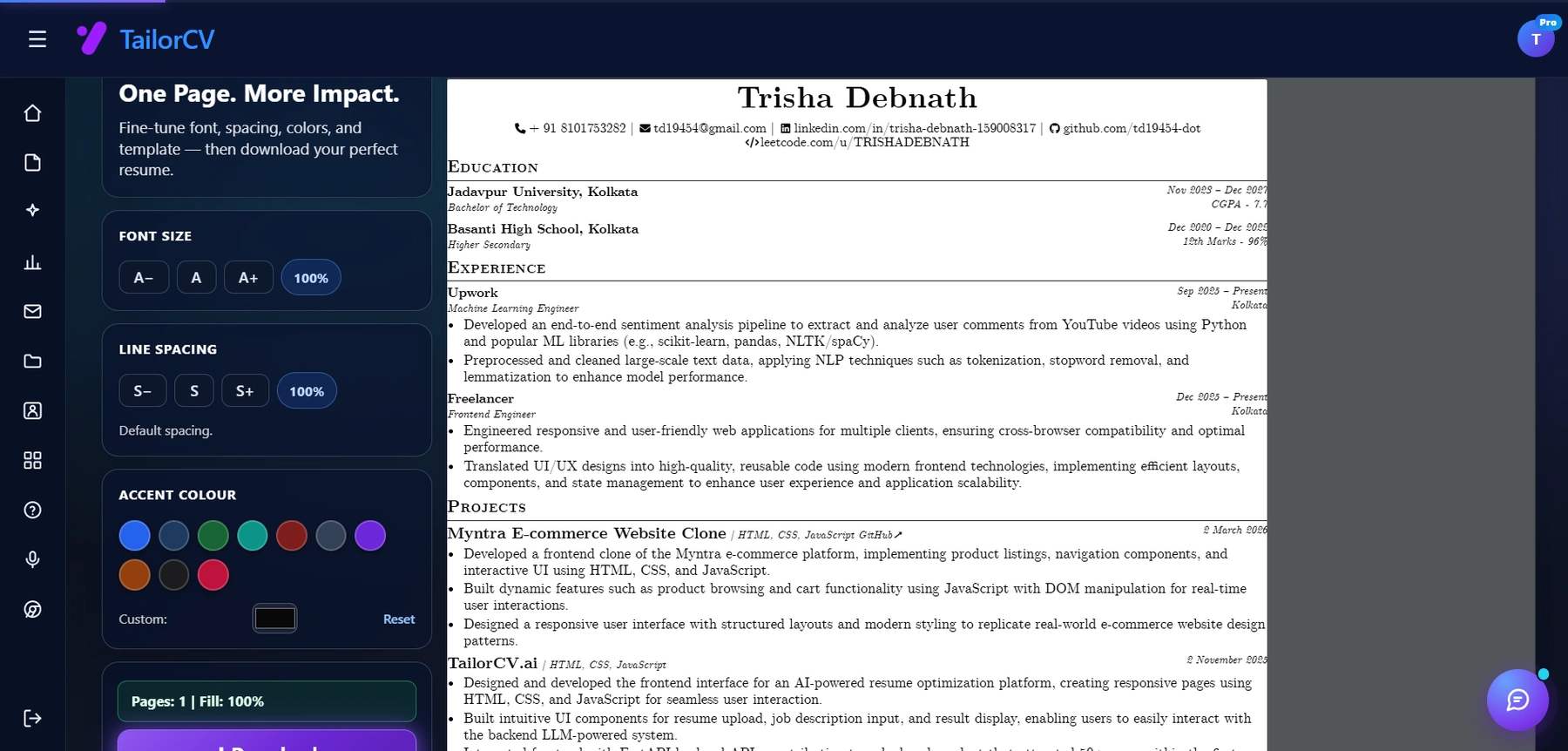
This is the resume after tailoring - the content is already matched, and these controls are how you fit it onto one page.
Common Mistakes to Avoid When Addressing Missing Certifications
When navigating the challenges of missing certifications, it's easy to make mistakes that can hinder your job application process. Here are some common pitfalls to watch out for:
-
Ignoring the Certification Requirement: Some candidates may overlook the importance of the certification altogether. If it’s listed as a requirement, even if it's labeled as "preferred," acknowledging it in your application is crucial.
-
Overstating Your Experience: While it's tempting to embellish skills or experiences related to the certification, honesty is key. Misrepresentation can lead to disqualification if discovered.
-
Neglecting to Highlight Relevant Skills: Failing to emphasize transferable skills or experiences that align with the certification can be detrimental. Make sure you connect your past roles to the skills required by the certification.
-
Using Generic Language: Avoid vague language that doesn't directly address the certification. Instead, tailor your wording to reflect how your current qualifications relate to the certification requirements.
-
Omitting a Plan for Certification: If you're actively pursuing a certification, not mentioning it can be a missed opportunity. Include your timeline and any steps you’ve taken toward obtaining it.
Step-by-Step Guide to Highlighting Relevant Experience Without the Certification
Even if you don't have the required certification, you can still present your experience in a compelling way. Follow these steps to effectively showcase your qualifications:
-
Analyze the Job Description: Use the Job Description Analysis Checklist Before You Apply to identify the key responsibilities and skills associated with the missing certification.
-
List Relevant Experiences: Create a list of past roles, projects, or responsibilities where you demonstrated skills related to the certification. Think about achievements, challenges overcome, and successful outcomes.
-
Match Your Language: Use terms and phrases from the job description in your resume. This not only shows alignment but also helps your application pass through Applicant Tracking Systems (ATS).
-
Create a Skills Section: Develop a skills section that highlights competencies relevant to the certification. Focus on both hard and soft skills that are applicable to the role.
-
Incorporate Examples: In your resume, provide specific examples that illustrate how your experience aligns with the certification requirements. Use quantifiable metrics where possible to demonstrate impact.
-
Mention Continuous Learning: If you are enrolled in courses or attending workshops, mention these in your resume. This shows your commitment to professional development and your proactive approach to acquiring the certification.
Mini Checklist for Addressing Missing Certifications
Before submitting your application, use this mini checklist to ensure you’ve covered all bases regarding missing certifications:
- unchecked: Have I researched the importance of the certification for this role?
- unchecked: Have I clearly stated any certifications I am currently pursuing?
- unchecked: Did I highlight relevant skills and experiences that compensate for the missing certification?
- unchecked: Have I tailored my resume language to match the job description?
- unchecked: Did I include any training, workshops, or online courses related to the certification?
- unchecked: Have I proofread my application for clarity and conciseness?
- unchecked: Did I utilize the Resume Keyword Map Template - Match Your Resume to Any Job Description?
Real-Life Scenarios: How to Tackle Missing Certifications
Understanding how to navigate missing certifications can be easier with real-life scenarios. Here are two examples:
-
Scenario 1: Project Manager Position
Situation: You’re applying for a project management role that requires a PMP certification, which you don’t have yet.
Action: In your resume, emphasize your experience leading projects, your ability to manage teams, and your familiarity with project management tools. Additionally, mention that you are enrolled in a PMP preparation course, indicating your commitment to obtaining the certification soon. -
Scenario 2: IT Security Analyst Role
Situation: The job description requires a CISSP certification, but you are in the process of studying for it.
Action: Highlight your relevant work experience in IT security, focusing on specific projects where you implemented security protocols. In your cover letter, explain your current studies and how they will enhance your contributions to the team.
By following these guidelines and utilizing the resources linked throughout this article, you can effectively position yourself as a strong candidate, even without all the desired certifications.
Frequently Asked Questions
Should I lie about having a certification I don't actually have?
No. Certification claims are frequently verified, and misrepresenting your credentials can disqualify you immediately or, worse, cost you a job offer after the fact. Always represent your status accurately.
Is it worth applying if I'm missing a "required" certification?
Often yes, if the certification is not tied to a legal or safety requirement and you have strong equivalent experience. Missing a certification listed as required but functionally treated as preferred is common, and many hiring managers will still consider strong candidates. For more insights, check out our Job Description Analysis Checklist Before You Apply.
How do I list a certification I'm currently studying for?
State it clearly as "in progress" with an expected completion or exam date, so it reads as a credible, active pursuit rather than an unfinished claim. You can also use our Resume Keyword Map Template - Match Your Resume to Any Job Description to enhance your resume.
Does a missing certification always hurt my ATS score significantly?
It depends on how the employer configured their screening. A single missing certification among many strong matches usually has a smaller impact than several missing core requirements. Check your resume's overall match score for context using our Free ATS score checker.
How do I know which certifications are worth pursuing?
Track which certifications repeatedly appear across job descriptions in your target roles, and prioritize the ones that show up most often or are explicitly required rather than preferred. For additional guidance, consider reading about How to Match Your Resume to an AI-Generated Job Description.
Related Guides
- Resume Matching with Job Description - Complete Guide
- Required vs Preferred Qualifications
- How to List Certifications on Resume
- Best Free Online Certificates for Resume
- Resume Tailoring for Underqualified Candidates
- Job Description Analysis Checklist
- Resume Matching for Security-Clearance and Government-Contractor Job Descriptions
- Cover Letter Guide 2026
- ATS Score Guide 2026
- How to Explain Resume Gaps
Conclusion
A missing certification is not always a dealbreaker, but how you handle it on your resume determines whether it costs you the opportunity. Be precise about your status, lead with equivalent experience where you have it, and know when a certification gap is a legal blocker versus a flexible preference.
Check your overall match score with TailorCV before deciding whether to apply.
Match My Resume to This Job - Free
What is your resume scoring right now?
Scan it against a job description and get your ATS match score in about a minute.
Drop your resume here or choose a file
PDF only. Max 2 MB.
We never share your data or use it to train AI models.

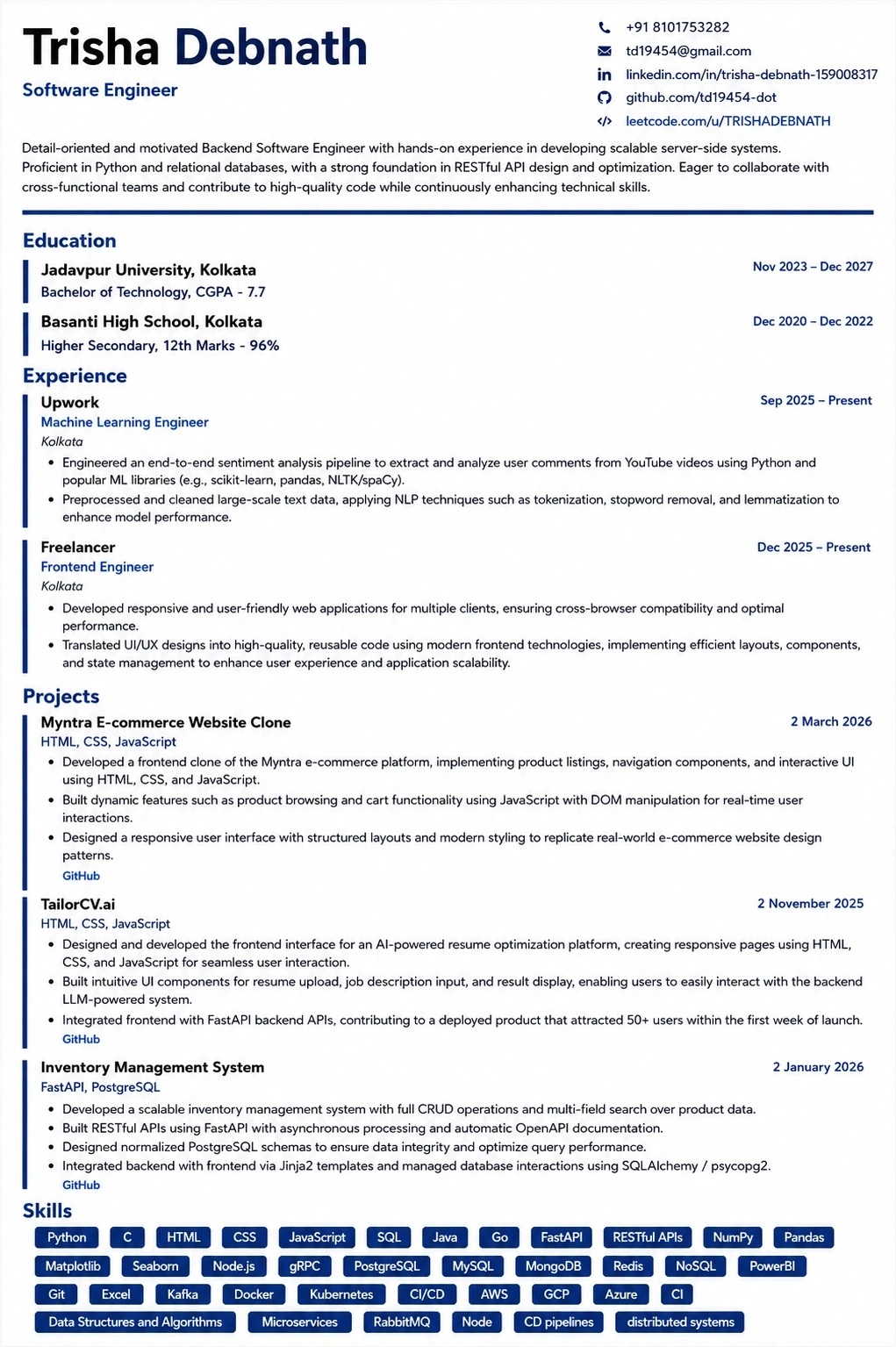
Templates that keep this structure intact
This template is ATS-tested — start from it and the formatting rules in this guide are already handled.
Was this guide useful?
Be the first to rate it.