 TD
TD
Key Takeaways
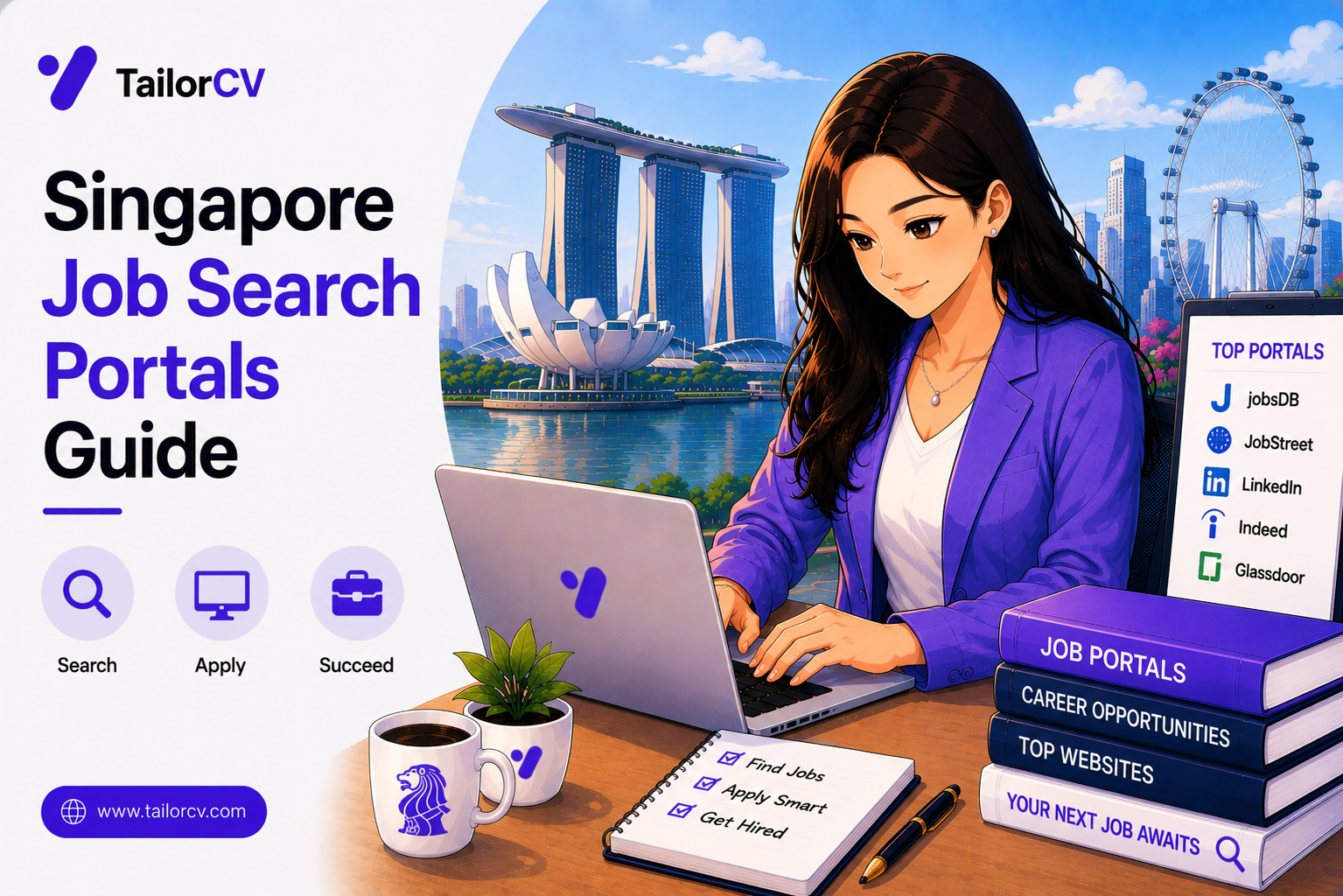
- Several distinct channels exist for a Singapore job search, each with genuinely different strengths, and using only one leaves real opportunity unseen.
- A government-run national jobs portal is a genuinely useful and widely used channel here, worth checking directly alongside company career pages.
- University career portals carry roles specifically targeted at students from that institution, often with less competition than a public posting.
- Company career pages remain the most authoritative and earliest source for a specific employer's own openings.
- Combining channels deliberately, rather than relying on a single source, is what actually produces a comprehensive search.
The national jobs portal
Singapore operates a widely used, government-run national jobs portal, a genuinely significant channel here in a way that has no exact equivalent in every market, worth checking directly as a standard part of any local job search rather than assuming international platforms alone cover the market.
This portal carries listings across a very wide range of employers and sectors, from large multinationals to smaller local firms, and is worth searching specifically alongside other channels rather than treating it as a secondary source.
University career portals
Your own institution's career portal carries roles specifically targeted at students from that university, or from local institutions more broadly, employers posting here have deliberately chosen to reach this specific pool, meaning competition is often genuinely lower than for an identical role posted more broadly, worth checking this channel actively rather than only relying on general job boards.
On-campus recruiting events, career fairs and structured campus channels, attended properly, remain a genuine and often underused route, particularly for structured graduate programmes.
Company career pages directly
The most authoritative and often earliest source for a specific employer's own openings, roles frequently appear here before they are cross-posted anywhere else, worth building a list of thirty or so target employers and checking their career pages directly and regularly, rather than relying solely on aggregated listings elsewhere.
Professional networking platforms
Genuinely useful here as elsewhere, though primarily for research and outreach rather than as the primary application channel, finding alumni, researching a specific team, and identifying people to reach out to for an informational conversation is where this channel adds the most value, rather than relying on it as your main source of applications.
International and regional job boards
Some roles, particularly at multinational employers hiring for regional positions based in Singapore, are posted on broader international or regional job platforms rather than solely on local channels, worth checking these specifically if you are targeting a multinational's regional headquarters function.
Recruitment agencies
Genuinely active in the Singapore market, particularly for specific specialised or senior roles, worth registering with a reputable agency relevant to your field as one additional channel, though this generally supplements rather than replaces direct applications for most graduate-level roles.
Building a search that covers the real market
Do not rely on a single channel. Combine the national jobs portal, your university's career portal, direct company career page checks for a target list of employers, and professional networking outreach, rather than assuming any single source captures the full picture.
Check channels regularly rather than once. New roles appear continuously, particularly outside the structured campus recruiting season, a weekly routine across your key channels catches opportunities a one-time search misses.
Confirm your resume parses cleanly regardless of which channel you apply through, since automated screening operates similarly across most large employers regardless of the specific application source.
Tip: Set a fixed weekly slot to check MyCareersFuture and your target companies' own pages. Roles here move quickly, and a routine beats an occasional burst of searching.
Common Mistakes
- Relying on a single job search channel. Relying on a single job search channel rather than combining several.
- Overlooking the national jobs portal. Overlooking the national jobs portal as a genuinely significant local channel.
- Not checking university career portal listings. Not checking university career portal listings which often carry roles with less competition.
- Using professional networking platforms only for applications. Using professional networking platforms only for applications rather than for research and outreach where they add the most value.
- Checking once, not routinely. Checking channels once rather than establishing a regular, ongoing routine.
- No target employer list. Not building a specific target list of employers and checking their career pages directly.
Related Guides
Keep building on this with the related guides in this series:
- Biotech and Pharmaceutical Graduate Jobs in Singapore
- Management Consulting Graduate Hiring in Singapore
- Internship-to-Full-Time Conversion Programmes in Singapore
- CPF and Managing Your Finances in Your First Singapore Job
- Networking for Students in Singapore - How It Actually Works Locally
- Permanent Residency in Singapore - What Graduates Need to Know
You can also check your resume's ATS score for free, generate a tailored cover letter, or build a portfolio website in minutes.
Frequently Asked Questions
Is there a main job portal specific to Singapore worth using?
Yes, a government-run national jobs portal is genuinely significant and widely used here, worth checking directly as a standard part of any local search.
Are university career portals worth using if I could just search publicly?
Yes, roles here are often targeted specifically at students from that institution, meaning genuinely less competition than an identical role posted more broadly.
Should I check company career pages directly, or is that redundant with job boards?
Worth doing directly, roles frequently appear on a company's own page before being cross-posted elsewhere, and it is the most authoritative source for a specific employer.
Is a professional networking platform the best place to apply for jobs here?
More useful for research and outreach, finding people and learning about a team, than as your primary application channel.
Are recruitment agencies worth using for a graduate search?
Can be, particularly for specialised roles, generally worth using as one additional channel alongside direct applications rather than as a replacement for them.
How often should I check these different channels?
Regularly, a weekly routine across your key channels catches new opportunities that a single, one-time search misses.
What is your resume scoring right now?
Scan it against a job description and get your ATS match score in about a minute.
Drop your resume here or choose a file
PDF only. Max 2 MB.
We never share your data or use it to train AI models.

Was this guide useful?
Average 5.00 / 5.00 · 1 rating