 SS
SS
Key Takeaways
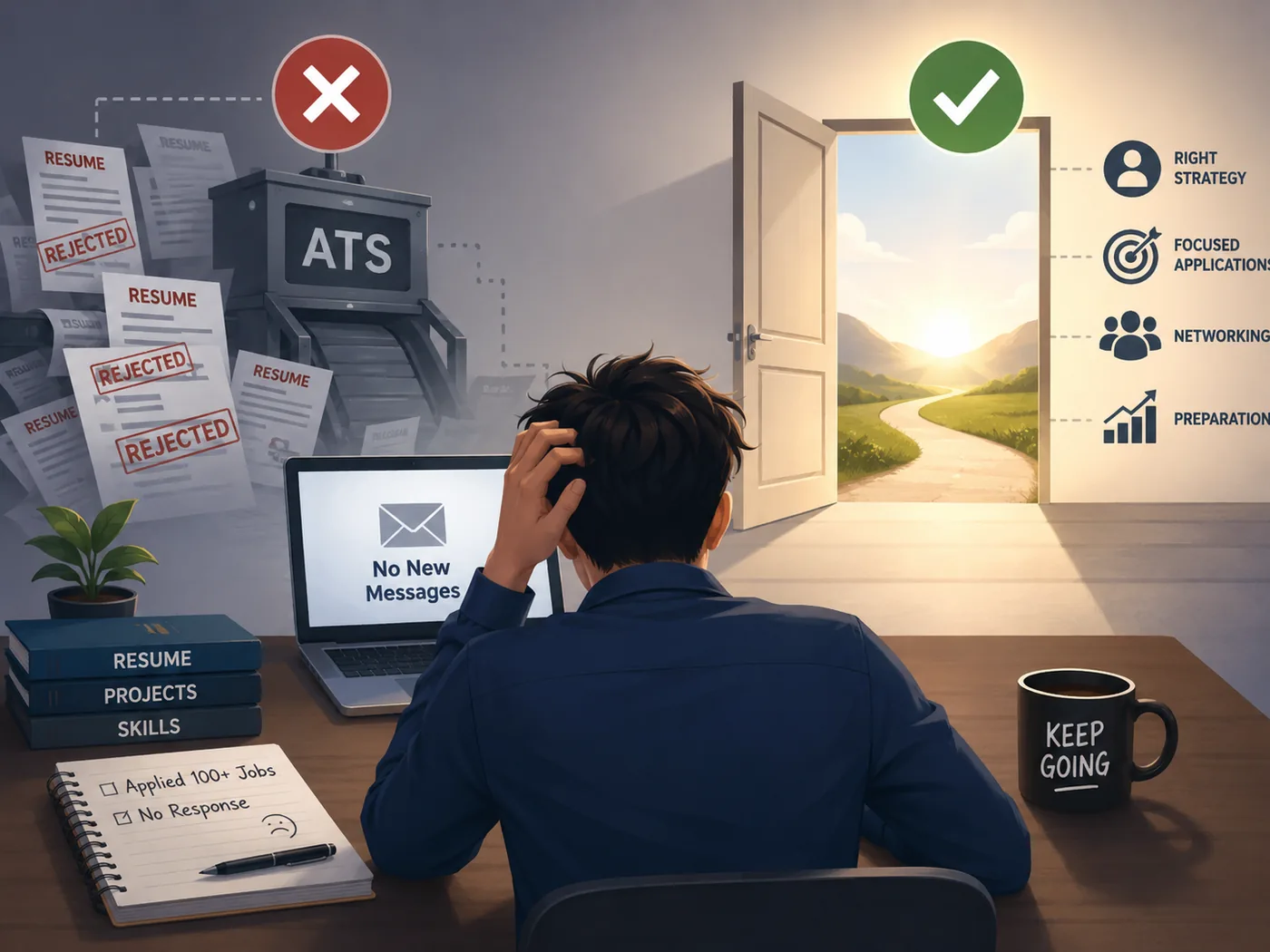
- Many qualified candidates struggle to get interviews due to the high volume of applications and aggressive filtering by recruiters.
- Applicant Tracking Systems (ATS) often reject resumes based on keywords, formatting, and structure before they reach human recruiters.
- Common ATS mistakes include using complex designs, tables, and graphics that can hinder resume parsing.
- To improve chances of getting noticed, candidates should optimize their resumes for ATS compatibility and use clean, ATS-friendly templates.
If you've ever stared at your inbox wondering:
"How am I not getting interviews when I literally match the job description?"
You're not alone.
Thousands of students, freshers, and even experienced professionals apply to hundreds of jobs every month and hear... absolutely nothing back.
No interview calls.
No recruiter response.
Sometimes not even a rejection email.
And honestly? It's exhausting.
You spend hours tailoring applications, improving projects, learning new skills, updating LinkedIn, and still feel invisible in the hiring process.
If this sounds familiar, start by checking your ATS score, reviewing the resume optimization guide, and practicing with the mock interview tool once callbacks begin.
The frustrating part is this:
You are qualified.
But being qualified is no longer enough in today's job market.
Companies receive hundreds - sometimes thousands - of applications for a single role. Recruiters spend just a few seconds scanning resumes. ATS systems filter out candidates before a human even sees them.
That means many talented people get rejected for reasons that have nothing to do with intelligence or potential.
In this article, we'll break down the real reasons why qualified candidates are not getting interviews - and more importantly, how to fix it.
The Job Market Has Changed More Than Most People Realize
A few years ago, having a decent degree and a clean resume could get you interviews.
Today?
The competition is brutal.
Especially in:
- Software engineering
- Data analytics
- AI/ML roles
- Product management
- Corporate graduate programs
- Remote tech jobs
One LinkedIn job post can easily attract:
- 500+ applicants in 24 hours
- hundreds of ATS-optimized resumes
- experienced professionals competing for entry-level roles
This means recruiters are forced to filter aggressively.
And unfortunately, many good candidates get filtered out early.
1. Your Resume Is Getting Rejected by ATS Systems
One of the biggest reasons people are qualified but no interviews happen is because of ATS filters.
What Is an ATS Resume Filter?
ATS stands for Applicant Tracking System.
It's software companies use to scan resumes before recruiters review them manually.
The ATS checks for:
- keywords
- job titles
- formatting
- skills
- experience alignment
- resume structure
If your resume doesn't match the system's expectations, it may never reach a recruiter.
That's why many candidates feel:
"My resume rejected automatically even though I fit the role."
Because sometimes... it literally was.
Common ATS Mistakes
Using Fancy Resume Designs
Many resumes look beautiful but fail technically.
Examples:
- tables
- graphics
- icons
- text inside images
- multiple columns
ATS systems often struggle to parse these correctly.
Instead, use clean ATS-friendly templates like the ones available at:
ATS-Friendly Resume Templates
These are designed specifically to improve ATS readability.
Missing Important Keywords
If the job description says:
- SQL
- Power BI
- Python
- Data Visualization
...and your resume says:
- "worked with databases"
the ATS may not recognize the match.
Keyword alignment matters more than most people realize.
How to Fix ATS Resume Rejection
Before applying:
- Copy the job description
- Identify repeated keywords
- Match skills naturally in your resume
- Use standard section headings
- Avoid graphics-heavy designs
You can also use:
Resume Optimization Solutions
To check ATS score and optimize your resume for specific job descriptions.
2. Your Resume Looks Generic
Recruiters can spot generic resumes instantly.
And honestly?
Most applicants send the same resume everywhere.
That's a huge mistake.
The "Apply Everywhere" Trap
Many job seekers apply to:
- frontend developer roles
- data analyst jobs
- AI internships
- software testing positions
...using one identical resume.
The result?
Your profile appears unfocused.
Recruiters don't know what you actually specialize in.
Why Tailored Resumes Win
A tailored resume tells recruiters:
"This candidate understands exactly what this role needs."
For example:
A data analyst resume should highlight:
- dashboards
- SQL queries
- business insights
- visualization tools
- measurable analysis outcomes
While a software engineer resume should focus on:
- system design
- development projects
- backend/frontend technologies
- deployment experience
Completely different positioning.
3. Your Projects Don't Show Real Impact
This is extremely common among students and freshers.
Most project descriptions sound like this:
"Built a machine learning model using Python."
Okay... but why does that matter?
What problem did it solve?
What impact did it create?
Weak vs Strong Project Presentation
Weak:
- Created a dashboard in Power BI
Strong:
- Built a Power BI dashboard analyzing 50,000+ sales records, reducing reporting time by 40%
See the difference?
The second version demonstrates:
- scale
- business value
- measurable impact
Recruiters love measurable outcomes.
What Recruiters Actually Want to See
They care less about:
- certificates
- random tutorials
- copied projects
And more about:
- problem-solving
- ownership
- impact
- communication
- relevance
4. You're Applying Blindly on LinkedIn
This is one of the harsh truths nobody explains properly.
LinkedIn Easy Apply is overcrowded.
If a job has:
"Over 100 applicants"
...it's probably much higher.
Many people apply within seconds without customizing anything.
So even if you're qualified, your application disappears into a giant pile.
A Better Application Strategy
Instead of applying randomly:
Do This Instead
Target Fewer Jobs More Strategically
Apply to:
- 10 well-matched roles
instead of
- 100 random jobs
Customize Each Resume
Small keyword adjustments can dramatically improve interview chances.
Message Recruiters Professionally
A short, respectful LinkedIn message can help.
Example:
"Hi [Name], I recently applied for the data analyst role and wanted to express my strong interest. My background in SQL, Power BI, and analytics aligns closely with the role."
Simple. Professional. Effective.
5. You Don't Have Referrals
Referrals massively improve visibility.
Not because the system is unfair.
But because companies trust internal recommendations.
A referred resume often gets reviewed faster.
Why Referrals Matter So Much
Recruiters receive too many applications.
Referrals help reduce risk.
Even a weak referral can increase your chances of getting noticed.
How to Get Referrals Without Feeling Awkward
Don't message strangers saying:
"Can you refer me?"
Instead:
- engage with their content
- ask thoughtful questions
- build genuine conversations
- mention shared interests
- then politely ask for advice or guidance
networking works best when it feels human.
6. Your LinkedIn Profile Is Weak
Many candidates focus only on resumes.
Big mistake.
Recruiters absolutely check LinkedIn.
Sometimes before even opening your resume.
Common LinkedIn Problems
Missing Headline
Bad:
"Student at XYZ College"
Better:
"Aspiring data analyst | SQL | Power BI | Python | Business Analytics"
No Featured Projects
Add:
- GitHub
- portfolio links
- dashboards
- certifications
- case studies
Empty About Section
Your About section should explain:
- who you are
- what skills you have
- what roles you're targeting
- what value you bring
7. You're Applying to Jobs That Aren't Actually Relevant
This happens more than people admit.
Sometimes candidates apply because:
- salary looks attractive
- company is famous
- role sounds interesting
...but their profile doesn't align strongly.
And recruiters can tell quickly.
What a Strong Match Actually Looks Like
You should ideally match:
- 65-80% of the requirements
- core technical skills
- role responsibilities
- experience expectations
You do NOT need 100%.
But if the gap is too large, interview chances drop significantly.
8. Competition Is Much Higher Than You Think
Here's the reality:
You may be qualified.
But so are 500 other applicants.
That doesn't mean you're bad.
It means hiring today is extremely competitive.
Especially for:
- remote roles
- entry-level jobs
- tech internships
- AI-related positions
The Hidden Advantage Top Candidates Have
Top candidates usually have:
- optimized resumes
- referrals
- portfolios
- measurable projects
- strong LinkedIn presence
- networking strategy
- interview preparation
The good news?
These are learnable skills.
9. Your Resume Doesn't Show Results
Recruiters want outcomes.
Not task lists.
Weak Bullet Point
- Responsible for analyzing data
Strong Bullet Point
- Analyzed customer data using SQL and Excel, identifying trends that improved retention by 15%
Specificity creates credibility.
10. You're Not Practicing Interviews Early Enough
A surprising number of candidates wait until they get interviews before preparing.
That's backwards.
interview readiness should happen before opportunities arrive.
How to Prepare Smarter
Practice:
See it in action: a resume-based mock interview
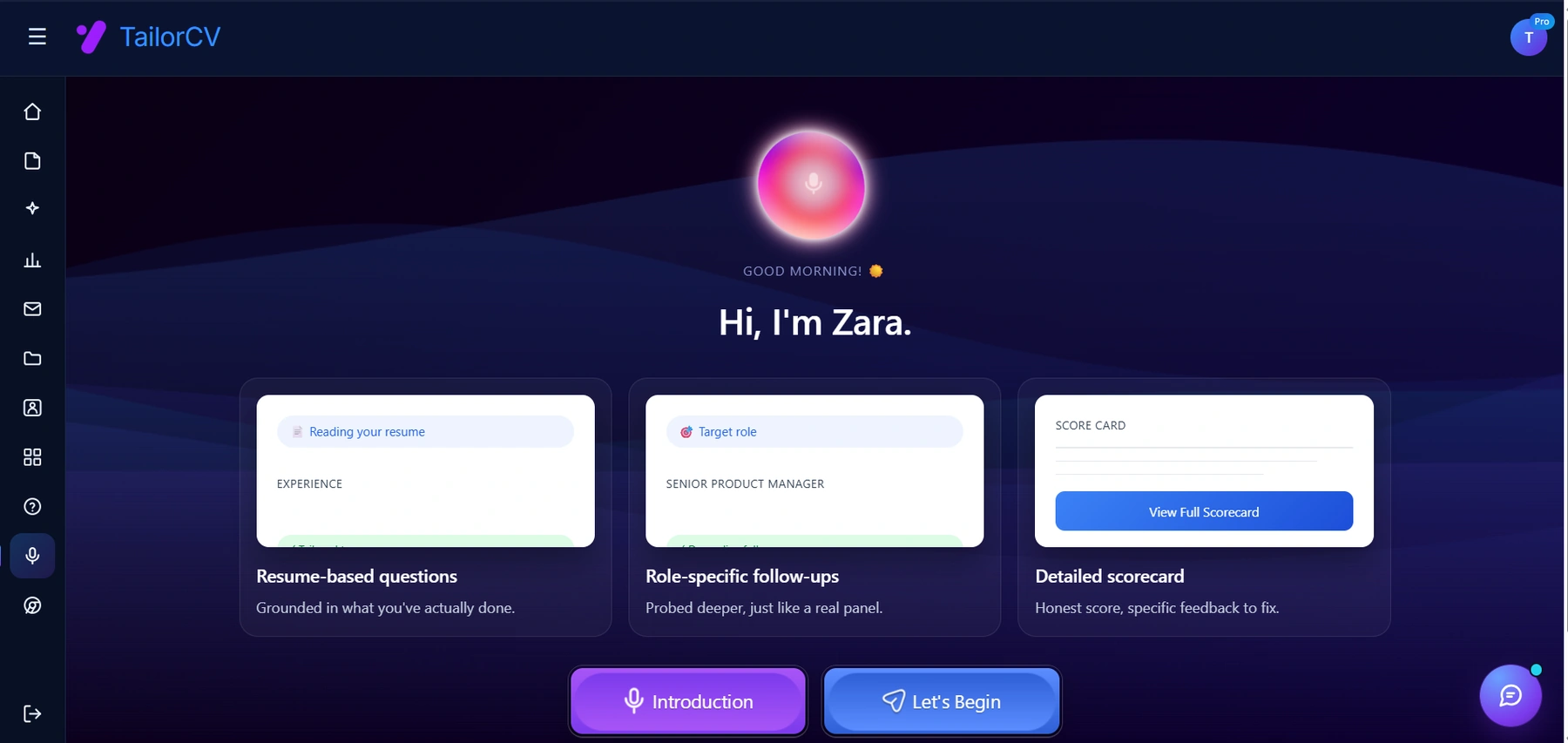
You can rehearse this before the real thing. The interviewer reads your resume first, so the questions come from your actual experience rather than a generic list.
- behavioral questions
- technical questions
- project explanations
- communication clarity
- confidence under pressure
You can practice mock interviews here:
Mock Interview Practice
And generate role-specific interview questions here:
Interview Preparation Tool
Practical Resume Improvement Checklist
Before applying to any job, ask yourself:
Is my resume ATS-friendly?
Did I tailor it for this role?
Are keywords aligned?
Did I quantify impact?
Is my LinkedIn optimized?
Do my projects solve real problems?
Am I applying strategically?
Have I practiced interviews recently?
If not, fix those first.
Helpful Resources for Job Seekers
You may also find these guides useful:
- First-Time Resume With No Experience
- Technical Skills in Resume for Freshers (No Experience)
- Resume Optimization Guide
- ATS Score Guide
The Psychological Truth Nobody Talks About
Getting rejected repeatedly affects confidence.
It's easy to start believing:
- "Maybe I'm not good enough."
- "Maybe my skills aren't valuable."
- "Maybe everyone else is smarter."
But hiring outcomes are influenced by:
- timing
- visibility
- strategy
- positioning
- networking
- market saturation
Not just talent alone.
Many capable people struggle before finally getting their breakthrough opportunity.
Final Action Plan to Start Getting More Interviews
Here's what you should do this week:
Step 1: Fix Your Resume
Use ATS-friendly formatting and tailor it for each role.
Step 2: Improve LinkedIn
Optimize your headline, About section, and projects.
Step 3: Apply Strategically
Focus on relevant roles instead of mass applying blindly.
Step 4: Build Networking Habits
Referrals matter more than ever.
Step 5: Practice Interviews Early
Confidence improves with repetition.
Related Guides
- 20 Common Interview Mistakes to Avoid
- How to Get Your First Tech Job
- How to Prepare for Campus Placement
- How to Use LinkedIn for Job Search
- LinkedIn Profile Optimization Guide
- First 90 Days at a New Job
- How to Answer "Tell Me About Yourself"
- How to Follow Up After a Job Interview
- How to Prepare for a Job Interview
- How to Research a Company Before Your Job Interview
- How to Write a Cold Email to a Recruiter
- Personal Branding for Professionals
- What is an ATS Score and Why Does It Decide Your Job Application Before Any Human Reads It
Make This Practical
Use this advice as interview practice, not just reading material. Start a role-specific session with the AI mock interview tool, prepare your opening with How to Answer Tell Me About Yourself, and structure evidence-heavy answers with the STAR Method Interview Answers Guide.
Before the interview, make sure the resume that earned the call is still aligned with the role. Check it with the free ATS score checker, review Common Interview Mistakes to Avoid, and use How to Follow Up After an Interview once the conversation is over.
Conclusion
If you're qualified but no interviews are coming, it does NOT automatically mean you lack talent.
Most of the time, the issue is:
- resume positioning
- ATS optimization
- application strategy
- visibility
- communication
- market competition
The job market today rewards candidates who know how to present themselves clearly and strategically.
That's the real game.
And once you understand it, your results can improve dramatically.
If you want to increase your chances faster:
- optimize your ATS resume,
- improve your application strategy,
- practice mock interviews,
- and build a stronger professional profile.
Start improving one step at a time - because small changes in positioning often create massive changes in opportunities.
Frequently Asked Questions
Why am I not getting interview calls despite being qualified for the job?
Many qualified candidates find themselves in this frustrating situation due to the overwhelming number of applications companies receive. Recruiters often spend only seconds scanning resumes, and many applications are filtered out by ATS systems before they even reach a human. To improve your chances, ensure your resume is optimized for ATS and tailored to each job description.
How can I improve my ATS score?
A low ATS score can significantly hinder your chances of landing an interview. To improve it, start by using our free ATS score checker to identify areas for improvement. Focus on incorporating relevant keywords from the job description and formatting your resume in a way that is ATS-friendly.
What should I include in my LinkedIn profile to attract recruiters?
A strong LinkedIn profile can make a significant difference in your job search. Ensure your profile is complete and includes a professional photo, a compelling headline, and a well-crafted summary. You can also turn your LinkedIn profile into a portfolio website to showcase your work and projects, making it easier for recruiters to see your qualifications.
How can I tailor my resume to match the job description?
Tailoring your resume is crucial for standing out in a competitive job market. Start by carefully analyzing the job description for keywords and required skills, then incorporate those into your resume. For specific strategies, check out our guide on why your resume doesn't match the job description and how to fix it effectively.
What are some common mistakes to avoid in my job applications?
Common mistakes include using a generic resume for multiple applications, failing to proofread, and not following application instructions. Additionally, neglecting to optimize your resume for ATS can lead to rejection. To enhance your application strategy, consider using our AI cover letter generator to create personalized cover letters that complement your tailored resume.
What is your resume scoring right now?
Scan it against a job description and get your ATS match score in about a minute.
Drop your resume here or choose a file
PDF only. Max 2 MB.
We never share your data or use it to train AI models.

Was this guide useful?
Be the first to rate it.